Comparative Analysis of Protein Extraction Protocols for Olive Leaf Proteomics: Insights into Differential Protein Abundance and Isoelectric Point Distribution
Bihter Uçar, Merve Öztuğ, Mahmut Tör, Nurçin Çelik-Öztürk, Filiz Vardar, Birsen Cevher-Keskin

TL;DR
This study compares three methods for extracting proteins from olive leaves to find the most effective one for proteomics analysis.
Contribution
The study evaluates and compares three protein extraction protocols for olive leaves with a focus on LC–MS/MS compatibility.
Findings
Protocol A provided the highest protein yields and identified the most unique proteins and peptide sequences.
Protocol A was more efficient in handling hydrophobic proteins based on RP-HPLC results.
Protocol A showed greater sensitivity, efficiency, and reproducibility in LC–MS/MS analysis compared to other methods.
Abstract
Plant proteomics studies face two major challenges: limited databases due to the need for sequenced genomes and the difficulty in obtaining high-quality protein extracts. Olive (Olea europaea), a key species in Mediterranean flora known for its rich biochemical content, presents additional complexity due to its lipidic structure and high levels of inhibitory compounds that hinder protein extraction. Consequently, various studies have focused on optimizing the protein extraction methods for olives. While different extraction protocols exist for leaf proteome analysis, their compatibility with LC–MS/MS has been scarcely studied. This work was carried out to compare three protein extraction protocols for LC–MS/MS analysis using olive (O. europaea L) leaf tissue. Denaturing SDS (Method A), physiological CHAPS (Method B), and phenolic TCA/acetone (Method C) were evaluated with LC–MS/MS data.…
Genes, proteins, chemicals, diseases, species, mutations and cell lines named across the full text — each resolved to its canonical identifier and authoritative record.
Click any figure to enlarge with its caption.
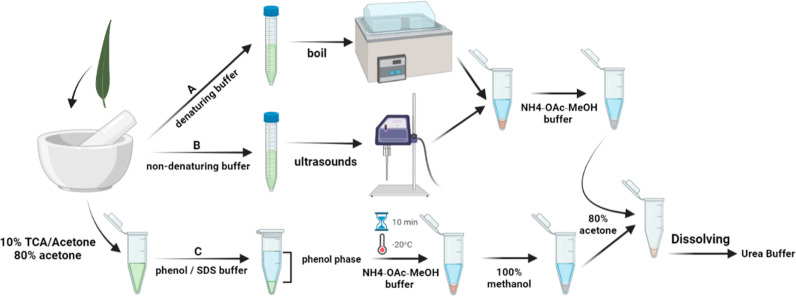 Figure 1
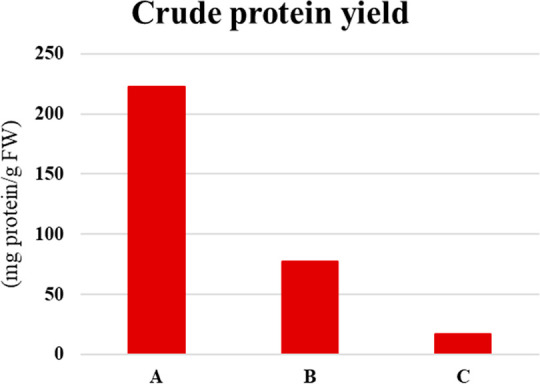 Figure 2
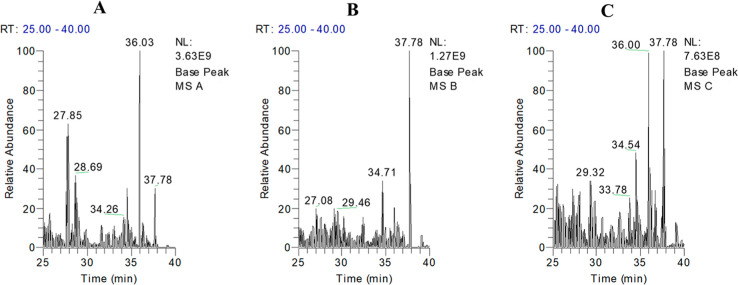 Figure 3
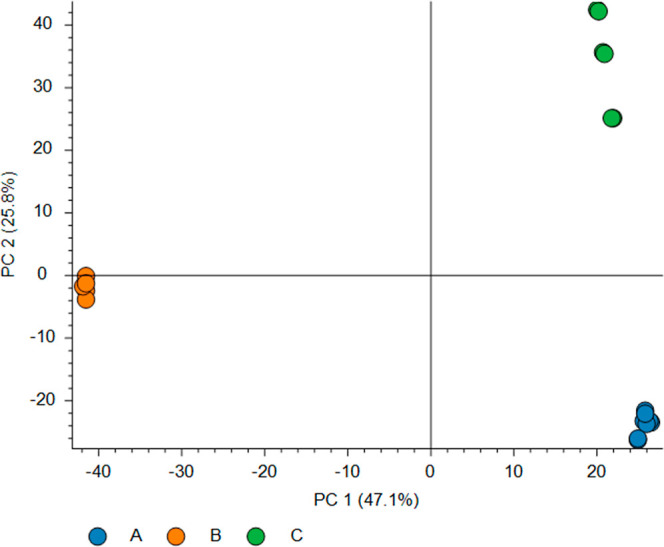 Figure 4
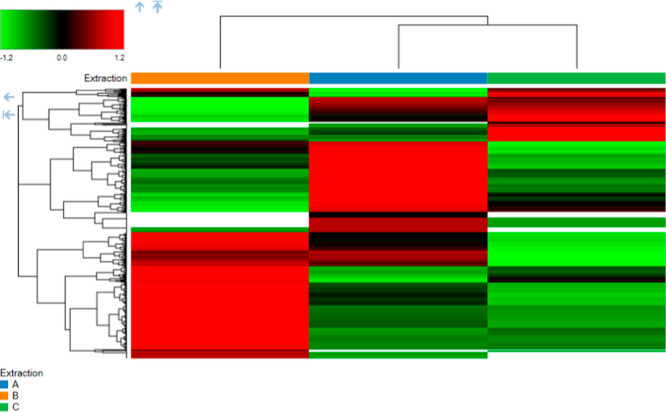 Figure 5
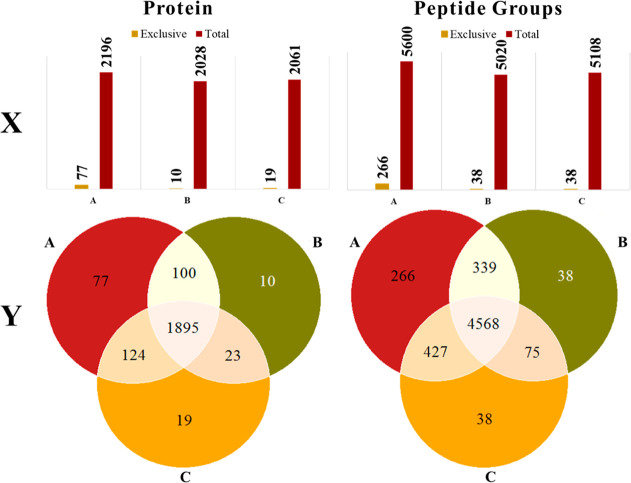 Figure 6
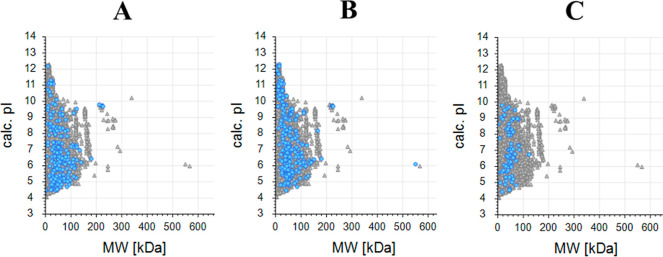 Figure 7
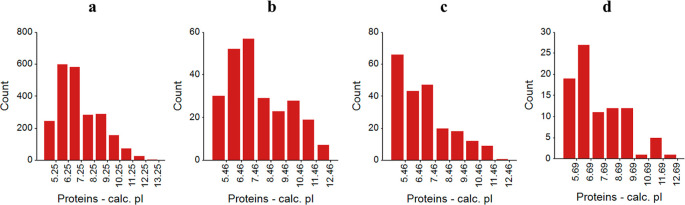 Figure 8
 Figure 9
 Figure 10
Peer Reviews
No public reviews on file for this paper yet. If you reviewed it on a platform where reviews are public (OpenReview, ICLR, NeurIPS, ICML), you can paste yours below so the community can read it here.
Videos
No videos yet. Explain this paper in a talk, walkthrough, or lecture? Add one.
Taxonomy
TopicsAdvanced Proteomics Techniques and Applications · Identification and Quantification in Food · Metabolomics and Mass Spectrometry Studies