Epithelial‐Mesenchymal Plasticity in the D‐Meso‐Sonobe Mesothelioma Cell Line: A Putative Model of Epithelial–Mesenchymal Transition in Mesothelioma
Hiroshi Okubo, Yuki Hanamatsu, Chiemi Saigo, Sonobe Hiroshi, Tamotsu Takeuchi

TL;DR
This study shows that D-Meso-Sonobe mesothelioma cells can switch between epithelial and mesenchymal states, offering a model for understanding EMT in mesothelioma.
Contribution
The study identifies D-Meso-Sonobe as a novel model for EMT in mesothelioma and highlights LOXL1 as a potential target.
Findings
D-Meso-Sonobe cells display epithelial-mesenchymal plasticity under different culture conditions.
LOXL1 is highly expressed in mesenchymal D-Meso-Sonobe cells and at the invasive front in xenografts.
Nuclear Zeb1 and other EMT markers are present in mesenchymal D-Meso-Sonobe cells.
Abstract
Epithelial‐mesenchymal transition (EMT) plays a crucial role in carcinogenesis, including mesothelioma. D‐Meso‐Sonobe is a deciduoid‐type mesothelioma cell line with morphological features similar to those of epithelioid cells. Here, we report that D‐Meso‐Sonobe cells exhibit spindle cell mesenchymal features under continuous confluent culture conditions. The spindle cell mesenchymal D‐Meso‐Sonobe expresses zinc finger E‐box‐binding homeobox 1 (Zeb1), which is a master regulator of EMT in the nucleus. Xenoplanted D‐Meso‐Sonobe cells expressed nuclear Zeb1 and yes‐associated protein at the cancer invasion front and focally expressed integrin subunit alpha V and actin alpha 2, which are molecular phenotypes acquired by EMT in mesothelioma. Subsequent RNA sequencing revealed that lysyl oxidase like 1 (LOXL1) was more highly expressed in cultured spindle mesenchymal D‐Meso‐Sonobe cells than…
Genes, proteins, chemicals, diseases, species, mutations and cell lines named across the full text — each resolved to its canonical identifier and authoritative record.
Click any figure to enlarge with its caption.
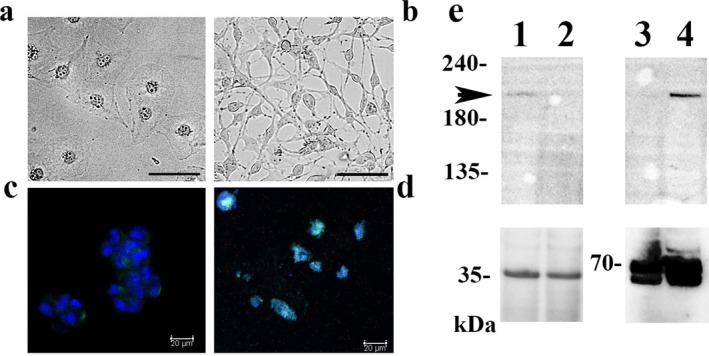 Figure 1
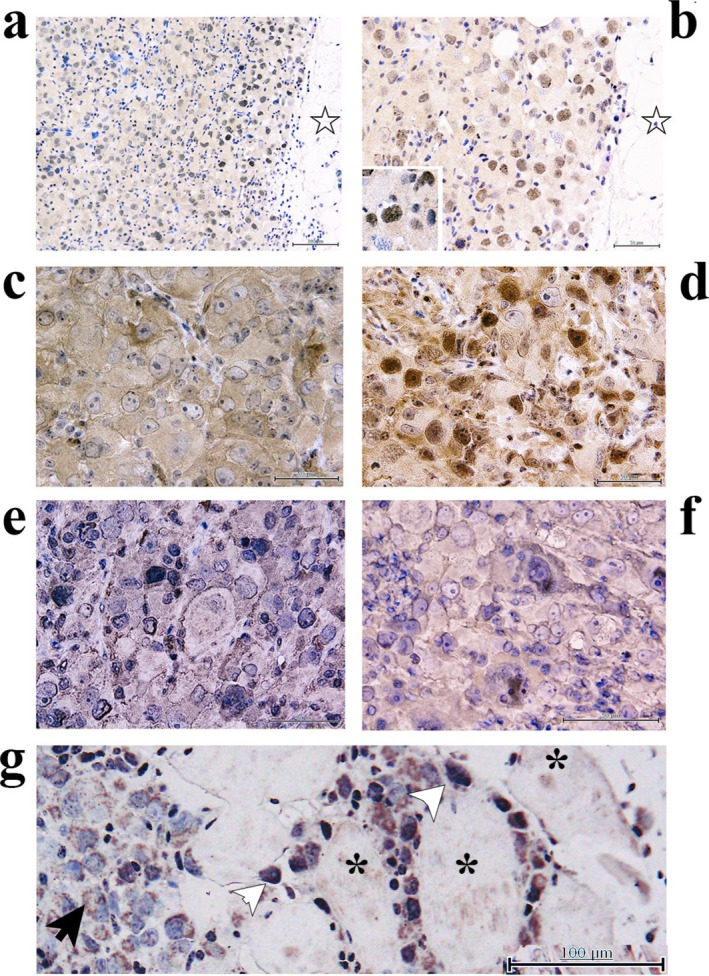 Figure 2
 Figure 3
Peer Reviews
No public reviews on file for this paper yet. If you reviewed it on a platform where reviews are public (OpenReview, ICLR, NeurIPS, ICML), you can paste yours below so the community can read it here.
Videos
No videos yet. Explain this paper in a talk, walkthrough, or lecture? Add one.
Taxonomy
TopicsMicrobial metabolism and enzyme function · Cancer Cells and Metastasis · Cellular Mechanics and Interactions