Retroviral adapters hijack the RNA helicase UPF1 in a CRM1/XPO1-dependent manner and reveal proviral roles of UPF1
Léa Prochasson, Makram Mghezzi-Habellah, Armelle Roisin, Martine Palma, Jean-Philippe Robin, Stève de Bossoreille, David Cluet, Malèke Mouelhi, Didier Decimo, Alexandra Desrames, Thibault Chaze, Mariette Matondo, Hélène Dutartre, Maria-Isabel Thoulouze, Fabrice Lejeune

TL;DR
This study shows how retroviruses like HTLV-1 and HIV-1 hijack a cellular protein (UPF1) to aid their replication while inhibiting a natural antiviral defense mechanism.
Contribution
The study reveals a novel proviral role of UPF1 in retroviral replication and its hijacking by viral proteins Rex and Rev.
Findings
HTLV-1 Rex and HIV-1 Rev proteins increase CRM1-UPF1 association, reducing UPF1's affinity for cellular RNA.
UPF1's nuclear retention inhibits NMD, an antiviral process.
UPF1 positively regulates HTLV-1 replication steps, including vRNA export and viral particle production.
Abstract
The hijacking of CRM1 export is an important step of the retroviral replication cycle. Here, we investigated the consequences of this hijacking for the host. During HTLV-1 infection, we identified that this hijacking by the viral protein Rex favours the association between CRM1 and the RNA helicase UPF1, leading to a decreased affinity of UPF1 for cellular RNA and its nuclear retention. As a consequence, we found that the nonsense-mediated mRNA decay (NMD), known to have an antiviral function, was inhibited. Corroborating these results, we described a similar process with Rev, the functional homolog of Rex from HIV-1. Unexpectedly, we also found that, for HTLV-1, this process is coupled with the specific loading of UPF1 onto vRNA, independently of NMD. In this latter context, UPF1 positively regulates several steps of the viral replication cycle, from the nuclear export of vRNA to the…
Genes, proteins, chemicals, diseases, species, mutations and cell lines named across the full text — each resolved to its canonical identifier and authoritative record.
Click any figure to enlarge with its caption.
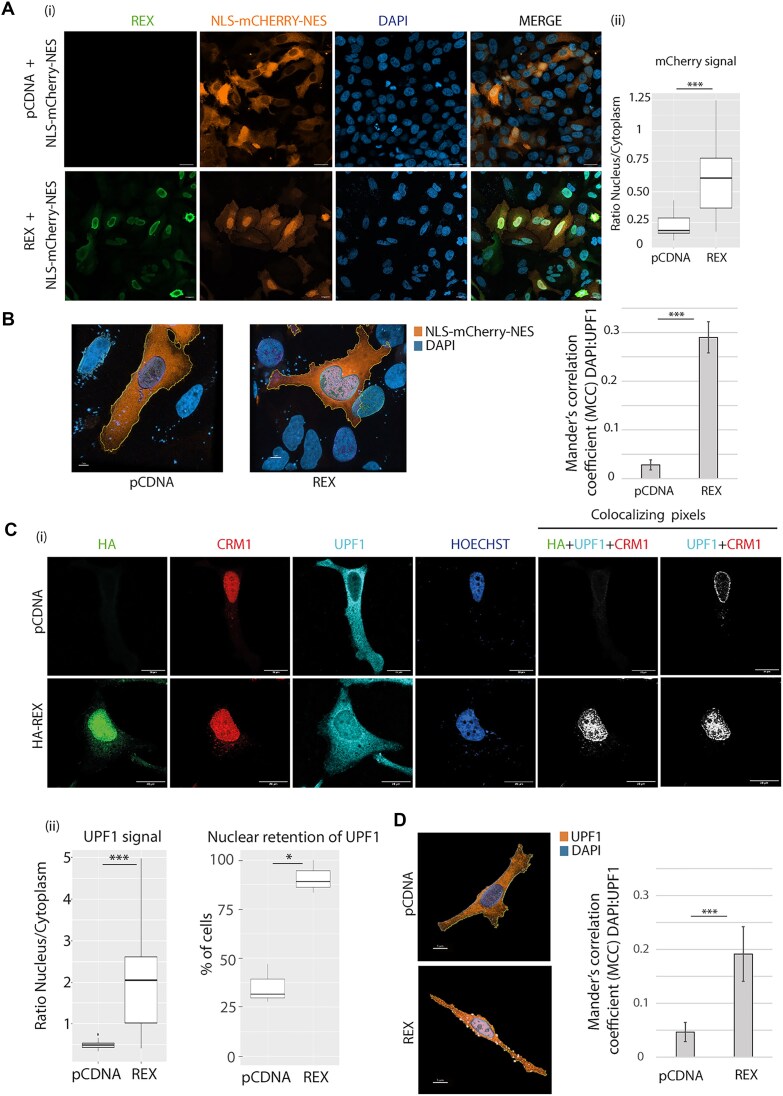 Figure 1
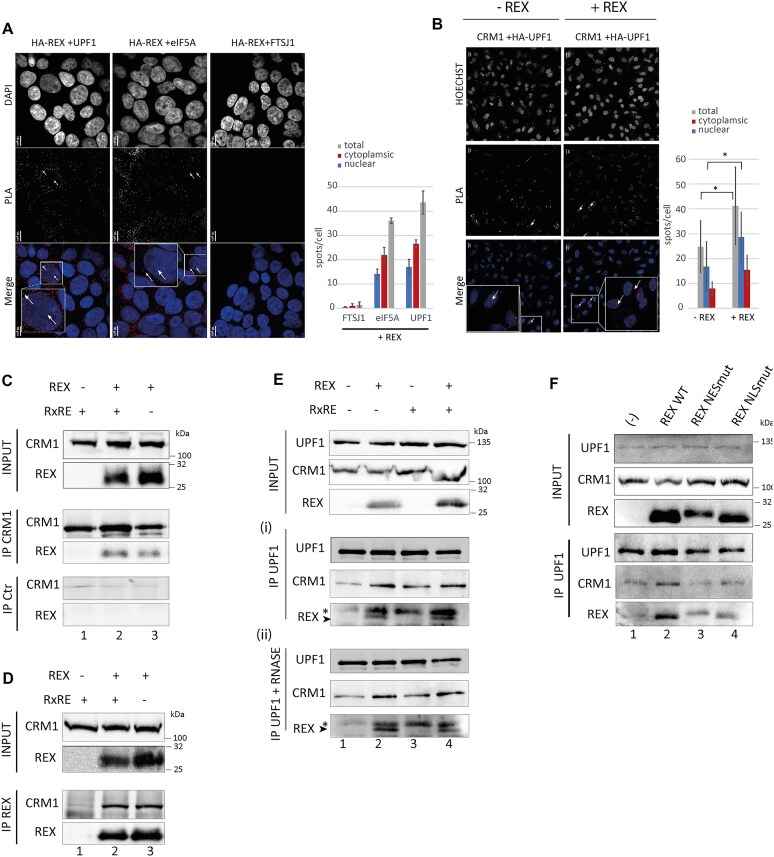 Figure 2
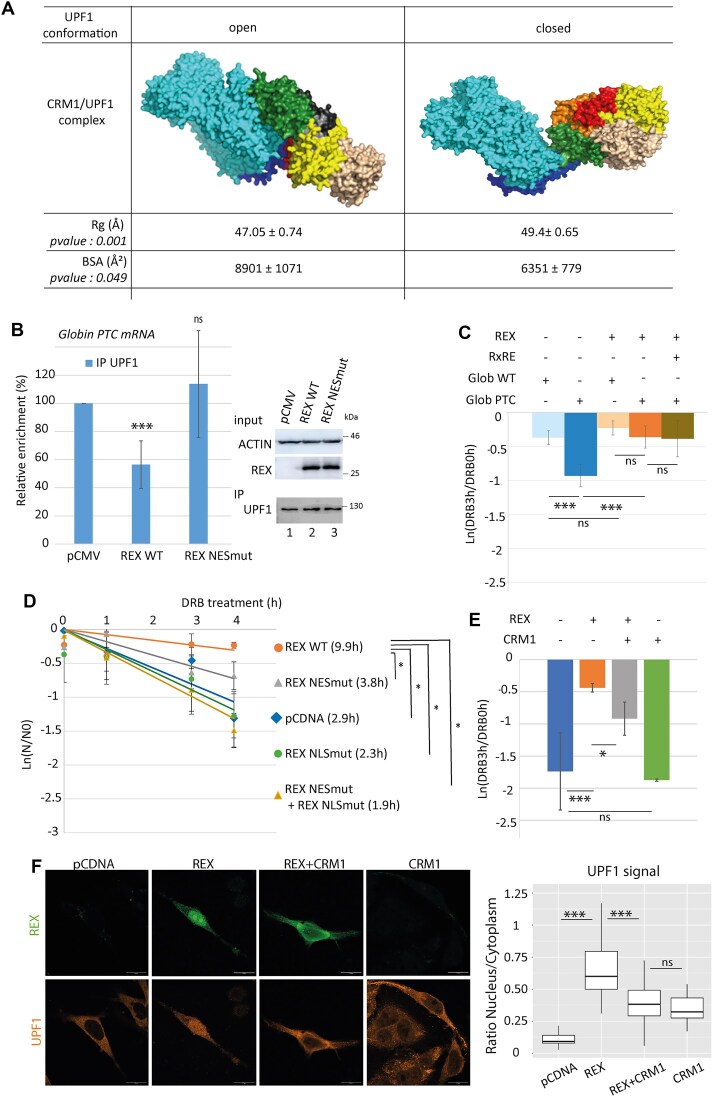 Figure 3
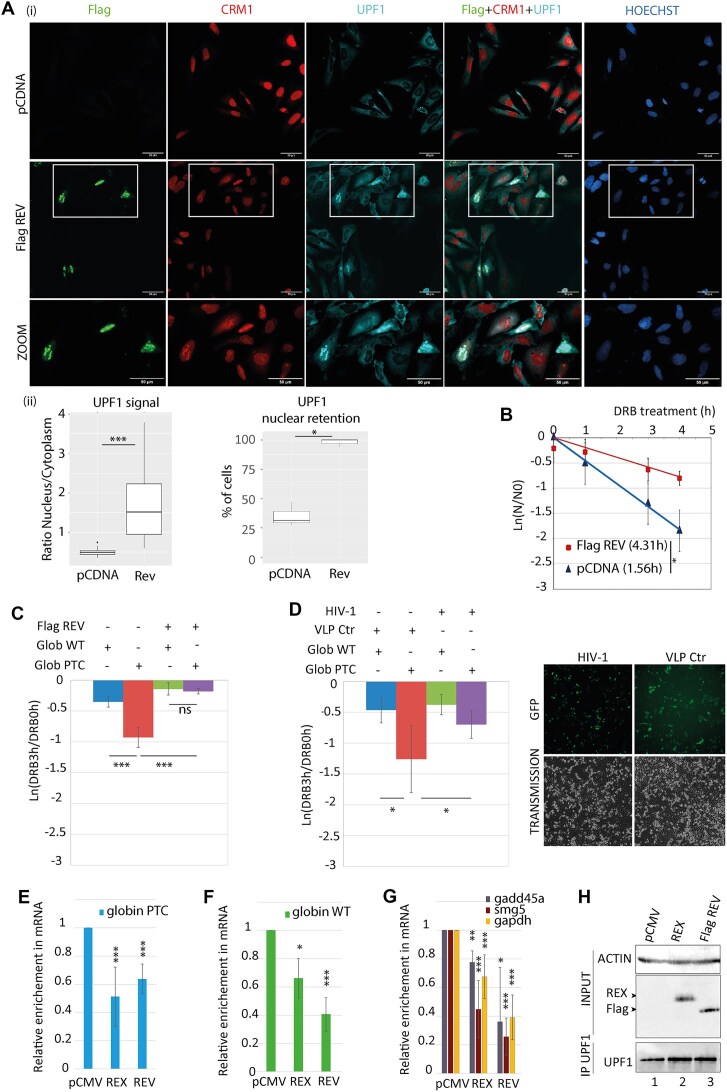 Figure 4
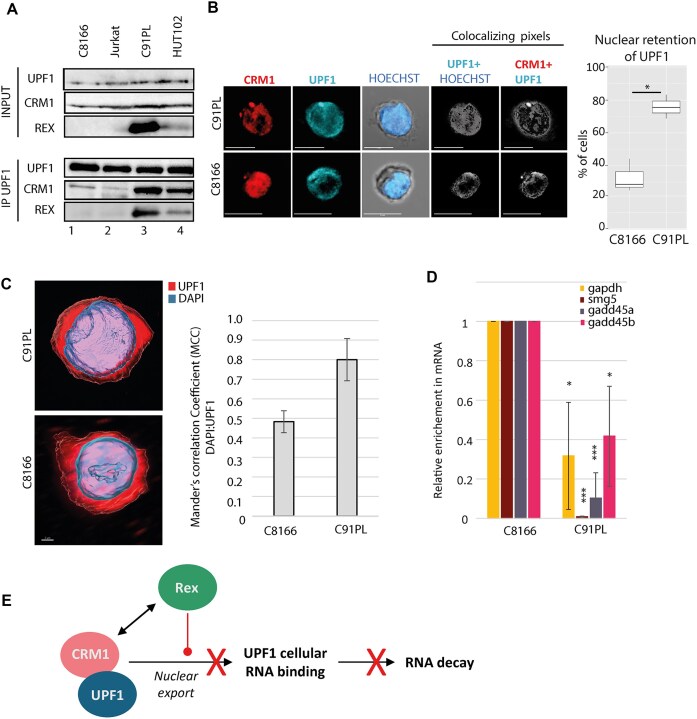 Figure 5
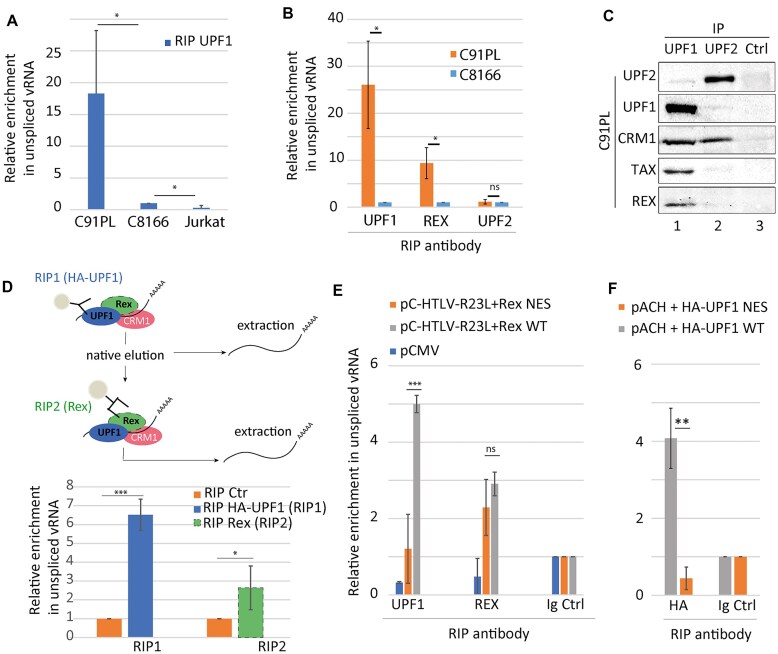 Figure 6
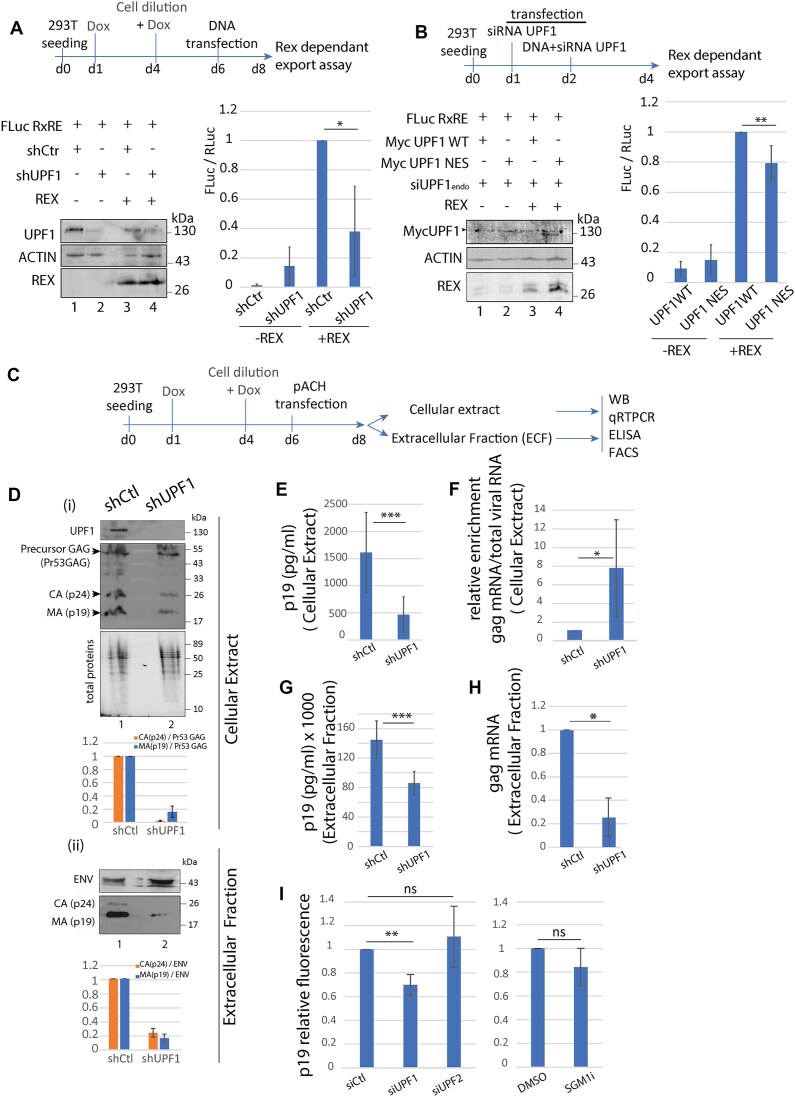 Figure 7
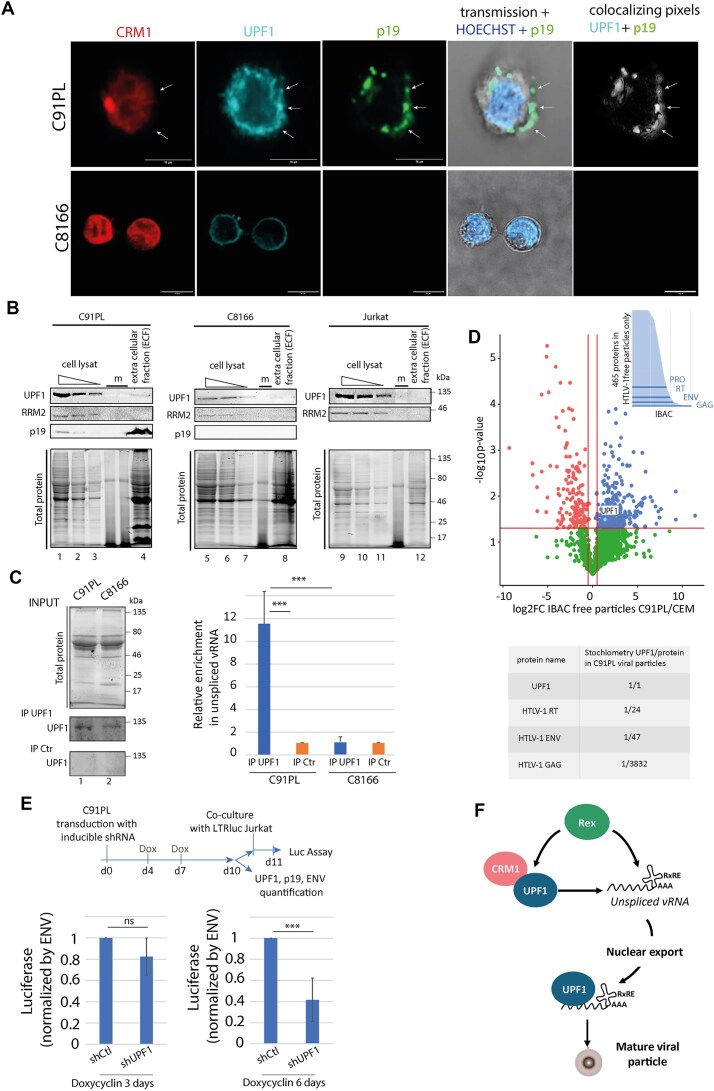 Figure 8
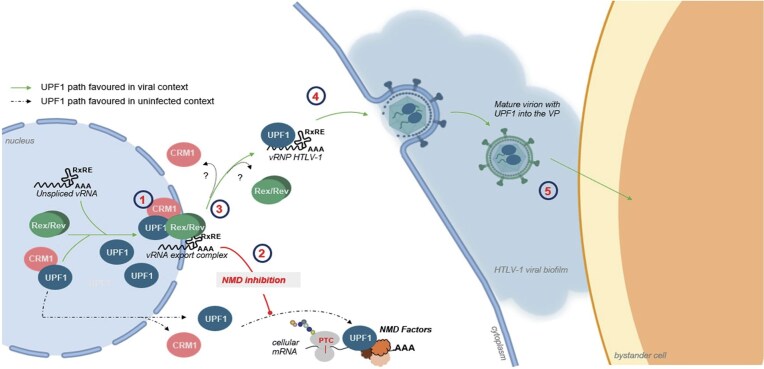 Figure 9
Peer Reviews
No public reviews on file for this paper yet. If you reviewed it on a platform where reviews are public (OpenReview, ICLR, NeurIPS, ICML), you can paste yours below so the community can read it here.
Videos
No videos yet. Explain this paper in a talk, walkthrough, or lecture? Add one.
Taxonomy
TopicsRNA Research and Splicing · Nuclear Structure and Function · RNA regulation and disease