Study of the Photoinduced Fate of Selected Contaminants in Surface Waters by HPLC‐HRMS
Rossella Sesia, Federica Dal Bello, Claudio Medana, Rita Binetti, Dimitra Papagiannaki, Paola Calza

TL;DR
This study examines how sunlight and TiO2 catalyst break down three contaminants in water, revealing that some breakdown products are more toxic than the original chemicals.
Contribution
The study introduces a method combining HPLC-HRMS and toxicity assays to identify more hazardous photoinduced transformation products of contaminants.
Findings
Epoxiconazole produces 27 transformation products, some of which are more toxic than the parent compound.
Hydroxylation is a predominant pathway in the photoinduced transformation of the studied contaminants.
Coumarin and hymecromone generally form less hazardous transformation products compared to epoxiconazole.
Abstract
Photoinduced transformation of contaminants of emerging concern (CECs) can occur in aquatic environment and could lead to the formation of transformation products (TPs) of greater concern than the parent compounds. For such, the fate of epoxiconazole, hymecromone, and coumarin in water was investigated by simulating photoinduced abiotic transformations to assess the toxicity of their TPs and which CEC may be of greatest concern. Heterogeneous photocatalysis with TiO2 and direct photolysis of selected CECs were exploited to simulate their TPs. The TPs were assessed by means of HPLC coupled with an Orbitrap MS analyser in ESI positive mode, while their toxicity was evaluated through a Vibrio fischeri bioluminescence assay, and ECOSAR tool. The formation of numerous TPs via different photoinduced pathways was noticed (27 for epoxiconazole, 6 for coumarin, and 8 for hymecromone, some of…
Genes, proteins, chemicals, diseases, species, mutations and cell lines named across the full text — each resolved to its canonical identifier and authoritative record.
Click any figure to enlarge with its caption.
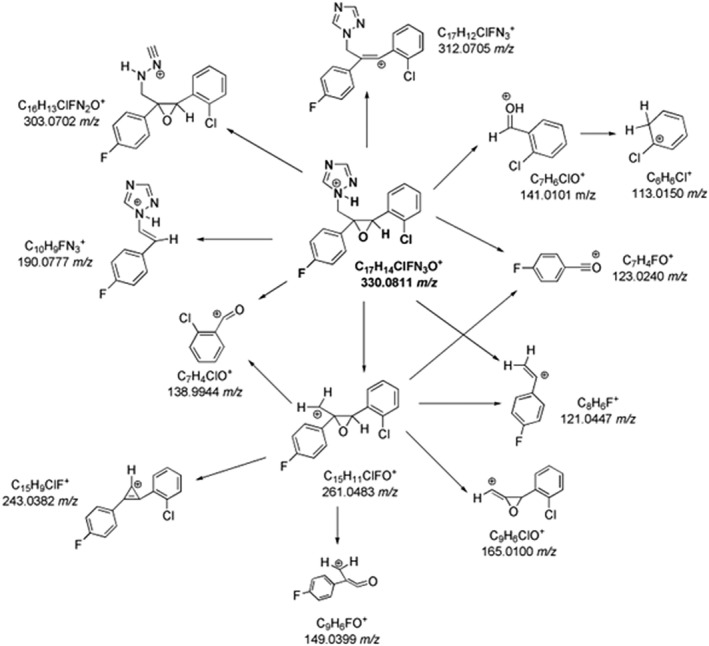 Figure 1
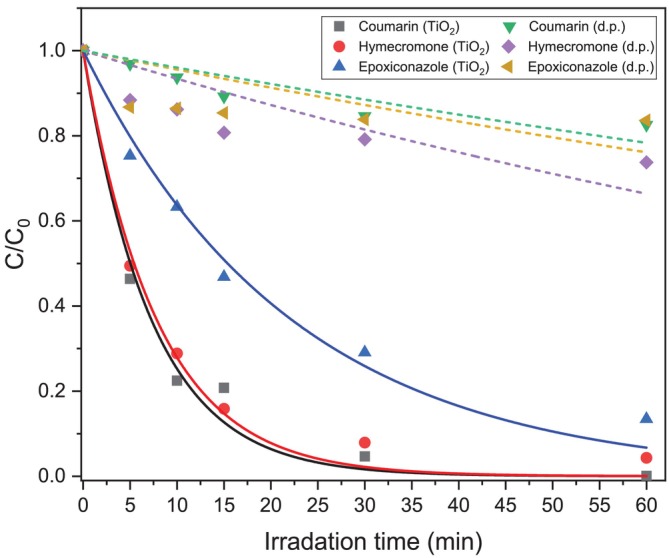 Figure 2
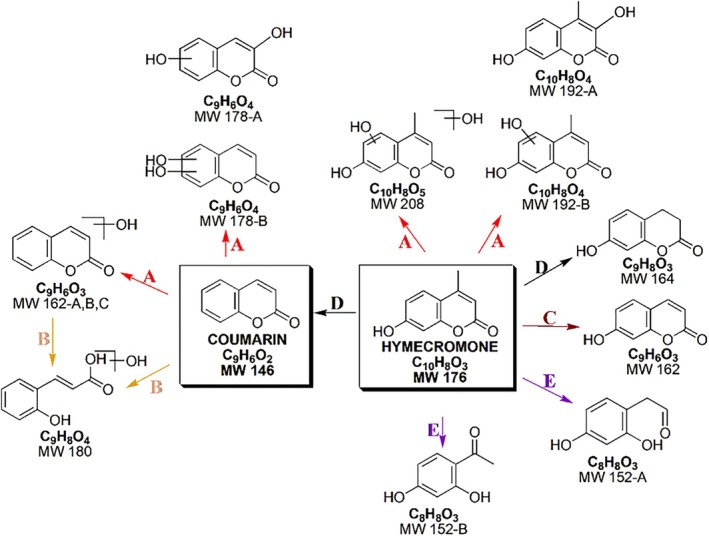 Figure 3
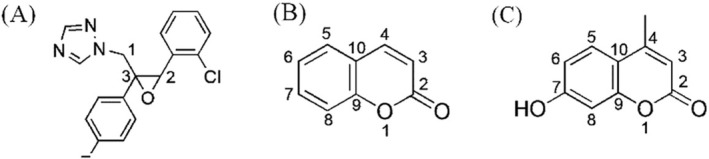 Figure 4
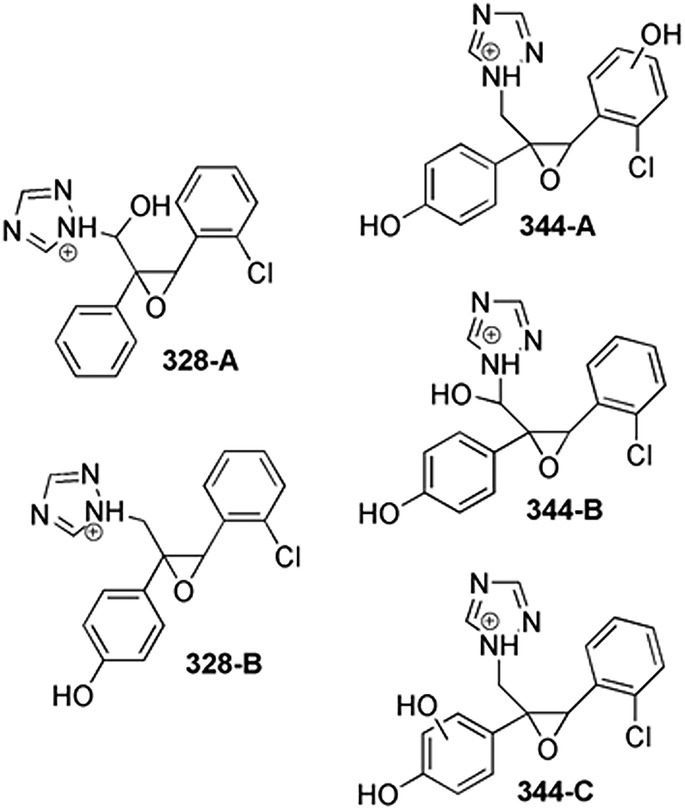 Figure 5
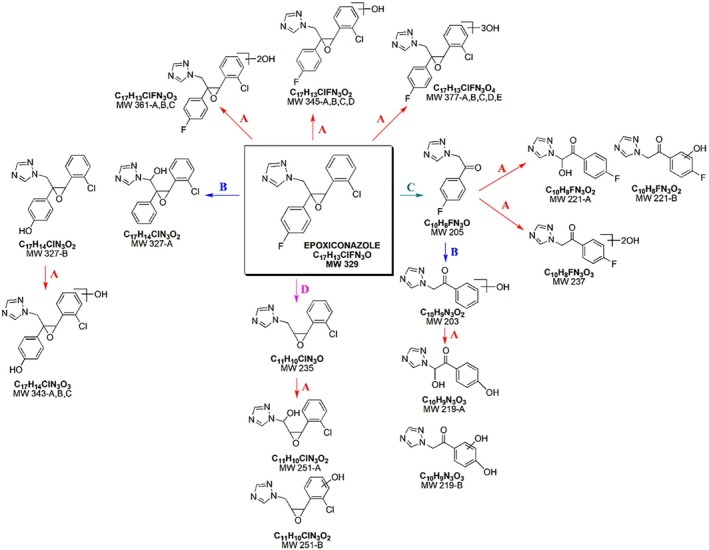 Figure 6
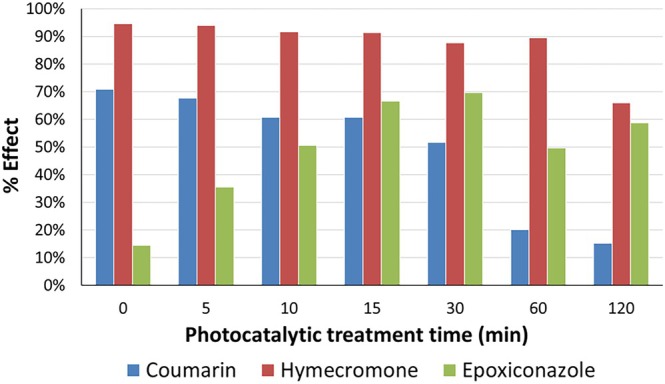 Figure 7
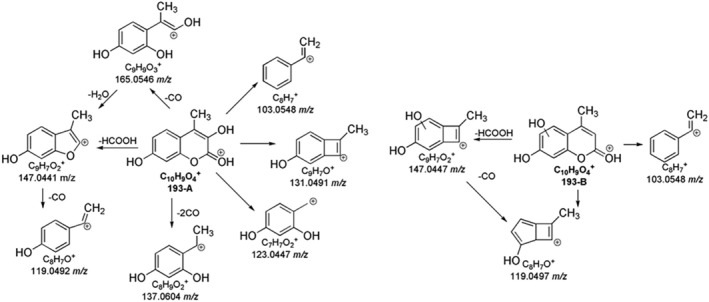 Figure 8
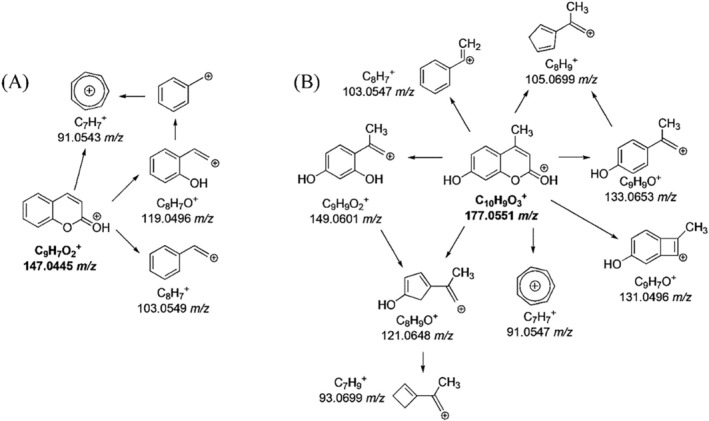 Figure 9
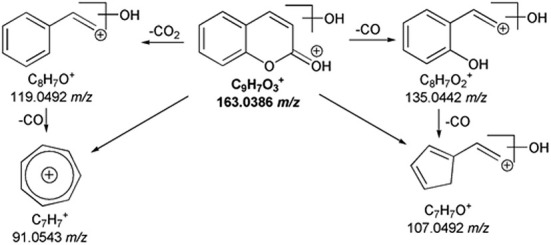 Figure 10
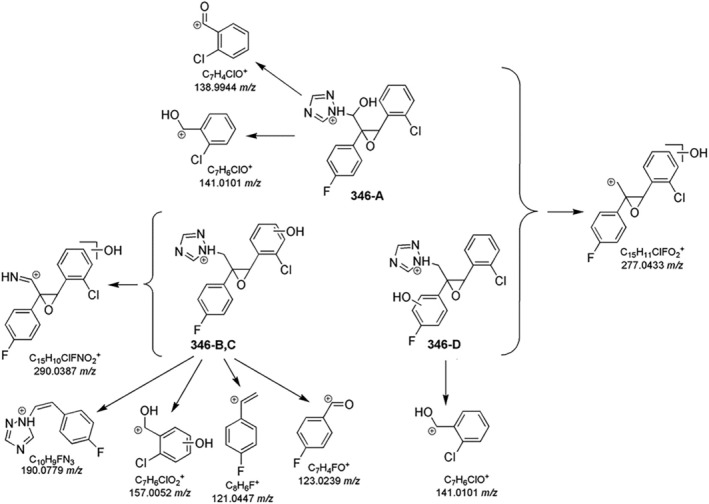 Figure 11
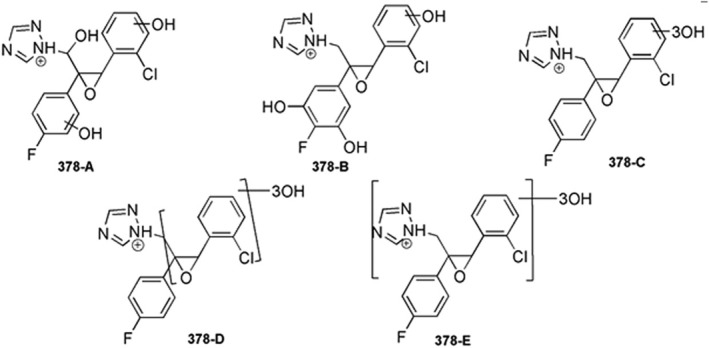 Figure 12
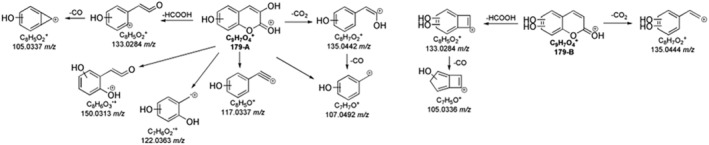 Figure 13
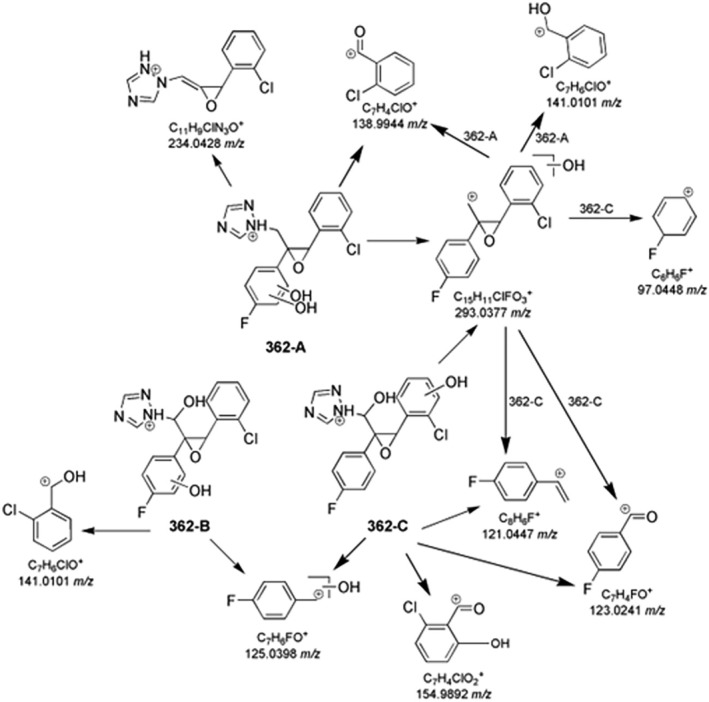 Figure 14
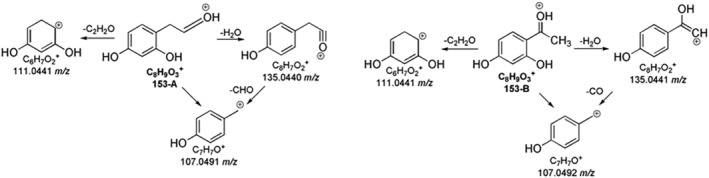 Figure 15
Peer Reviews
No public reviews on file for this paper yet. If you reviewed it on a platform where reviews are public (OpenReview, ICLR, NeurIPS, ICML), you can paste yours below so the community can read it here.
Videos
No videos yet. Explain this paper in a talk, walkthrough, or lecture? Add one.
Taxonomy
TopicsPharmaceutical and Antibiotic Environmental Impacts · Advanced oxidation water treatment · Water Treatment and Disinfection