A new method for multi-site cardiac pacing using leadless electrodes and high frequency transthoracic currents
Rafael Beyar, Rachel Schatzberger, Wisam Darawsha, Rona Shofti, Amir Dagan, Yoram Palti

TL;DR
A new leadless cardiac pacing method uses high-frequency electrical fields to stimulate the heart at multiple sites, avoiding complications from traditional leads.
Contribution
The novel ultrathin leadless device uses high-frequency alternating fields to enable multi-site cardiac pacing without traditional leads.
Findings
The device successfully demonstrated pacing in a swine model under various conditions.
Thresholds for current, voltage, and pulse duration were measured for effective stimulation.
The method supports multi-point stimulation, potentially improving CRT therapy.
Abstract
Cardiac pacing using long leads has inherent complications of adhesions, fractures and infection. Current leadless pacemakers include battery-operated devices that are relatively large in size. We present here the initial design and animal experiments with a new ultrathin leadless device, activated by subcutaneous application of short trains of high frequency (250 kHz) alternating electrical fields (HFAF). The myocardial 40 × 0.5 mm rectifying device, implanted in the right ventricle and in epicardial veins, converts the HFAF sinusoidal transients to unidirectional current pulses which stimulate the myocardium. The method was tested in a swine model under open and closed chest conditions for both endocardial and cardiac venous approaches. We demonstrated pacing under all these conditions and measured the thresholds of current, voltage and pulse duration. This method allows for leadless…
Genes, proteins, chemicals, diseases, species, mutations and cell lines named across the full text — each resolved to its canonical identifier and authoritative record.
Click any figure to enlarge with its caption.
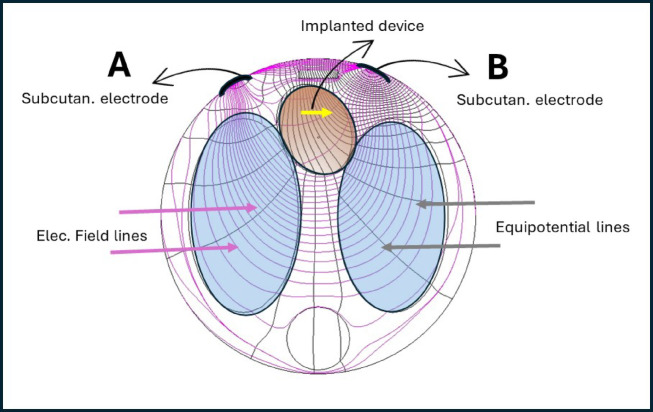 Figure 1
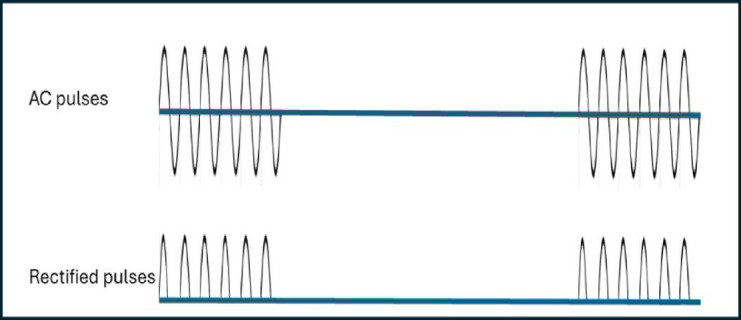 Figure 2
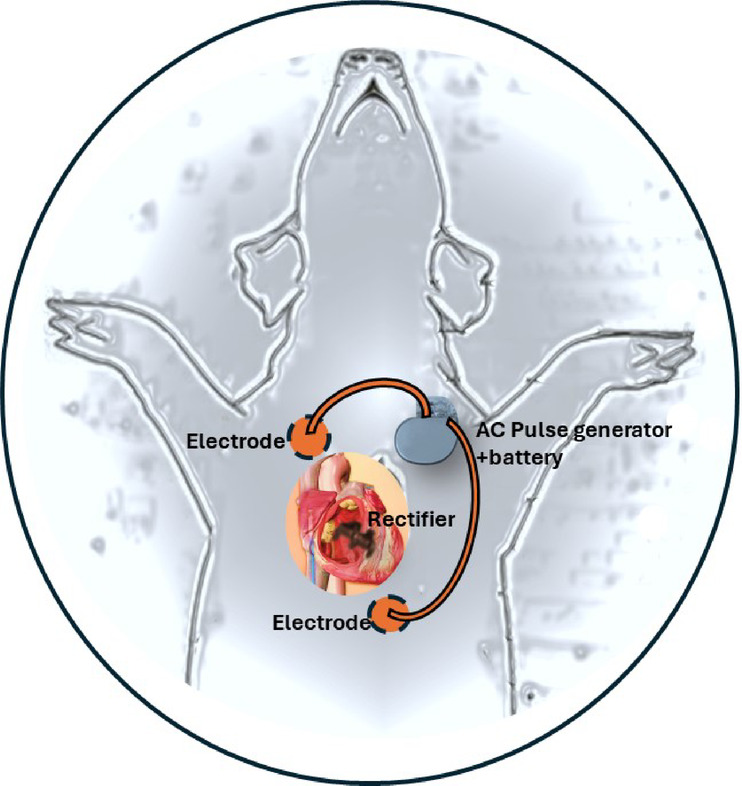 Figure 3
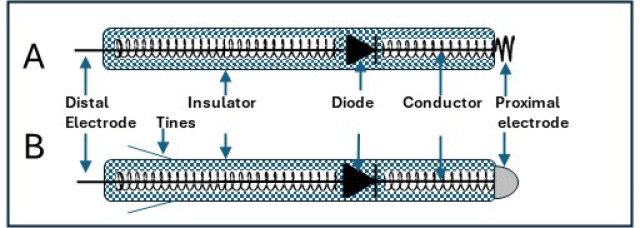 Figure 4
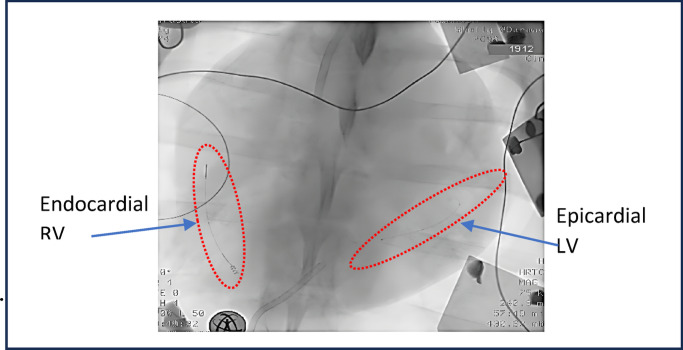 Figure 5
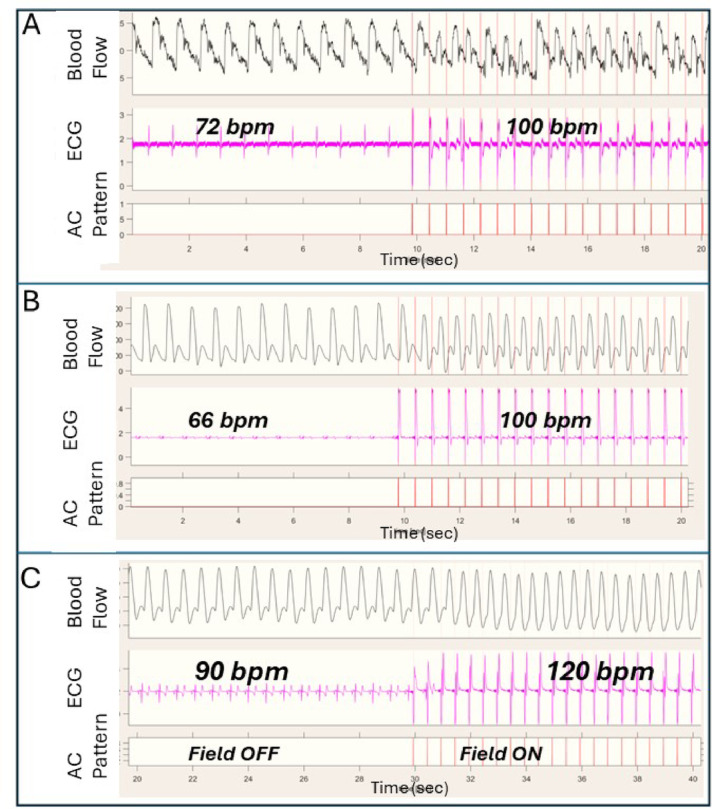 Figure 6
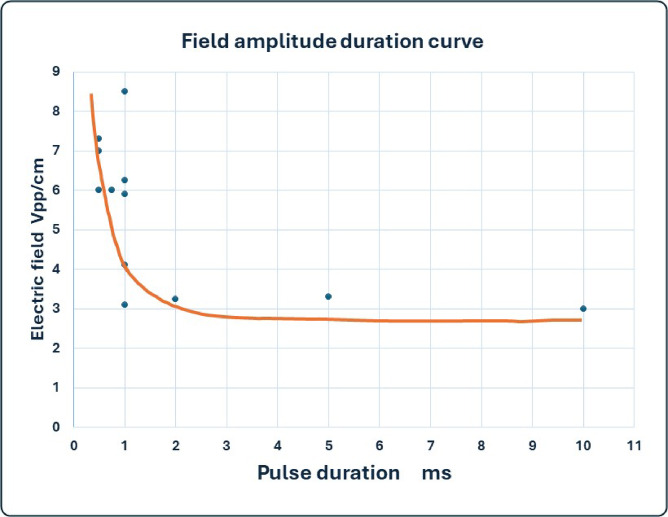 Figure 7
Peer Reviews
No public reviews on file for this paper yet. If you reviewed it on a platform where reviews are public (OpenReview, ICLR, NeurIPS, ICML), you can paste yours below so the community can read it here.
Videos
No videos yet. Explain this paper in a talk, walkthrough, or lecture? Add one.
Taxonomy
TopicsCardiac pacing and defibrillation studies · Cardiac Arrhythmias and Treatments · Cardiac electrophysiology and arrhythmias