Modeling dependent group judgments: A computational model of sequential collaboration
Maren Mayer, Daniel W. Heck

TL;DR
This paper introduces a computational model to explain how people collaboratively improve judgments in sequential online collaborations, showing they can be as accurate as group averages.
Contribution
A novel computational model formalizing the cognitive processes of sequential collaboration and dependent group judgments.
Findings
Sequential collaboration leads to less frequent and smaller changes over time.
Judgments at the end of a chain are as accurate as aggregated independent judgments.
Expertise drives changes in judgment accuracy and magnitude in sequential chains.
Abstract
Sequential collaboration describes the incremental process of contributing to online collaborative projects such as Wikipedia and OpenStreetMap. After a first contributor creates an initial entry, subsequent contributors create a sequential chain by deciding whether to adjust or maintain the latest entry which is updated if they decide to make changes. Sequential collaboration has recently been examined as a method for eliciting numerical group judgments. It was shown that in a sequential chain, changes become less frequent and smaller, while judgments become more accurate. Judgments at the end of a sequential chain are similarly accurate and in some cases even more accurate than aggregated independent judgments (wisdom of crowds). This is at least partly due to sequential collaboration allowing contributors to contribute according to their expertise by selectively adjusting judgments.…
Genes, proteins, chemicals, diseases, species, mutations and cell lines named across the full text — each resolved to its canonical identifier and authoritative record.
Click any figure to enlarge with its caption.
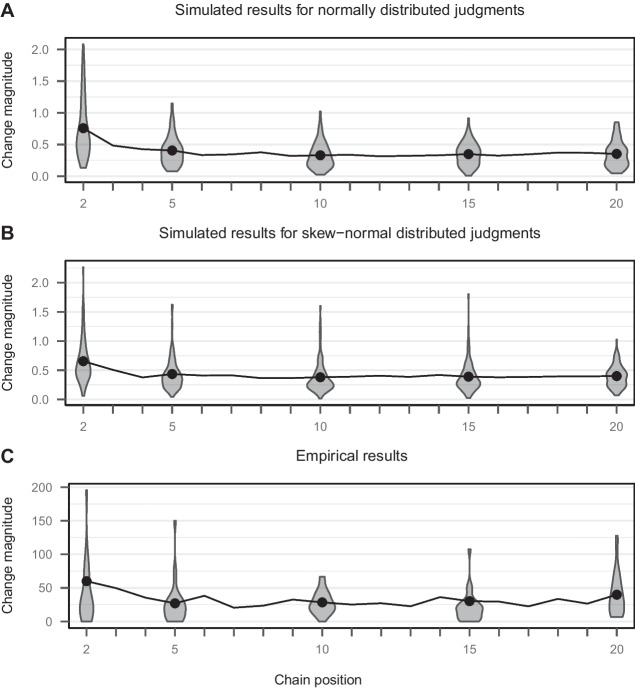 Figure 10
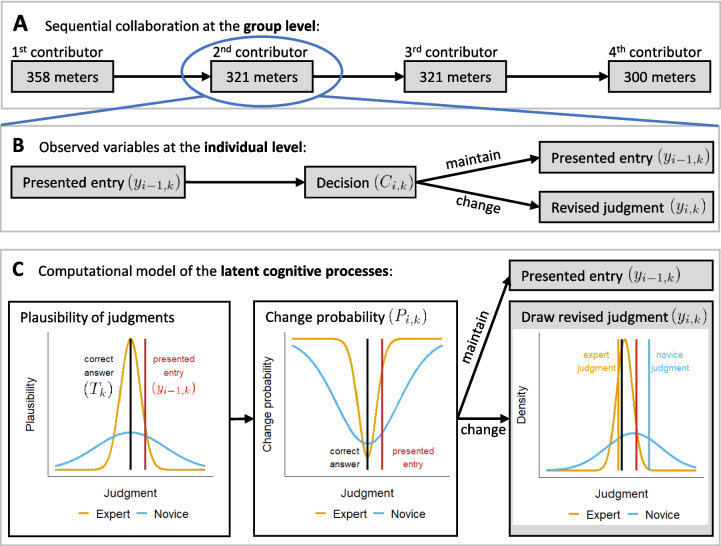 Figure 1
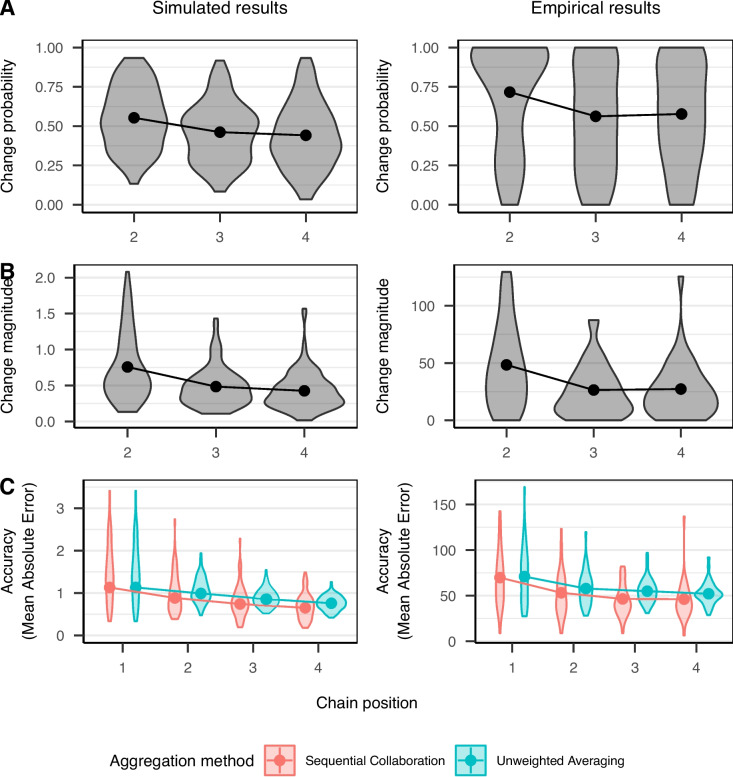 Figure 2
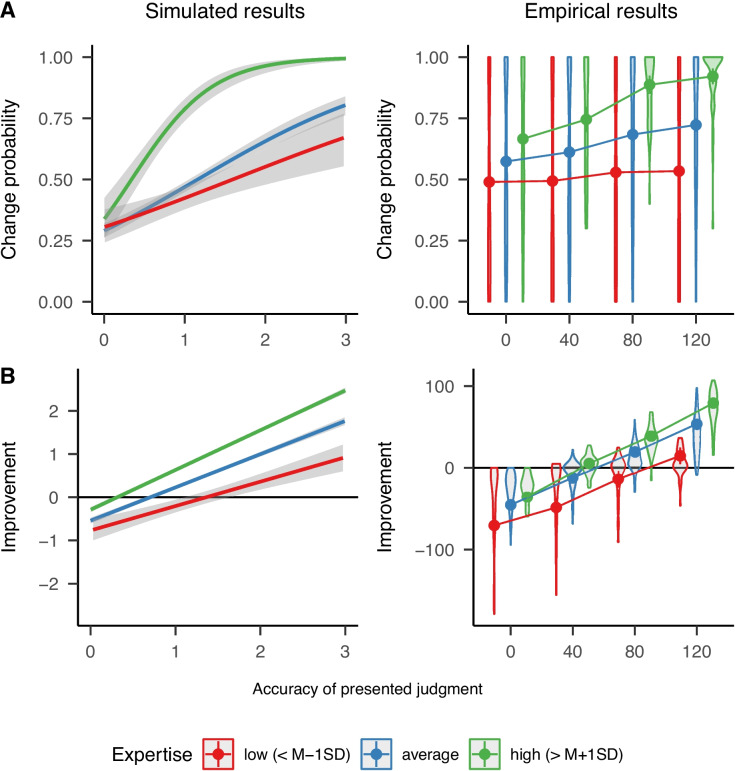 Figure 3
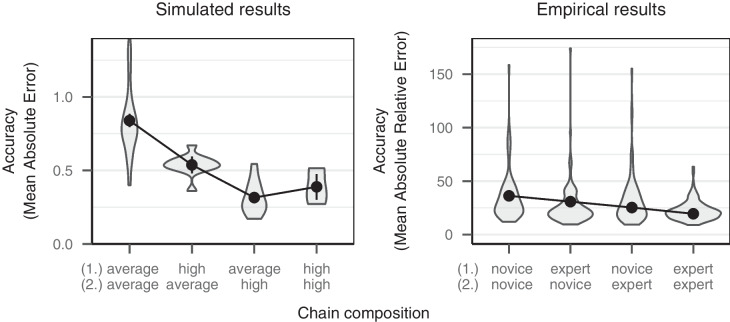 Figure 4
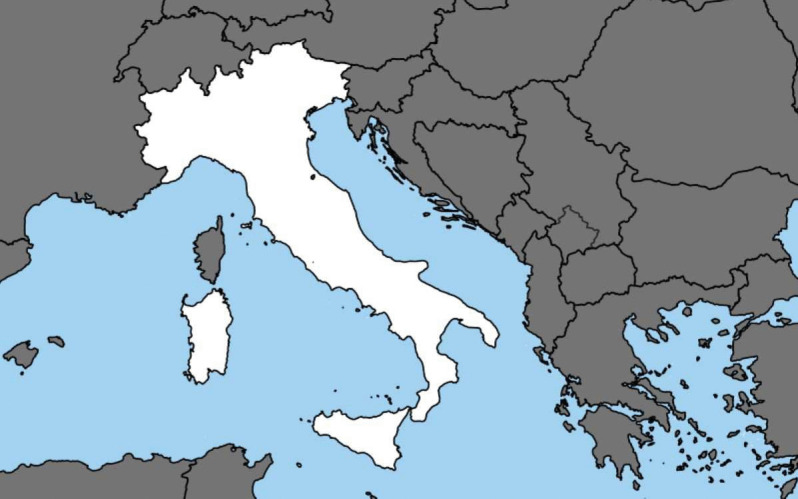 Figure 5
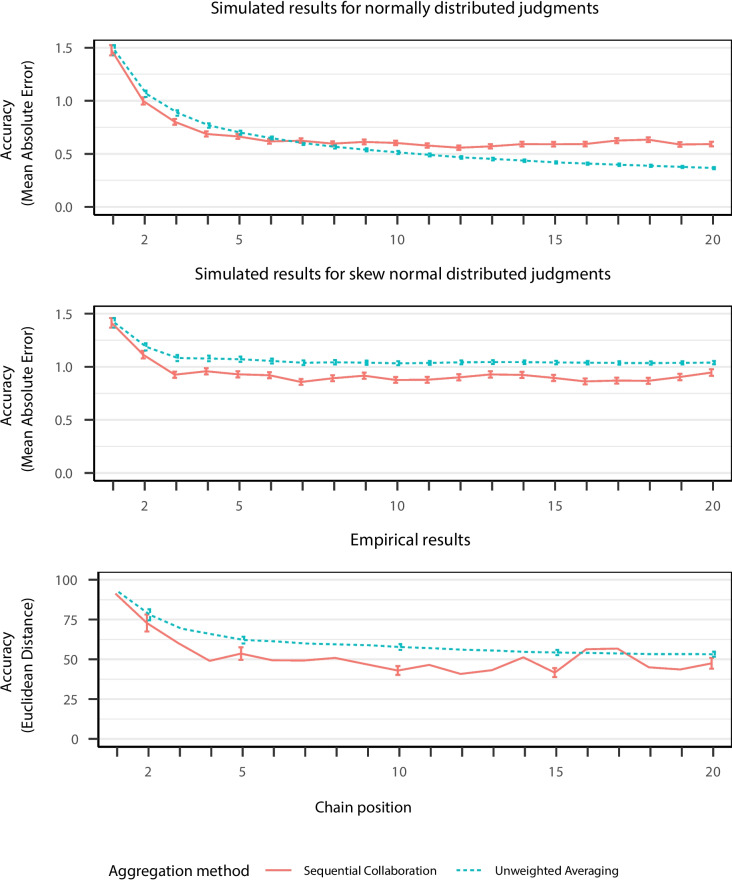 Figure 6
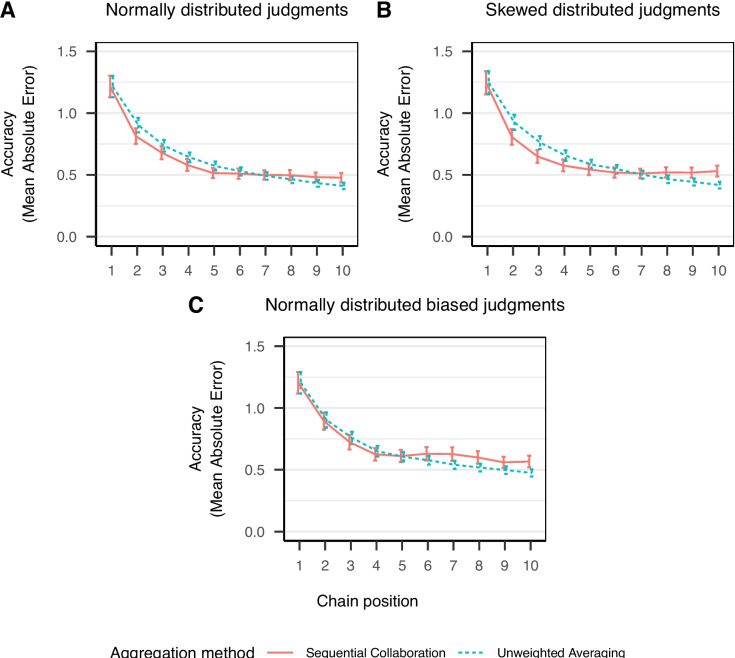 Figure 7
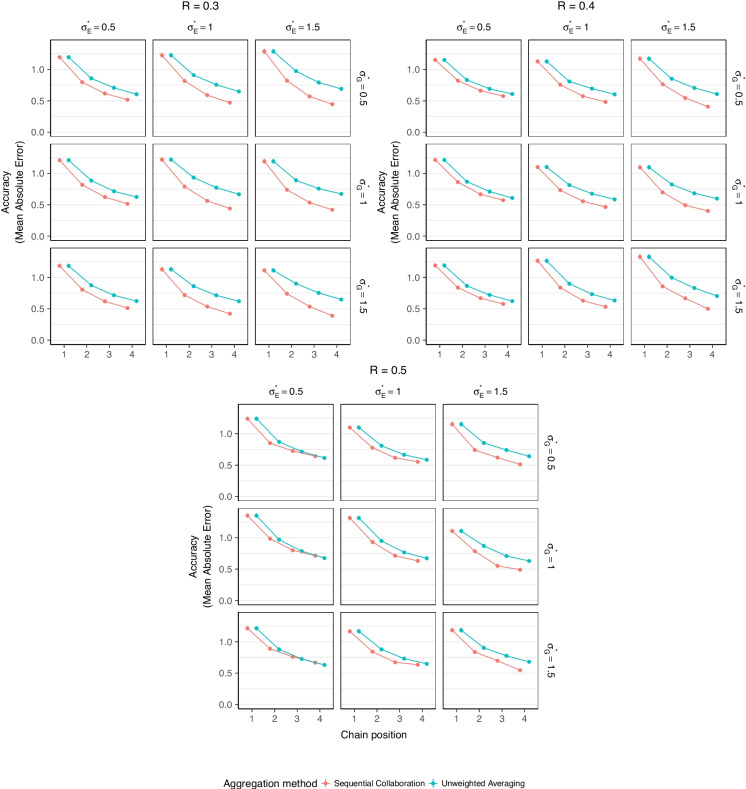 Figure 8
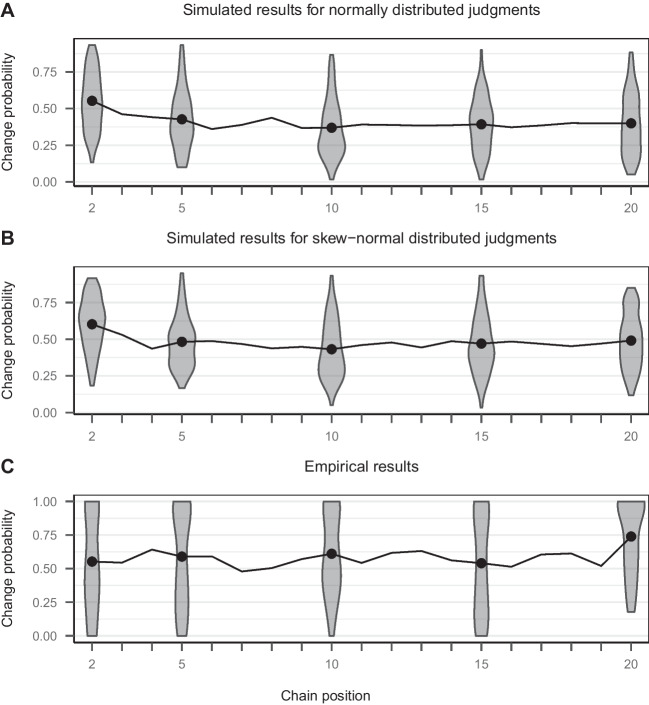 Figure 9
Peer Reviews
No public reviews on file for this paper yet. If you reviewed it on a platform where reviews are public (OpenReview, ICLR, NeurIPS, ICML), you can paste yours below so the community can read it here.
Videos
No videos yet. Explain this paper in a talk, walkthrough, or lecture? Add one.
Taxonomy
TopicsTeam Dynamics and Performance · Cognitive Science and Mapping · Opinion Dynamics and Social Influence