The self-relevant spotlight metaphor: Self-relevant targets diminish distractor–response-binding effects
Marcel Pauly, Sarah Schäfer, Dirk Wentura, Christian Frings

TL;DR
The study shows that when a task is personally relevant, it reduces the influence of distractions on performance.
Contribution
The novelty is showing that self-relevance reduces distractor–response-binding effects, indicating a boundary condition for self-relevance's influence.
Findings
Self-relevant targets diminish distractor–response-binding (DRB) effects compared to non-self-relevant targets.
Self-relevance influences higher-order cognitive processes like executive control, not just perception.
Abstract
Recently, it has been proposed that self-relevance of a stimulus enhances executive control and reduces the impact of distractors on current task performance. The present study aimed to test whether the binding between a distractor and a response is influenced by self-relevance, too. We assumed that targets’ self-relevance should increase executive control processes and therefore reduce the influence of distractors on current performance. In a distractor–response-binding (DRB) task, which measures the strength of binding between distractor stimuli and responses, we varied target relevance so that participants responded to targets that either were or were not self-relevant. Our design made it possible to measure DRB effects for both relevance conditions separately. DRB effects were diminished if targets were self-relevant compared to when they were not. These results expand our…
Genes, proteins, chemicals, diseases, species, mutations and cell lines named across the full text — each resolved to its canonical identifier and authoritative record.
Click any figure to enlarge with its caption.
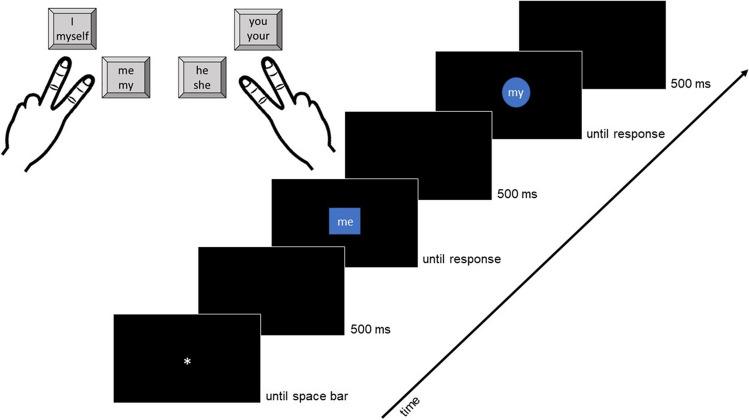 Figure 1
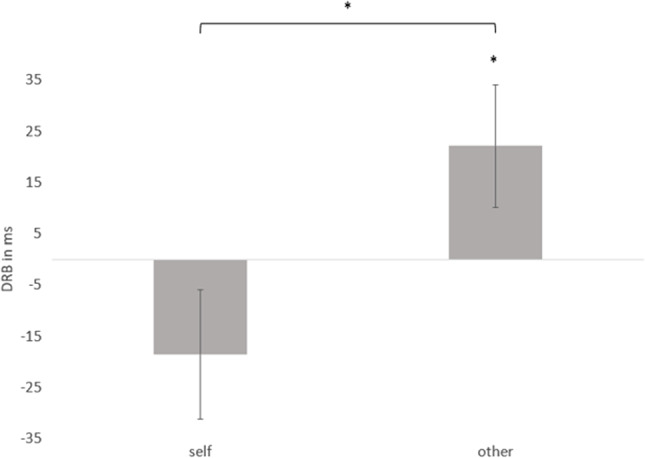 Figure 2
Peer Reviews
No public reviews on file for this paper yet. If you reviewed it on a platform where reviews are public (OpenReview, ICLR, NeurIPS, ICML), you can paste yours below so the community can read it here.
Videos
No videos yet. Explain this paper in a talk, walkthrough, or lecture? Add one.
Taxonomy
TopicsNeural and Behavioral Psychology Studies · Olfactory and Sensory Function Studies · Creativity in Education and Neuroscience