Drawing the mind: assessing cognitive decline through self-figure drawings
Limor Goldner, Amit Pery, Johanna Czamanski-Cohen, Alex Nisara Jaroenkajornkij, Aviel Ben-Bassat, Gefen Avraham, Bussakorn Binson, Rachel Lev-Wiesel

TL;DR
This study explores how self-figure drawings can indicate cognitive decline, finding that detailed drawings correlate with better cognitive function in older adults.
Contribution
The study introduces self-figure drawings as a complementary tool for assessing cognitive decline and dementia in diverse populations.
Findings
Normative cognitive performance correlates with detailed and adapted self-figure drawings.
Moderate to severe cognitive impairment is associated with schematic and disorganized drawings.
Thai participants showed higher cognitive scores and fewer drawing group differences compared to Israeli participants.
Abstract
Drawing requires the integration of visual perception, spatial processing, motor planning, and executive functions, but few studies have explored the potential connection between drawings, cognitive decline and dementia. This study compared self-figure drawings of elderly individuals with Alzheimer’s disease (AD) and mild cognitive impairment (MCI) to those with normative cognitive functioning. A total of 496 older adults from Thailand and Israel (Mage = 73.97, 70% women) participated in this study. Participants completed the Montreal Cognitive Assessment (MoCA-5) and then engaged in a self-figure drawing task. The drawings were categorized into eight groups based on their graphic characteristics. MANCOVA was used to examine differences between the drawing groups, t-tests were used to examine cultural differences, and Chi-square tests were used to examine differences and associations…
Genes, proteins, chemicals, diseases, species, mutations and cell lines named across the full text — each resolved to its canonical identifier and authoritative record.
Click any figure to enlarge with its caption.
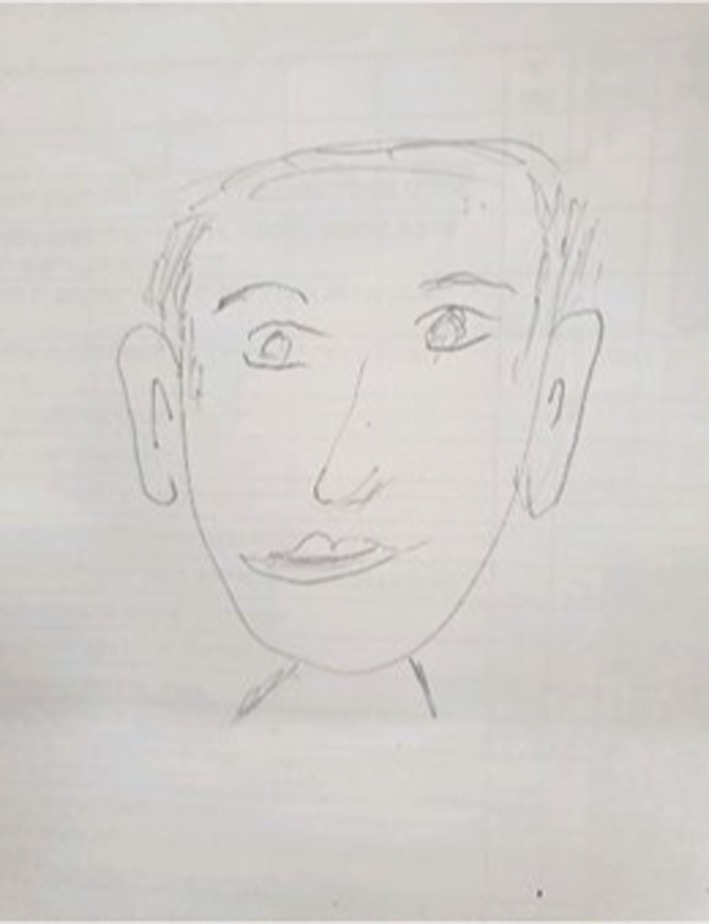 Figure 1
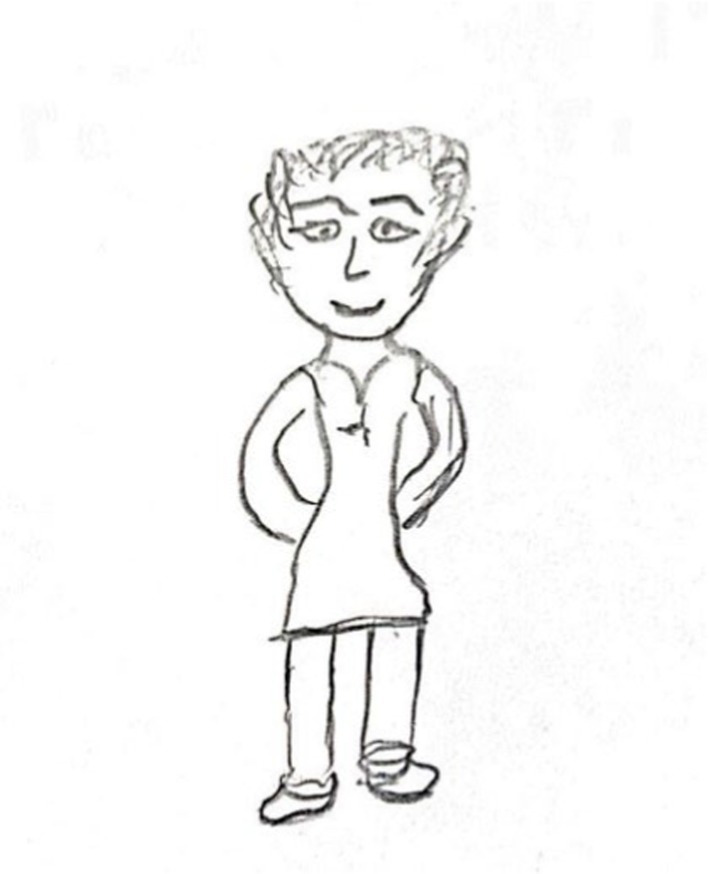 Figure 2
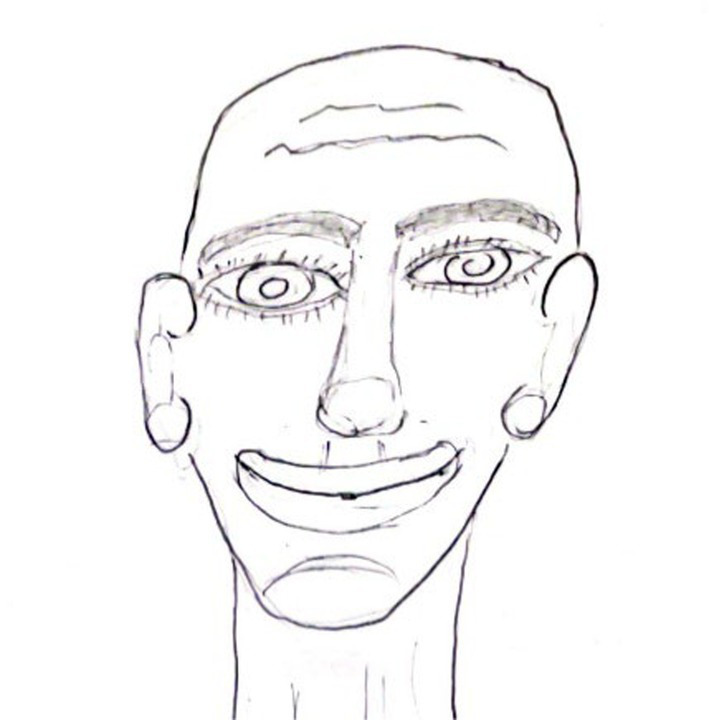 Figure 3
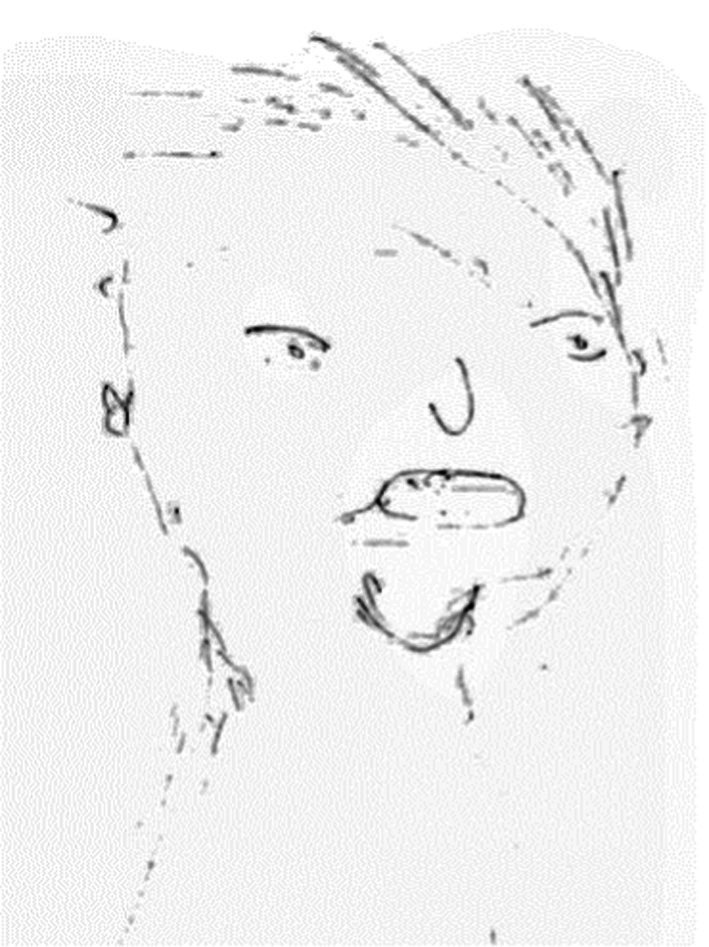 Figure 4
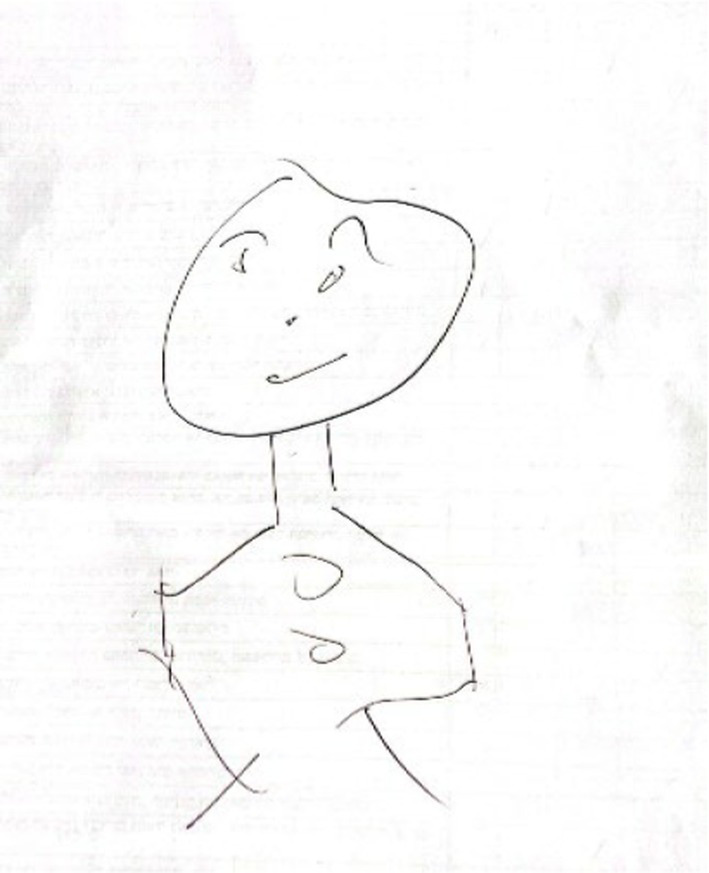 Figure 5
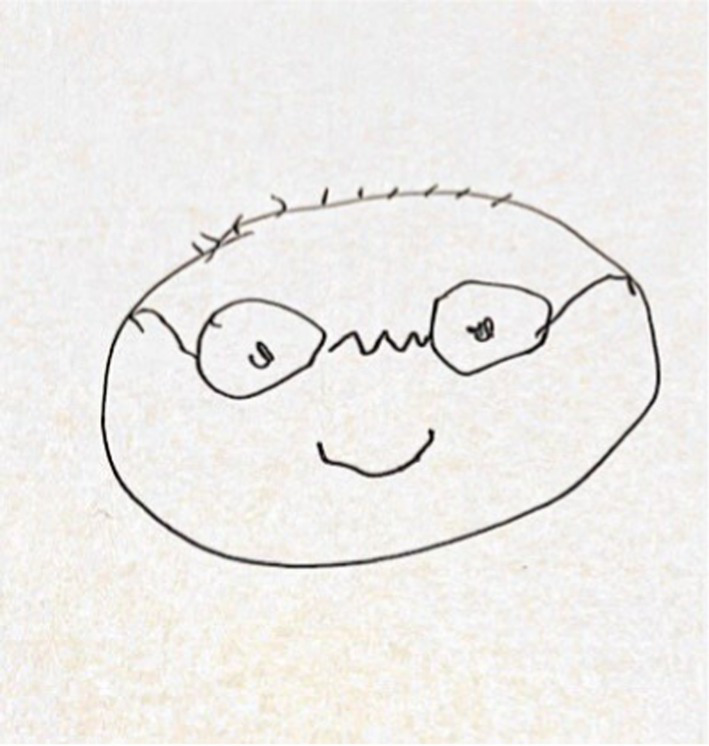 Figure 6
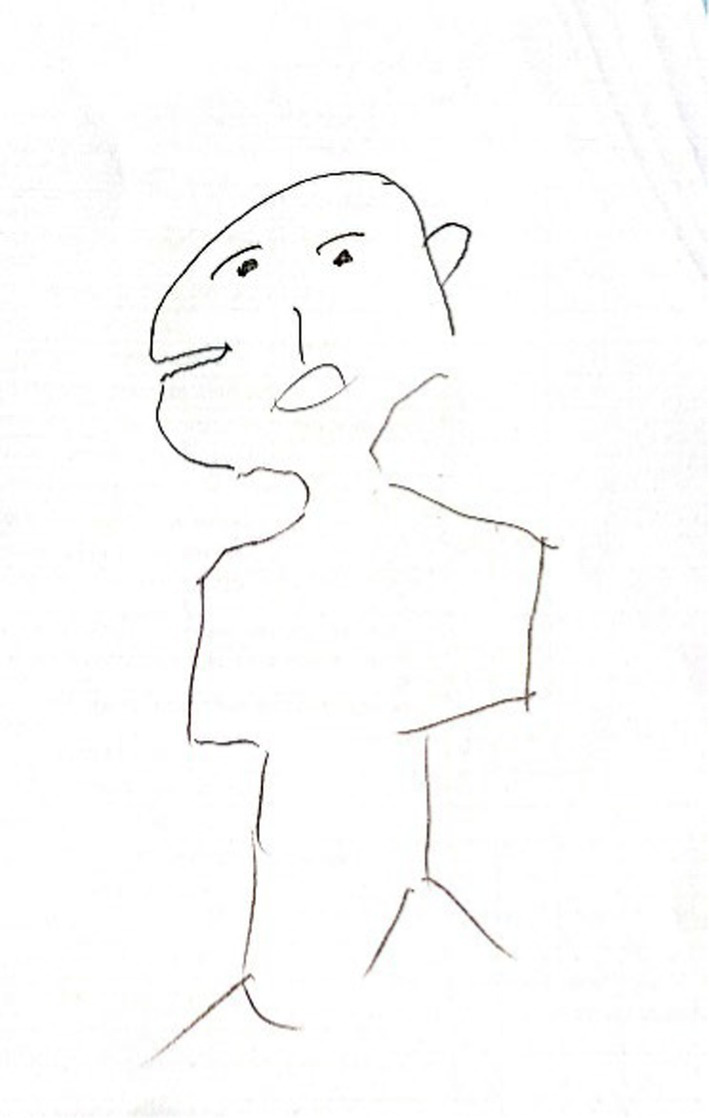 Figure 7
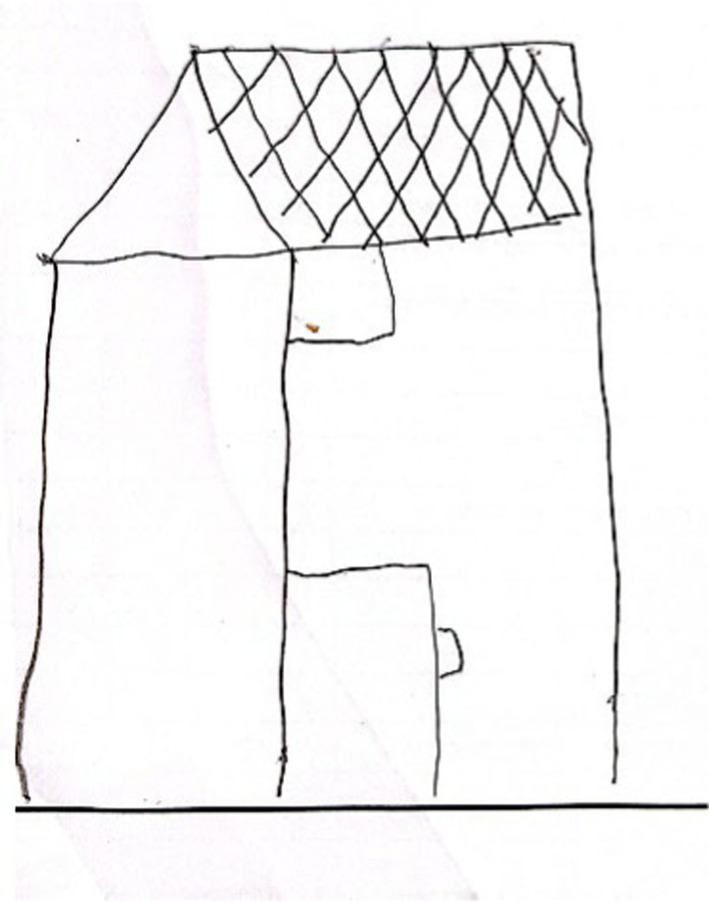 Figure 8
Peer Reviews
No public reviews on file for this paper yet. If you reviewed it on a platform where reviews are public (OpenReview, ICLR, NeurIPS, ICML), you can paste yours below so the community can read it here.
Videos
No videos yet. Explain this paper in a talk, walkthrough, or lecture? Add one.
Taxonomy
TopicsIdentity, Memory, and Therapy · Psychological Testing and Assessment · Dementia and Cognitive Impairment Research