Optimal exercise temporal parameters of Traditional Chinese Exercises for cognitive function of older adults with mild cognitive impairment: a systematic review and dose–response meta-analysis of randomized controlled trials
Qingpan Wen, Qin Luo, Yangjun Liu, Lu Li, Marcin Białas, Dominika Wilczyńska

TL;DR
This study finds that Traditional Chinese Exercises improve cognitive function in older adults with mild cognitive impairment, with optimal results at specific exercise durations and frequencies.
Contribution
The study provides a dose–response meta-analysis revealing nonlinear relationships between exercise parameters and cognitive improvement in MCI patients.
Findings
TCEs significantly improved cognitive function in older adults with MCI, as measured by MoCA and MMSE.
Optimal cognitive improvements occur at specific exercise durations (45 min) and frequencies (3 times per week).
Nonlinear dose–response relationships were observed, following a “Λ”-shaped curve for most parameters.
Abstract
Mild cognitive impairment (MCI) is characterized by a progressive decline in memory and other cognitive functions, falling between normal cognition and dementia. Traditional Chinese Exercises (TCEs) have been proven effective for managing MCI. A dose–response meta-analysis was conducted to evaluate the correlation between exercise temporal parameters and their effectiveness in older adults with MCI. Randomized controlled trials (RCTs) on TCEs for MCI were searched across eight databases from their inception to September 2024. Literature was screened based on inclusion and exclusion criteria. Data from the selected studies were extracted, and the risk of bias was assessed using the RoB2 tool. The quality of the included studies was evaluated using the PEDro scale. The visualizations were conducted using the “robvis” package in R 4.3.3 software, while Stata 15.0 software was used to…
Genes, proteins, chemicals, diseases, species, mutations and cell lines named across the full text — each resolved to its canonical identifier and authoritative record.
Click any figure to enlarge with its caption.
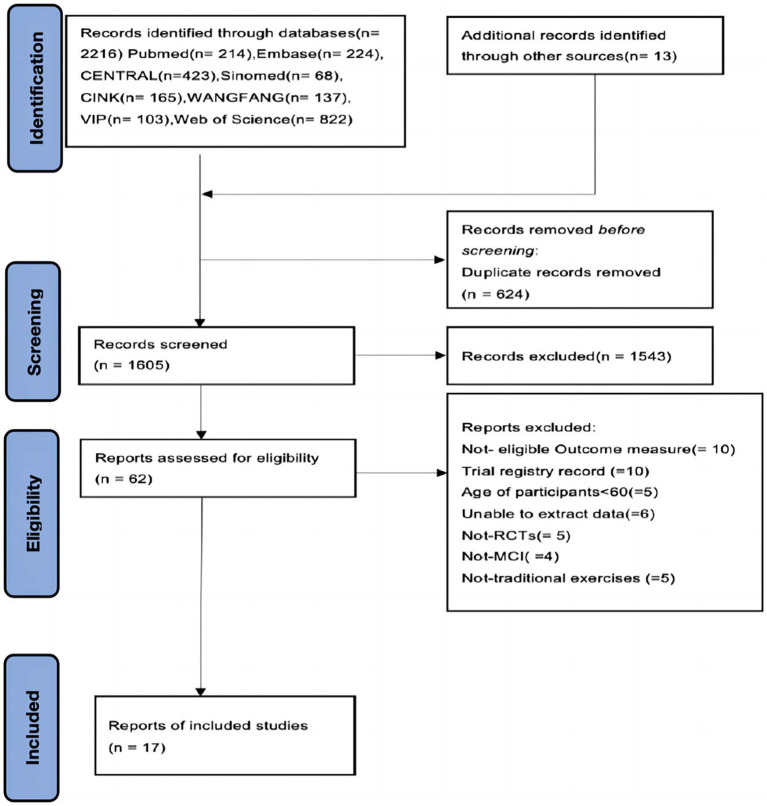 Figure 1
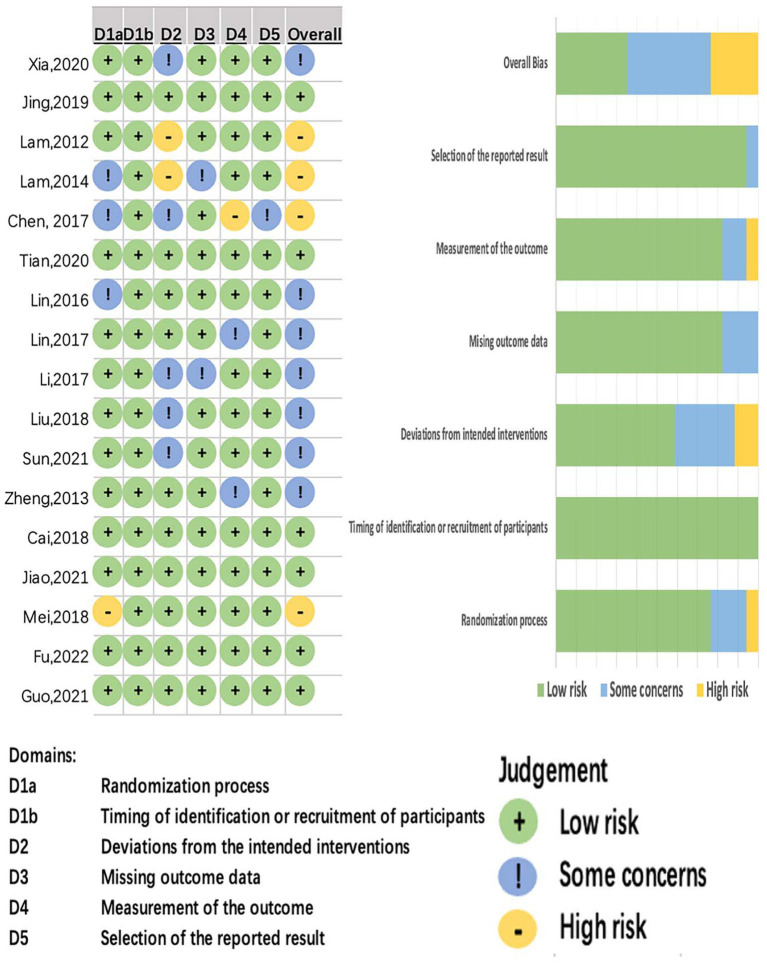 Figure 2
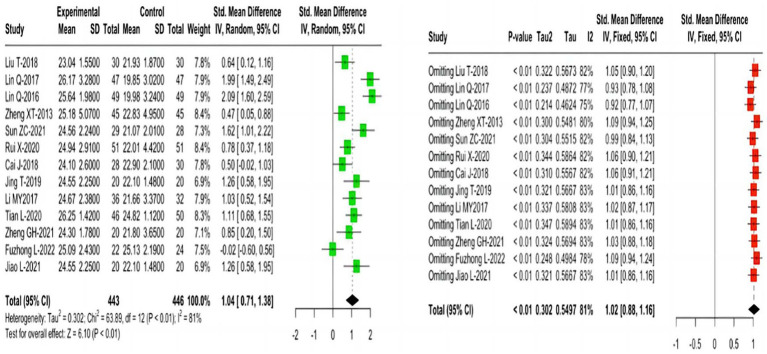 Figure 3
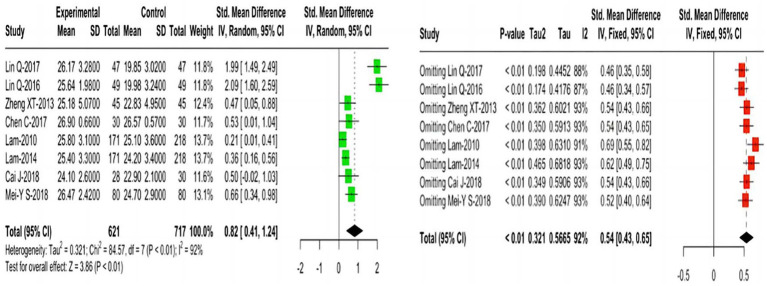 Figure 4
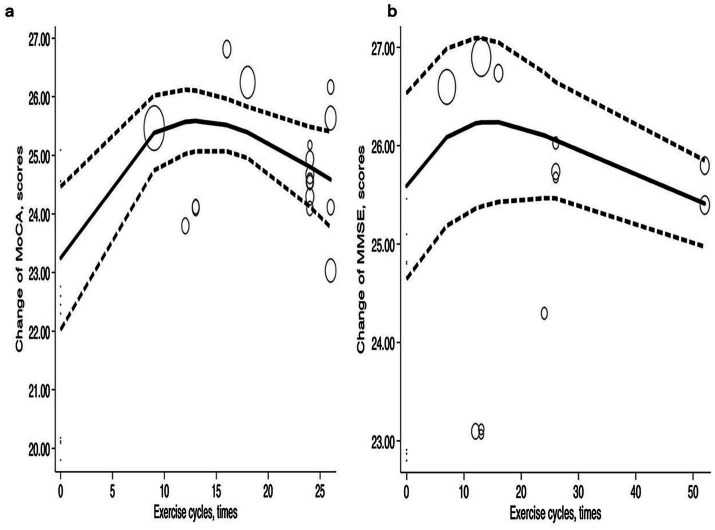 Figure 5
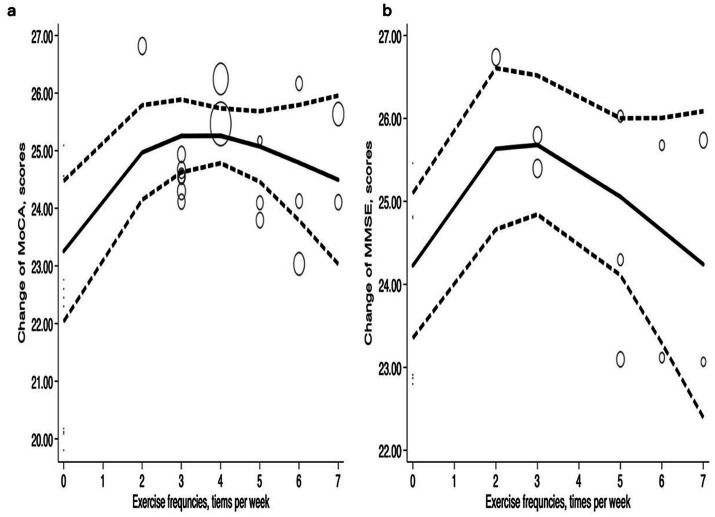 Figure 6
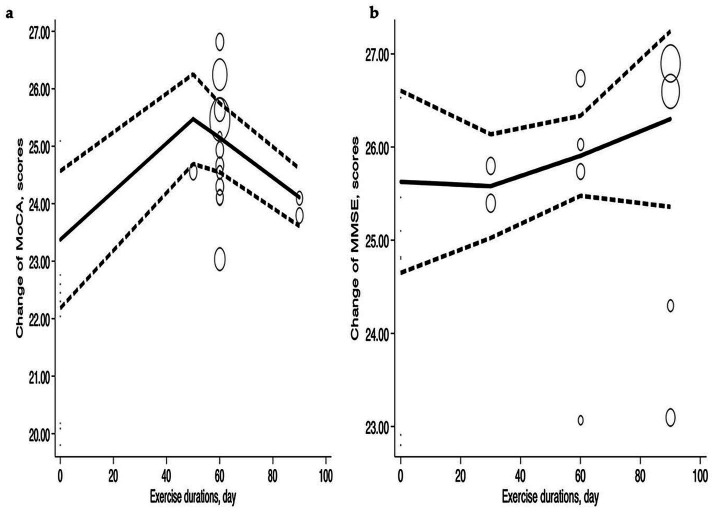 Figure 7
Peer Reviews
No public reviews on file for this paper yet. If you reviewed it on a platform where reviews are public (OpenReview, ICLR, NeurIPS, ICML), you can paste yours below so the community can read it here.
Videos
No videos yet. Explain this paper in a talk, walkthrough, or lecture? Add one.
Taxonomy
TopicsStroke Rehabilitation and Recovery · Dementia and Cognitive Impairment Research · Neurological Disease Mechanisms and Treatments