Relationship troubles at the mitochondrial level and what it might mean for human disease
Rachel James

TL;DR
This paper explores how mitochondria, originally prokaryotic cells, play a key role in health and disease, suggesting a new perspective on biomedical research.
Contribution
The paper introduces a novel viewpoint by framing mitochondrial function within the context of endosymbiosis to better understand disease.
Findings
Mitochondria are central to cell function and are involved in most diseases.
A biomedical approach focusing solely on the genome may overlook mitochondrial contributions to health.
Reframing disease through the lens of endosymbiosis could improve explanations and treatments.
Abstract
Understanding and treating disease depend upon our knowledge of how the body works. The biomedical approach to disease describes health purely in terms of biological factors, with a focus on the genome as the molecular basis for cellular function and dysfunction in disease. However, the eukaryotic cell has evolved as a partnership between prokaryotic cells with mitochondria being crucial to this relationship. Aside from their role as bioenergetic and biosynthetic hubs, mitochondria are also involved in cell signalling and cell fate pathways, playing a multifaceted role in cell function and health. Crucially, mitochondria are implicated in most diseases. Perhaps then, visualizing biomedical function on the backdrop of endosymbiosis may provide another viewpoint for explaining and treating disease.
Genes, proteins, chemicals, diseases, species, mutations and cell lines named across the full text — each resolved to its canonical identifier and authoritative record.
Click any figure to enlarge with its caption.
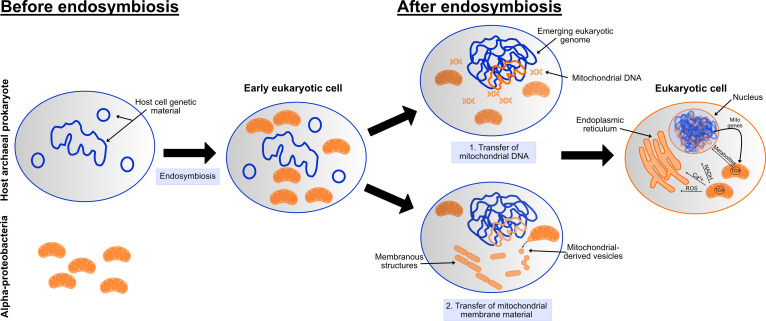 Figure 1
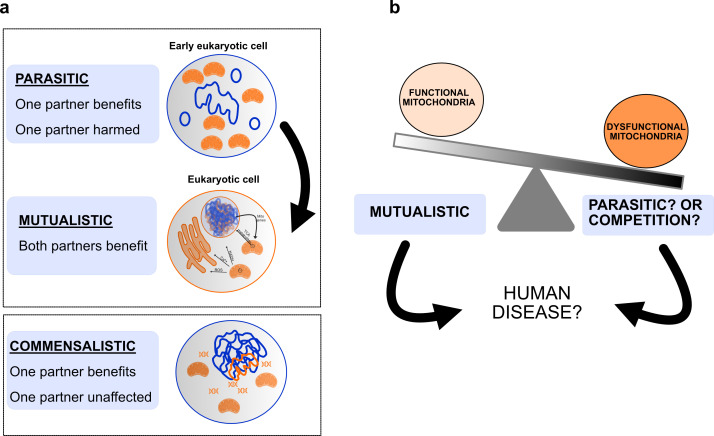 Figure 2
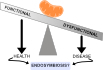 Figure 3
Peer Reviews
No public reviews on file for this paper yet. If you reviewed it on a platform where reviews are public (OpenReview, ICLR, NeurIPS, ICML), you can paste yours below so the community can read it here.
Videos
No videos yet. Explain this paper in a talk, walkthrough, or lecture? Add one.
Taxonomy
TopicsMitochondrial Function and Pathology · Metabolomics and Mass Spectrometry Studies · Genetic Neurodegenerative Diseases