Investigating the paternal genetic structure and migration history of Chinese Qiang minority by Y-chromosome short tandem repeats
Guang-Yao Fan, Ying Zhu, En-Na Wang, Tian-Ge Ju

TL;DR
This study explores the paternal genetic structure and migration history of the Chinese Qiang minority using Y-chromosome data.
Contribution
The study reveals new insights into the paternal genetic landscape and migration patterns of Qiang subgroups using Y-STR loci and machine learning.
Findings
The Qiang subgroups show distinct genetic affinities compared to neighboring ethnic groups in the Tibetan-Yi corridor.
Wenchuan Qiang populations are historically linked to ancient populations in the West Liao River region.
Bidirectional migration is common among Qiangic populations, with unidirectional migration observed from Wenchuan to Li County.
Abstract
Known for its legendary history and peculiar culture, Chinese Qiang minority aroused interest among geneticists and anthropologists. However, the paternal genetic landscape of its sub-branches coupled with its migration history has never been uncovered. In this study, 37 Y-chromosomal short tandem repeat (Y-STR) loci of three Qiang ethnic groups (N = 564) were investigated to shed light on their paternal genetic landscape. The phylogenetic reconstruction among 29 populations was conducted based on their Y-chromosomal haplotypes. The genetic affinities of the four different Qiang subgroups exhibited obviously variant when compared with Han, Yi or Tibetan in Tibetan-Yi corridor. Based on machine learning method, the predicted Y chromosome haplogroups demonstrated the predominance of O2a1 and O2a2. The haplogroup distributions were compared among 40 contemporary ethnic groups in West China…
Genes, proteins, chemicals, diseases, species, mutations and cell lines named across the full text — each resolved to its canonical identifier and authoritative record.
Click any figure to enlarge with its caption.
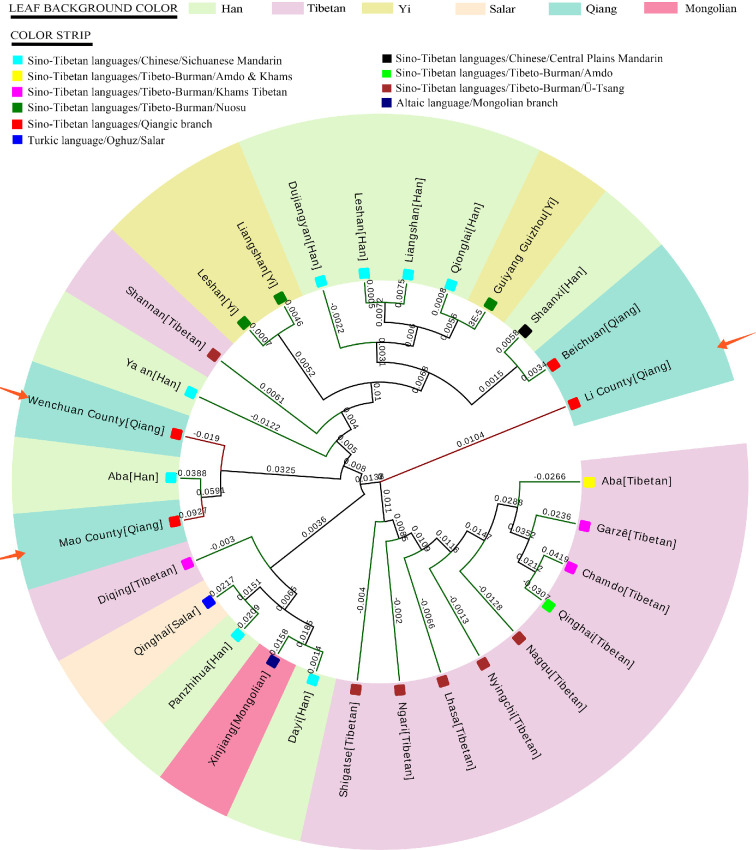 Figure 1
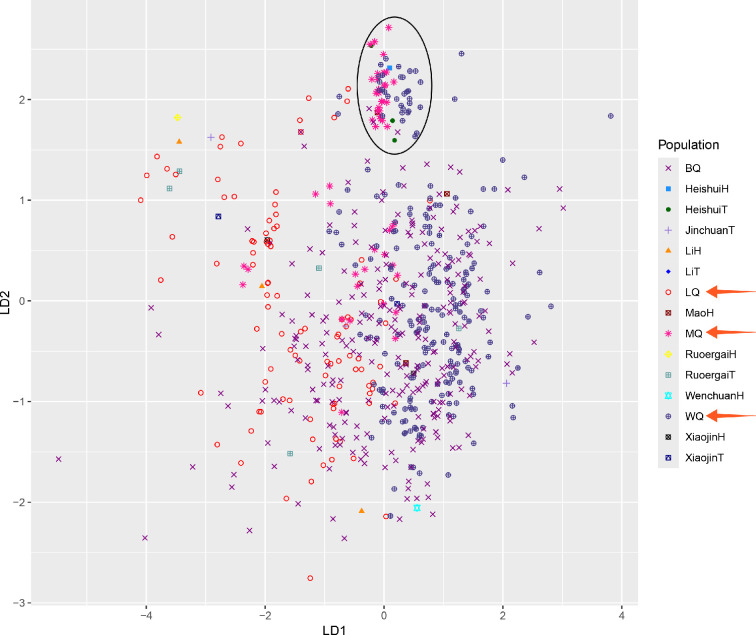 Figure 2
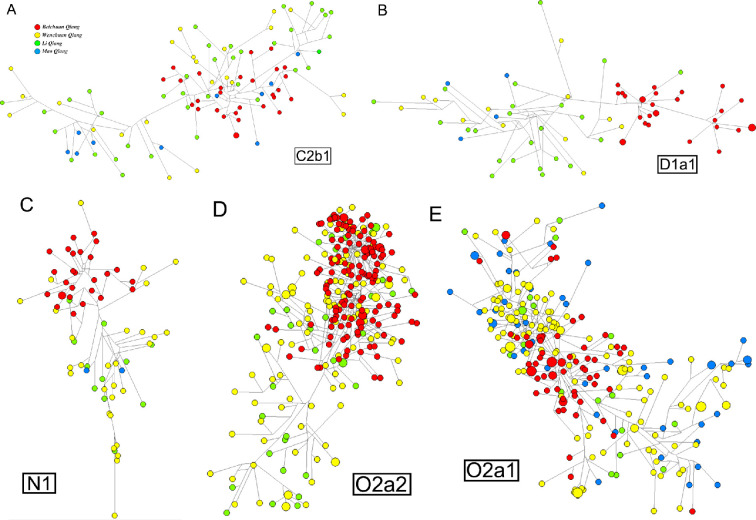 Figure 3
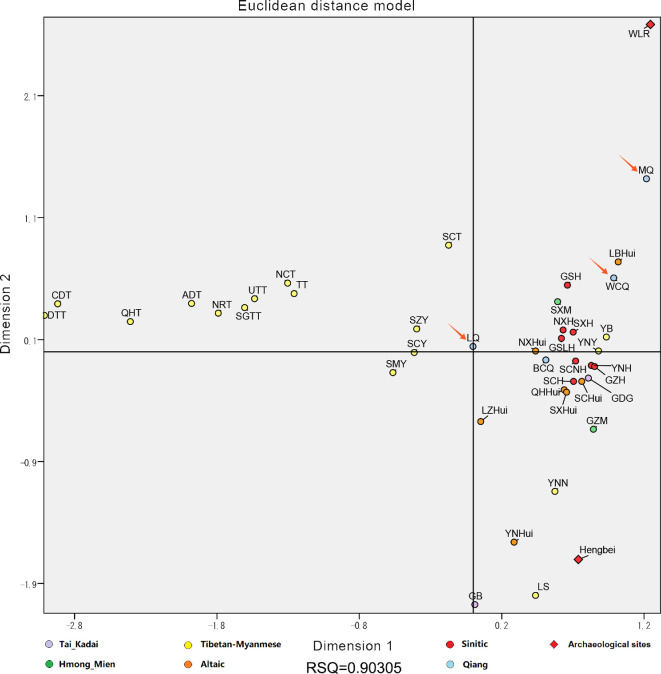 Figure 4
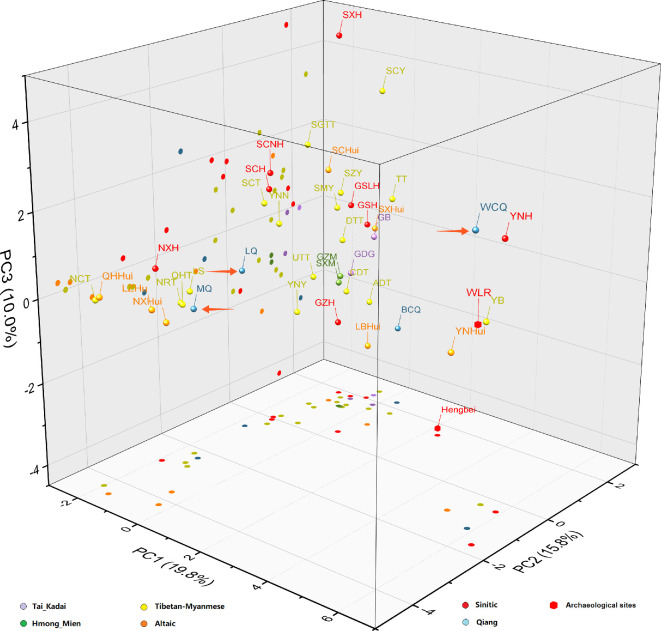 Figure 5
Peer Reviews
No public reviews on file for this paper yet. If you reviewed it on a platform where reviews are public (OpenReview, ICLR, NeurIPS, ICML), you can paste yours below so the community can read it here.
Videos
No videos yet. Explain this paper in a talk, walkthrough, or lecture? Add one.
Taxonomy
TopicsForensic and Genetic Research · Genetic diversity and population structure · Race, Genetics, and Society