May-Thurner Syndrome: Is It on Our Radar?
Moazzma Ifzaal, Saba B Bawan, Danielle L Dsouza, Olufunbi Kupoluyi, Ahmed Malik, Muhammad Uzair Ilyas, Hifza Habib, Abdul Manan

TL;DR
May-Thurner Syndrome, a vascular condition causing vein compression, can lead to dangerous blood clots and should be considered in older women with unexplained symptoms.
Contribution
The paper highlights MTS as a potential differential diagnosis for unprovoked DVT and PE in older women.
Findings
MTS was identified in a 61-year-old woman with unprovoked DVT and PE.
The case suggests MTS should be considered in similar clinical presentations.
Abstract
May-Thurner syndrome (MTS) is a vascular condition in which the right iliac artery compresses the left iliac vein against the lumbar spine. MTS can present as either acute or chronic deep vein thrombosis (DVT), which may lead to pulmonary embolism (PE). We present the case of a 61-year-old female with a medical history of unprovoked DVT on rivaroxaban, who presented with pain and swelling of the left lower limb, associated with shortness of breath for two weeks. Radiological investigations confirmed DVT with unilateral MTS involving the left common iliac vein. Therefore, MTS should be considered as a differential diagnosis in older women presenting with DVT and PE, particularly in cases of recurrence or other unprovoked thromboembolic events.
Genes, proteins, chemicals, diseases, species, mutations and cell lines named across the full text — each resolved to its canonical identifier and authoritative record.
Click any figure to enlarge with its caption.
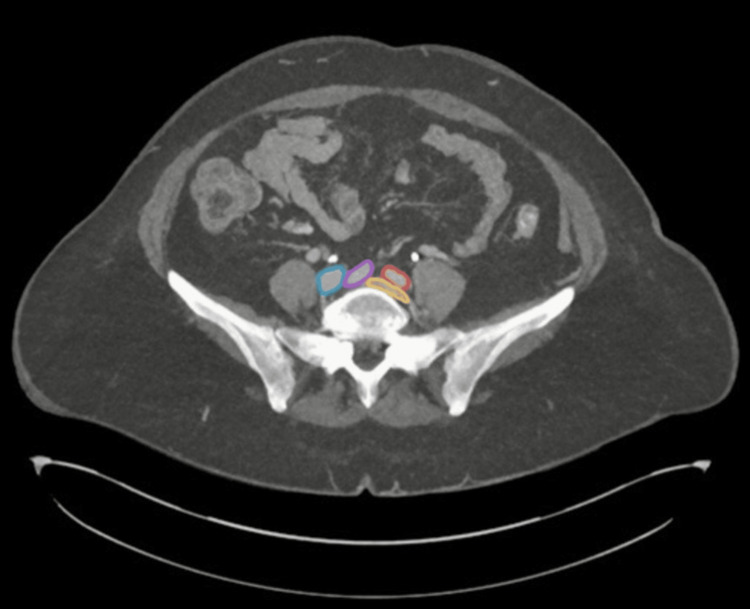 Figure 1
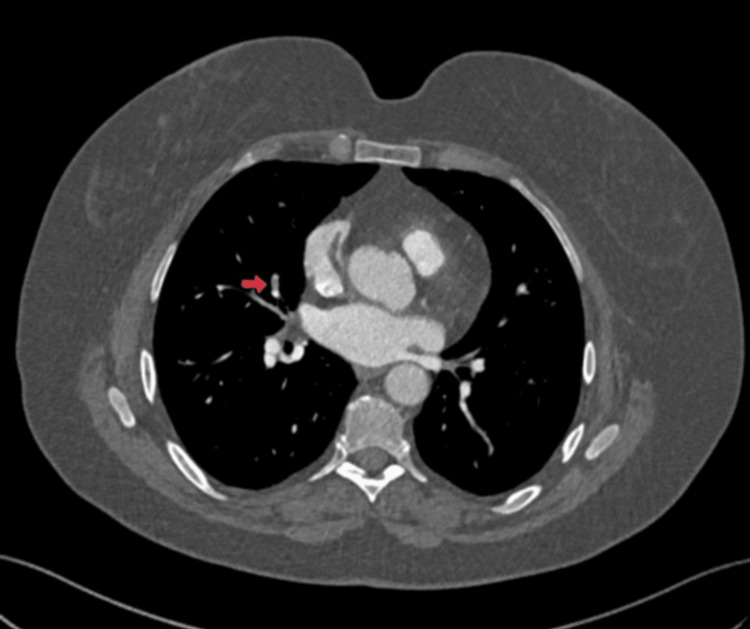 Figure 2
Peer Reviews
No public reviews on file for this paper yet. If you reviewed it on a platform where reviews are public (OpenReview, ICLR, NeurIPS, ICML), you can paste yours below so the community can read it here.
Videos
No videos yet. Explain this paper in a talk, walkthrough, or lecture? Add one.
Taxonomy
TopicsVenous Thromboembolism Diagnosis and Management · Cardiac, Anesthesia and Surgical Outcomes · Hospital Admissions and Outcomes