Sizing up competition with strigolactones: the case of pea plants
Bianca Bonato, Tom Bennett, Emanuele Cannizzo, Sara Avesani, Silvia Guerra, Umberto Castiello

TL;DR
Pea plants adjust their climbing behavior based on neighbors, using chemical signals called strigolactones to sense and respond to their environment.
Contribution
This study reveals how strigolactone synthesis and perception influence climbing behavior in pea plants through social context.
Findings
SL-deficient mutants increased movement velocity in social conditions, showing enhanced exploratory behavior.
SL-insensitive mutants exhibited slower, disoriented movements when paired with other plants.
Wild-type plants adjusted climbing behavior socially, increasing movement velocity with a careful approach.
Abstract
Plants, though sessile, can detect and respond to their neighbors through chemical signals such as strigolactones (SLs). We investigated how SL synthesis and perception affect the climbing behavior of Pisum sativum by analyzing wild-type plants and two SL-related mutants—rms1–1 (SL-deficient) and rms3–1 (SL-insensitive) – grown either alone or paired with a plant of a different genotype but of the same genetic background. Using 3D kinematic analysis, we quantified the circumnutation and attachment dynamics. Our results show that social context significantly modulated climbing behavior. rms1–1 mutants, although unable to grasp the support, showed increased movement velocity in social conditions, suggesting enhanced exploratory behavior. In contrast, rms3–1 mutants exhibited slower, disoriented movements when paired, indicating impaired neighbor perception. Wild-type plants successfully…
Genes, proteins, chemicals, diseases, species, mutations and cell lines named across the full text — each resolved to its canonical identifier and authoritative record.
Click any figure to enlarge with its caption.
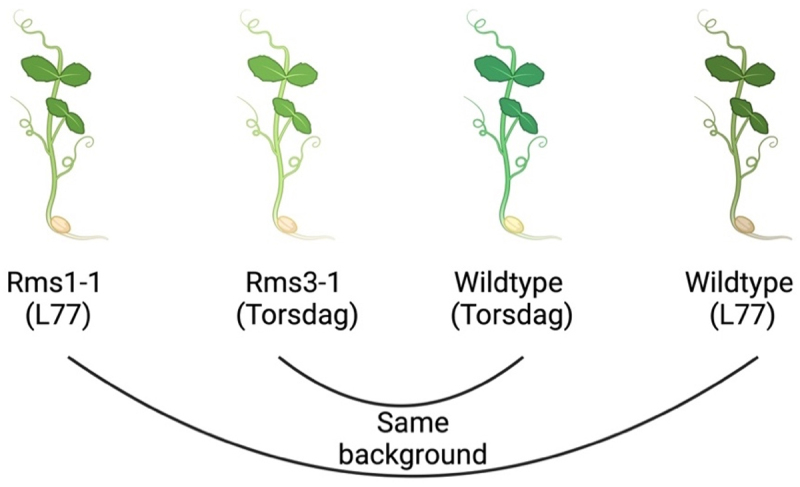 Figure 1
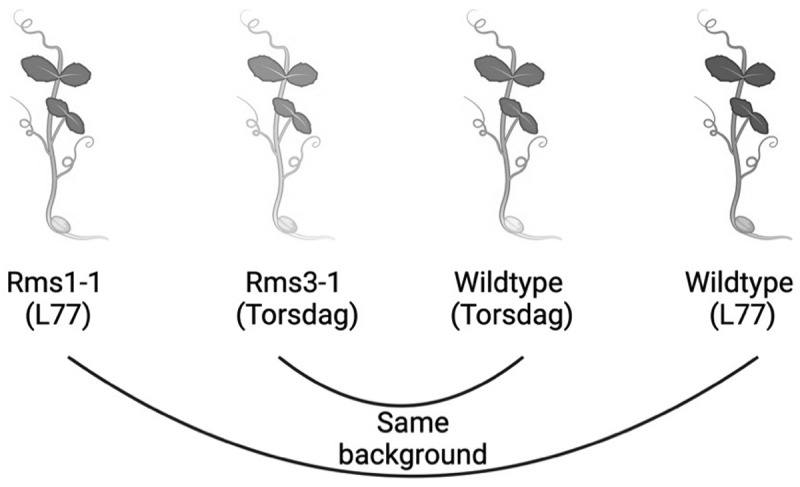 Figure 2
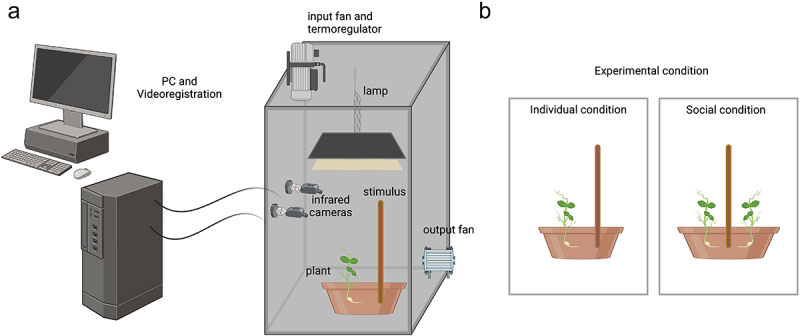 Figure 3
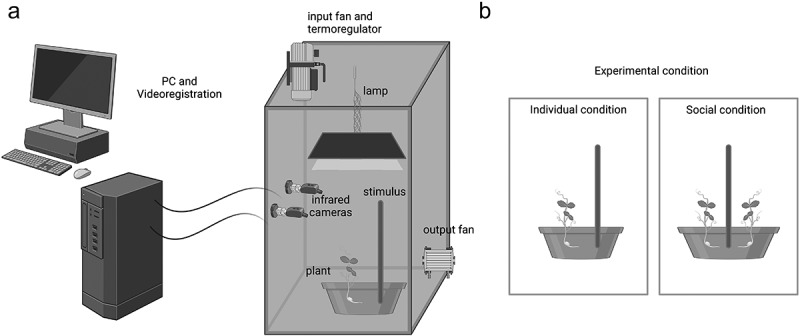 Figure 4
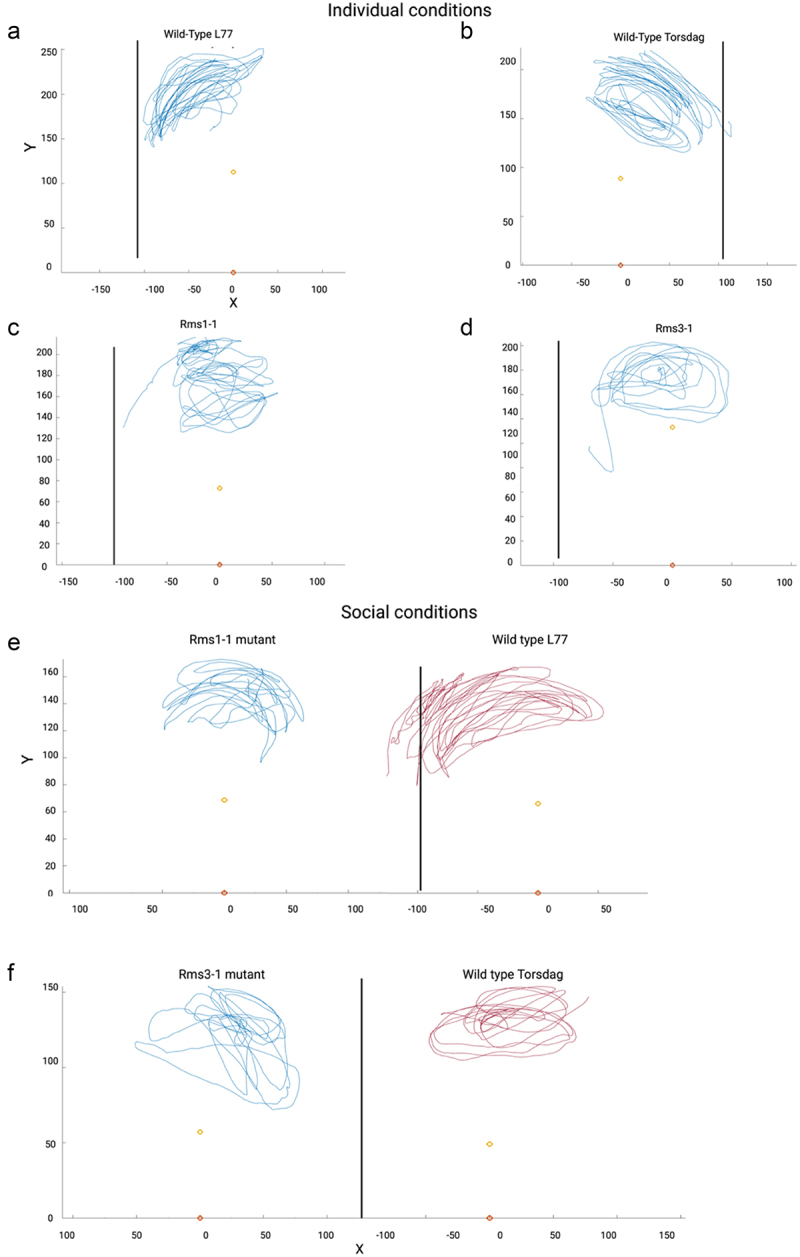 Figure 5
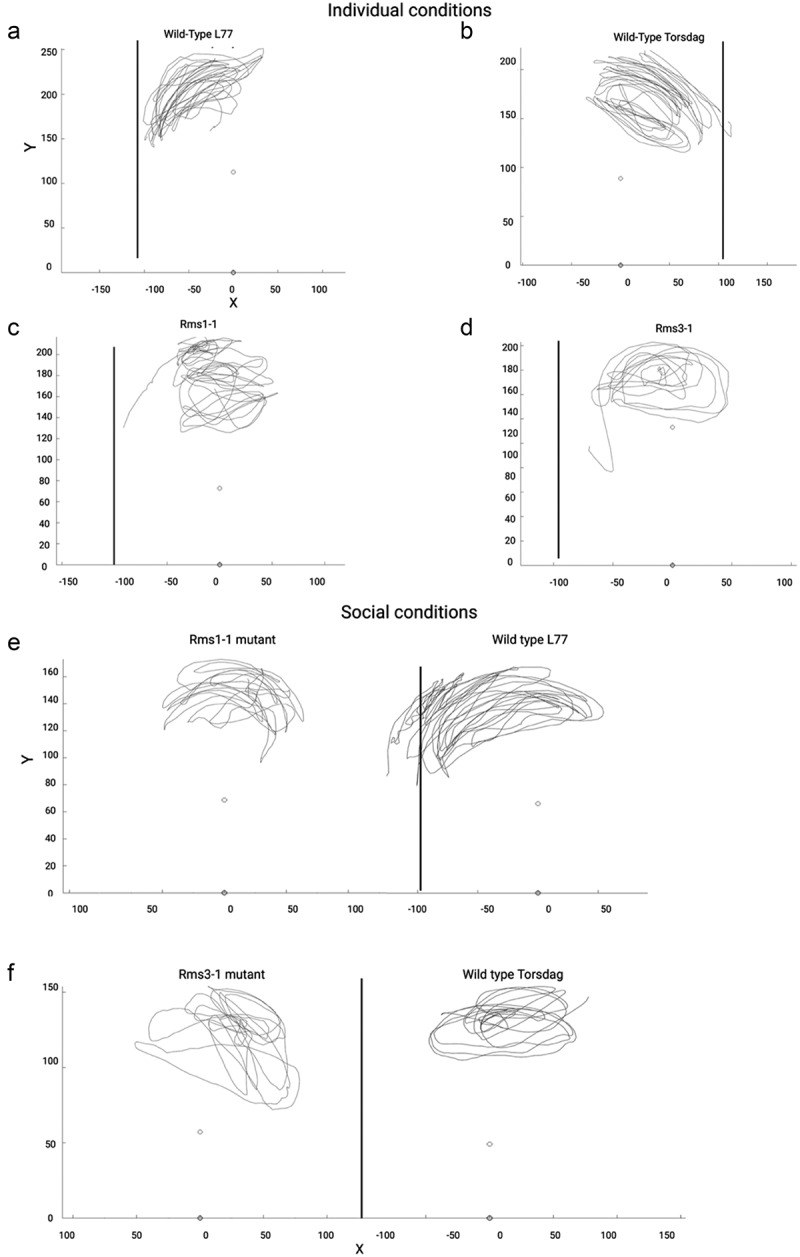 Figure 6
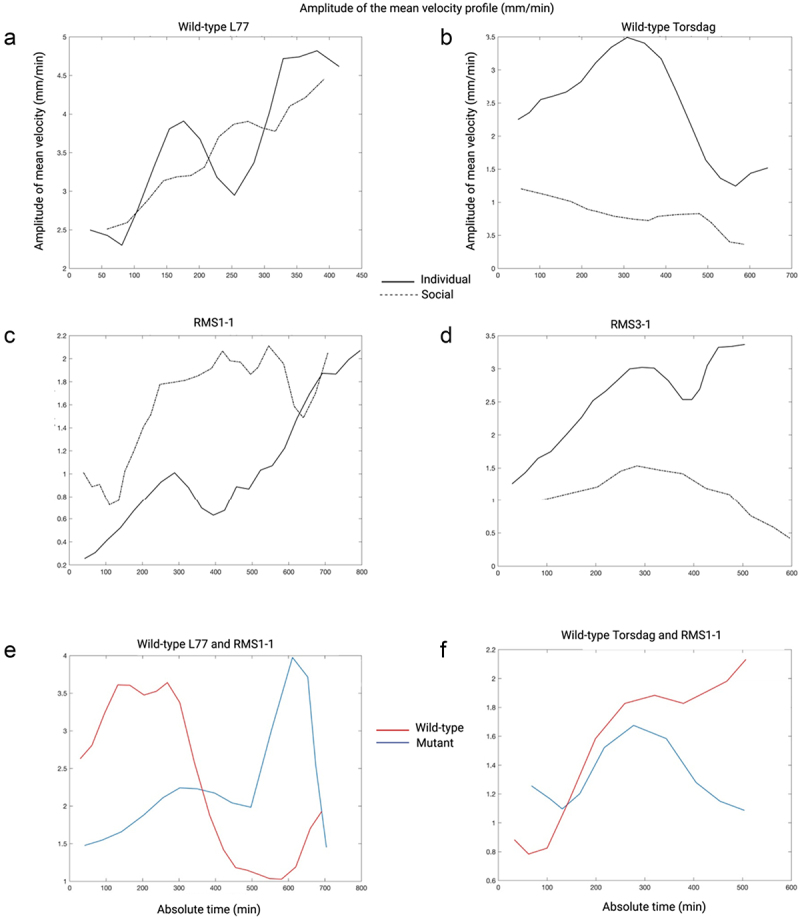 Figure 7
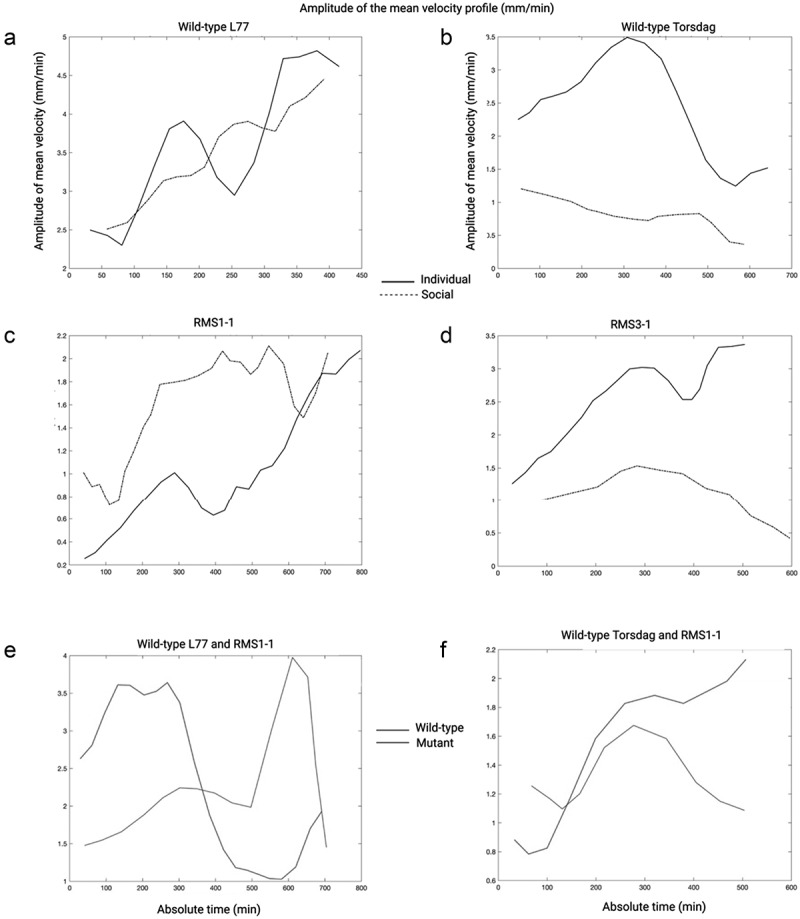 Figure 8
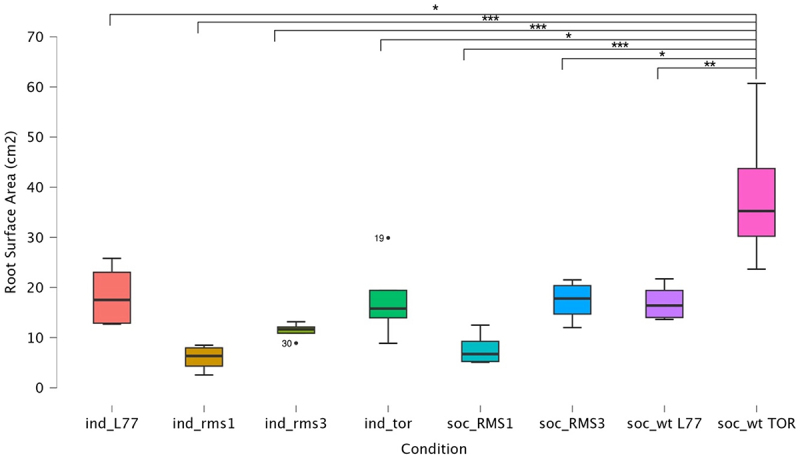 Figure 9
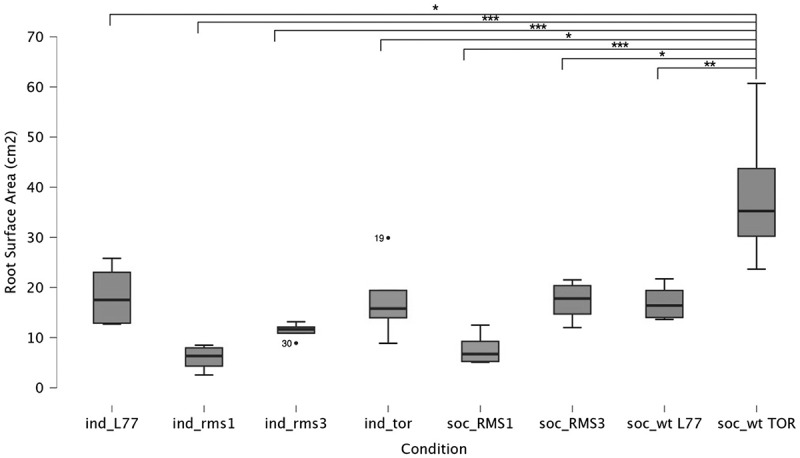 Figure 10
Peer Reviews
No public reviews on file for this paper yet. If you reviewed it on a platform where reviews are public (OpenReview, ICLR, NeurIPS, ICML), you can paste yours below so the community can read it here.
Videos
No videos yet. Explain this paper in a talk, walkthrough, or lecture? Add one.
Taxonomy
TopicsPlant Parasitism and Resistance · Plant Molecular Biology Research · Plant and animal studies