Seminal vesicle protein caCA12 in Corydoras aeneus inhibits sperm motility for sperm drinking
Junki Yoshida, Maho Yamamoto, Junki Kamiya, Akinaga Kondo, Yukihito Sakaguchi, Nanami Morino, Takako Saito, Masanori Kohda, Satoshi Awata, Ban Sato, Kenji Miyado, Natsuko Kawano

TL;DR
A protein in fish seminal fluid stops sperm from moving until they are near the female's eggs, aiding a unique reproductive behavior.
Contribution
Identified and characterized a seminal vesicle protein, caCA12, that inhibits sperm motility in Corydoras aeneus.
Findings
Seminal vesicle fluid in Corydoras aeneus strongly suppresses sperm motility.
The protein caCA12, derived from carbonic anhydrase 12, is responsible for inhibiting sperm movement.
The 33 kDa polypeptide of caCA12 containing the CA domain specifically inhibits sperm motility.
Abstract
Seminal vesicle (SV) secretions enhance fertilization by regulating sperm motility and fertilization capacity, and by forming plugs that prevent mating with other males. Although SVs are rare in teleosts, certain species, such as Corydoras spp., do possess them. In Corydoras spp. and other species that exhibit sperm drinking or related behaviors, females attach their mouths to the males' genital pore to ingest semen, a reproductive behavior known as sperm drinking. However, the major proteins and functions of seminal vesicle fluid (SVF) in Corydoras remain unidentified. This study aimed to identify the SVF proteins in Corydoras aeneus and clarify the functions of the identified major SVF proteins. The SVF of this species was found to be highly viscous with a high protein concentration. Sperm motility was strongly suppressed in the presence of the SVF. We identified three SVF proteins –…
Genes, proteins, chemicals, diseases, species, mutations and cell lines named across the full text — each resolved to its canonical identifier and authoritative record.
Click any figure to enlarge with its caption.
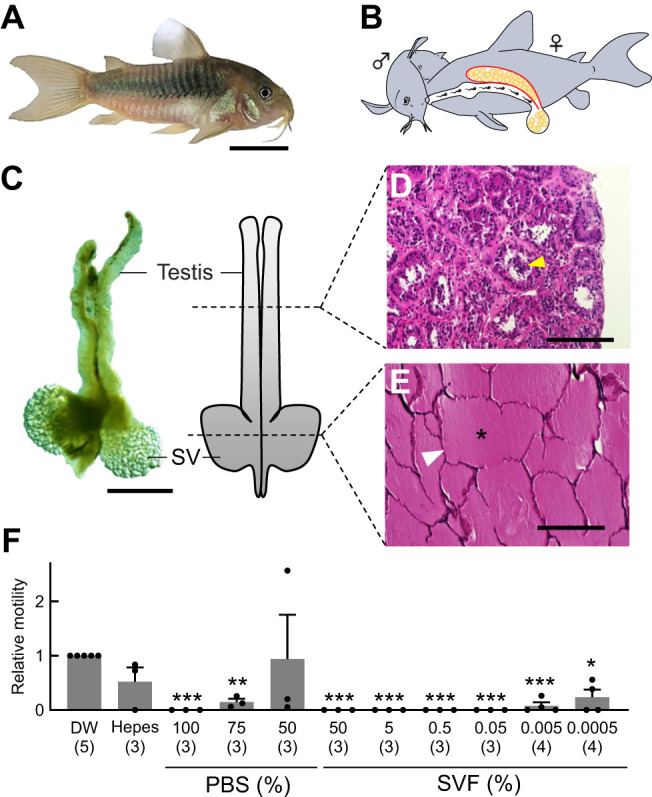 Figure 1
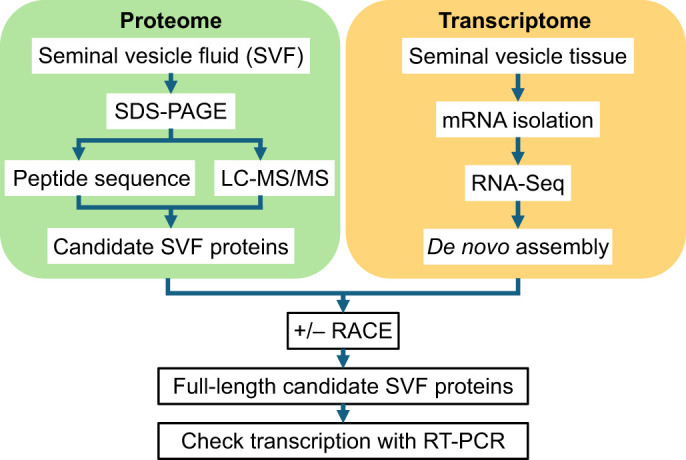 Figure 2
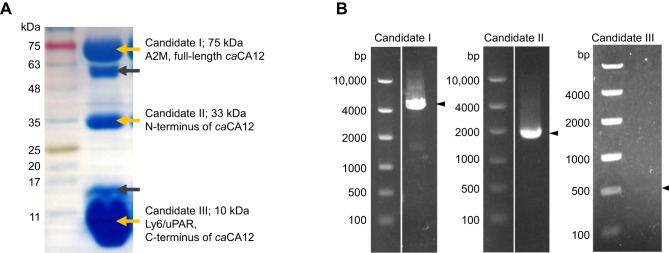 Figure 3
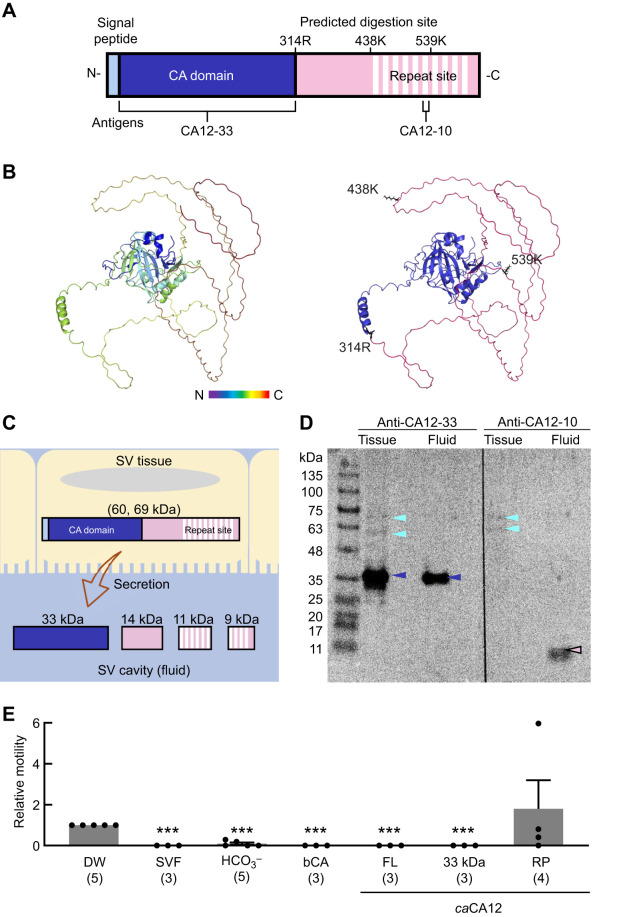 Figure 4
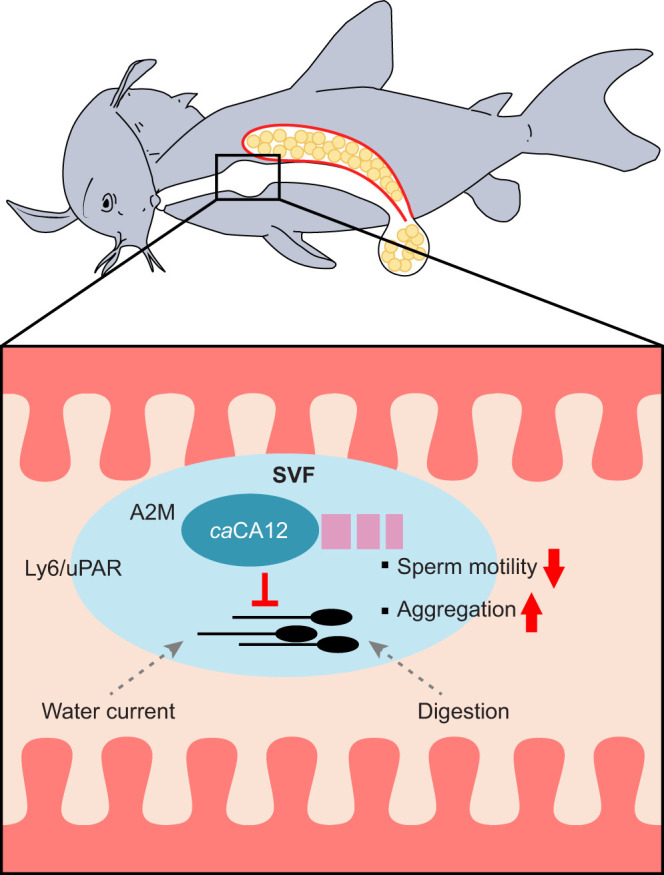 Figure 5
Peer Reviews
No public reviews on file for this paper yet. If you reviewed it on a platform where reviews are public (OpenReview, ICLR, NeurIPS, ICML), you can paste yours below so the community can read it here.
Videos
No videos yet. Explain this paper in a talk, walkthrough, or lecture? Add one.
Taxonomy
TopicsSperm and Testicular Function · Animal Behavior and Reproduction · Reproductive biology and impacts on aquatic species