Hypertensive crisis: Insights into prevalence and associated factors at a tertiary care facility in Zambia
Lukundo Siame, Mbulazi B. Kabeta, Gift C. Chama, Lweendo Muchaili, Ceaser Wankumbu Silumbwe, Benson M. Hamooya, Bislom C. Mweene, Situmbeko Liweleya, Sydney Mulamfu, Joreen P. Povia, Sepiso K. Masenga, Yuvaraj Krishnamoorthy, Yuvaraj Krishnamoorthy, Yuvaraj Krishnamoorthy

TL;DR
This study found that nearly 19% of patients at a Zambian hospital had a hypertensive crisis, with non-adherence to medication being a major risk factor.
Contribution
The study provides new insights into the prevalence and risk factors for hypertensive crisis in a resource-limited setting in Zambia.
Findings
The prevalence of hypertensive crisis was 18.9% among patients at the hospital.
Non-adherence to hypertension medication increased the risk of a hypertensive crisis by 6.3 times.
Employed individuals were 3.94 times more likely to experience a hypertensive crisis than unemployed individuals.
Abstract
Hypertensive crisis, including hypertensive emergency (with target organ damage) and hypertensive urgency (without target organ damage), is a critical public health condition at Livingstone University Teaching Hospital (LUTH). Hypertensive crisis has been linked to severe complications, including stroke, renal failure, and heart disease, leading to increased mortality, morbidity, and healthcare costs due to intensive treatment, prolonged hospital stays, and long-term care. This study aimed to determine the prevalence and factors associated with hypertensive crisis among patients presenting at the adult medical emergency department at LUTH. This was a retrospective cross-sectional study conducted among 977 individuals aged ≥ 18 years who visited the facility between 1st January and 31st December 2021. Hypertensive crisis was defined as systolic BP ≥ 180 mmHg and diastolic BP ≥ 120 mmHg,…
Genes, proteins, chemicals, diseases, species, mutations and cell lines named across the full text — each resolved to its canonical identifier and authoritative record.
Click any figure to enlarge with its caption.
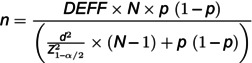 Figure 1
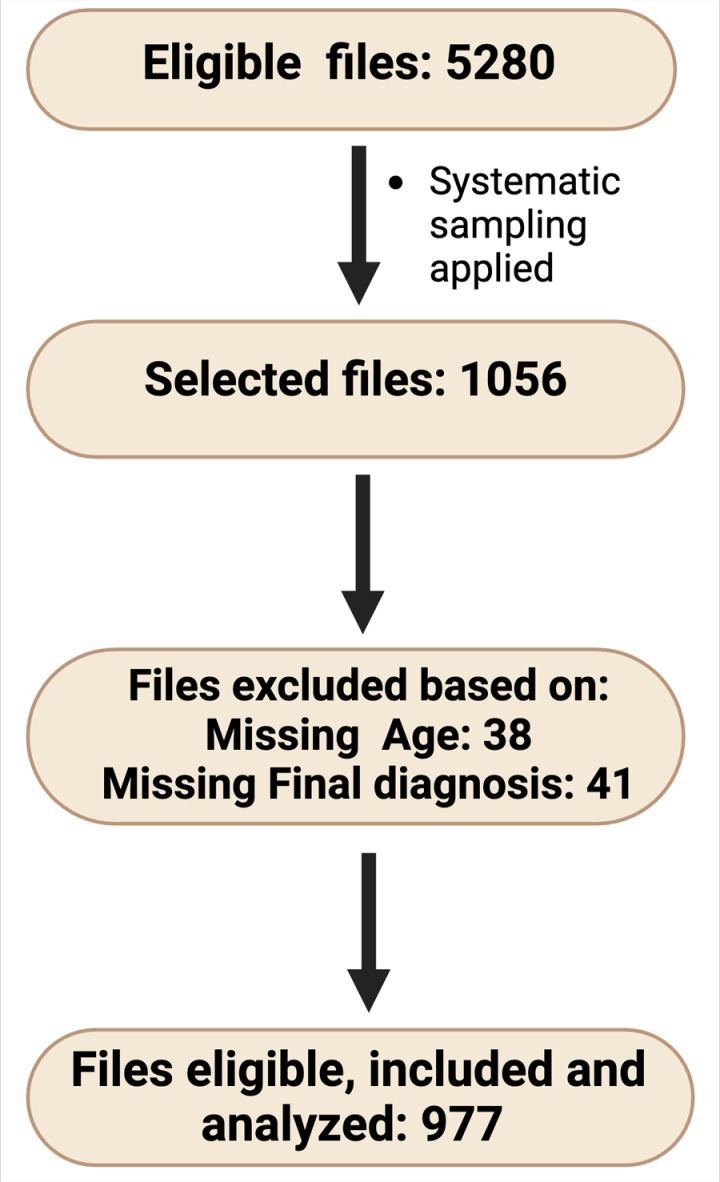 Figure 2
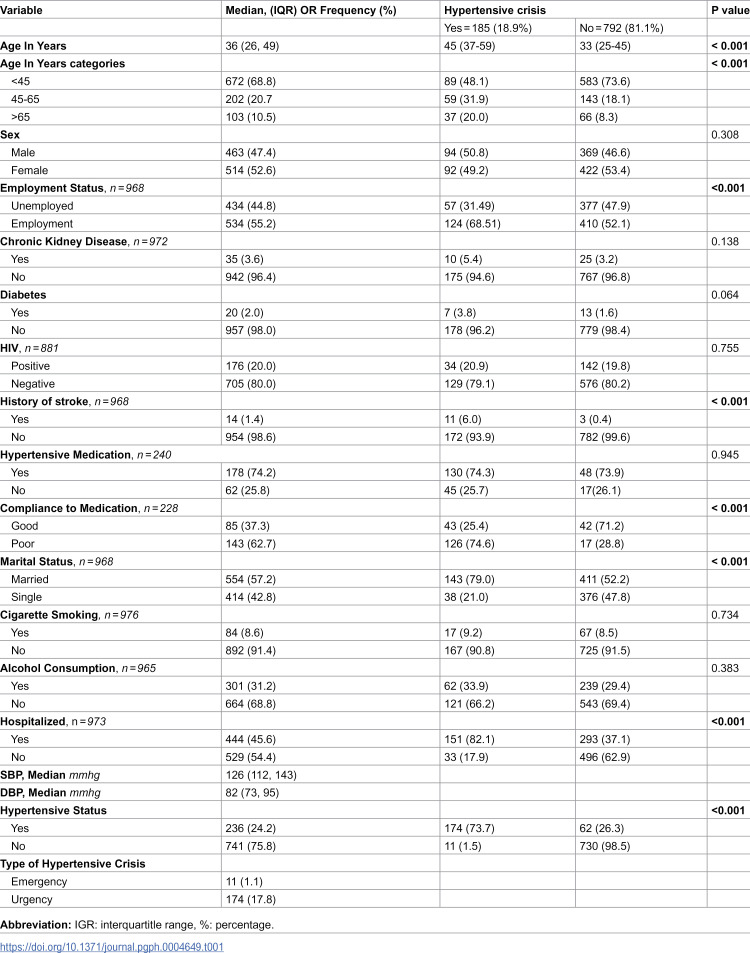 Figure 3
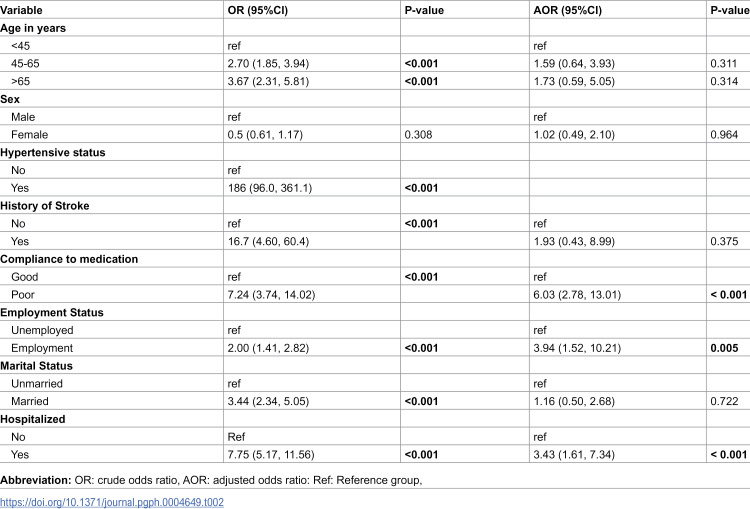 Figure 4
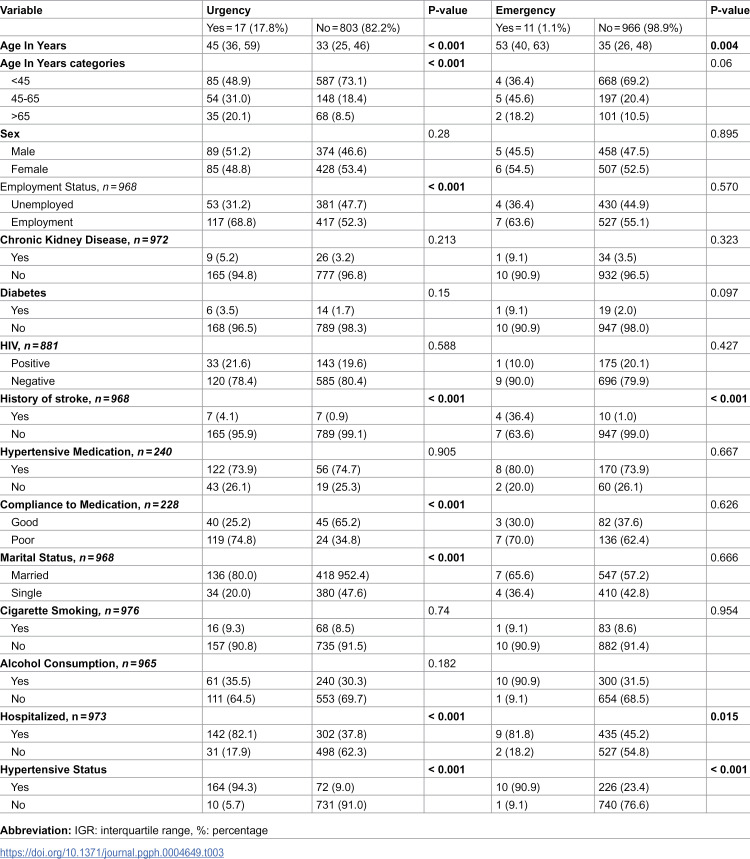 Figure 5
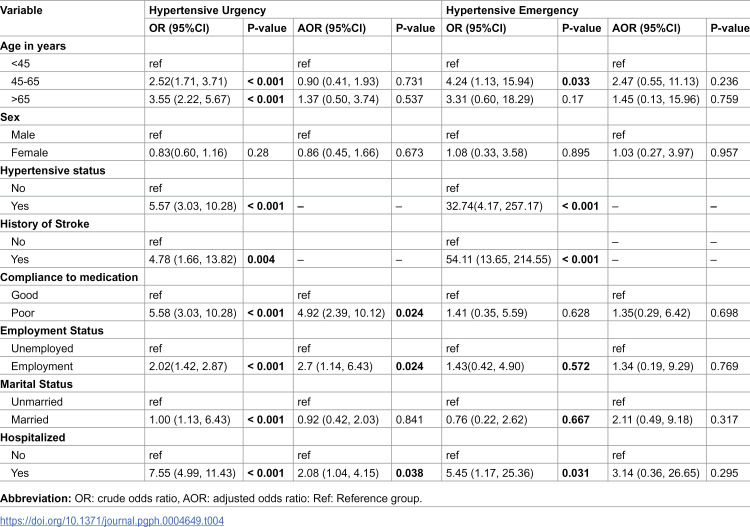 Figure 6
Peer Reviews
No public reviews on file for this paper yet. If you reviewed it on a platform where reviews are public (OpenReview, ICLR, NeurIPS, ICML), you can paste yours below so the community can read it here.
Videos
No videos yet. Explain this paper in a talk, walkthrough, or lecture? Add one.
Taxonomy
TopicsBlood Pressure and Hypertension Studies · Cardiac Health and Mental Health · Global Health Care Issues