Pattern of Deficient Mismatch Repair (dMMR)/ High Microsatellite Instability (MSI-H) Testing in India: A Questionnaire-Based Study
Amullya Pednekar, Sagar Bhagat, Saiprasad Patil, Nino Kurtsikidze, Hanmant Barkate

TL;DR
This study explores how often Indian oncologists use dMMR/MSI-H testing and what barriers they face in adopting these tests for cancer treatment decisions.
Contribution
The study provides insights into current practices and barriers of dMMR/MSI-H testing among Indian oncologists, highlighting preferences and challenges in test adoption.
Findings
Most oncologists prefer immunohistochemistry (IHC) as the first test for dMMR/MSI-H.
Affordability and awareness are major barriers to using PCR and NGS for MSI testing.
Most agree that detecting MSI status is important for determining eligibility for PD-1/PD-L1 inhibitors.
Abstract
Introduction Deficient mismatch repair (dMMR) and high microsatellite instability (MSI-H) constitute a unique phenotype within solid tumors, particularly colorectal, endometrial, and gastric cancer. They offer prognostic significance and serve as a predictor for responses to immunotherapy. The current study aimed to understand the practices, attitudes, and barriers associated with dMMR/MSI-H testing among medical oncologists in India. Methods This study was a cross-sectional survey utilizing a questionnaire, where Indian oncologists were selected through a convenience sampling method. A structured questionnaire consisting of 20 questions was developed, capturing comprehensive information on practices, preferences, and challenges faced by doctors during dMMR/MSI-H testing. A descriptive analysis was performed on the compiled data. Results A significant proportion of doctors (n=35,…
Genes, proteins, chemicals, diseases, species, mutations and cell lines named across the full text — each resolved to its canonical identifier and authoritative record.
Click any figure to enlarge with its caption.
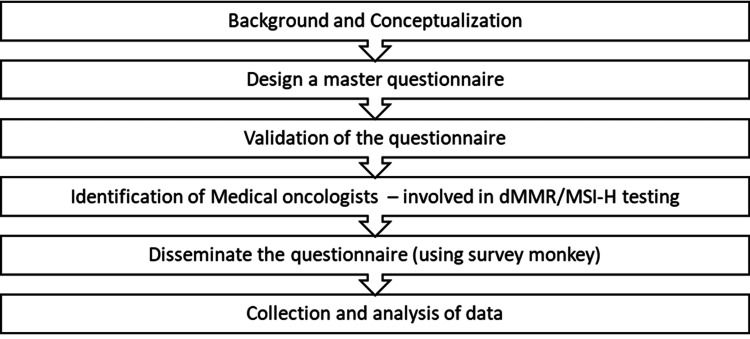 Figure 1
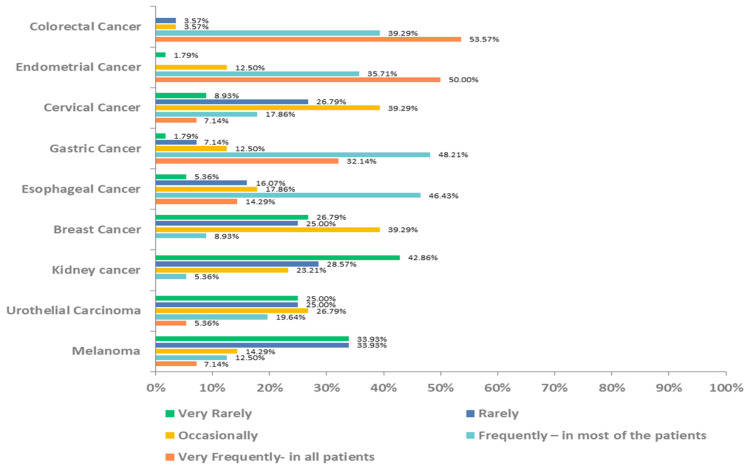 Figure 2
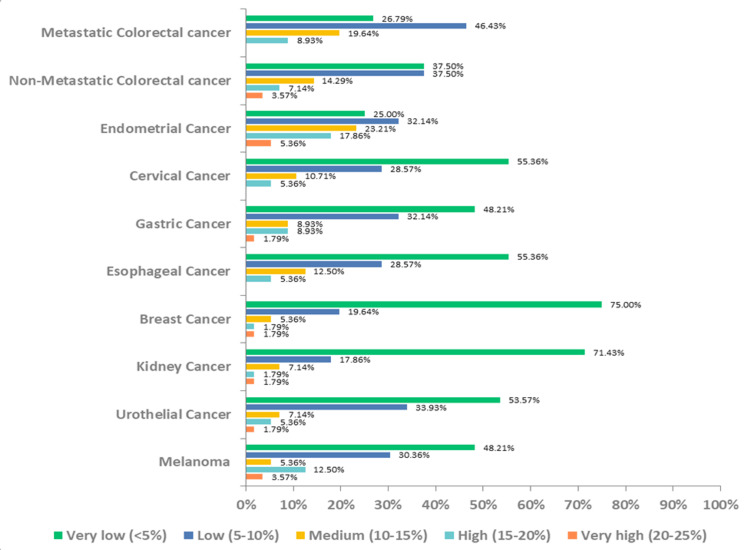 Figure 3
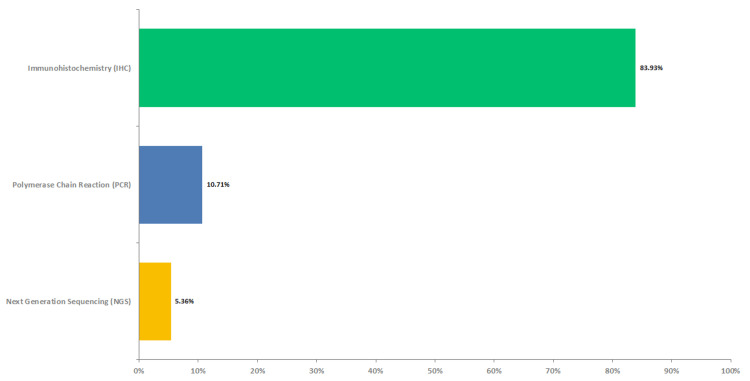 Figure 4
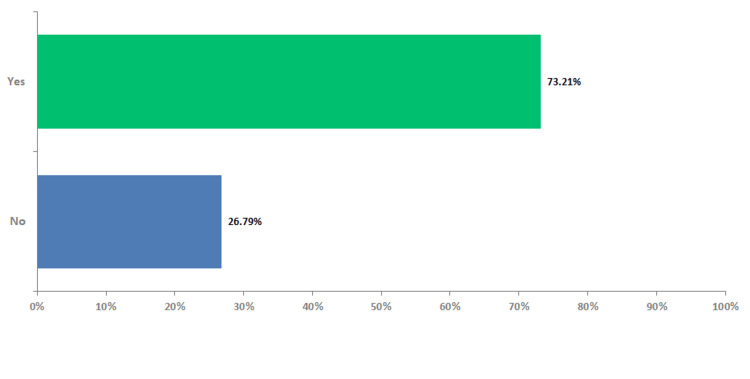 Figure 5
 Figure 6
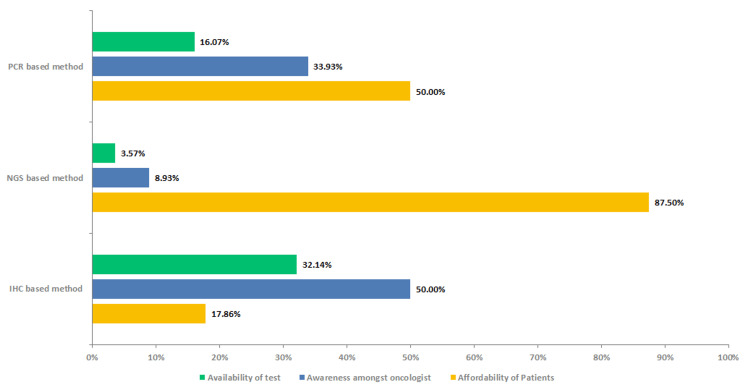 Figure 7
Peer Reviews
No public reviews on file for this paper yet. If you reviewed it on a platform where reviews are public (OpenReview, ICLR, NeurIPS, ICML), you can paste yours below so the community can read it here.
Videos
No videos yet. Explain this paper in a talk, walkthrough, or lecture? Add one.
Taxonomy
TopicsGenetic factors in colorectal cancer