Analysis of the incidence of false-negative results for SLAP lesions on magnetic resonance imaging
Thiago Bernardo Carvalho de Almeida, João Otávio de Souza Carvalho, Lucas Tonhá de Castro, Eduardo Misao Nishimura, Lucas Bernardo Carvalho de Almeida, Luciano Pascarelli

TL;DR
This study found that MRI often misses SLAP lesions in the shoulder, suggesting arthroscopy is more reliable for diagnosis.
Contribution
The study quantifies the high false-negative rate of MRI for SLAP lesions, emphasizing the need for alternative diagnostic methods.
Findings
MRI had a false-negative rate of 83% for diagnosing SLAP lesions.
Arthroscopy is more effective than MRI for diagnosing SLAP-type lesions.
Abstract
To evaluate the false-negative rate in the diagnosis of superior labrum anterior to posterior (SLAP) lesions on unenhanced 1.5-T magnetic resonance imaging (MRI). This was a retrospective analysis of the medical records of 24 patients who regularly engaged in physical activity and underwent surgery for reconstruction of the rotator cuff or for glenohumeral instability, comparing the result of the MRI examination with the intraoperative findings. Eighteen patients (75%) were male and six (25%) were female. False-negative results for SLAP lesions were observed in 83% of the MRI examinations. For SLAP-type lesions, MRI has low diagnostic sensitivity. Arthroscopy appears to be the most efficient tool for the diagnosis of such lesions.
Genes, proteins, chemicals, diseases, species, mutations and cell lines named across the full text — each resolved to its canonical identifier and authoritative record.
Click any figure to enlarge with its caption.
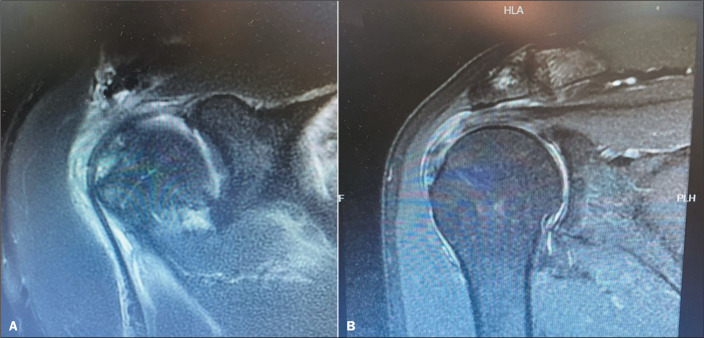 Figure 1
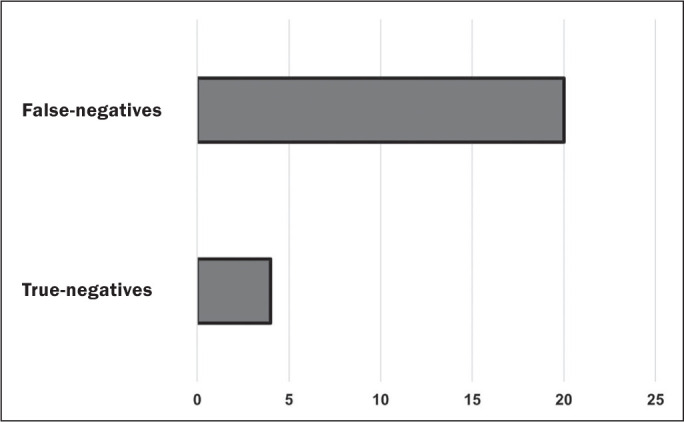 Figure 2
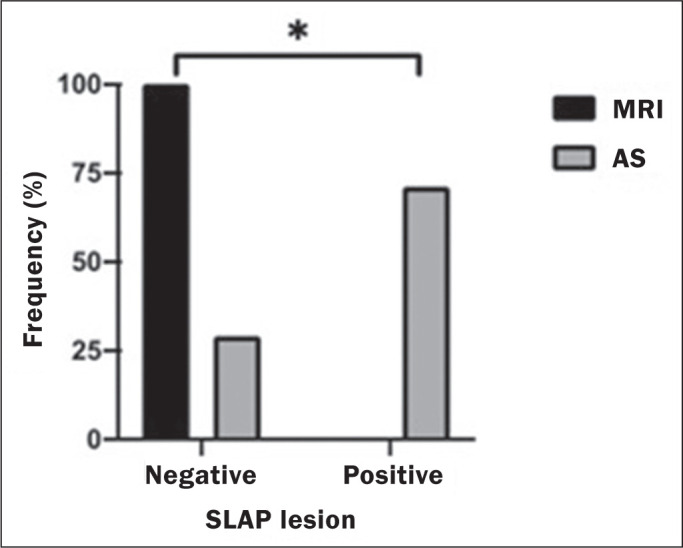 Figure 3
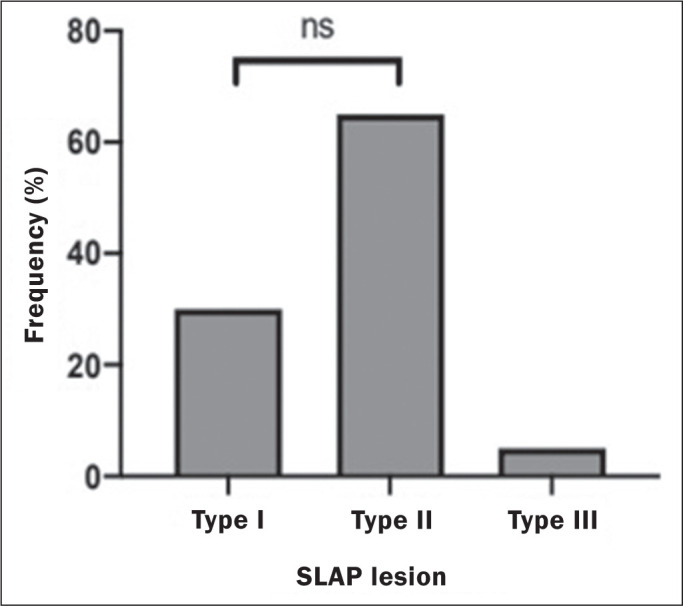 Figure 4
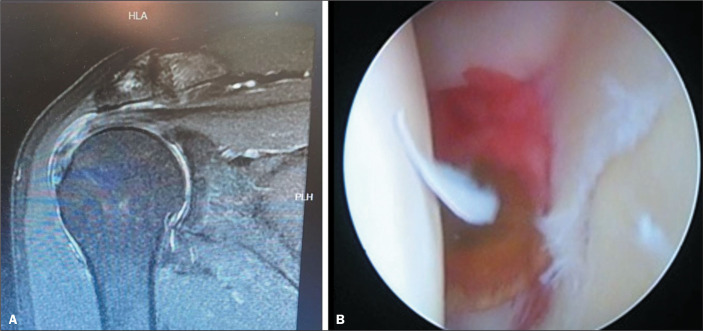 Figure 5
Peer Reviews
No public reviews on file for this paper yet. If you reviewed it on a platform where reviews are public (OpenReview, ICLR, NeurIPS, ICML), you can paste yours below so the community can read it here.
Videos
No videos yet. Explain this paper in a talk, walkthrough, or lecture? Add one.
Taxonomy
TopicsShoulder Injury and Treatment · Shoulder and Clavicle Injuries · Sports injuries and prevention