Amino acid changes accumulated in the fusion protein allow neuropathogenic measles viruses to use a broad repertoire of host factors for cell fusion triggering
Yuichi Hirai, Ryuichi Takemoto, Yusuke Yanagi, Yuta Shirogane

TL;DR
This study shows how mutations in the fusion protein of measles virus enable it to spread in the brain, causing a fatal disease called subacute sclerosing panencephalitis.
Contribution
The study reveals that cumulative amino acid changes in the F protein allow the virus to use alternative host factors for cell fusion, beyond CADM1/2.
Findings
Specific combinations of F protein mutations enable membrane fusion without CADM1/2.
Cumulative changes in the F protein allow the virus to use other fusion-triggering host molecules.
These changes promote efficient neuronal cell fusion, aiding viral spread in the brain.
Abstract
Measles virus (MeV), an enveloped RNA virus belonging to the genus Morbillivirus of the family Paramyxoviridae, is the causative agent of measles, an acute febrile illness with skin rash. MeV has two types of envelope glycoproteins: the hemagglutinin (H) and fusion (F) protein. The H protein initially binds to its receptors, signaling lymphocytic activation molecule family member 1 (SLAMF1) and nectin-4, triggering conformational changes in the F protein that result in virus-to-cell or cell-to-cell membrane fusion. MeV may persist in the brain, which does not express SLAMF1 and nectin-4, leading to subacute sclerosing panencephalitis (SSPE) several years after acute infection. Recently, we have reported that MeV isolates from SSPE patients have hyperfusogenic amino acid changes (e.g., T461I) in the F protein, which enable MeV to spread in the brain by using cell adhesion molecule 1…
Genes, proteins, chemicals, diseases, species, mutations and cell lines named across the full text — each resolved to its canonical identifier and authoritative record.
Click any figure to enlarge with its caption.
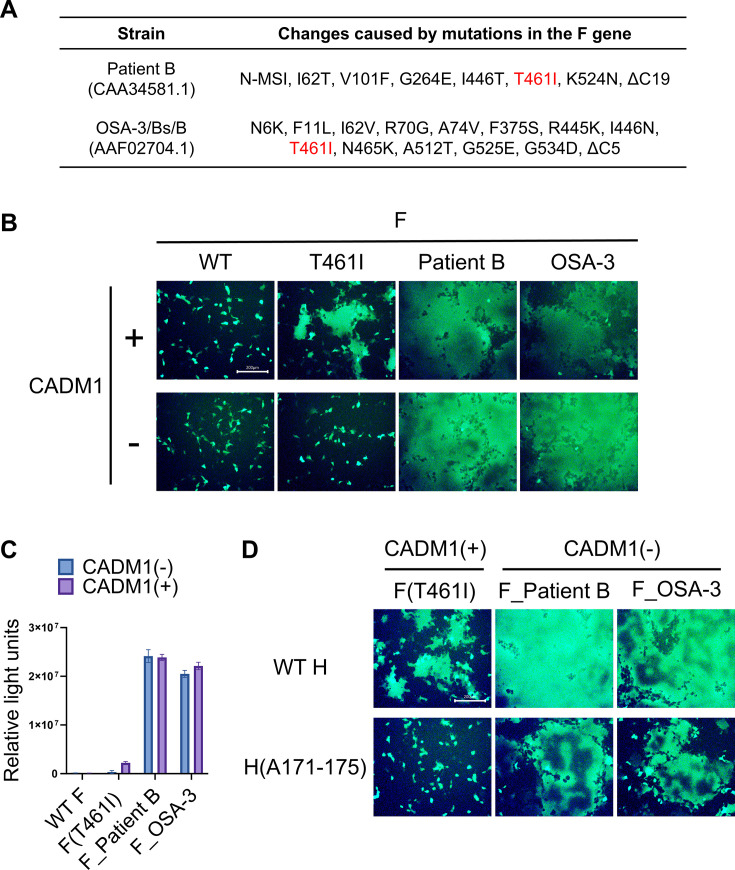 Figure 1
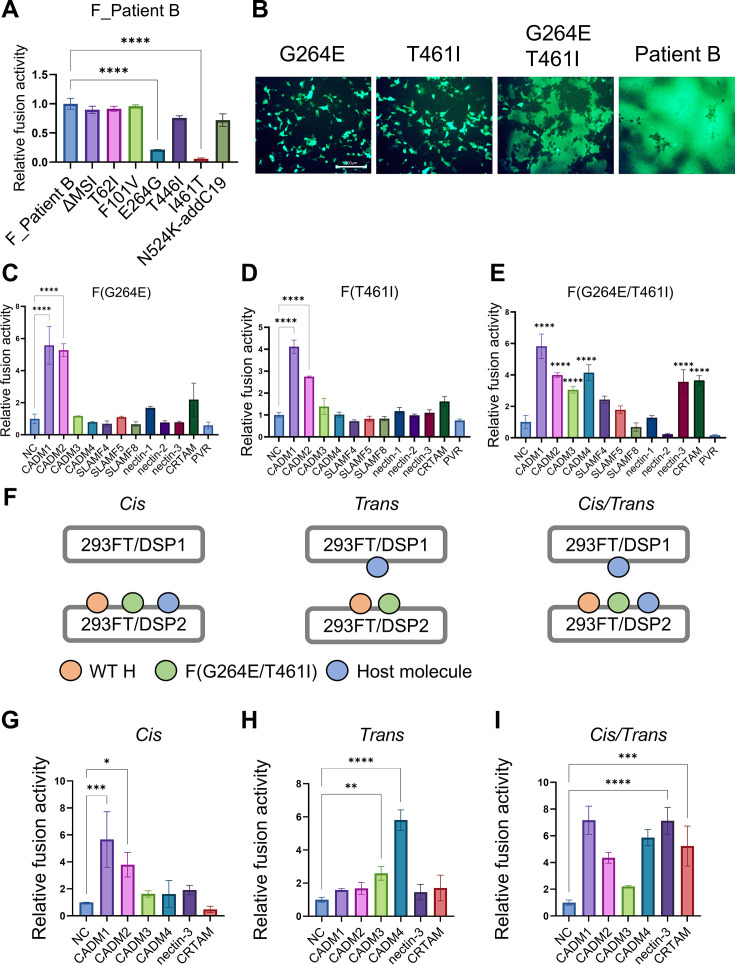 Figure 2
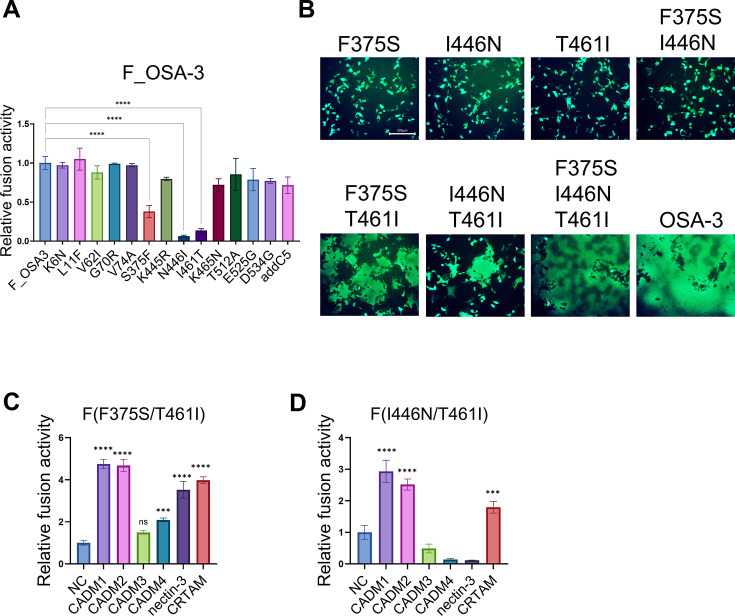 Figure 3
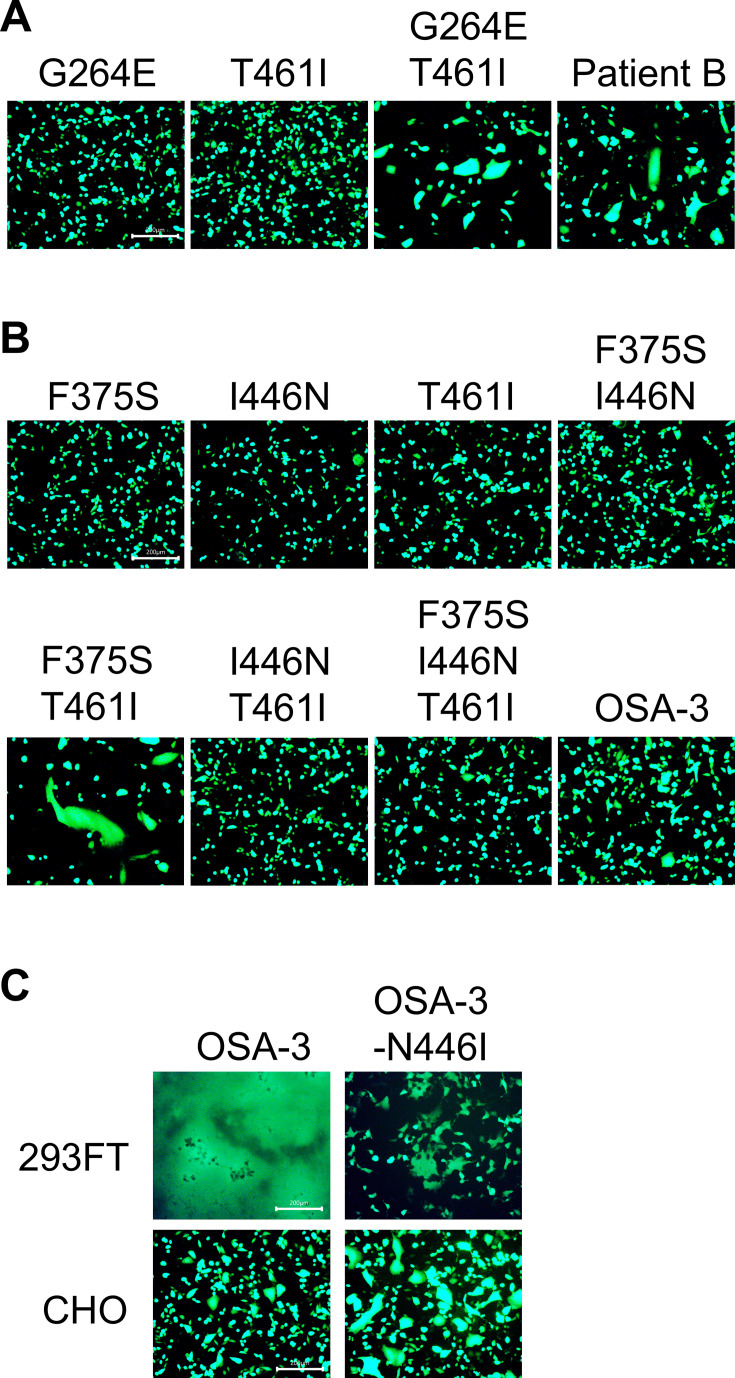 Figure 4
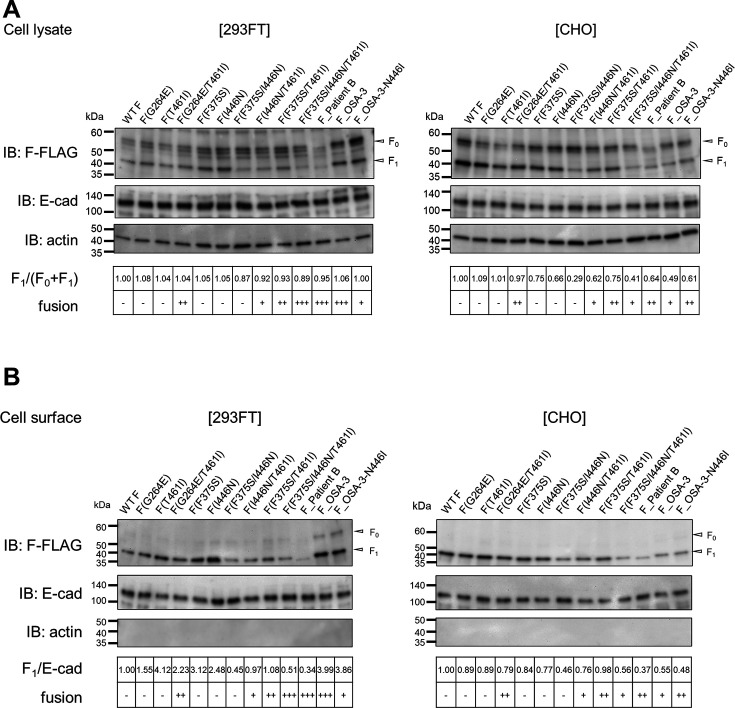 Figure 5
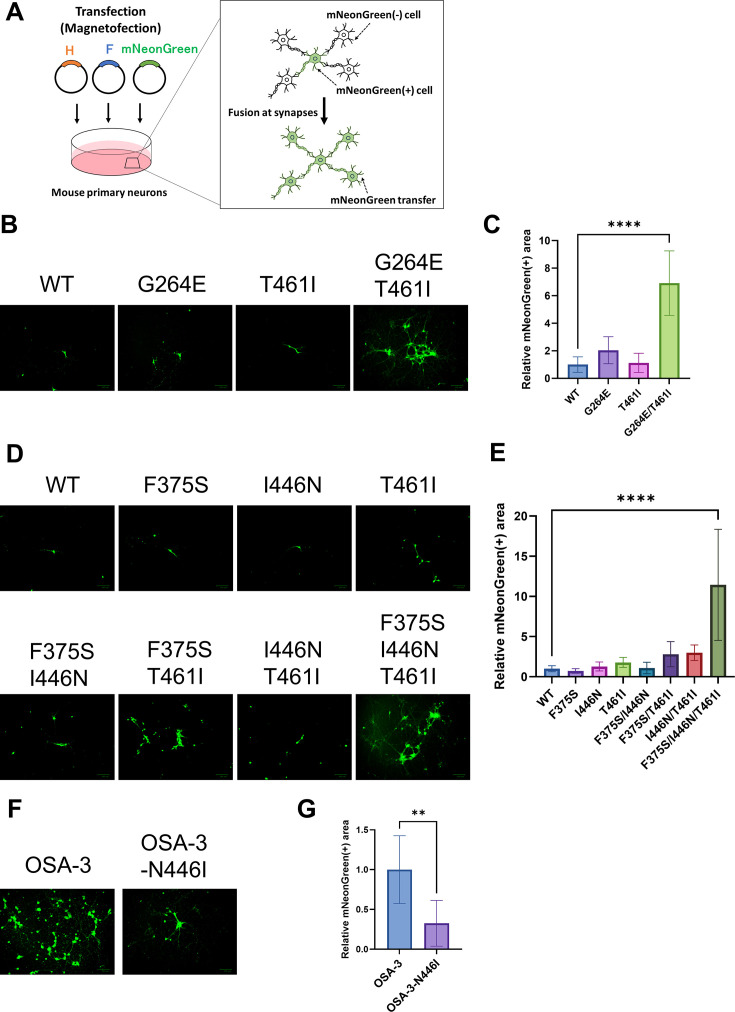 Figure 6
Peer Reviews
No public reviews on file for this paper yet. If you reviewed it on a platform where reviews are public (OpenReview, ICLR, NeurIPS, ICML), you can paste yours below so the community can read it here.
Videos
No videos yet. Explain this paper in a talk, walkthrough, or lecture? Add one.
Taxonomy
TopicsVirology and Viral Diseases · Parvovirus B19 Infection Studies · Viral Infections and Vectors