B cell dysfunction in thalamus and brainstem involvement and high lactate caused by novel mutation of EARS2 gene
Yu Wen, Yanmei Huang, Wendi Zhang, Ping Chen, Xiufen Hu, Xin Xiong, Li Luo

TL;DR
A new mutation in the EARS2 gene causes a rare mitochondrial disease with brain and immune system issues, including B-cell dysfunction and high lactate levels.
Contribution
A novel EARS2 mutation is identified in a patient with LTBL, expanding the mutation database and linking it to B-cell dysfunction and mitochondrial issues.
Findings
A compound heterozygous EARS2 mutation (c.1304T > A and c.319 C > T) was found in a patient with LTBL.
The EARS2 mutation caused structural changes in the protein, B-cell dysfunction, and mitochondrial metabolic issues.
Decreased CD38 expression and elevated reactive oxygen species were observed in B cells.
Abstract
The EARS2 gene, a member of the mt-aaRS family, encodes mitochondrial glutamyl-tRNA synthetase (GluRS), which is involved in the synthesis of mitochondrial proteins. Pathogenic defects in EARS2 may cause mitochondrial OXPHOS deficiency, which is associated with a rare autosomal-recessive mitochondrial disease, leukoencephalopathy with thalamus and brainstem involvement and high lactate (LTBL). In this study, clinical features were obtained, and whole-exome sequencing was conducted on a patient with LTBL. B- and T-cell immunophenotyping and protein expression were analyzed using flow cytometry, and B-cell metabolism was investigated using confocal microscopy. The patient with LTBL exhibited typical neurological manifestations, recurrent respiratory tract infections, and humoral immune disorders. Molecular analysis revealed a compound heterozygous novel mutation in c.1304T > A (p.L435Q)…
Genes, proteins, chemicals, diseases, species, mutations and cell lines named across the full text — each resolved to its canonical identifier and authoritative record.
Click any figure to enlarge with its caption.
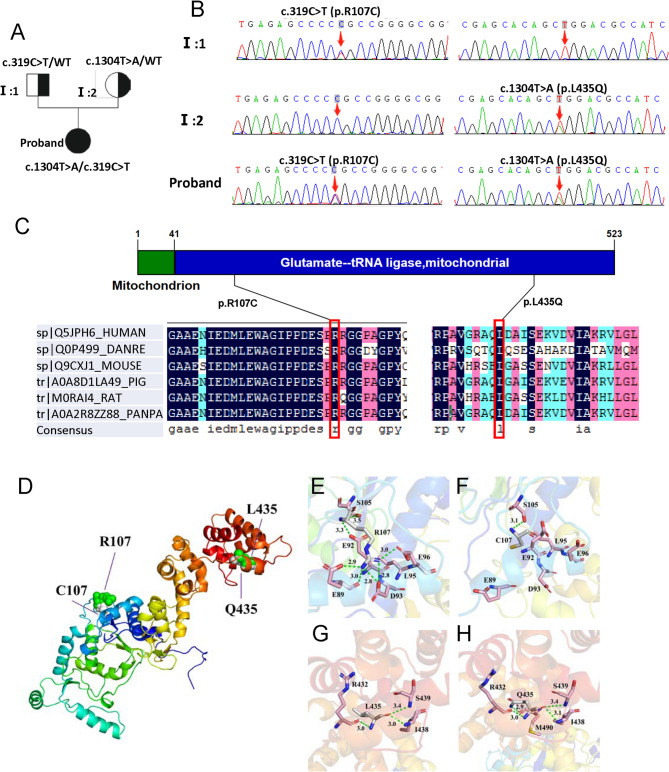 Figure 1
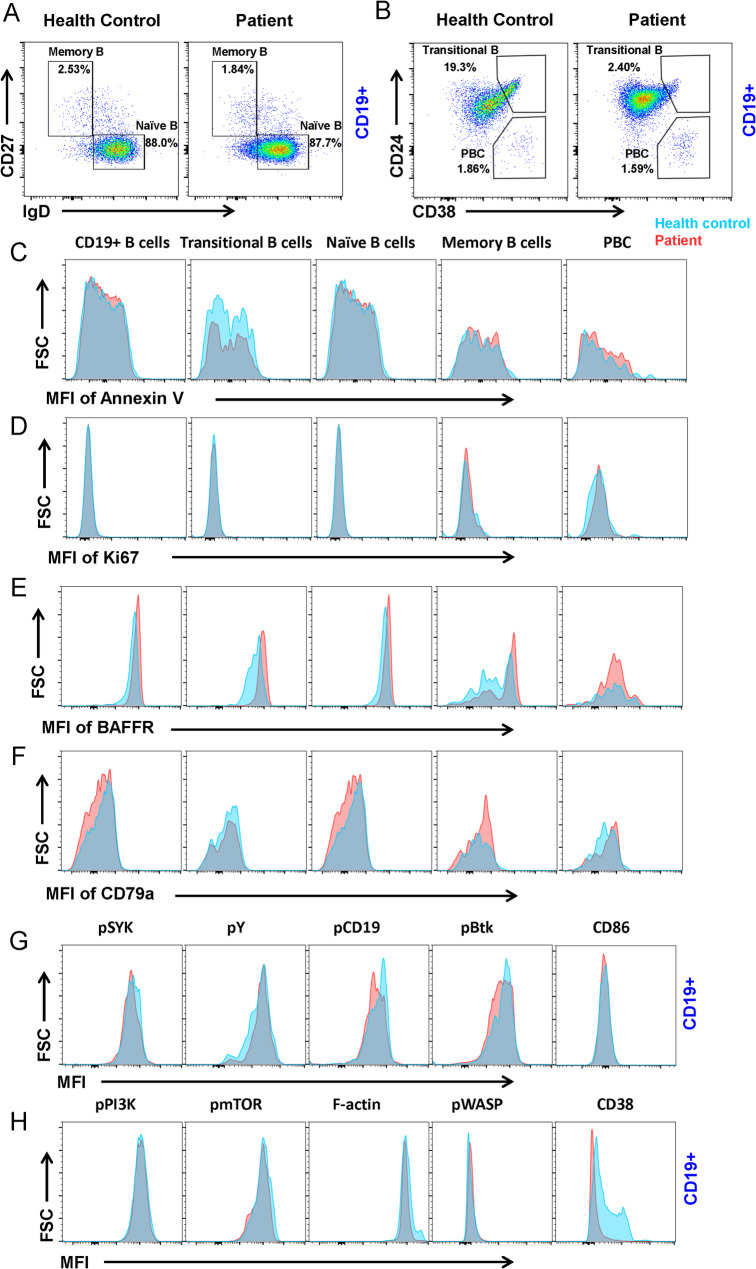 Figure 2
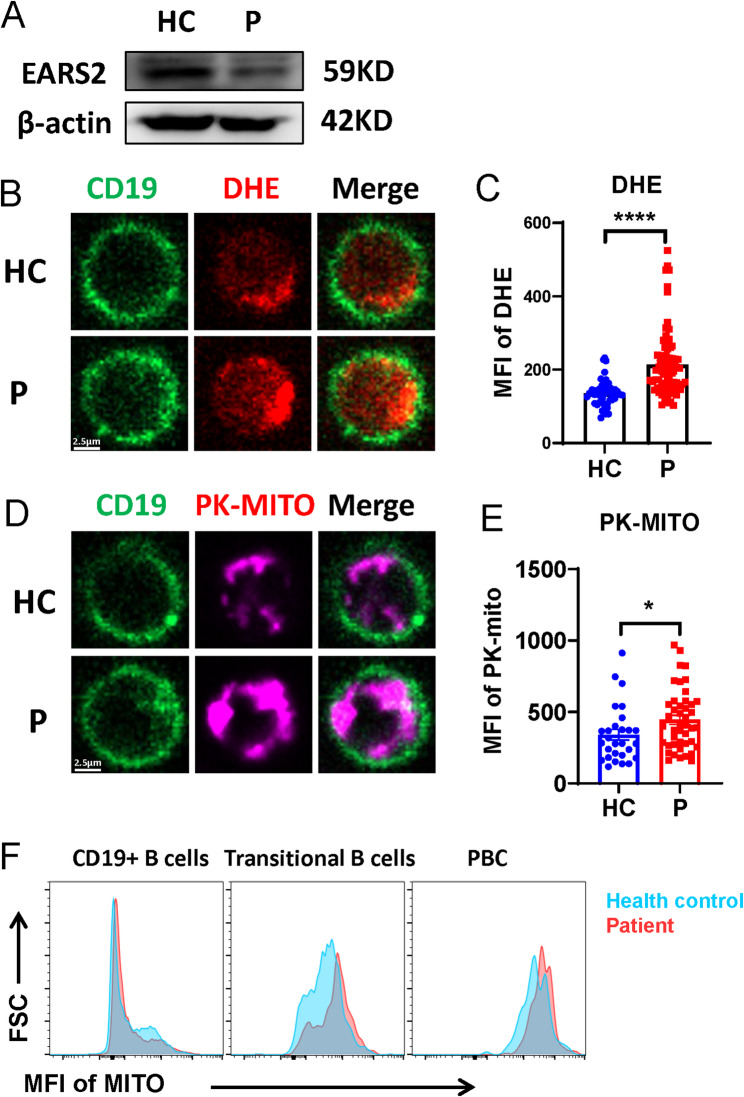 Figure 3
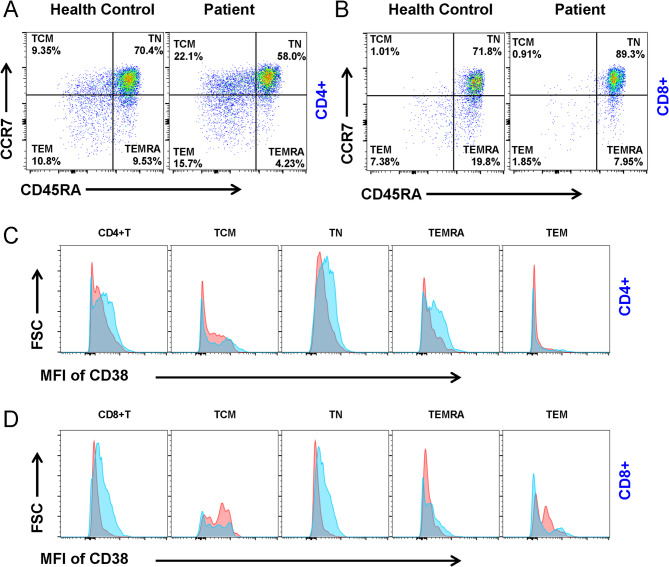 Figure 4
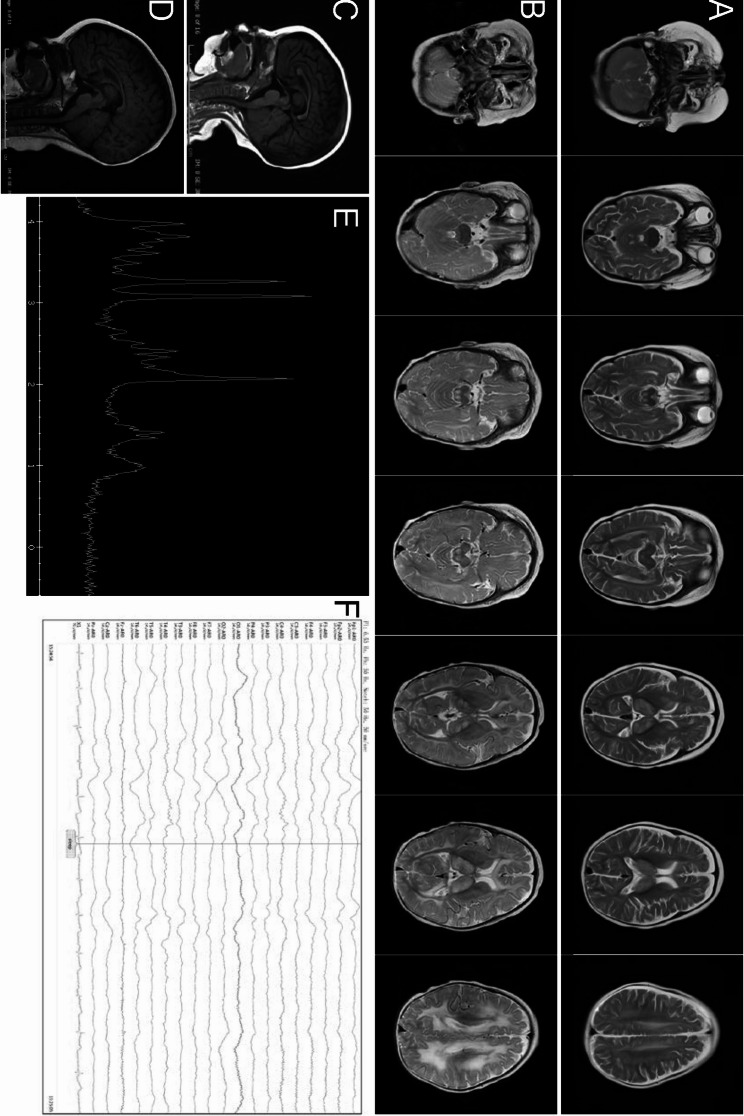 Figure 5
Peer Reviews
No public reviews on file for this paper yet. If you reviewed it on a platform where reviews are public (OpenReview, ICLR, NeurIPS, ICML), you can paste yours below so the community can read it here.
Videos
No videos yet. Explain this paper in a talk, walkthrough, or lecture? Add one.
Taxonomy
TopicsRNA modifications and cancer · Mitochondrial Function and Pathology · RNA and protein synthesis mechanisms