The human RNASET2 alarmin-like molecule differentially affects prostate cancer cells behavior in both cell autonomous and non-cell autonomous manners
Rossella Roncoroni, Denisa Baci, Martina Cucchiara, Annarosaria de Vito, Matteo Gallazzi, Maria Teresa Palano, Francesca Olmeo, Cristian Rubuano, Alessandra Giannatiempo, Laura Monti, Raffaella Bombelli, Daniele Mercatelli, Giovanna Finzi, Francesca Franzi, Stefano La Rosa

TL;DR
This study shows that the human RNASET2 protein can reduce prostate cancer cell growth and boost immune responses, acting both directly on cancer cells and indirectly through immune activation.
Contribution
The study reveals RNASET2's dual role as an oncosuppressor and alarmin-like molecule in prostate cancer.
Findings
RNASET2 overexpression reduced cell proliferation and colony formation in 22Rv1 cells by downregulating cyclin D1.
RNASET2 promoted immune cell activation and M1-like macrophage polarization in vivo, suggesting tumor suppression.
PC-3 cells were largely unresponsive to RNASET2, highlighting cell-line-specific effects.
Abstract
The identification of molecules that make cancer cells detectable by the immune system represents a major challenge in tumor immunology. Alarmins, endogenous, stress-induced molecules, serve as early warning signals triggering immune responses. The human RNASET2 protein has demonstrated both oncosuppressive and immunoregulatory functions across various cancer types, yet its role as an oncosuppressor or alarmin-like molecule in prostate cancer (PCa) is unexplored. Here, we investigated the effects of the human RNASET2 alarmin in two different human PCa cell lines focusing on cell proliferation, colony formation, adhesion, migration rates, and release of soluble immune-modulatory factors. In vivo studies were also carried out on nude mice to assess the immune regulatory impact. Our findings indicate that RNASET2 overexpression reduced cell proliferation and colony formation in 22Rv1…
Genes, proteins, chemicals, diseases, species, mutations and cell lines named across the full text — each resolved to its canonical identifier and authoritative record.
Click any figure to enlarge with its caption.
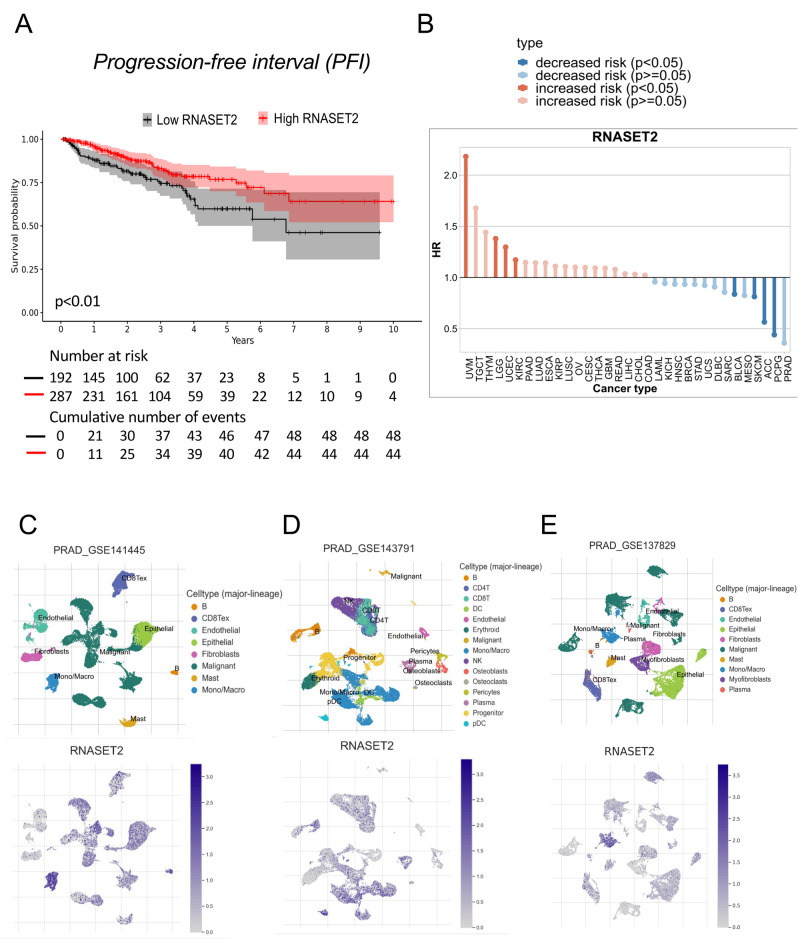 Figure 1
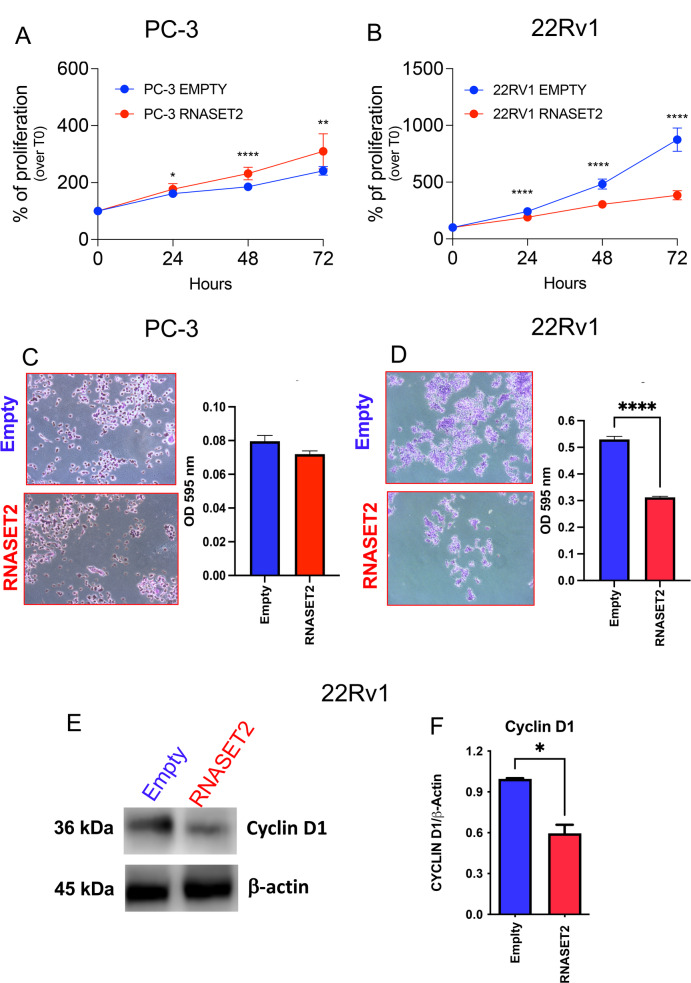 Figure 2
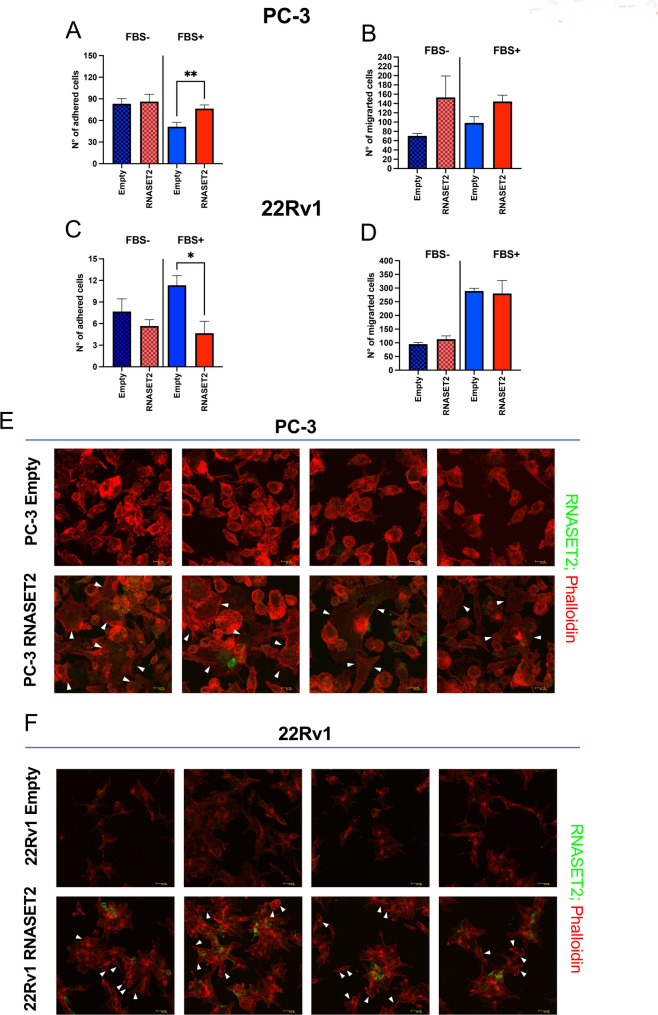 Figure 3
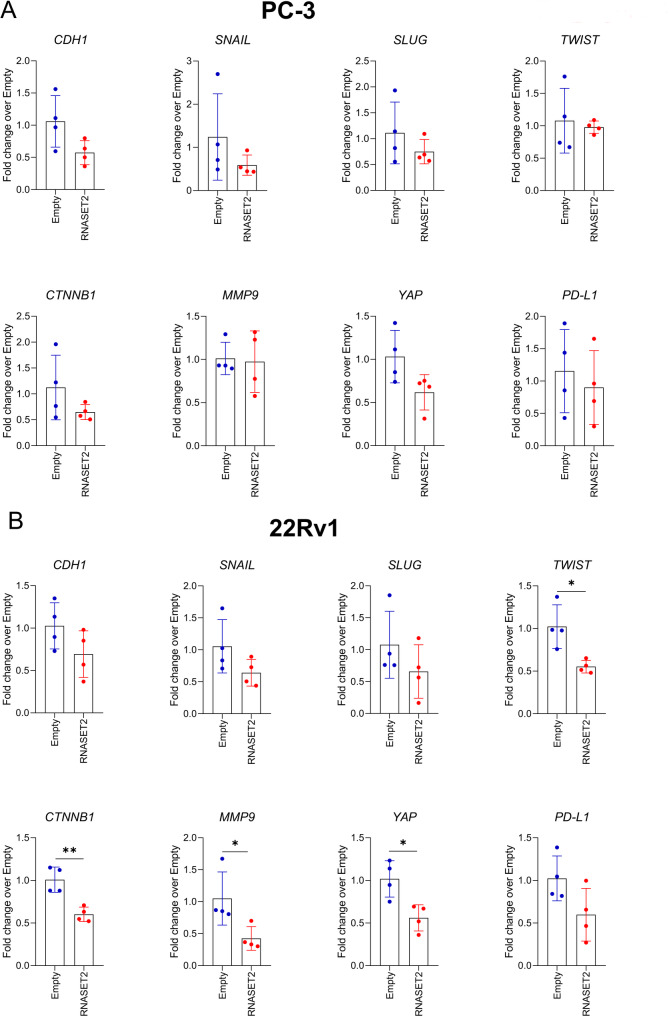 Figure 4
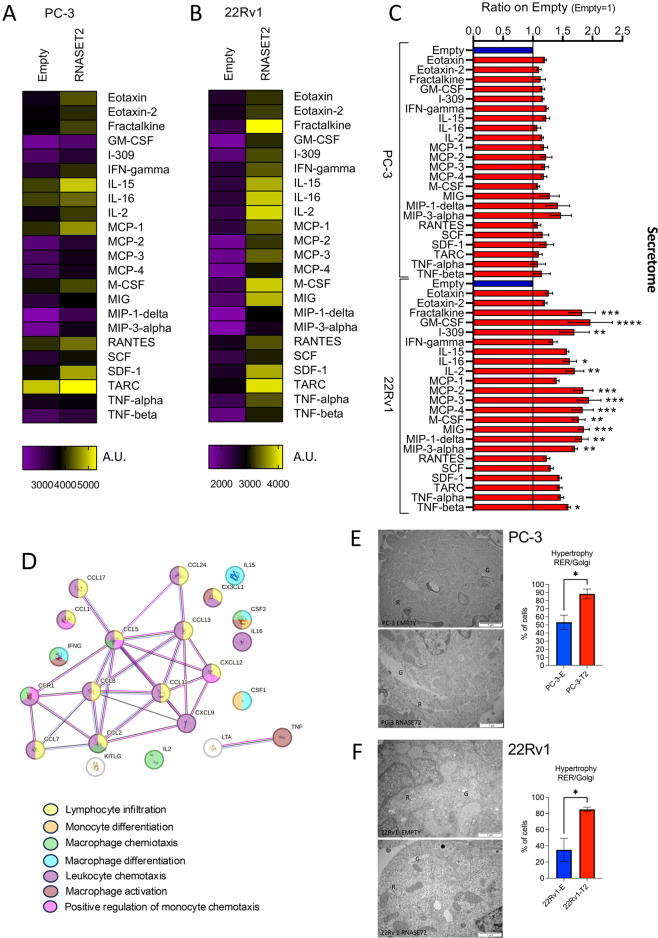 Figure 5
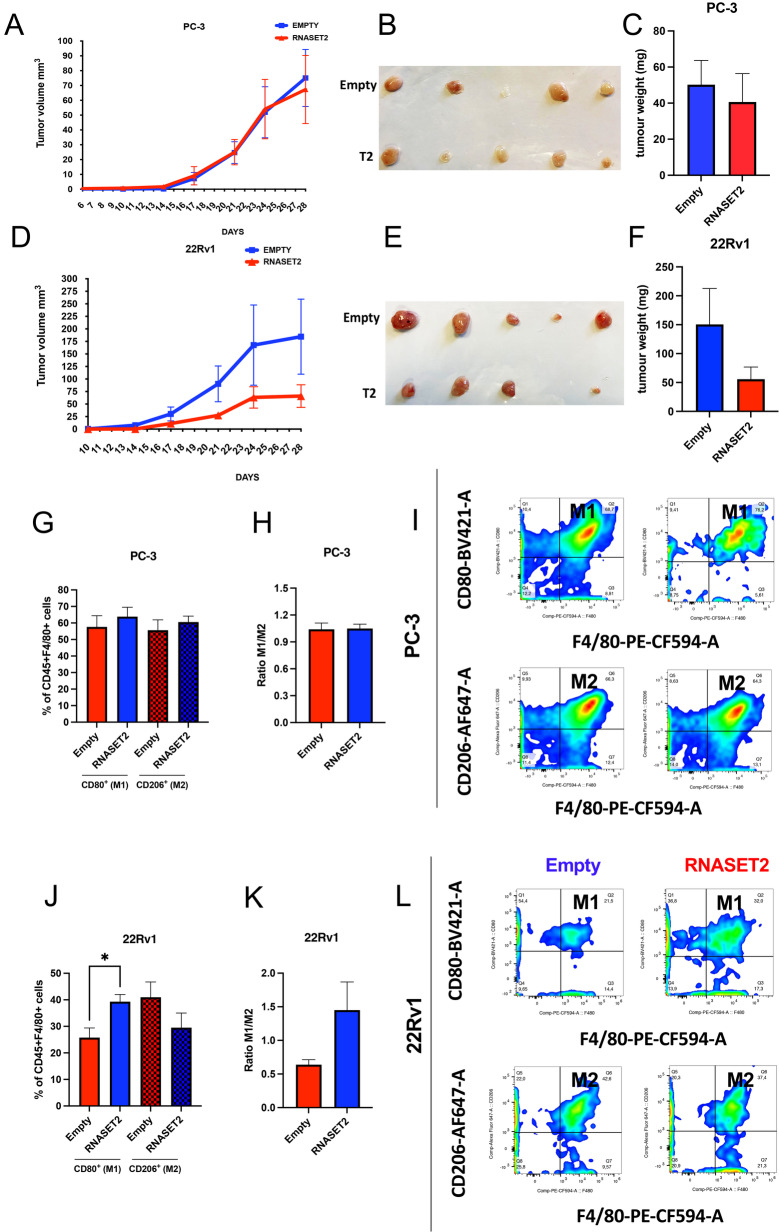 Figure 6
 Figure 7
 Figure 8
Peer Reviews
No public reviews on file for this paper yet. If you reviewed it on a platform where reviews are public (OpenReview, ICLR, NeurIPS, ICML), you can paste yours below so the community can read it here.
Videos
No videos yet. Explain this paper in a talk, walkthrough, or lecture? Add one.
Taxonomy
TopicsRNA Research and Splicing · Cancer-related molecular mechanisms research · interferon and immune responses