Unraveling the Anti‐Tumor Effects and Molecular Mechanisms of Hairyvein Agrimonia Herb in Gastric Cancer Through Network Pharmacology and Experimental Validation
Hequn He, Xiaohui Jin, Xiaoyun Ding, Haizhong Jiang, Xuguang Wang, Yi Chen, Jiyun Zhu

TL;DR
This study investigates how Hairyvein Agrimonia Herb fights gastric cancer using network pharmacology and experiments, identifying key genes and compounds involved.
Contribution
The study identifies specific molecular targets and active components of Hairyvein Agrimonia Herb in gastric cancer treatment through network pharmacology and experimental validation.
Findings
Five active components in Hairyvein Agrimonia Herb target 160 gastric cancer-related genes.
Quercetin shows the strongest inhibitory effect on PTGS2 protein docking.
JUN, HIF1A, and PTGS2 are key targets linked to patient survival in gastric cancer.
Abstract
Stomach cancer has become one of the most common types of cancer, with its mortality rate ranking third in the world. Currently, the main treatments for gastric cancer are surgery, radiation therapy, and chemotherapy. Although current treatments can effectively prevent postoperative metastasis and recurrence of gastric cancer, they may also bring various adverse reactions in the gastrointestinal tract and side effects such as bone marrow suppression. Years of research have confirmed that traditional Chinese medicine treatment for gastric and other cancers has distinct characteristics and advantages. Combined treatment can increase the tumor inhibition rate, reduce the side effects of radiation and chemotherapy, improve patients' quality of life, and prolong the survival prognosis. This study explores the anti‐tumor effect and specific molecular mechanism of Hairyvein Agrimonia Herb on…
Genes, proteins, chemicals, diseases, species, mutations and cell lines named across the full text — each resolved to its canonical identifier and authoritative record.
Click any figure to enlarge with its caption.
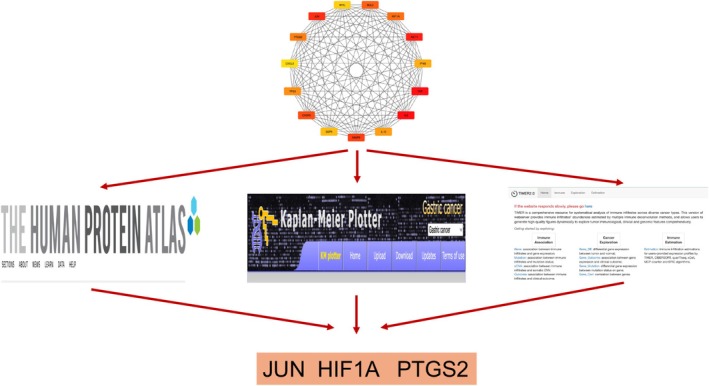 Figure 1
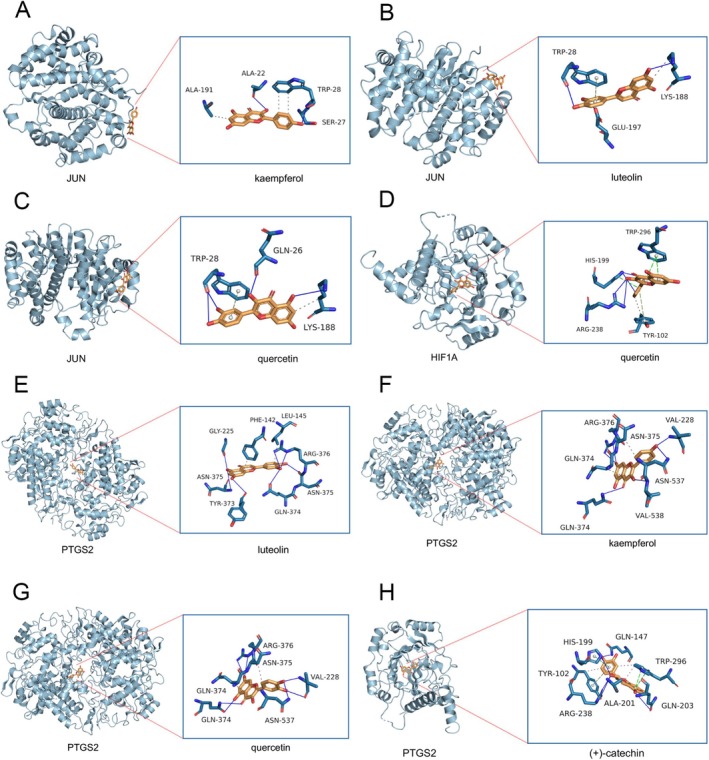 Figure 2
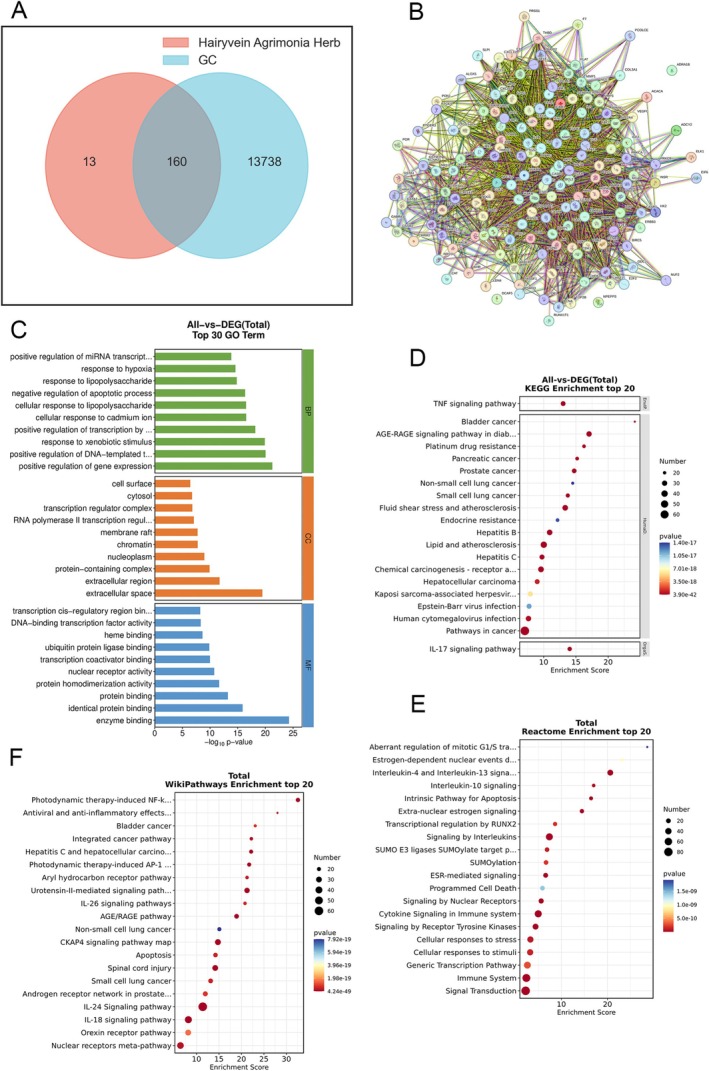 Figure 3
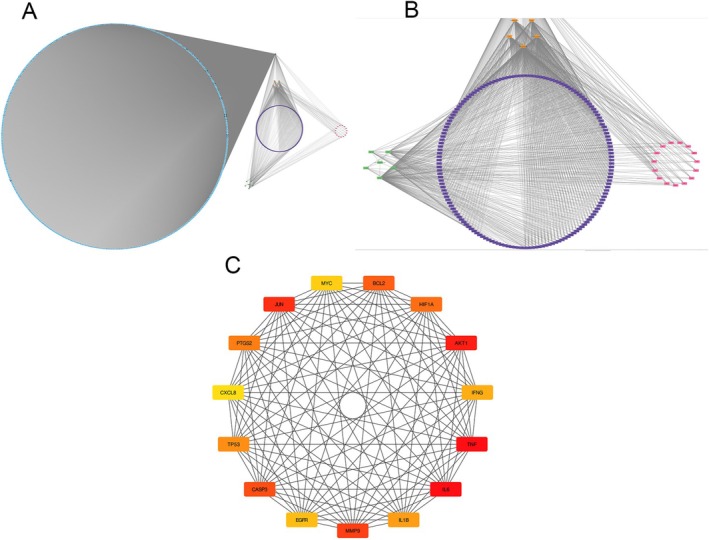 Figure 4
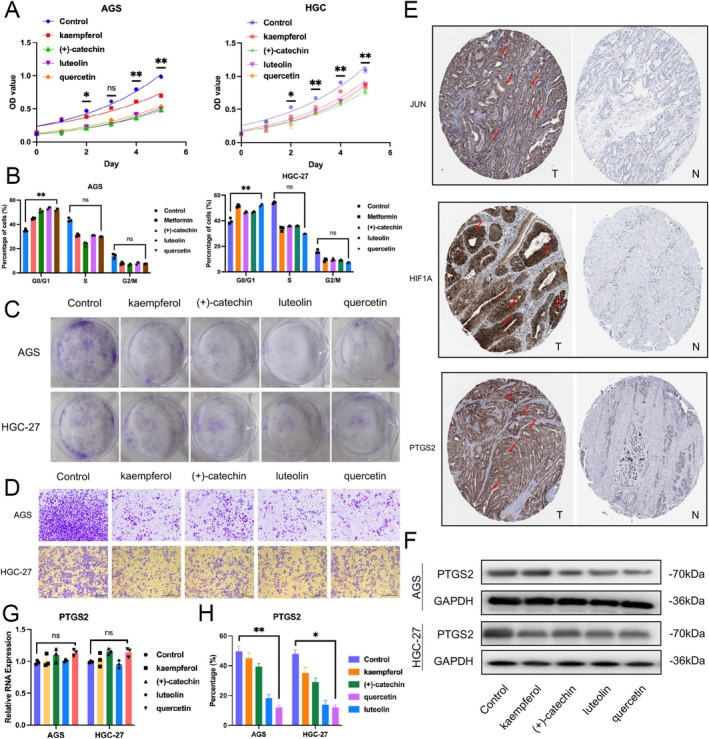 Figure 5
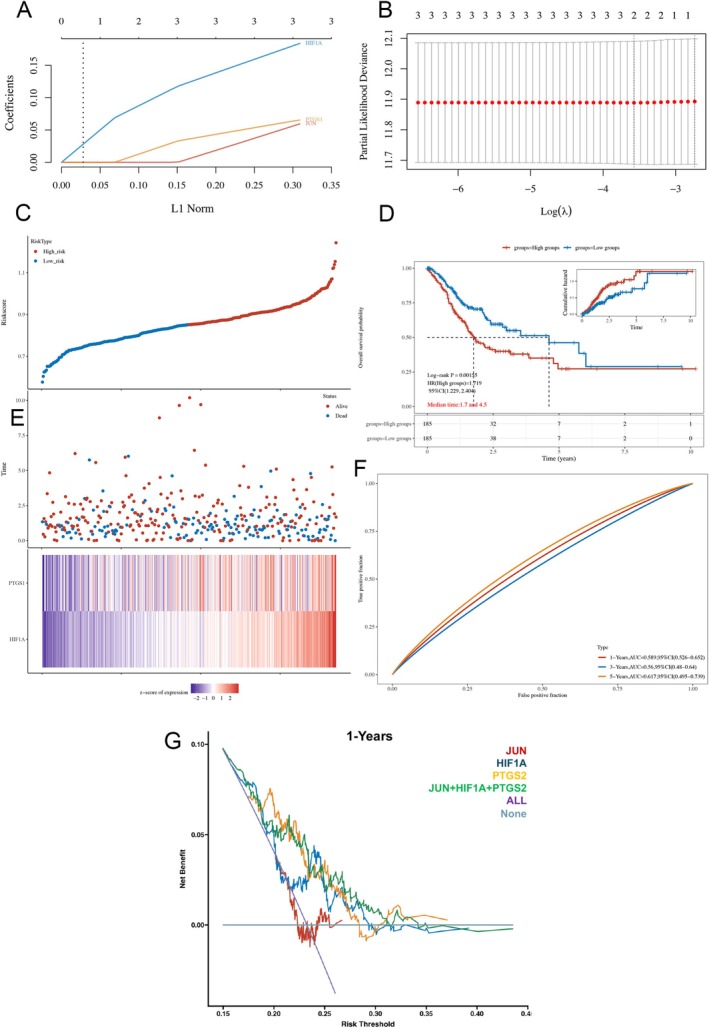 Figure 6
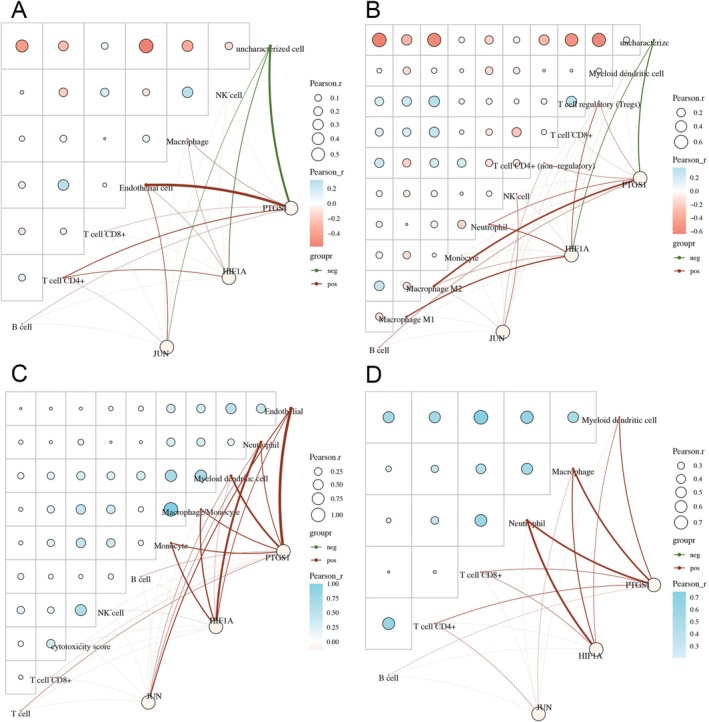 Figure 7
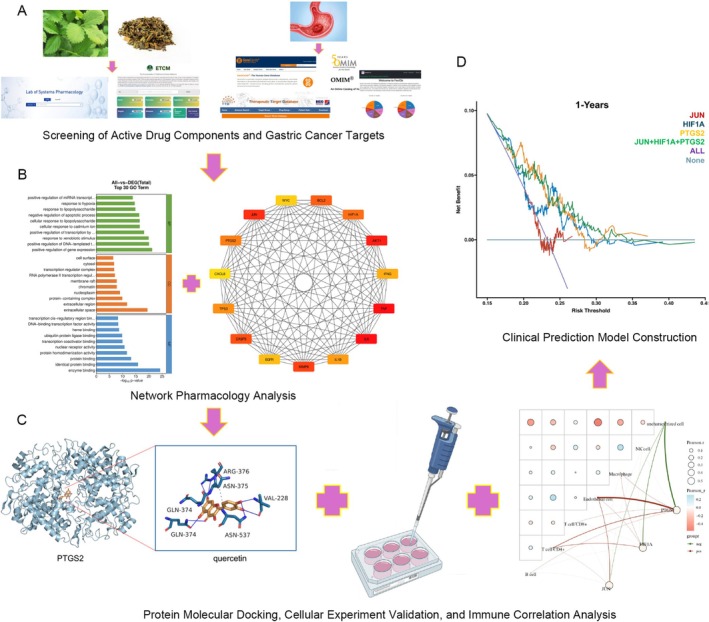 Figure 8
Peer Reviews
No public reviews on file for this paper yet. If you reviewed it on a platform where reviews are public (OpenReview, ICLR, NeurIPS, ICML), you can paste yours below so the community can read it here.
Videos
No videos yet. Explain this paper in a talk, walkthrough, or lecture? Add one.
Taxonomy
TopicsPhytochemical compounds biological activities · Microbial Metabolism and Applications · Plant biochemistry and biosynthesis