Structure‐Binding Relationship of 2‐Amino‐1,8‐Naphthyridine Dimers: Role of Linkage Positions on DNA and RNA Recognition
Bimolendu Das, Satoki Kuwahara, Ryosuke Ishimaru, Eitaro Murakami, Yasue Harada, Kazuhiko Nakatani

TL;DR
This study shows how changing the connection positions of a molecule affects its ability to bind to DNA and RNA, influencing its structure and function for potential therapeutic applications.
Contribution
The study reveals how linkage positions in 2-amino-1,8-naphthyridine dimers affect their conformation and nucleic acid binding specificity.
Findings
ANP77 showed the strongest stabilization of cytosine-rich DNA motifs.
RNA binding patterns varied with sequence specificity, as shown by fluorescence quenching.
Hierarchical clustering linked molecular conformations to binding preferences.
Abstract
The study explores the synthesis, structural analysis, and binding properties of eight analogs of 2‐amino‐1,8‐naphthyridine dimers (ANPxys) targeting DNA and RNA. These dimers, derived from ANP77, are connected at varying positions to investigate how positional alterations influence molecular conformations and their interactions with nucleic acids. The primary focus lies on evaluating the effects of these structural variations on DNA and RNA binding through fluorescence quenching and thermal denaturation assays. Absorption and fluorescence measurements revealed distinct electronic states for ANPxys, with emission maxima between 389.5 and 398.5 nm. Conformational analysis indicated that most ANPxys adopt unstacked conformations in aqueous solutions, though some, like ANP47 and ANP67, showed higher probabilities of stacked conformations. Thermal denaturation studies demonstrated ANPxys…
Genes, proteins, chemicals, diseases, species, mutations and cell lines named across the full text — each resolved to its canonical identifier and authoritative record.
Click any figure to enlarge with its caption.
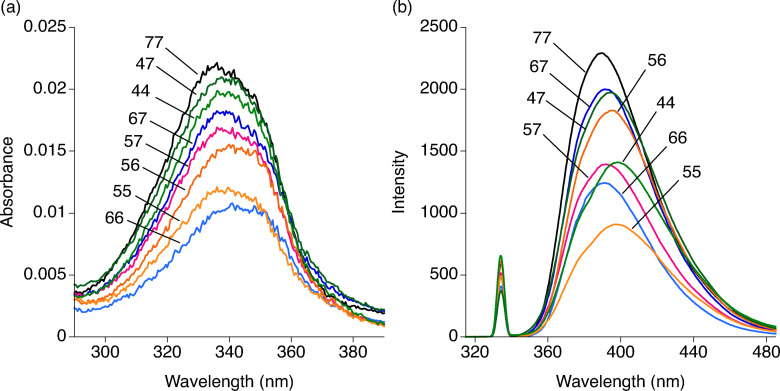 Figure 1
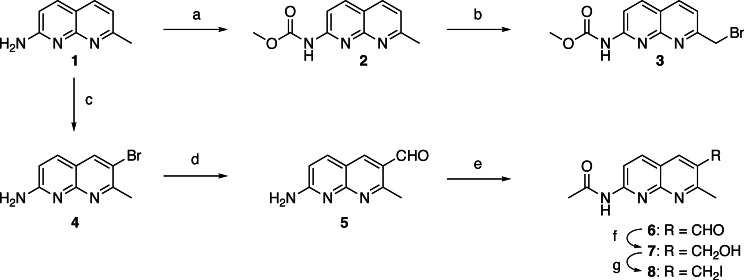 Figure 2
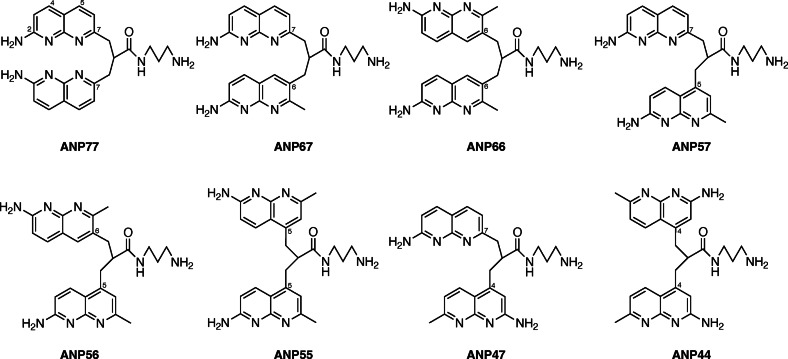 Figure 3
 Figure 4
 Figure 5
 Figure 6
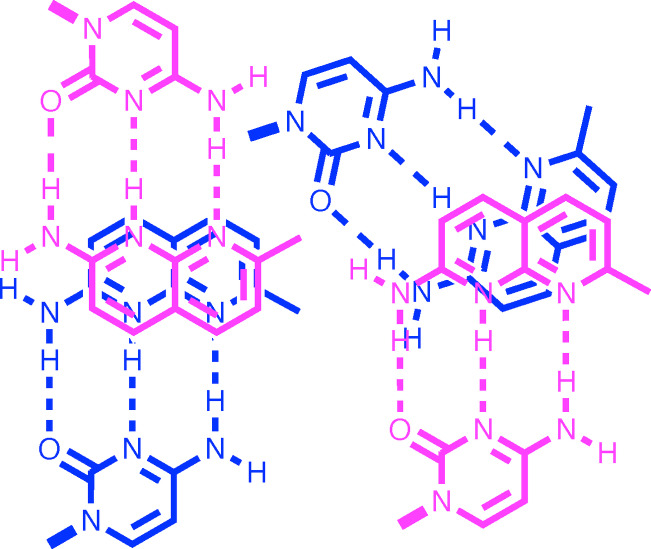 Figure 7
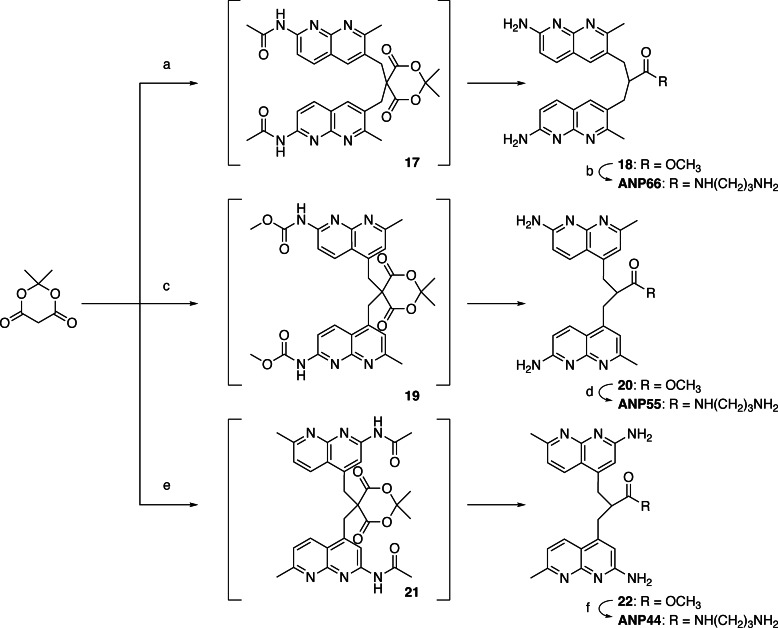 Figure 8
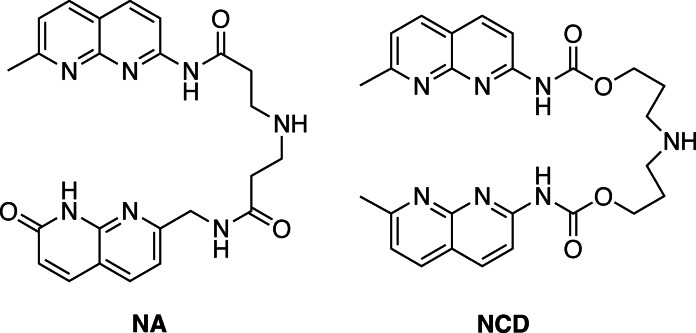 Figure 9
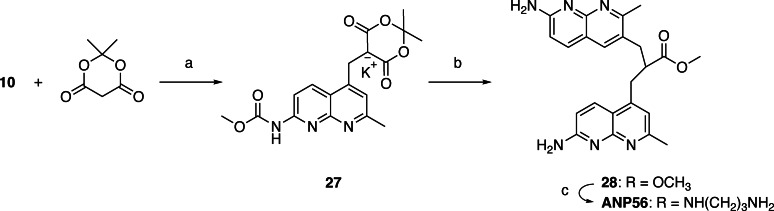 Figure 10
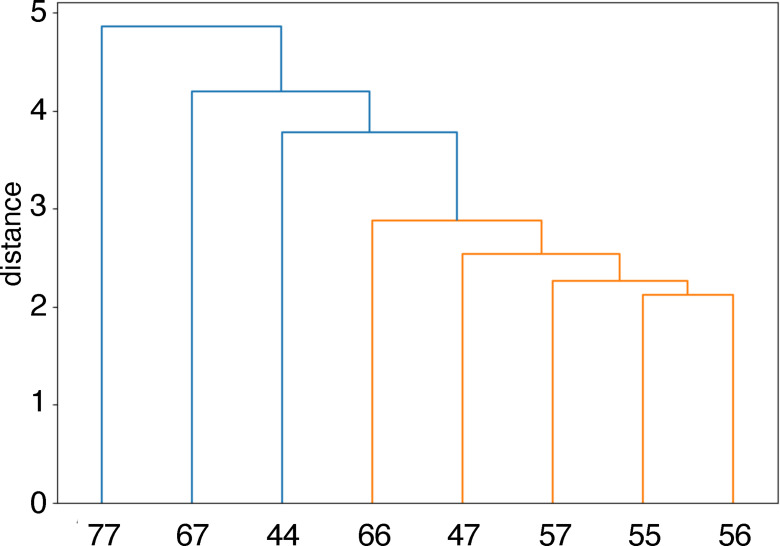 Figure 11
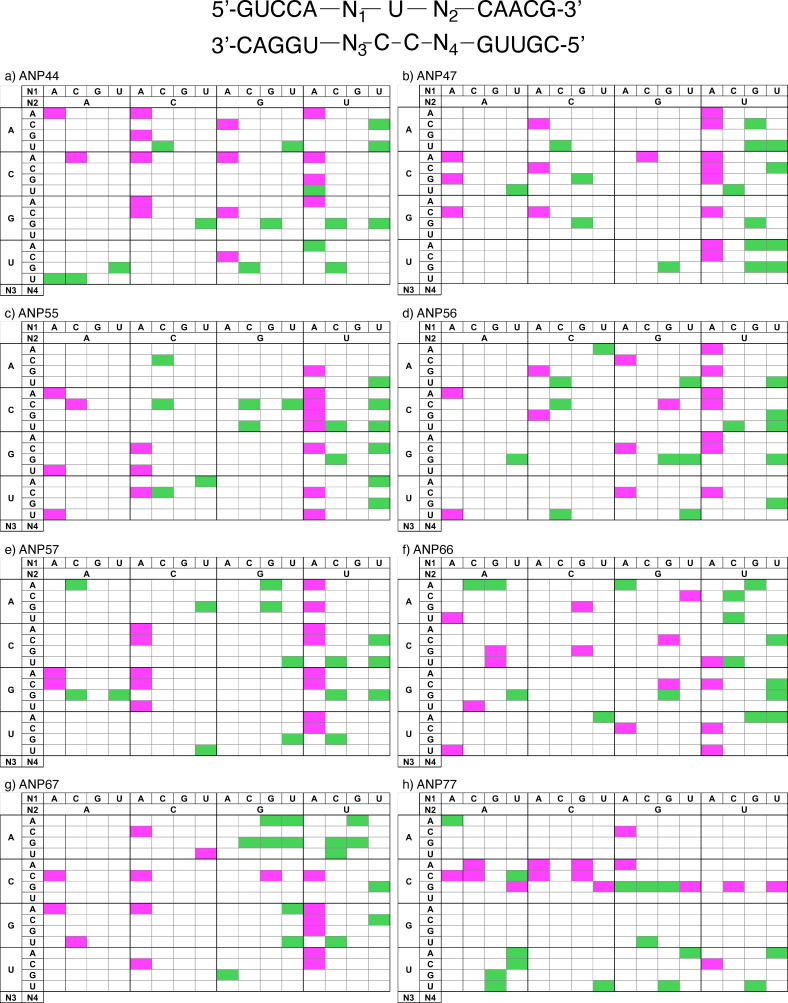 Figure 12
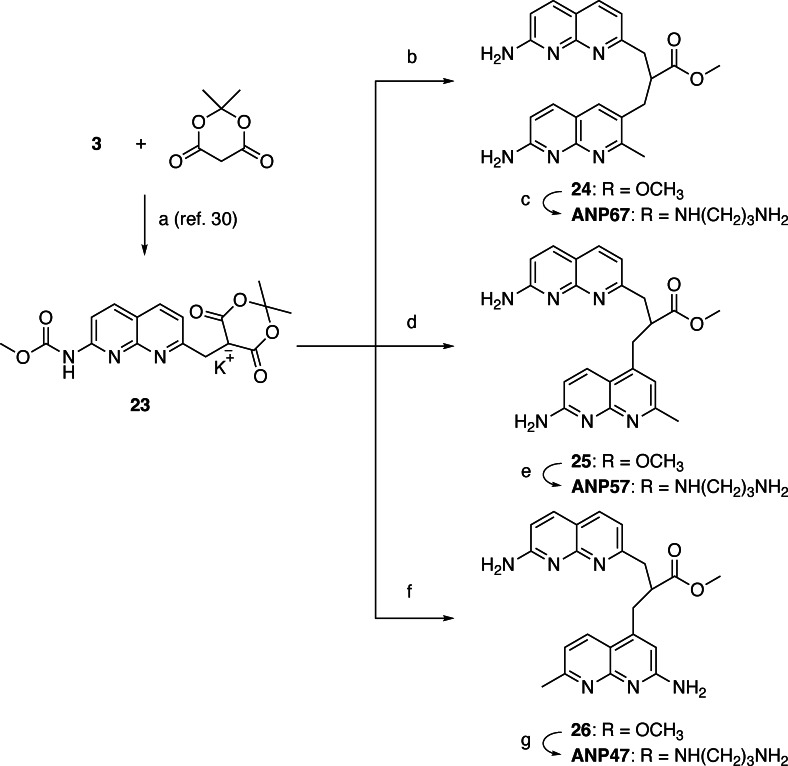 Figure 13
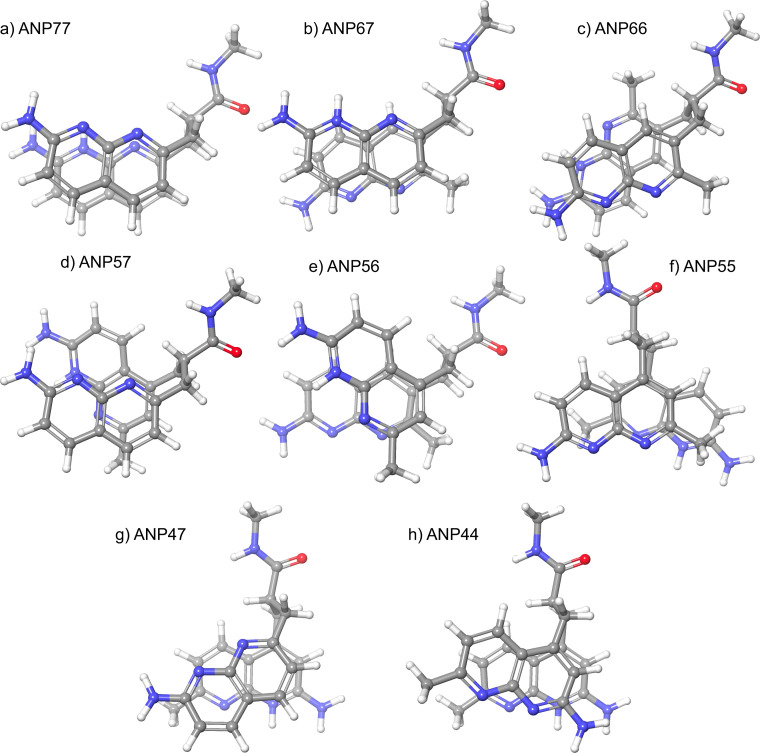 Figure 14
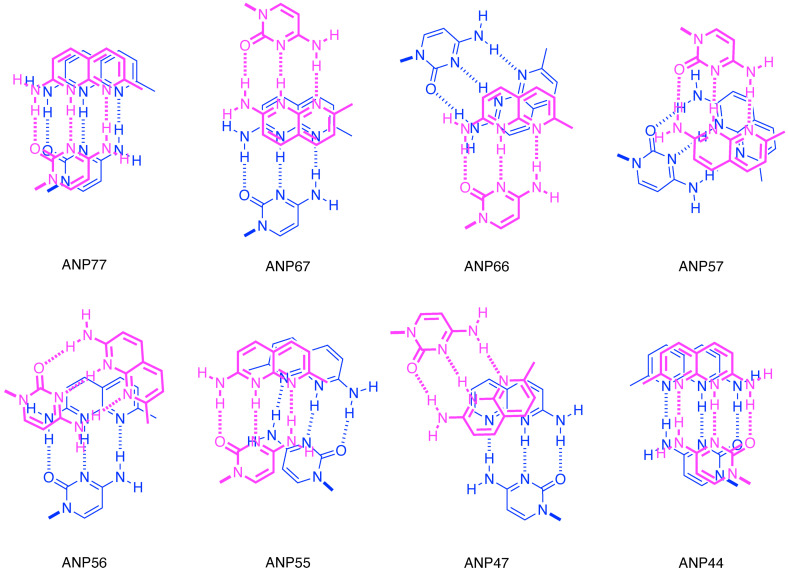 Figure 15
Peer Reviews
No public reviews on file for this paper yet. If you reviewed it on a platform where reviews are public (OpenReview, ICLR, NeurIPS, ICML), you can paste yours below so the community can read it here.
Videos
No videos yet. Explain this paper in a talk, walkthrough, or lecture? Add one.
Taxonomy
TopicsDNA and Nucleic Acid Chemistry · RNA and protein synthesis mechanisms · Crystallography and molecular interactions