Conservative Management of Aberrant Right Subclavian Artery (Arteria Lusoria): A Case Report and Literature Review
Yogesh Acharya, Omar Merican, Kevin Van der Merwe, Kalliopi-Maria Tasopoulou, Vikrant Parihar

TL;DR
This paper discusses a case where an elderly patient with an abnormal artery was successfully managed without surgery, suggesting conservative treatment could be a valid option.
Contribution
The paper presents a case advocating for conservative management of arteria lusoria in elderly patients with regular monitoring.
Findings
Conservative management of arteria lusoria can be effective in elderly patients.
Regular surveillance is recommended to detect potential complications requiring surgery.
Abstract
The most common embryological aortic arch abnormality is the aberrant right subclavian artery (ARSA), also known as arteria lusoria or dysphagia lusoria. Arteria lusoria is commonly associated with vascular anomalies, including truncus bicaroticus, right-sided aortic arch, and Kommerell's diverticulum (KD), predisposing to complications like acute aortic syndrome. Surgical intervention is usually reserved for symptomatic patients with compressive and/or hemodynamic alterations. However, there is no consensus on its clinical management and subsequent follow-up. Here, we present the case of a 71-year-old symptomatic elderly female with arteria lusoria who was managed conservatively. We believe conservative management is a viable option, especially in elderly patients, which should be supported with regular surveillance to detect any complications that necessitate surgical intervention.
Genes, proteins, chemicals, diseases, species, mutations and cell lines named across the full text — each resolved to its canonical identifier and authoritative record.
Click any figure to enlarge with its caption.
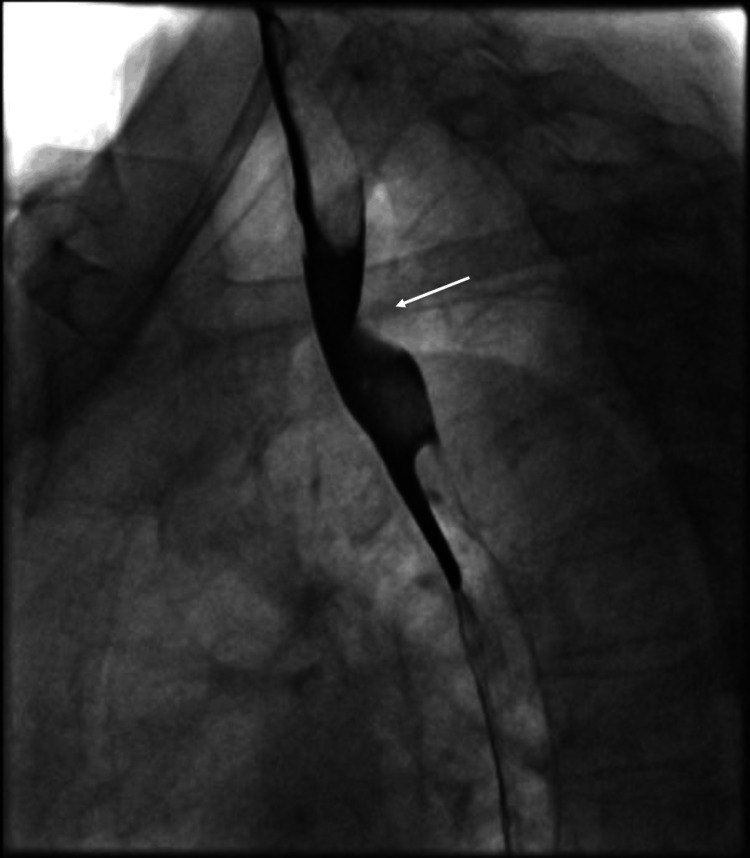 Figure 1
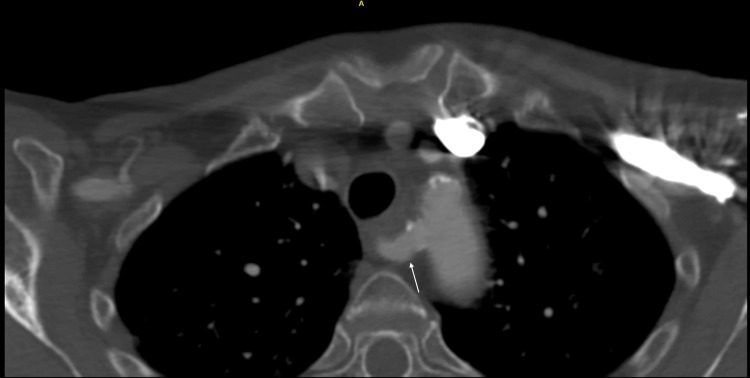 Figure 2
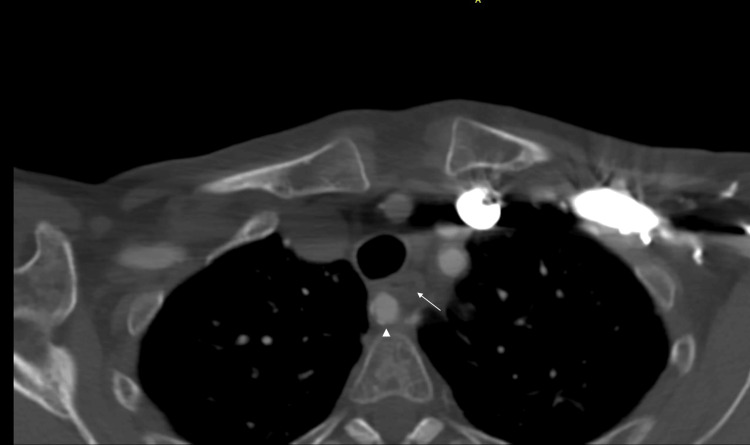 Figure 3
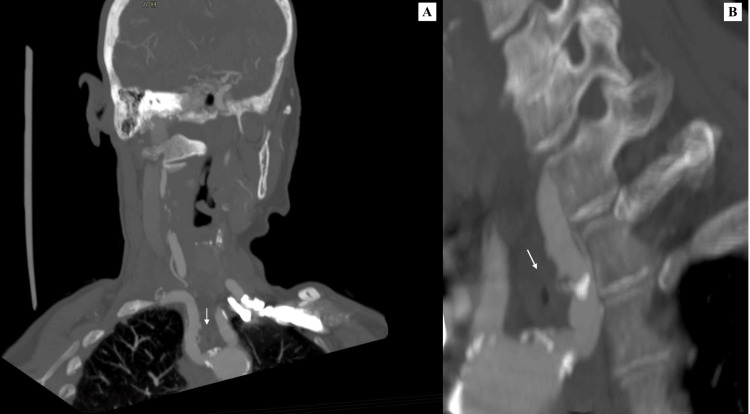 Figure 4
Peer Reviews
No public reviews on file for this paper yet. If you reviewed it on a platform where reviews are public (OpenReview, ICLR, NeurIPS, ICML), you can paste yours below so the community can read it here.
Videos
No videos yet. Explain this paper in a talk, walkthrough, or lecture? Add one.
Taxonomy
TopicsVascular Procedures and Complications · Cerebrovascular and Carotid Artery Diseases · Vascular Anomalies and Treatments