Safranal-loaded gold nanoparticles alleviate hepatocellular carcinoma via targeting the Wnt/β-catenin pathway
Yara A. Samra, Al Shaima G. Abd El Salam, Amr M. Abdelghany, Mamdouh M. El-Shishtawy

TL;DR
Safranal-loaded gold nanoparticles may help treat liver cancer by targeting a specific pathway and reducing drug resistance.
Contribution
Safranal-loaded gold nanoparticles show enhanced antitumor activity and reduce doxorubicin chemo-resistance in hepatocellular carcinoma.
Findings
Safranal significantly inhibits the Wnt/β-catenin pathway and related proteins in HCC.
Safranal-loaded gold nanoparticles enhance antitumor effects and reduce multi-drug resistance.
Combining safranal and doxorubicin-loaded gold nanoparticles improves therapeutic outcomes.
Abstract
The Wnt/β-catenin pathway is frequently activated in hepatocellular carcinoma (HCC); thus, it is considered a potential target for novel therapies. Safranal (SAF), a natural product, is reputed for its antitumor and antioxidant activities. Gold nanoparticles (AuNPs) exhibit unique physicochemical properties, they can carry and transport drugs to the tumor as they can passively accumulate within the tumor. The current study aims to evaluate SAF and SAF-AuNPs antitumor effect in HCC model via targeting the Wnt pathway and to evaluate the ability of SAF-AuNPs and Doxorubicin-gold nanoparticles (DOX-AuNPs) in ameliorating DOX chemo-resistance in HCC and enhancing its therapeutic index to reduce unwanted side effects. SAF significantly attenuated the Wnt/β-catenin pathway, which down-regulated the proliferation and tumor angiogenesis. SAF decreased significantly Wnt-3a, β-catenin, Cyclin D1…
Genes, proteins, chemicals, diseases, species, mutations and cell lines named across the full text — each resolved to its canonical identifier and authoritative record.
Click any figure to enlarge with its caption.
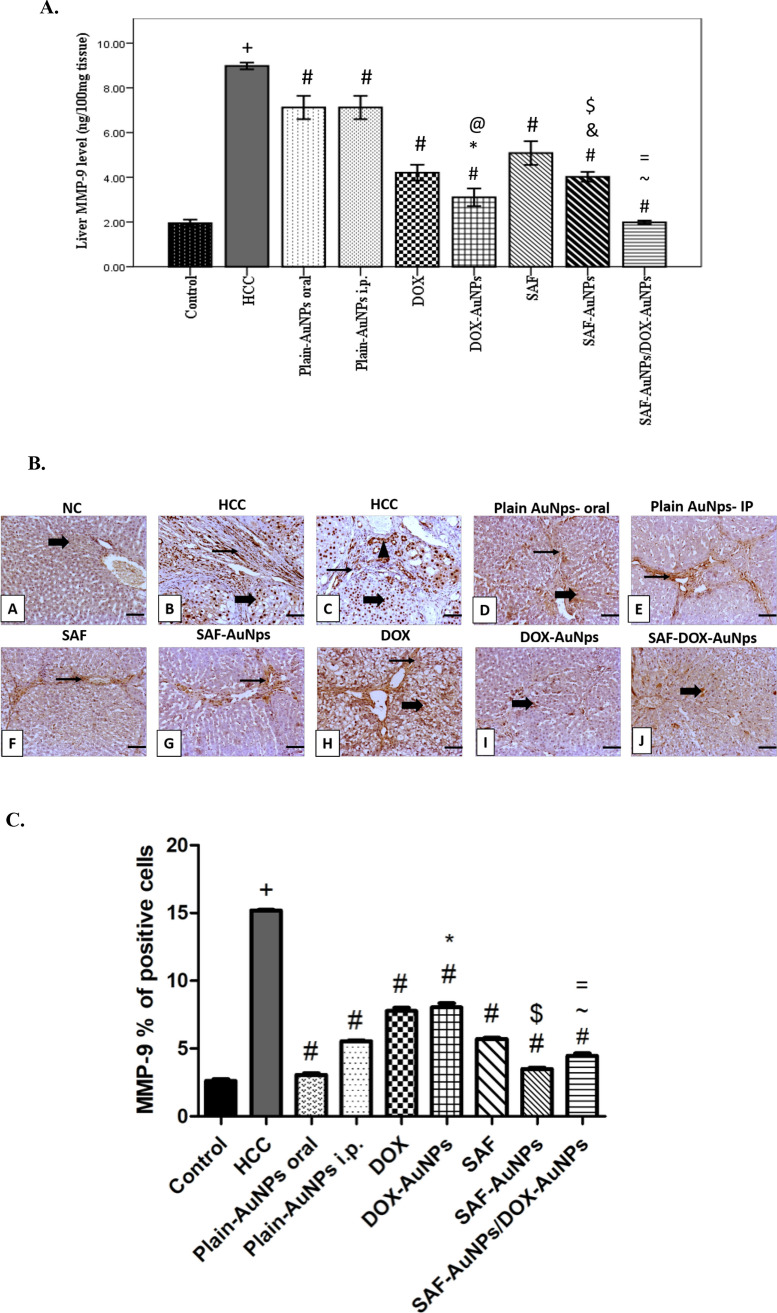 Figure 10
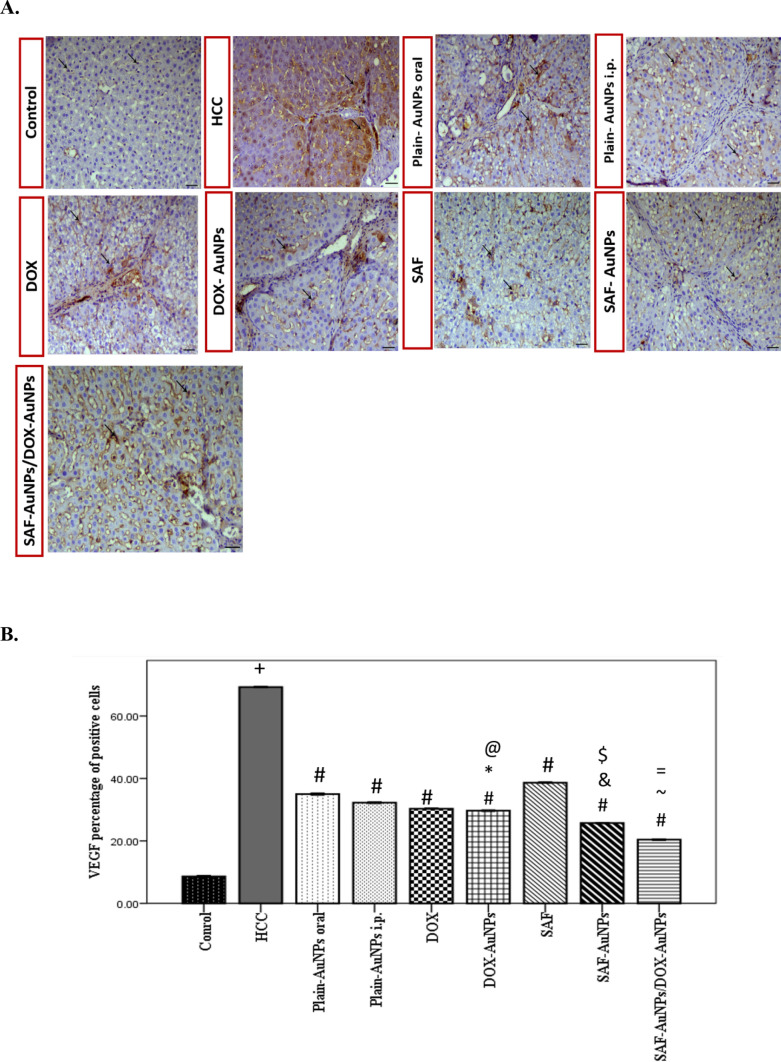 Figure 11
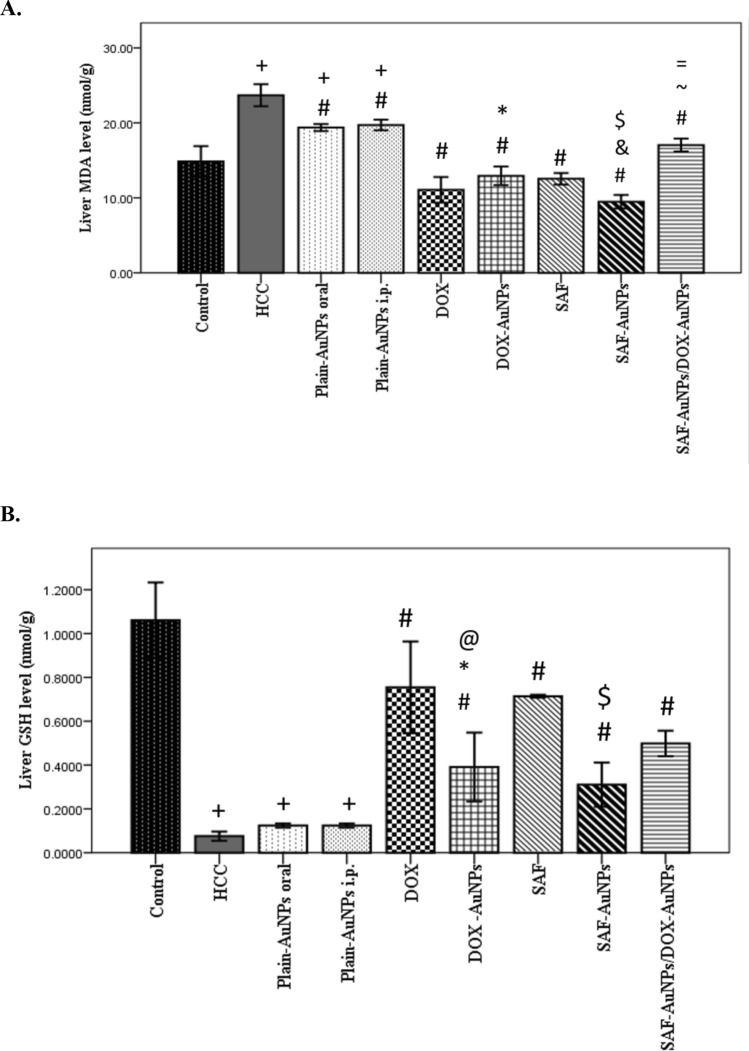 Figure 12
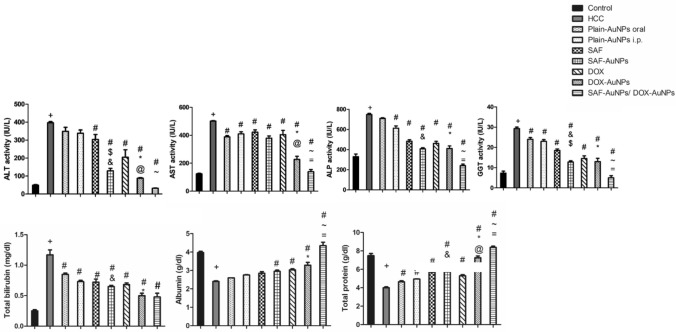 Figure 1
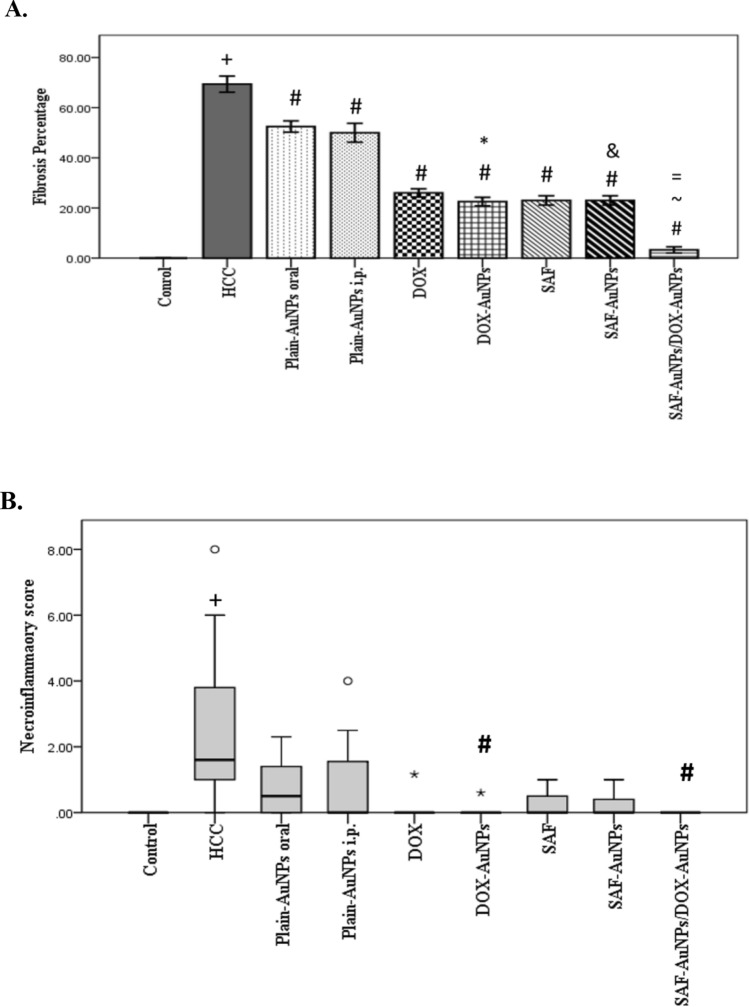 Figure 2
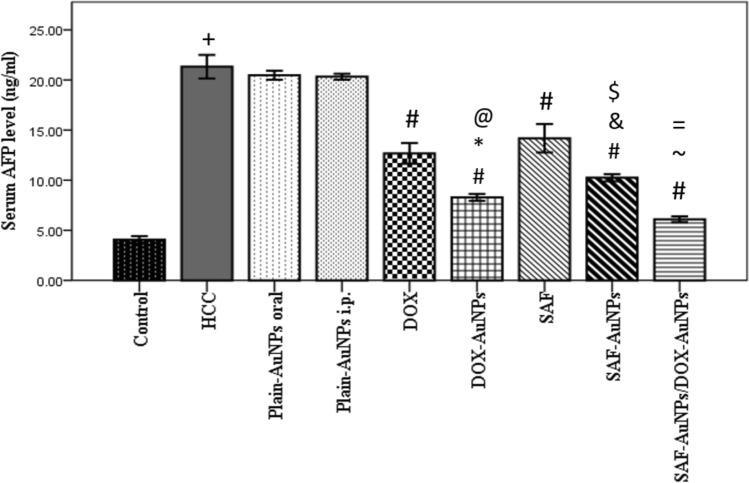 Figure 3
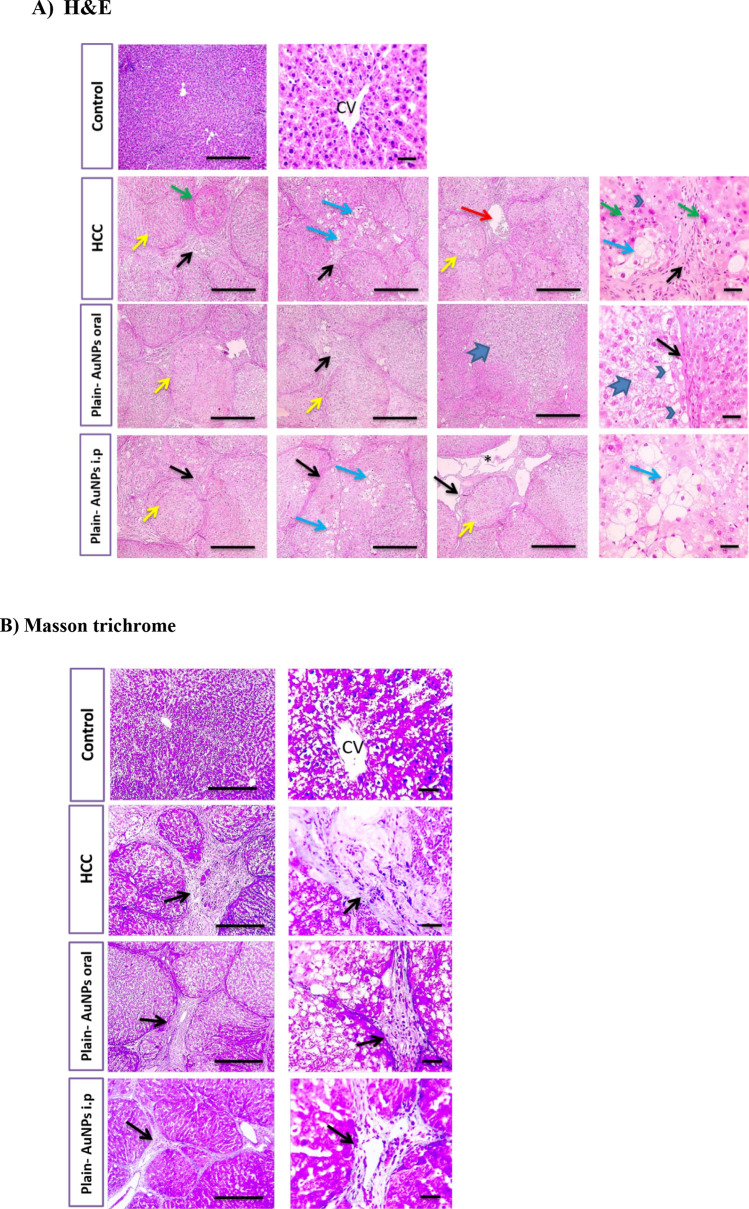 Figure 4
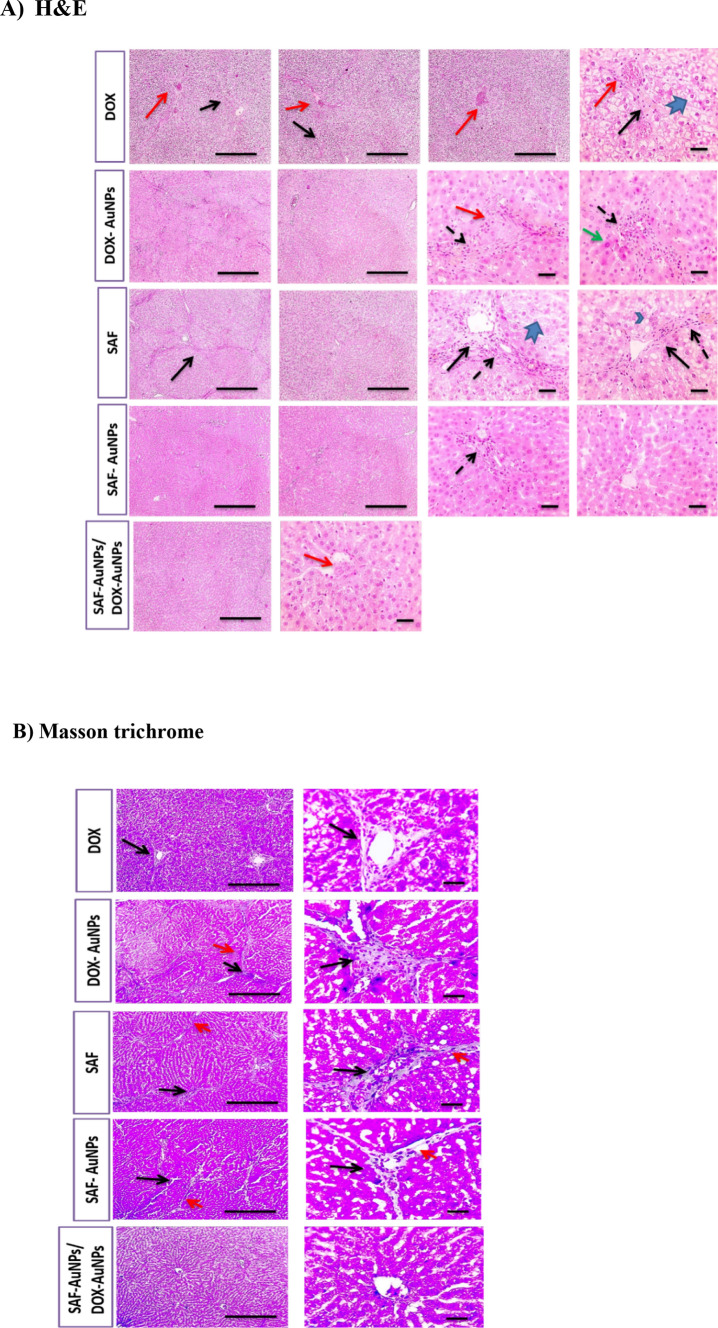 Figure 5
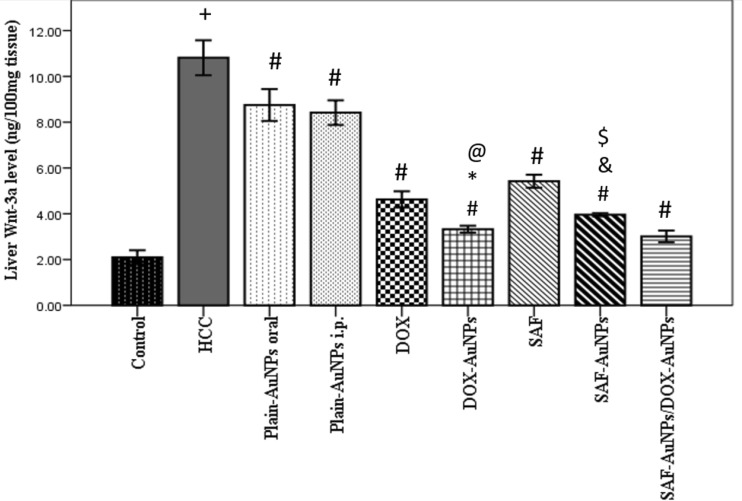 Figure 6
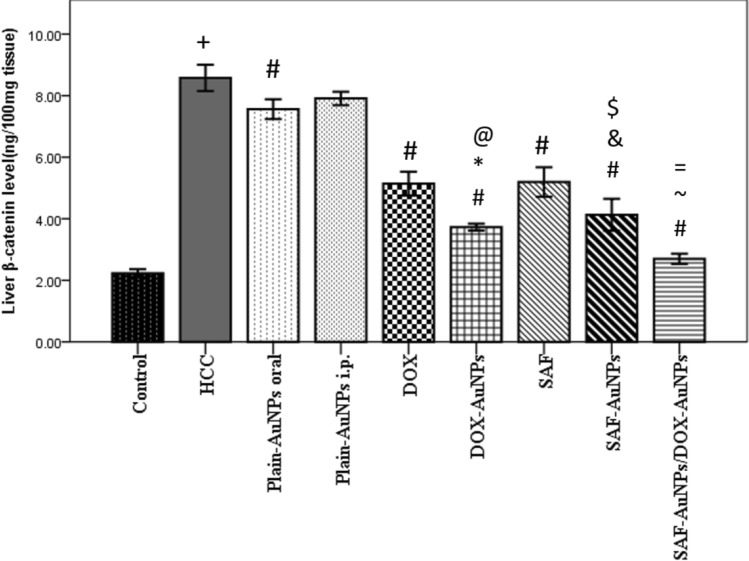 Figure 7
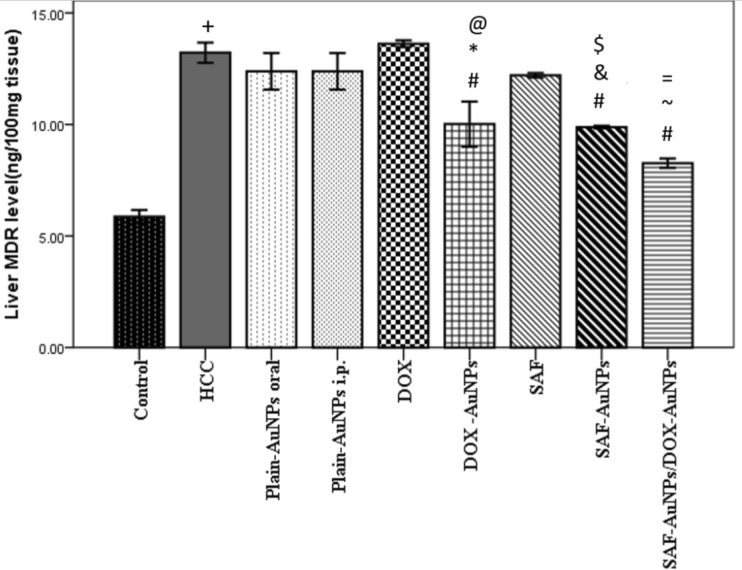 Figure 8
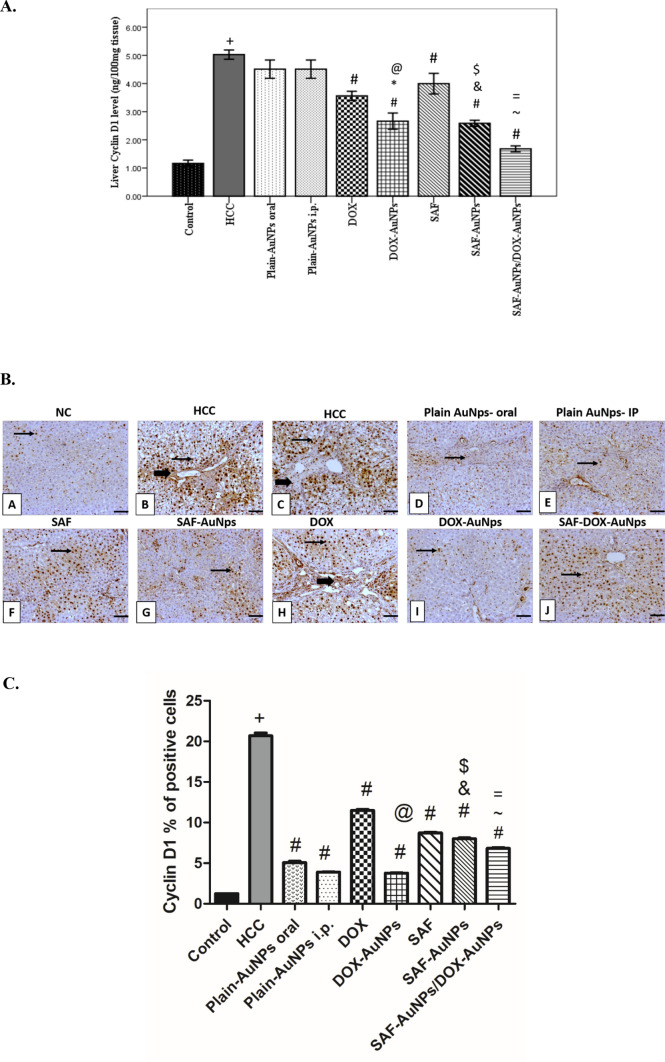 Figure 9
Peer Reviews
No public reviews on file for this paper yet. If you reviewed it on a platform where reviews are public (OpenReview, ICLR, NeurIPS, ICML), you can paste yours below so the community can read it here.
Videos
No videos yet. Explain this paper in a talk, walkthrough, or lecture? Add one.
Taxonomy
TopicsCurcumin's Biomedical Applications · Nigella sativa pharmacological applications · Medicinal Plant Research