Differential response by tandem leaders and followers to landmark-rich and landmark-poor environments
Norasmah Basari, Ana B. Sendova-Franks, Alan Worley, Nigel R. Franks

TL;DR
Ants adjust their navigation strategies based on the number of landmarks in their environment, with leaders and followers behaving differently when returning.
Contribution
The study reveals how tandem leaders and followers respond differently to landmark-rich and landmark-poor environments during return trips.
Findings
Followers in landmark-poor environments had more tortuous and slower return paths than leaders.
In landmark-rich environments, leaders' return paths included loops, similar to followers in landmark-poor environments.
More navigational information in landmark-rich settings may cause leaders to mimic follower-like behaviors.
Abstract
When animals use the same route repeatedly, they have the opportunity to update information that might help them to navigate more quickly and more accurately. Here we analyse ants involved in tandem running, in which the leader has evaluated a new nest and decided to recruit to it while the follower has chosen to be led and shown the route. We used a motorised gantry equipped with a camera to track the movements of tandem members on their tandem and return trips in a landmark-rich and a landmark-poor environment. Although the amount of visual navigational information did not affect the movements of leaders or followers on their tandem trip, the paths of followers were significantly more tortuous and their speeds significantly slower than those of leaders on their return trips in the landmark-poor environment. By contrast, there were no such differences between the followers and leaders…
Genes, proteins, chemicals, diseases, species, mutations and cell lines named across the full text — each resolved to its canonical identifier and authoritative record.
Click any figure to enlarge with its caption.
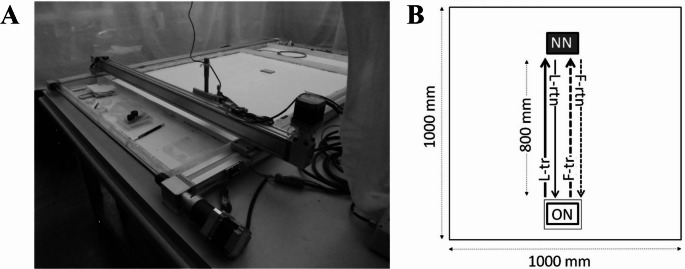 Figure 1
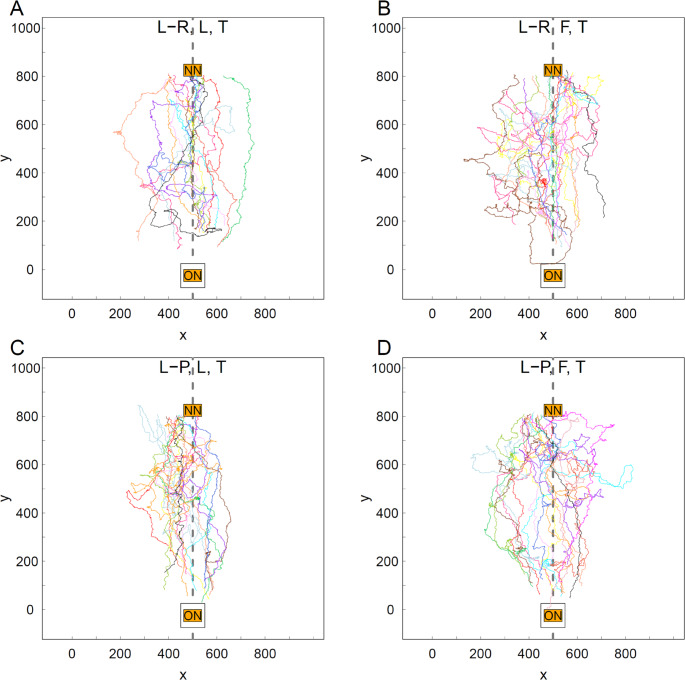 Figure 2
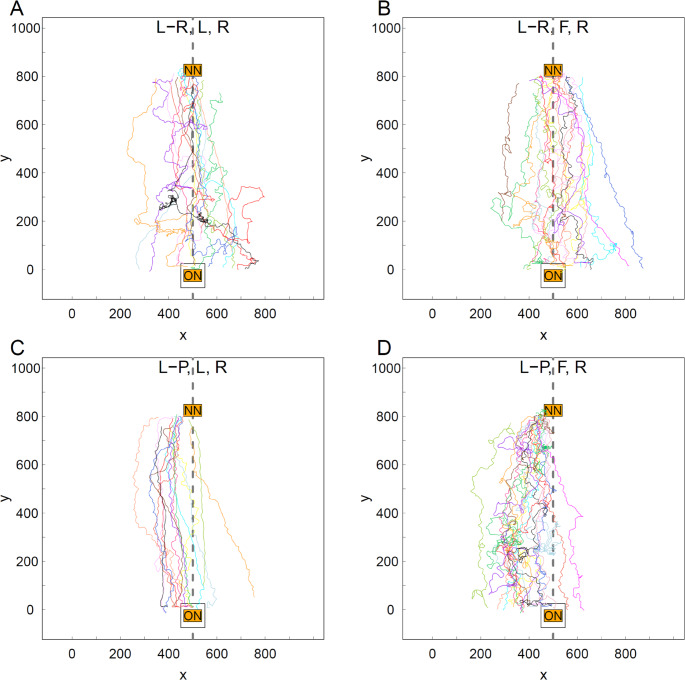 Figure 3
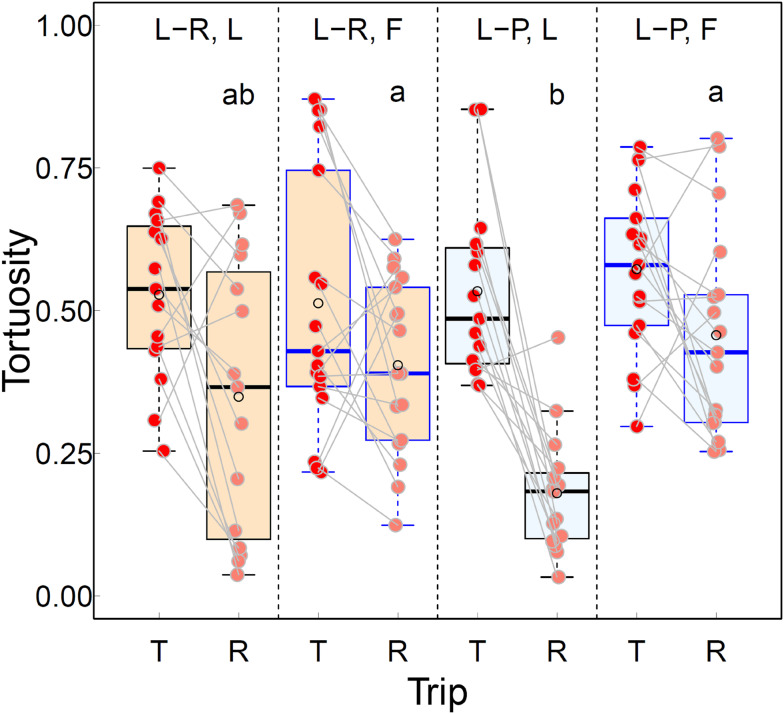 Figure 4
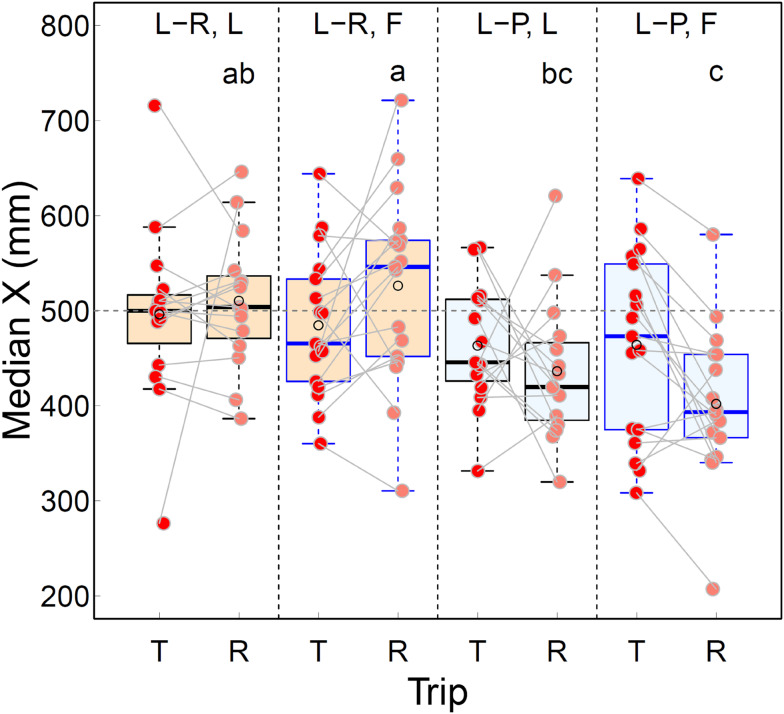 Figure 5
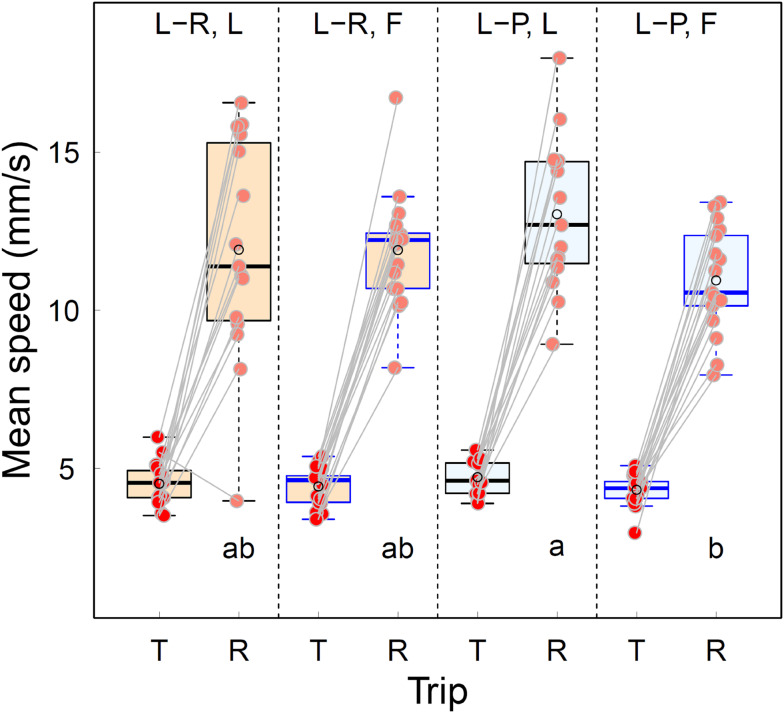 Figure 6
Peer Reviews
No public reviews on file for this paper yet. If you reviewed it on a platform where reviews are public (OpenReview, ICLR, NeurIPS, ICML), you can paste yours below so the community can read it here.
Videos
No videos yet. Explain this paper in a talk, walkthrough, or lecture? Add one.
Taxonomy
TopicsAnimal Behavior and Reproduction · Insect and Arachnid Ecology and Behavior · Neurobiology and Insect Physiology Research