A proteotranscriptomic approach to dissect the molecular landscape of human retinoblastoma
Julian Wolf, Rozina Ida Hajdu, Stefaniya Boneva, Ira Godbole, Lucas Stürzbecher, Claudia Auw-Haedrich, Wolf A. Lagrèze, Hansjürgen Agostini, Thomas Reinhard, Stefan Tholen, Oliver Schilling, Günther Schlunck, Bertram Bengsch, Clemens Lange

TL;DR
This study uses proteotranscriptomics to explore the molecular features of retinoblastoma, identifying potential new therapeutic targets.
Contribution
The study integrates RNA sequencing and proteomics with spatial analysis to reveal novel tumor cell clusters and potential cancer stem cells in retinoblastoma.
Findings
RNA and protein levels showed moderate correlation, highlighting the need for integrated analysis.
IMC identified 67,000 single cells grouped into 11 clusters, including CD44+/c-Myc+ tumor cells.
Antigen-presenting cells showed elevated CD68 levels in retinoblastoma samples.
Abstract
Retinoblastoma is a rare pediatric eye cancer caused by mutations in the RB1 gene, which regulates retinal cell growth. Early detection and treatment are critical for preventing vision loss and improving survival outcomes. This study aimed to perform an integrated proteotranscriptomic characterization of human retinoblastoma to provide a deeper understanding of disease biology and to identify novel therapeutic targets. Paired tumor and adjacent retinal tissue samples were dissected from seven eyes. RNA sequencing and liquid chromatography-mass spectrometry were performed on the same samples. The spatially resolved cellular landscape was assessed using Imaging Mass Cytometry (IMC). The correlation between RNA and protein level was moderate with variations across different pathways, underscoring the value of an integrated proteotranscriptomic approach. IMC identified more than 67,000…
Genes, proteins, chemicals, diseases, species, mutations and cell lines named across the full text — each resolved to its canonical identifier and authoritative record.
Click any figure to enlarge with its caption.
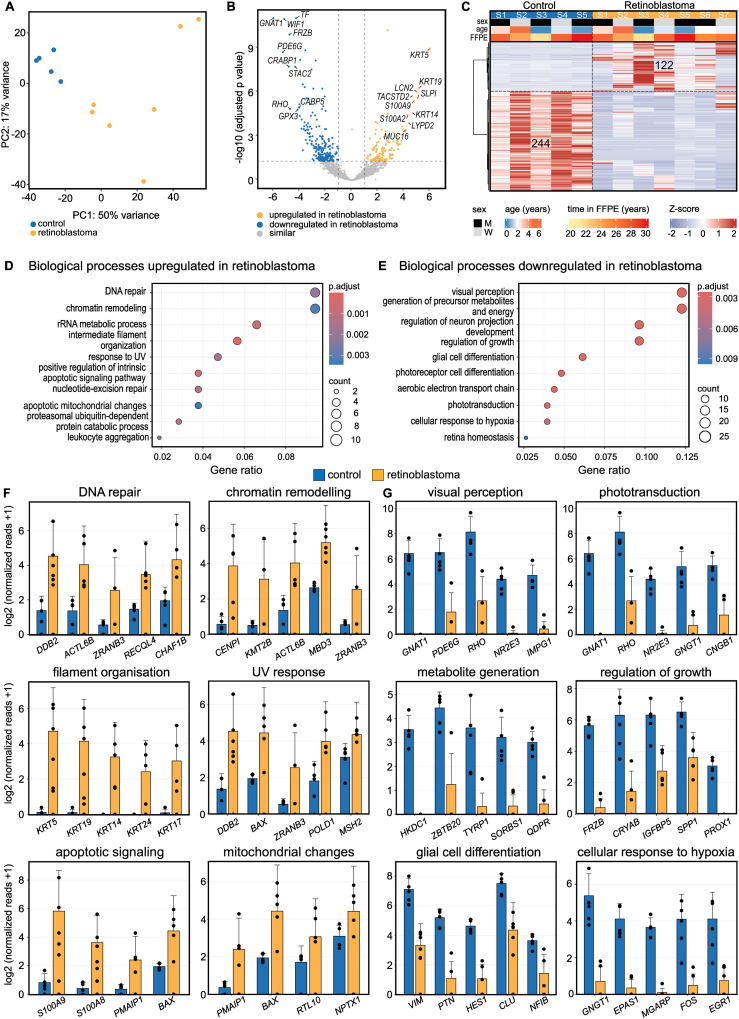 Figure 1
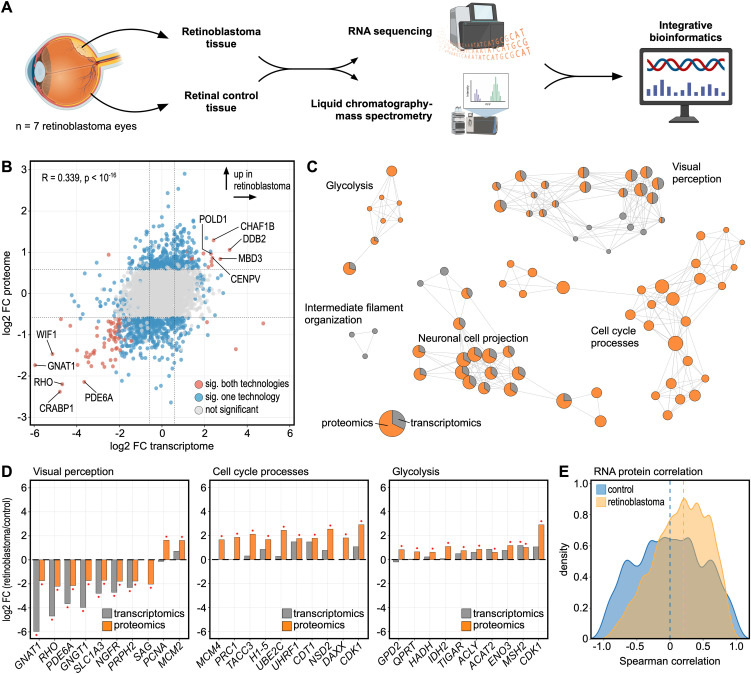 Figure 2
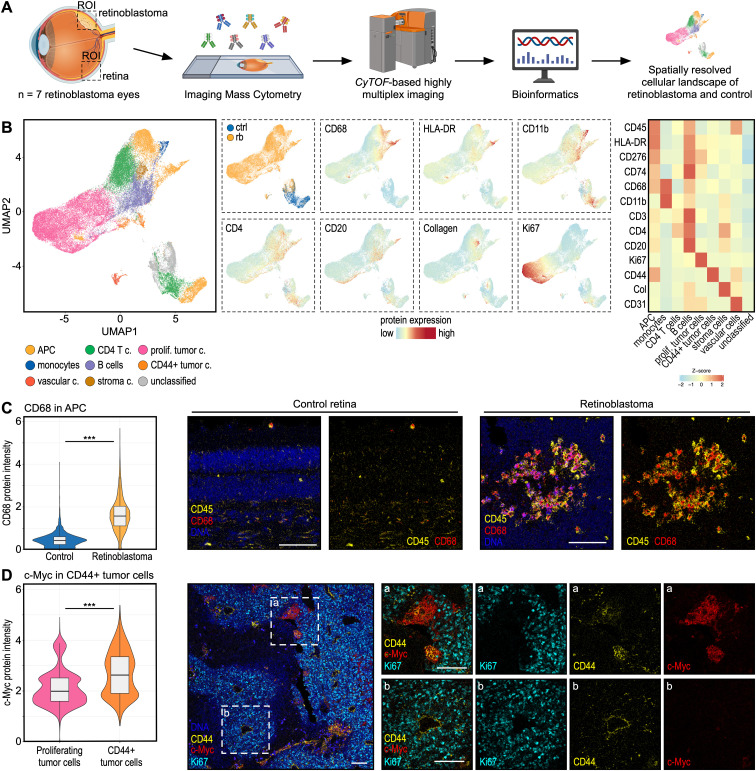 Figure 3
Peer Reviews
No public reviews on file for this paper yet. If you reviewed it on a platform where reviews are public (OpenReview, ICLR, NeurIPS, ICML), you can paste yours below so the community can read it here.
Videos
No videos yet. Explain this paper in a talk, walkthrough, or lecture? Add one.
Taxonomy
TopicsUbiquitin and proteasome pathways · Cancer-related Molecular Pathways · Ocular Oncology and Treatments