The Active Ingredients and Potential Mechanism of Qijia Rougan Decoction in Autophagy and Hepatic Stellate Cell Activation Modulation in Liver Fibrogenesis
Gui-Yu Li, Bai-Xue Li, Hong-Fei Song, Jie-Wen Gou, Li Wen, Quan-Sheng Feng

TL;DR
This study explores how Qijia Rougan decoction may reduce liver fibrosis by affecting cell activation and autophagy processes.
Contribution
The study identifies active compounds and the PI3K/AKT/mTOR pathway as key mechanisms of Qijia Rougan decoction in liver fibrosis.
Findings
Qijia Rougan decoction reduced liver fibrosis markers and HSC activation in rats.
The decoction suppressed autophagosome formation and α-SMA expression in HSC-T6 cells.
Network analysis revealed 274 compounds and 12,883 targets linked to the PI3K/AKT pathway.
Abstract
Background and Objectives: Liver fibrosis results from chronic inflammation. Qijia Rougan decoction, a traditional Chinese medicinal formulation, shows hepatoprotective potential, yet its mechanisms remain unclear. This study aims to investigate its antifibrotic effects and underlying mechanisms. Methods: Rat liver fibrosis was induced by carbon tetrachloride (CCl4) and ethanol exposure. Histopathological assessment was performed using hematoxylin–eosin (HE) and Masson's trichrome staining. Hepatic stellate cell (HSC) activation and autophagic processes were examined through western blot analysis, immunofluorescence staining, and other in vitro assays. Components of Qijia Rougan decoction were analyzed by BATMAN-TCM platform. The pharmacological network was constructed using BATMAN-TCM platform, while disease-related targets were identified through DisGeNET database. Pathway enrichment…
Genes, proteins, chemicals, diseases, species, mutations and cell lines named across the full text — each resolved to its canonical identifier and authoritative record.
Click any figure to enlarge with its caption.
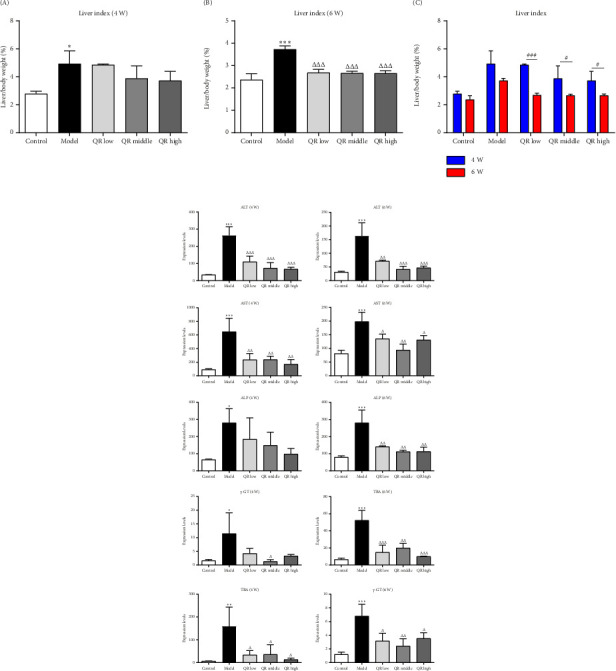 Figure 1
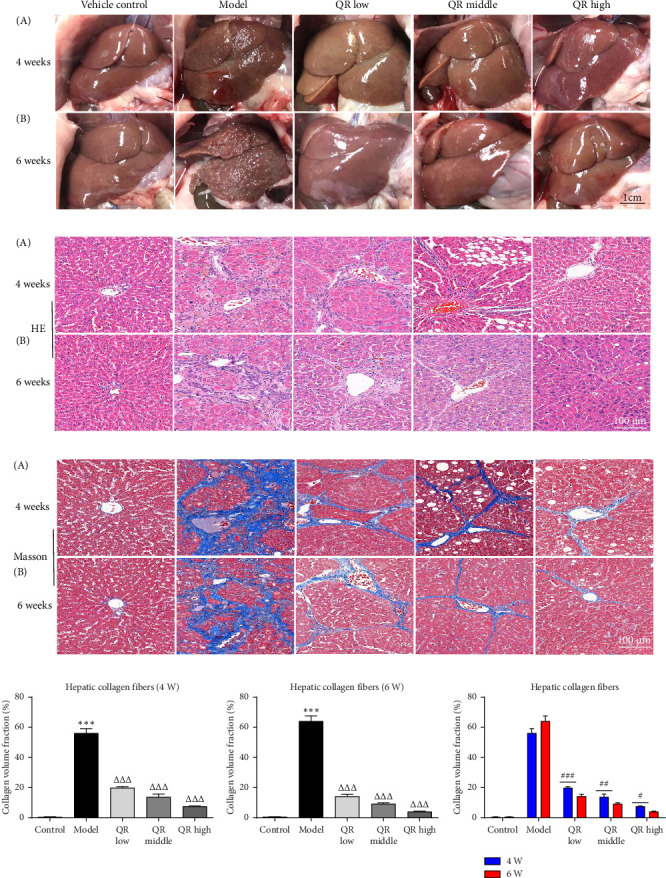 Figure 2
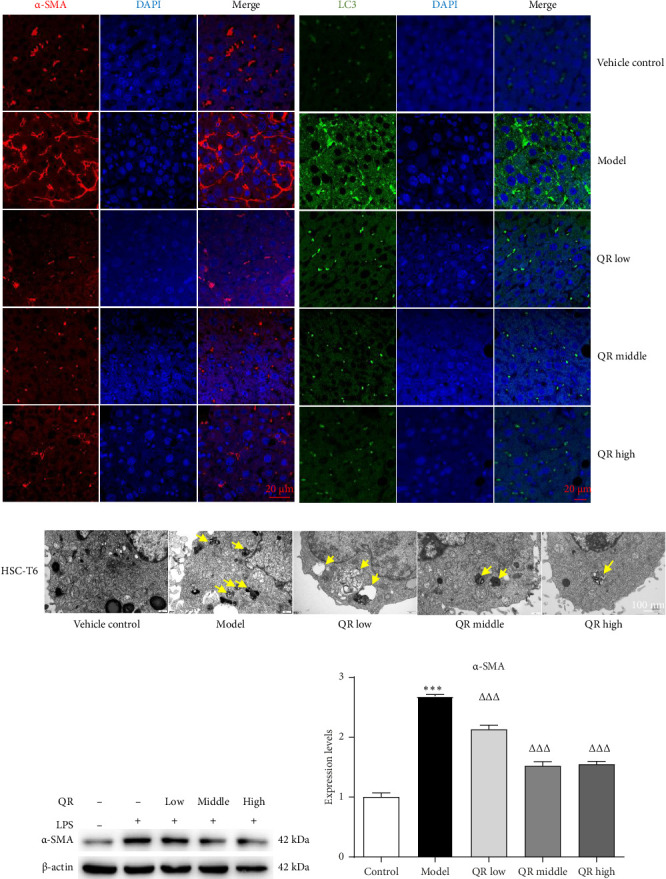 Figure 3
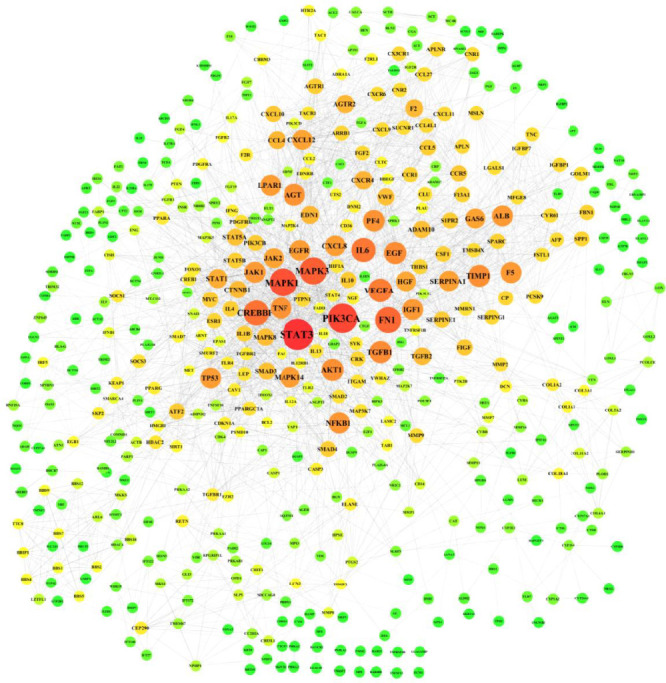 Figure 4
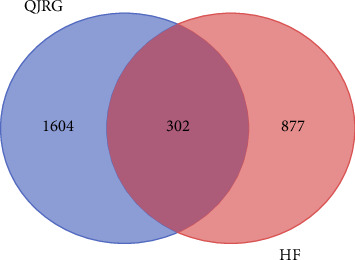 Figure 5
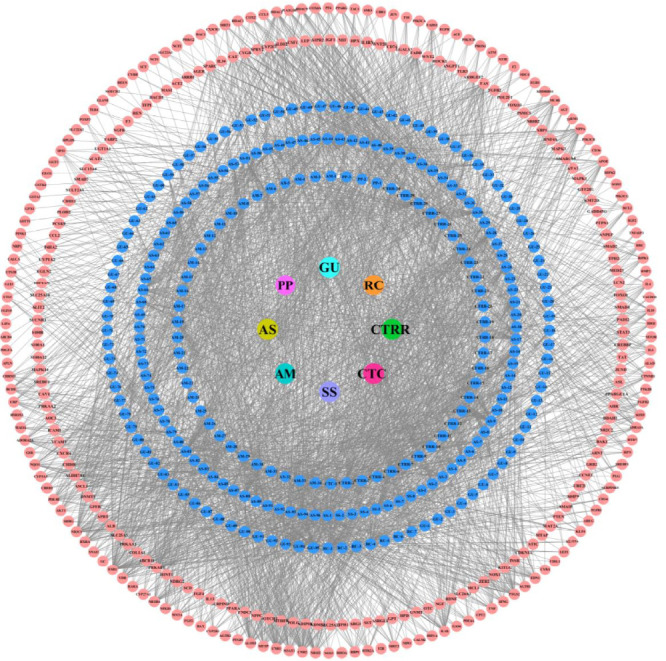 Figure 6
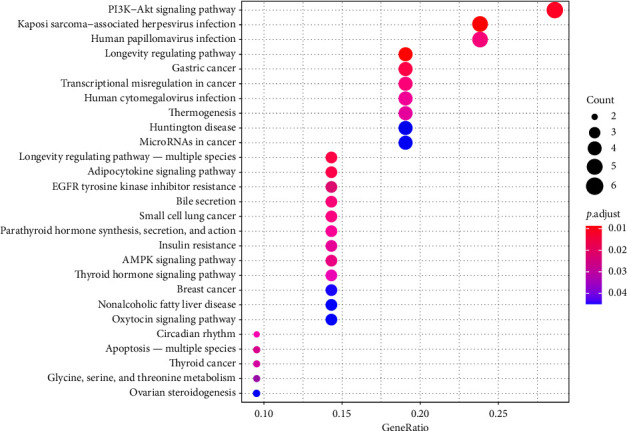 Figure 7
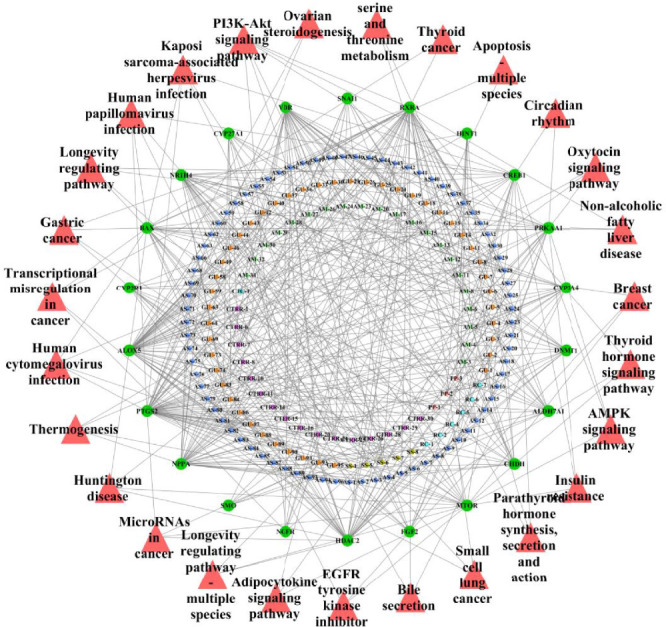 Figure 8
Peer Reviews
No public reviews on file for this paper yet. If you reviewed it on a platform where reviews are public (OpenReview, ICLR, NeurIPS, ICML), you can paste yours below so the community can read it here.
Videos
No videos yet. Explain this paper in a talk, walkthrough, or lecture? Add one.
Taxonomy
TopicsMitochondrial Function and Pathology · Traditional Chinese Medicine Studies · Medicinal Plants and Bioactive Compounds