Postural Sway Characteristics in Patients With Persistent Postural-Perceptual Dizziness: A Comparative Study Between Psychogenic Vertigo Patients and Healthy Controls
Toru Miwa

TL;DR
This study compares postural sway in patients with persistent postural-perceptual dizziness and psychogenic vertigo, finding similar instability patterns that suggest shared functional dizziness features.
Contribution
The study identifies postural sway as a potential biomarker for persistent postural-perceptual dizziness and highlights similarities with psychogenic vertigo.
Findings
Both PPPD and psychogenic vertigo groups showed significantly larger center of pressure (CoP) areas compared to healthy controls.
Psychogenic vertigo patients exhibited greater CoP length with eyes closed compared to PPPD and healthy controls.
PPPD patients maintained fine postural control despite increased sway, indicating preserved central nervous system adaptation.
Abstract
This study aimed to compare postural sway characteristics and evaluate postural sway as a potential biomarker for persistent postural-perceptual dizziness (PPPD) to clarify diagnostic boundaries. A total of 36 participants were enrolled, including 26 (72.2%) with PPPD, five (13.9%) with psychogenic vertigo, and five (13.9%) healthy controls. Postural sway tests were conducted on all participants, measuring the center of pressure (CoP) area, CoP length, and Romberg ratio. A subgroup analysis was also performed based on the presence of preceding organic diseases. The postural sway tests were conducted using a force platform under standardized conditions. Each participant stood barefoot on a stable surface for 60 seconds with eyes open and then with eyes closed, while data were sampled at 100 Hz. The results showed that both the PPPD and psychogenic vertigo groups exhibited significantly…
Genes, proteins, chemicals, diseases, species, mutations and cell lines named across the full text — each resolved to its canonical identifier and authoritative record.
Click any figure to enlarge with its caption.
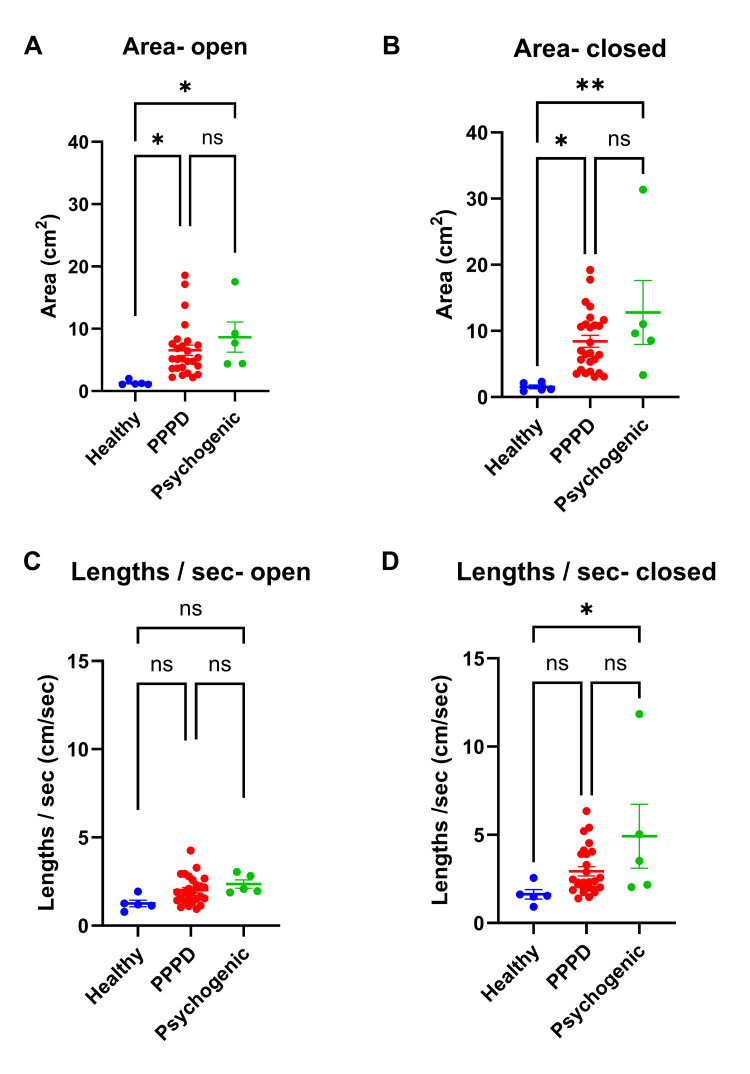 Figure 1
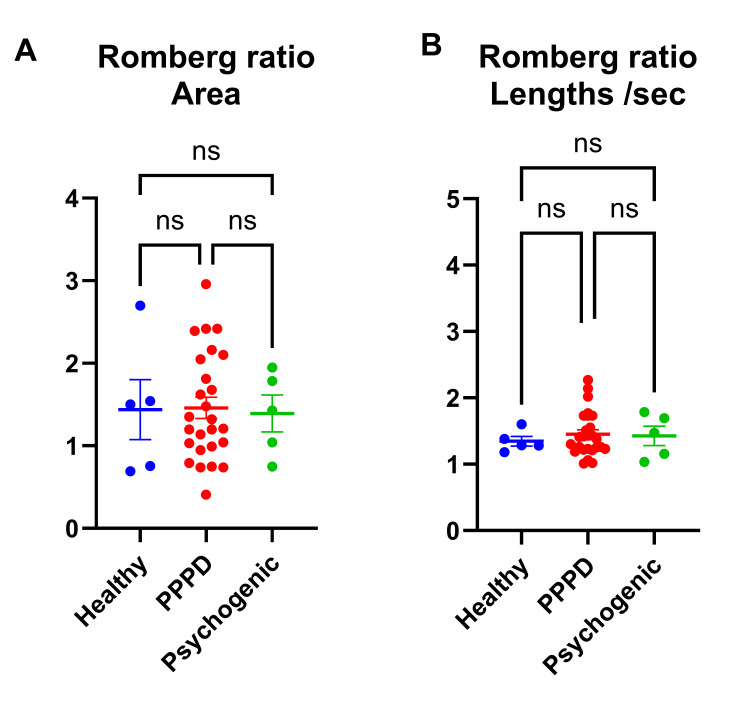 Figure 2
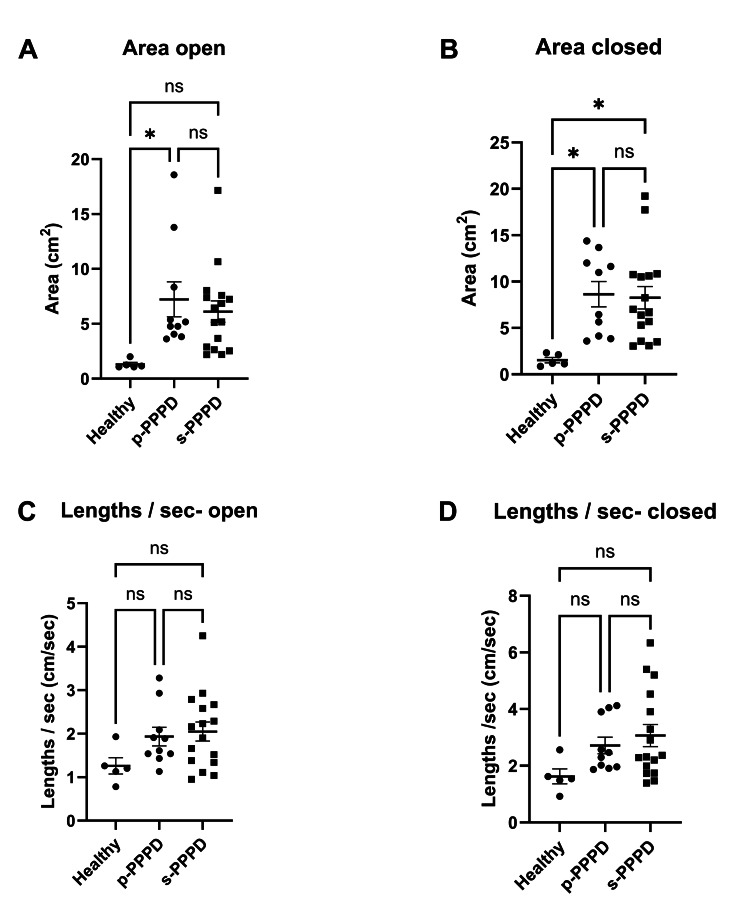 Figure 3
Peer Reviews
No public reviews on file for this paper yet. If you reviewed it on a platform where reviews are public (OpenReview, ICLR, NeurIPS, ICML), you can paste yours below so the community can read it here.
Videos
No videos yet. Explain this paper in a talk, walkthrough, or lecture? Add one.
Taxonomy
TopicsVestibular and auditory disorders · Effects of Vibration on Health