Socio-health factors, ability to perform instrumental and basic activities of daily living, and use of assistive mobility devices during the COVID-19 pandemic: Interrelationships and impact on long-term survival
Vicente Martín Moreno, María Inmaculada Martínez Sanz, Irene Sánchez González, Miguel Recuero Vázquez, Sara Guerra Maroto, Miriam Fernández Gallardo, Amanda Martín Fernández, Julia Herranz Hernando, María Palma Benítez Calderón, Elena Pérez Rico, Laura Calderón Jiménez

TL;DR
This study explores how mobility devices, socioeconomic factors, and pandemic restrictions affect survival and independence in elderly individuals with daily living challenges.
Contribution
The study reveals how socioeconomic status and mobility device use influence survival and functional outcomes during pandemic-related confinement.
Findings
Using crutches or canes was linked to better functional independence and survival.
Wheelchair use and low income increased the risk of being homebound and higher mortality.
Economic capacity significantly influenced survival outcomes during the pandemic.
Abstract
Functional dependence for the performance of basic activities of daily living (ADLs) is one of the main causes of institutionalization. This study analyzed the interrelationships between basic and instrumental activities of daily living, use of assistive mobility devices, socioeconomic factors, changes during COVID-19 pandemic confinement, and 3-year survival in the ADL-dependent people of the Orcasitas neighborhood of Madrid (Spain). A longitudinal descriptive study, carried out on the entire population of functional dependent patients (Barthel ≤ 60) in the Orcasitas neighborhood. We included 127 patients, 78.7% women and 21.3% men, with a mean age of 86 years. Pre-pandemic, post-confinement (June 2020) and June 2023 data were contrasted. Results: The use of crutches-cane was associated with a higher probability of being independent in performing ADLs, leaving home (OR 4.848; CI…
Genes, proteins, chemicals, diseases, species, mutations and cell lines named across the full text — each resolved to its canonical identifier and authoritative record.
Click any figure to enlarge with its caption.
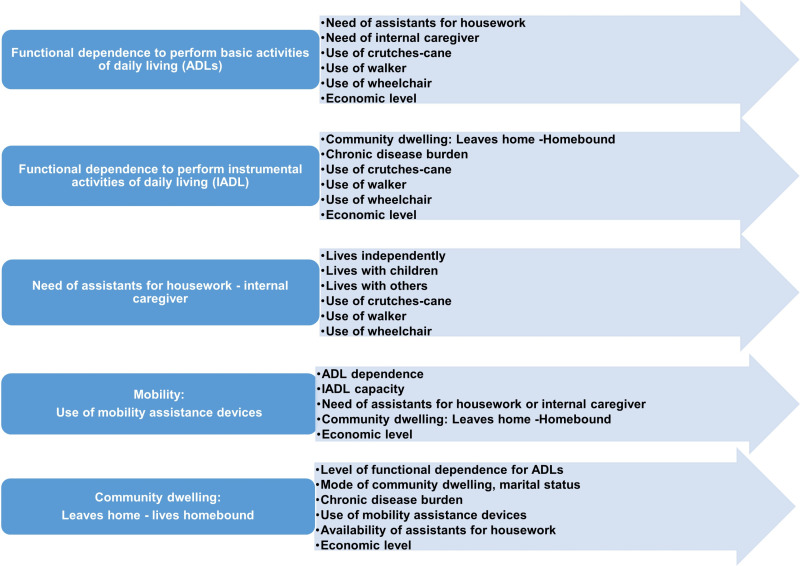 Figure 1
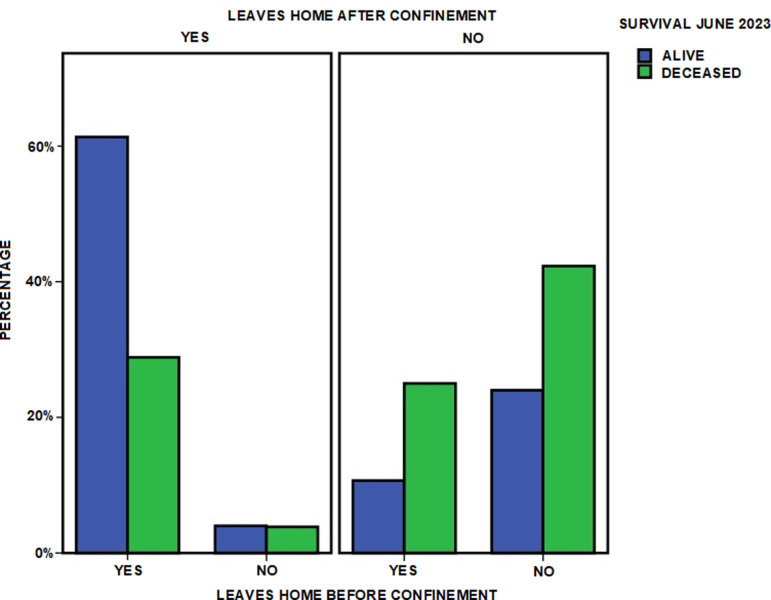 Figure 2
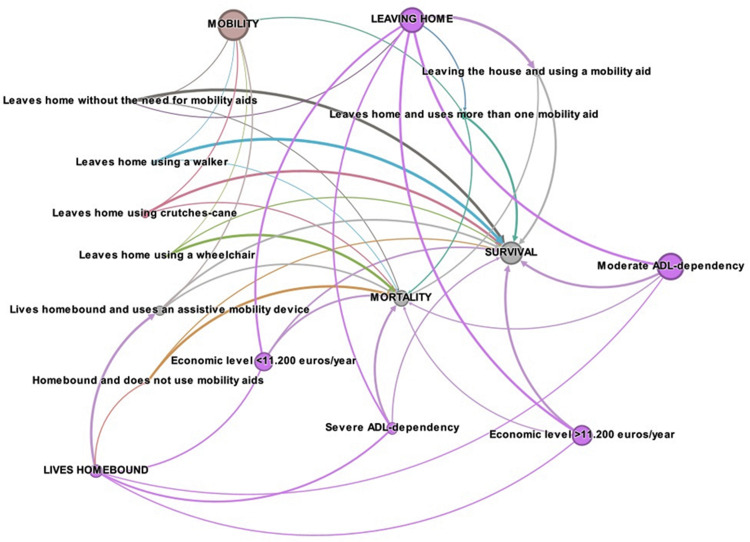 Figure 3
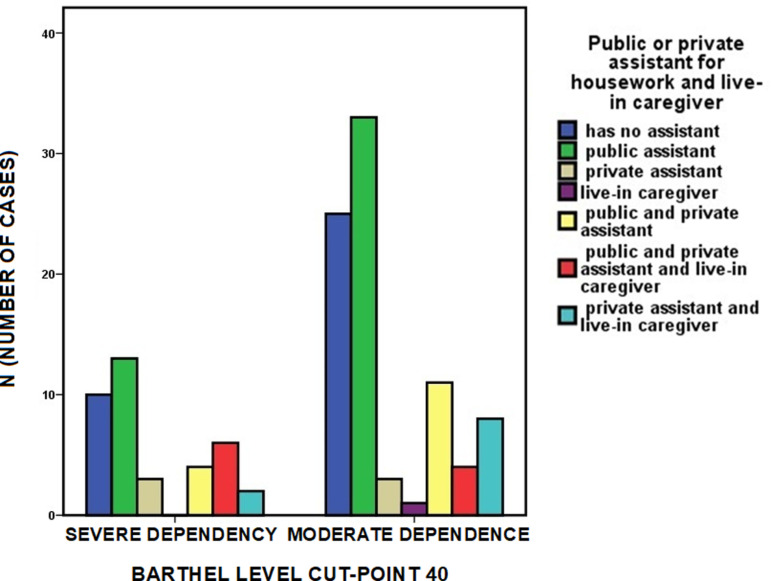 Figure 4
 Figure 5
 Figure 6
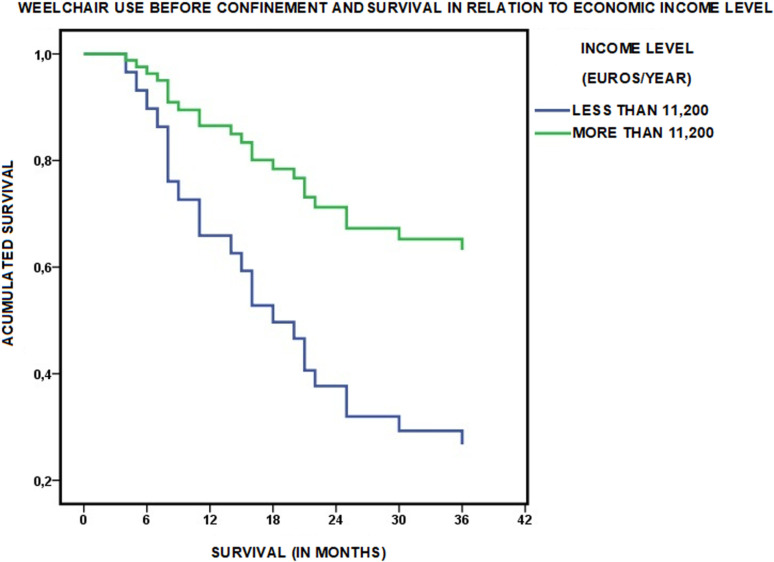 Figure 7
 Figure 8
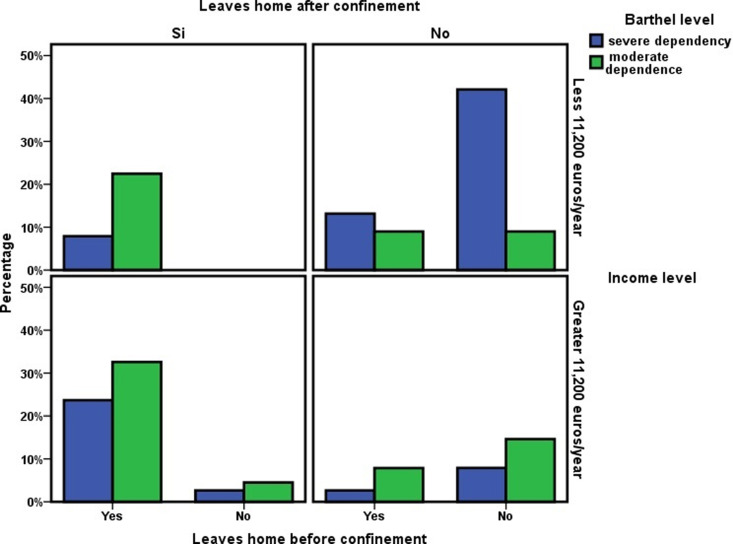 Figure 9
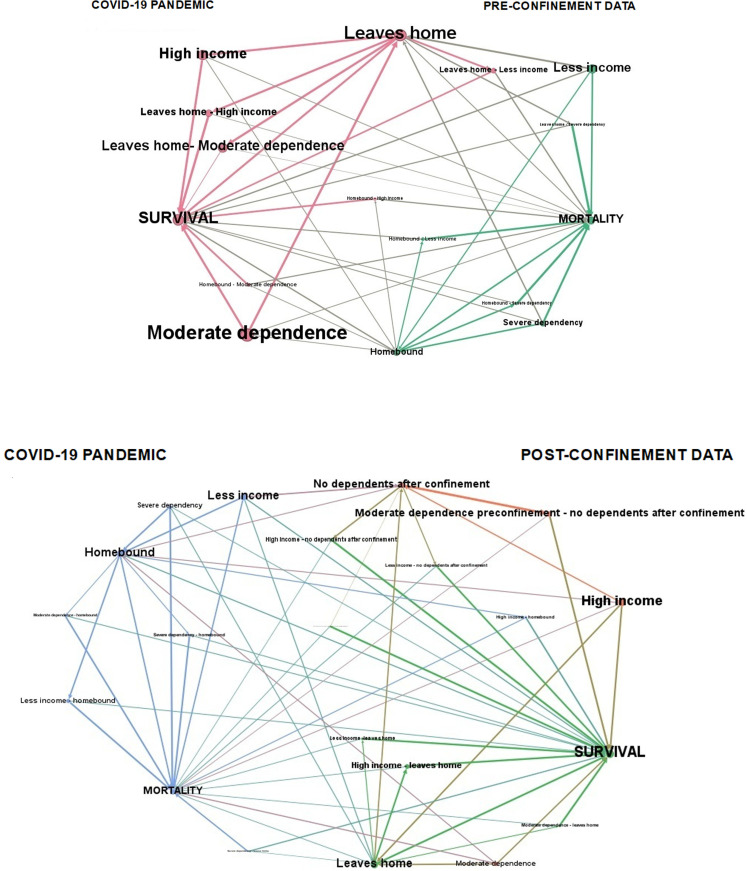 Figure 10
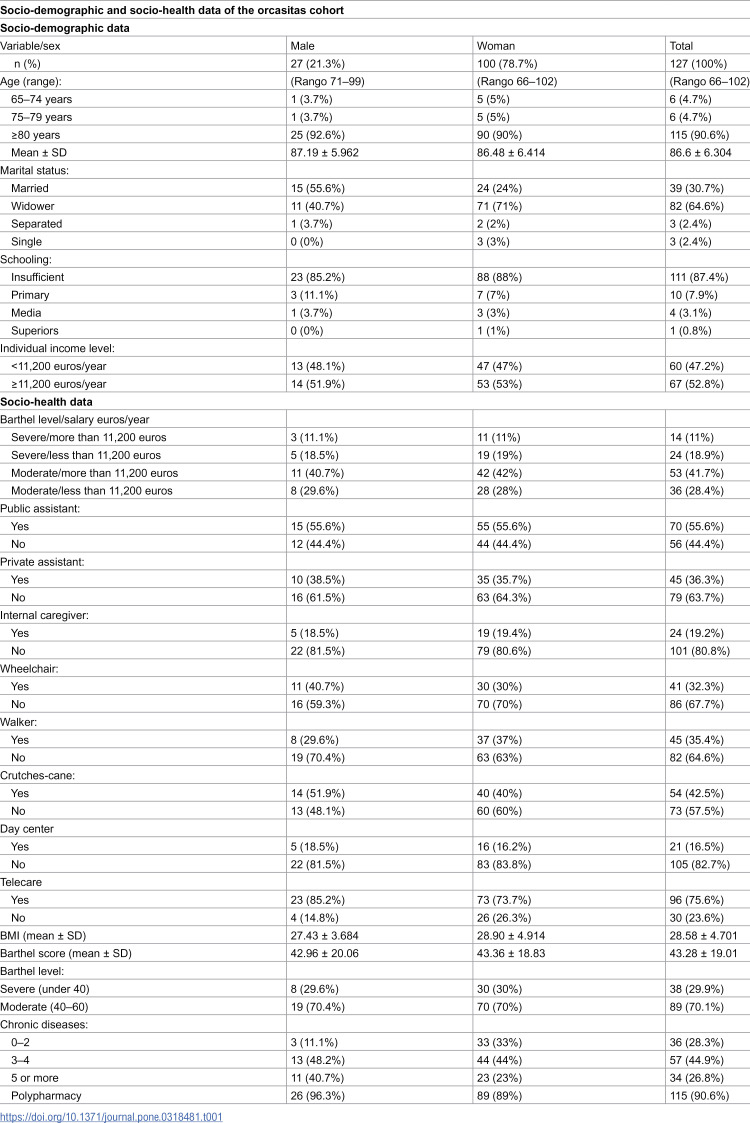 Figure 11
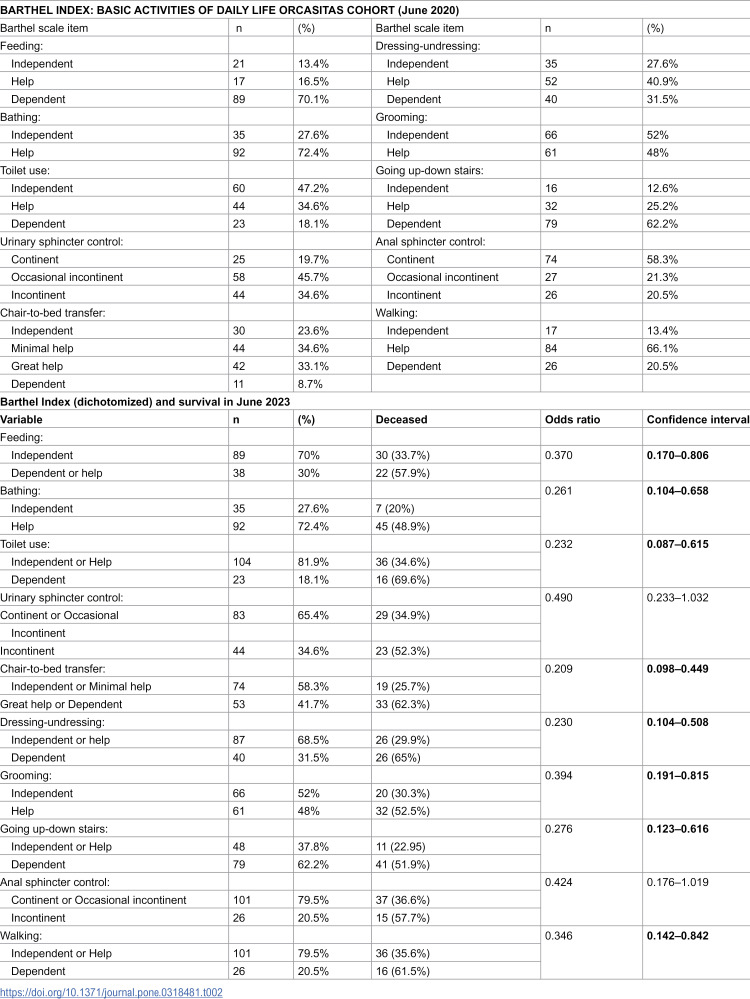 Figure 12
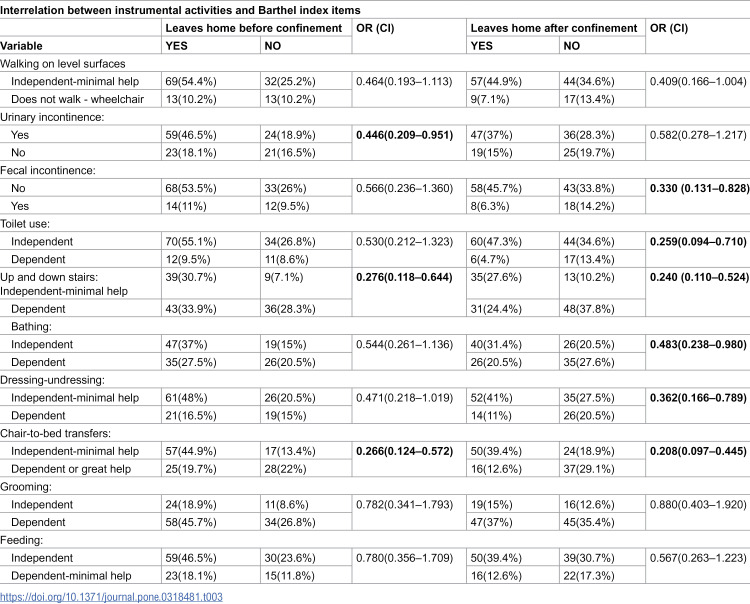 Figure 13
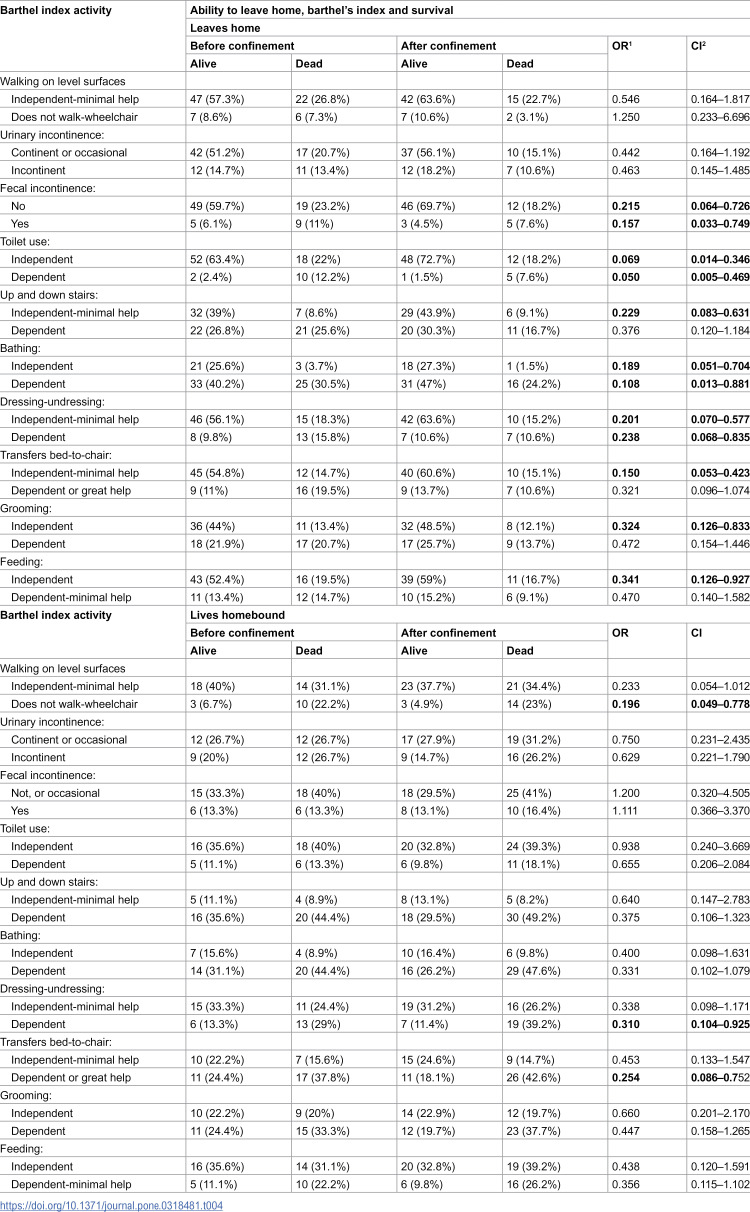 Figure 14
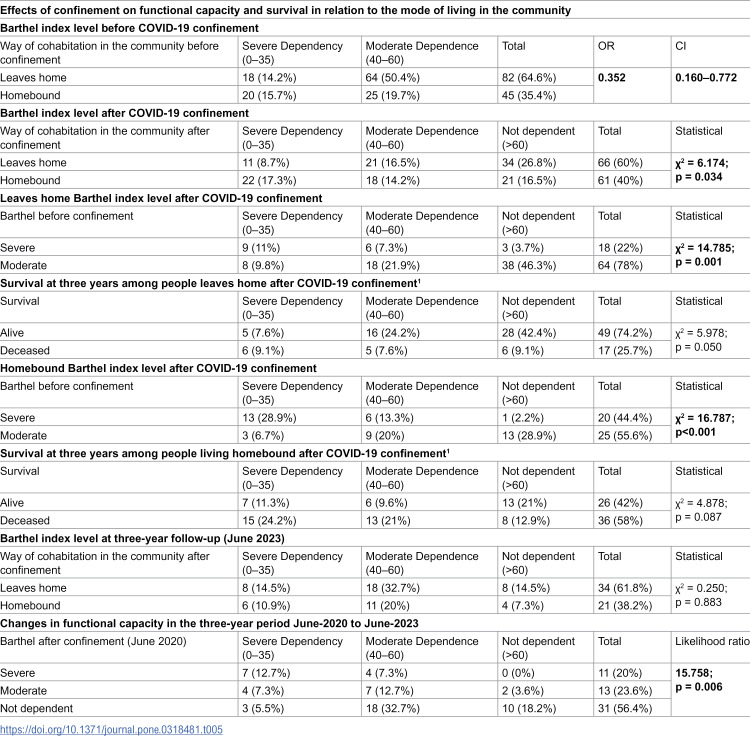 Figure 15
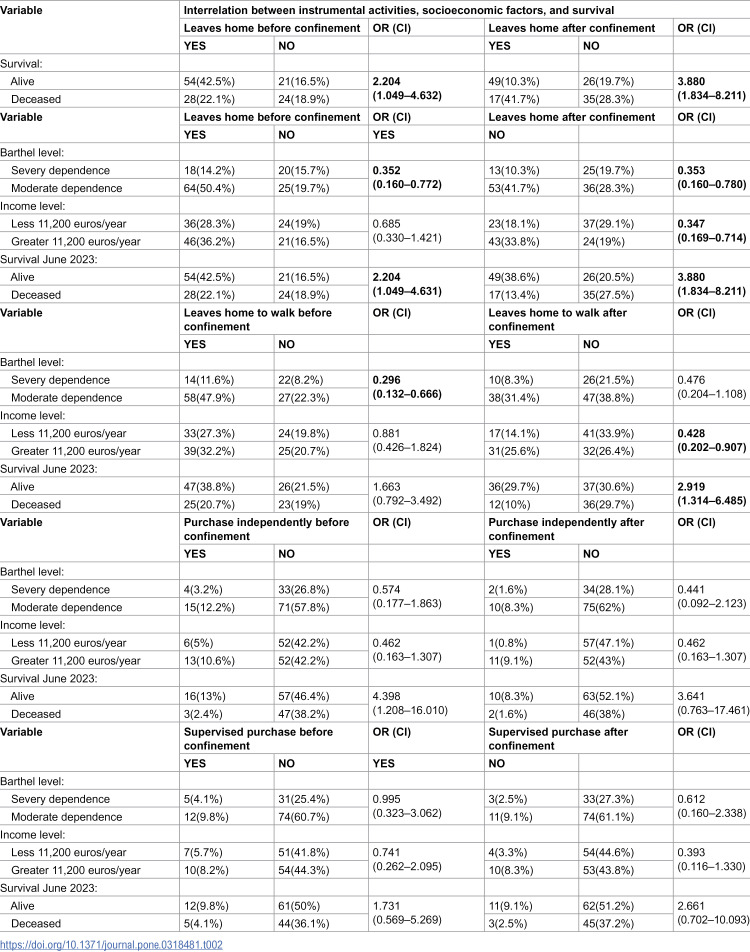 Figure 16
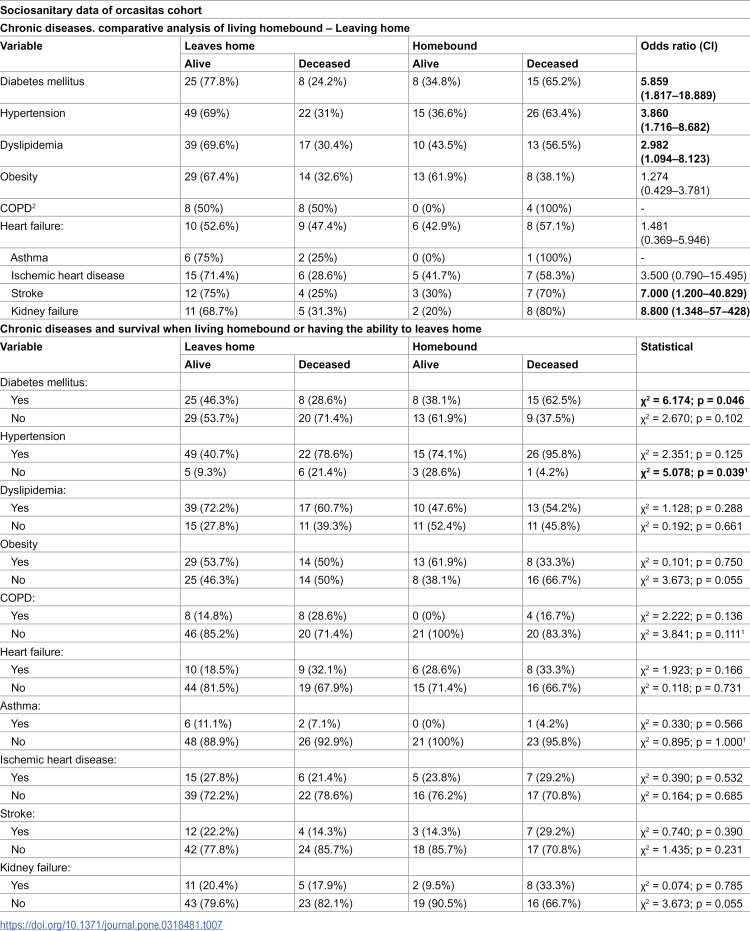 Figure 17
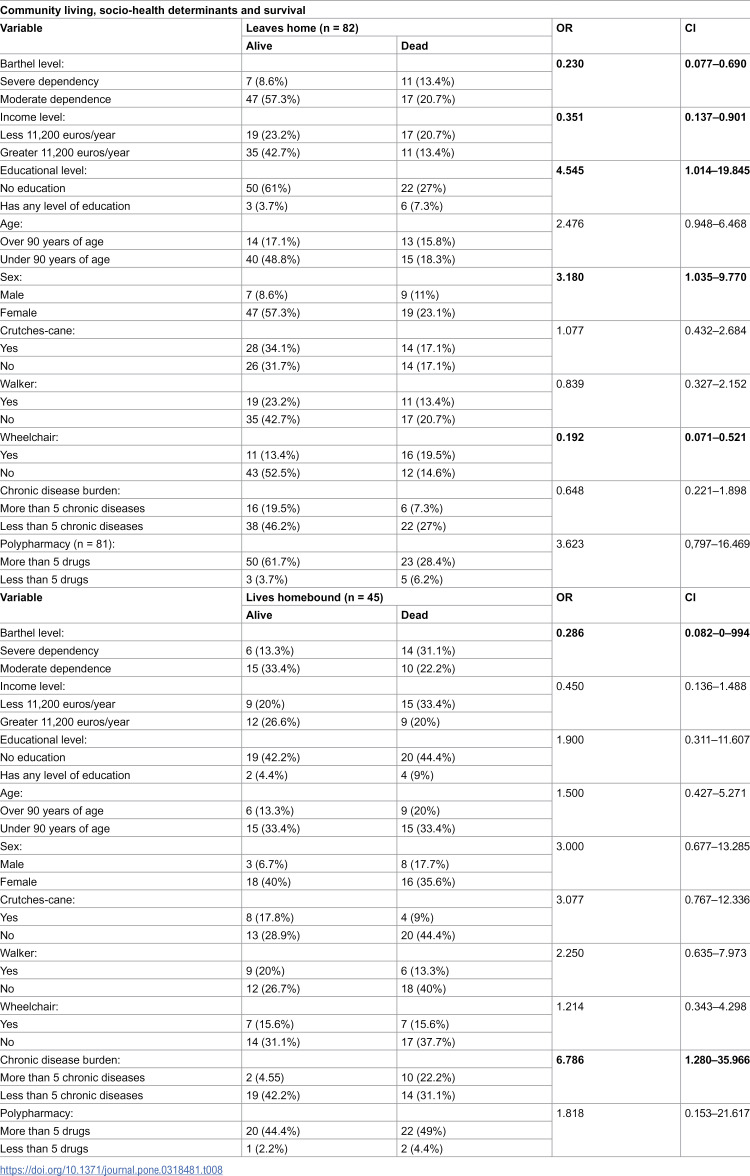 Figure 18
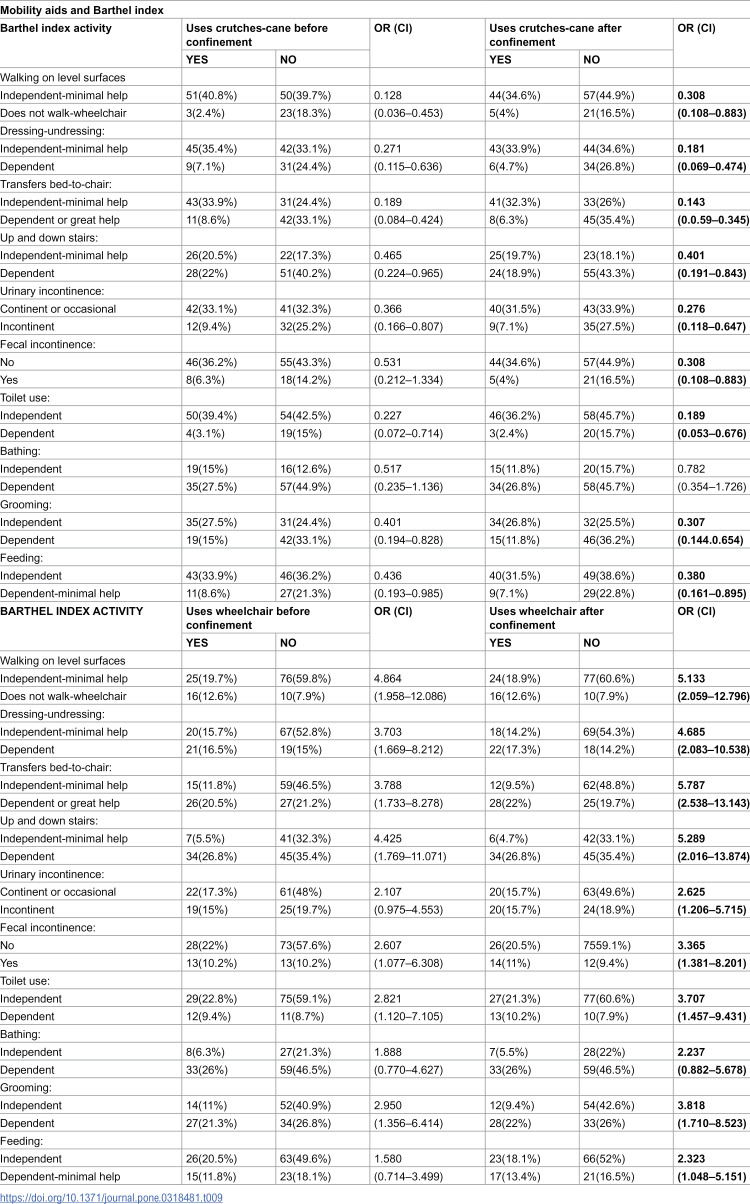 Figure 19
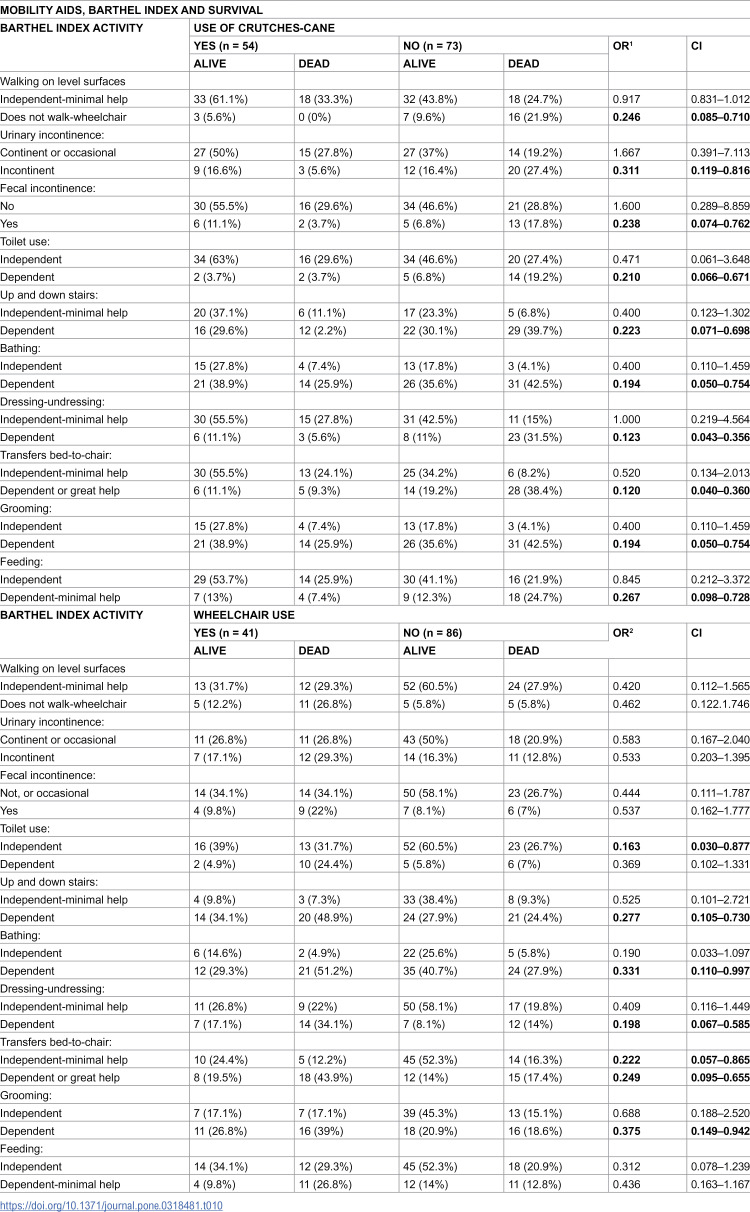 Figure 20
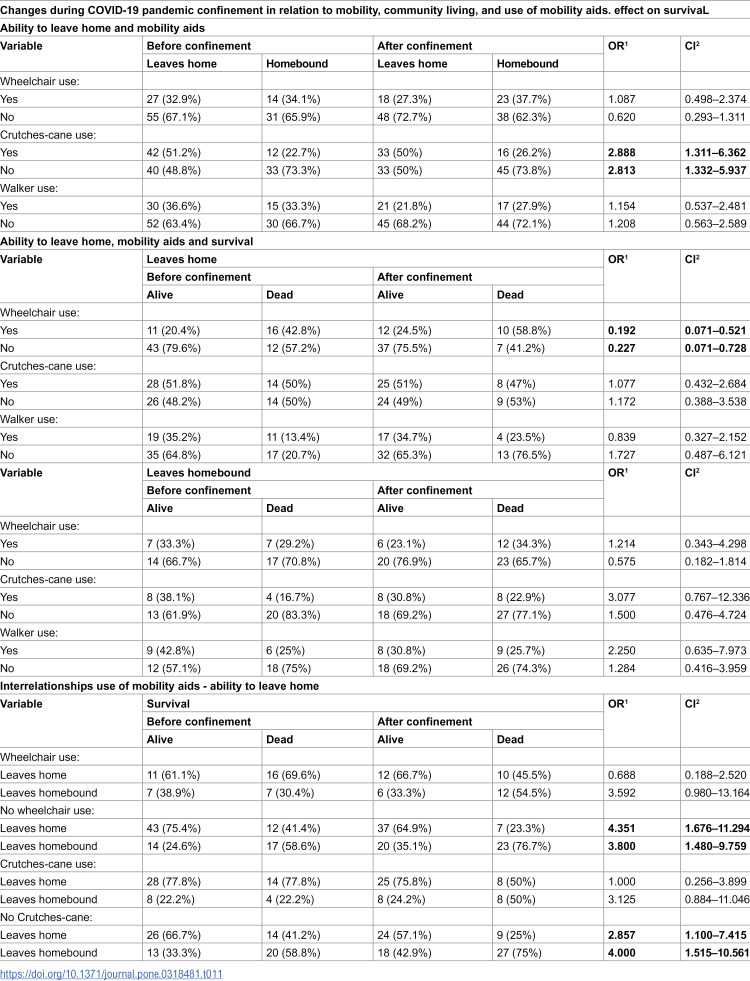 Figure 21
Peer Reviews
No public reviews on file for this paper yet. If you reviewed it on a platform where reviews are public (OpenReview, ICLR, NeurIPS, ICML), you can paste yours below so the community can read it here.
Videos
No videos yet. Explain this paper in a talk, walkthrough, or lecture? Add one.
Taxonomy
TopicsHealth disparities and outcomes · Older Adults Driving Studies · Chronic Disease Management Strategies