One Year Results of the Randomized BiPOWR Trial Comparing the Spring Distraction System (SDS) and the One Way Self-Expanding Rod (OWSER) for the Correction of Neuromuscular and Syndromic Early Onset Scoliosis
Justin V.C. Lemans, Casper S. Tabeling, Agnita Stadhouder, Jeroen J.M. Renkens, E. Pauline Scholten, Hilde W. Stempels, Lotfi Miladi, René M. Castelein, Moyo C. Kruyt

TL;DR
A clinical trial compared two spinal implants for treating scoliosis in children with neuromuscular or syndromic conditions, finding similar curve correction but a much lower complication rate with one system.
Contribution
The first randomized controlled trial comparing two growth-friendly spinal implants in neuromuscular early onset scoliosis.
Findings
Both SDS and OWSER achieved 50% curve correction maintained at 1-year follow-up.
SDS had a significantly lower adverse event rate (30% vs 78% per patient/year) compared to OWSER.
Both systems provided excellent spinal growth without requiring repeated lengthening procedures.
Abstract
Current “growth-friendly” implants for treatment of Early Onset Scoliosis (EOS) have limitations that reduce their efficacy and cost-effectiveness. Recently, two systems have been developed that mitigate many of these limitations, the Spring Distraction System (SDS) and the One Way Self-Expanding Rod (OWSER). The purpose of the multicenter BiPOWR trial was to compare 1-year efficacy and -safety of both strategies in the treatment of neuromuscular or syndromic EOS. Non-ambulant, neuromuscular/syndromic EOS patients were included in three academic hospitals. They were randomized to treatment with SDS or OWSER and were blinded until after surgery. Outcomes were coronal curve, spinal growth and the occurrence of (serious) adverse events ((S)AEs). In addition, spinal growth and implant lengthening were calculated. Data were collected pre-operatively, immediately post-operatively, and at 1-,…
Genes, proteins, chemicals, diseases, species, mutations and cell lines named across the full text — each resolved to its canonical identifier and authoritative record.
Click any figure to enlarge with its caption.
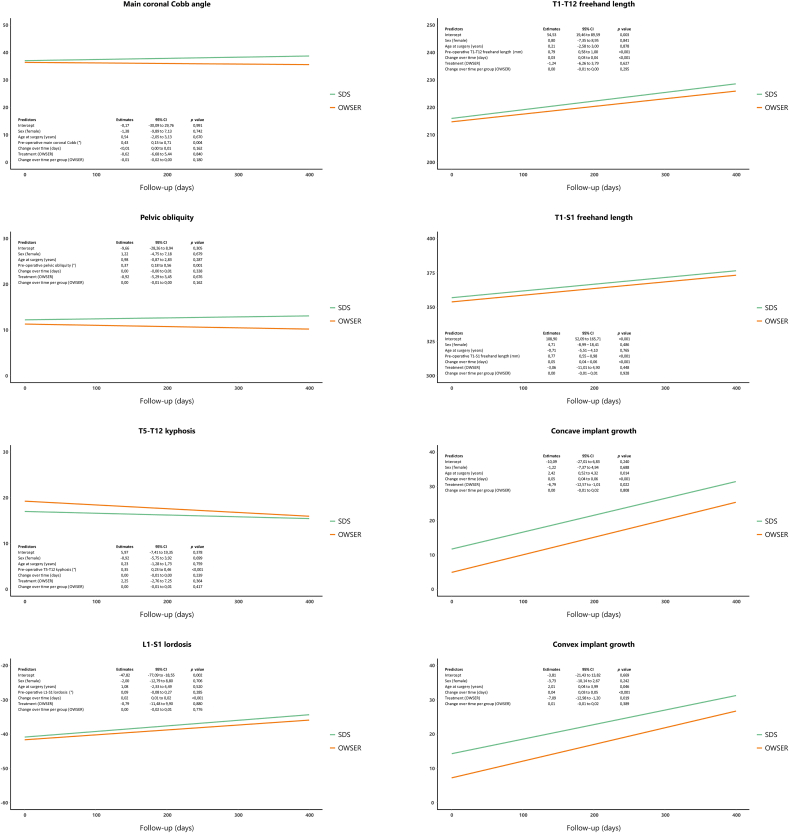 Figure 1
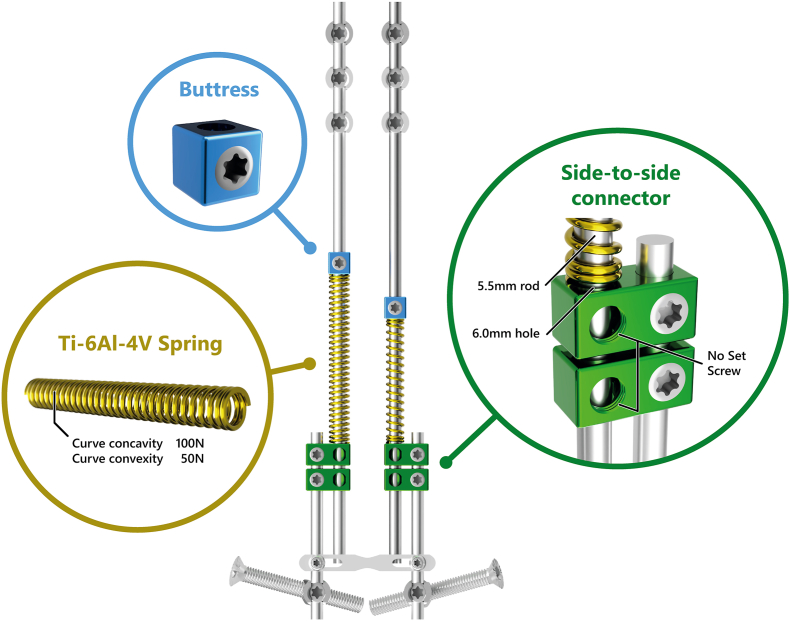 Figure 2
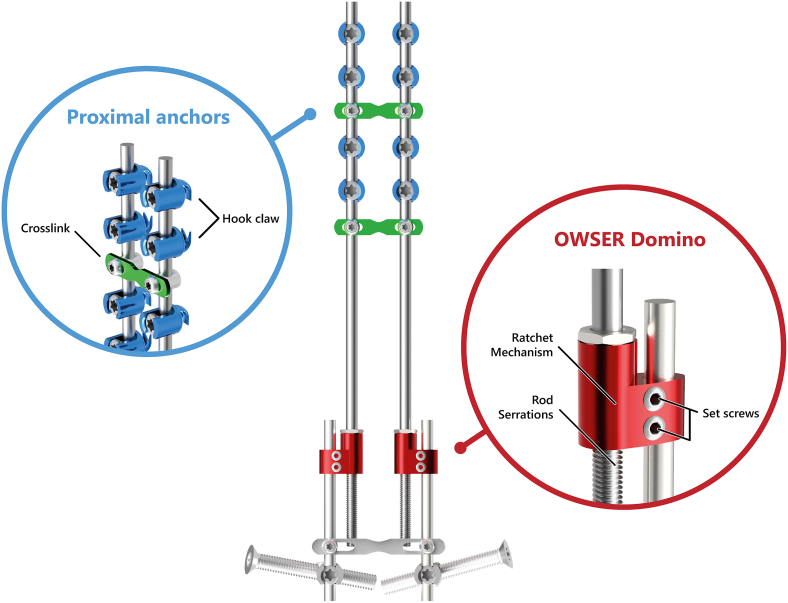 Figure 3
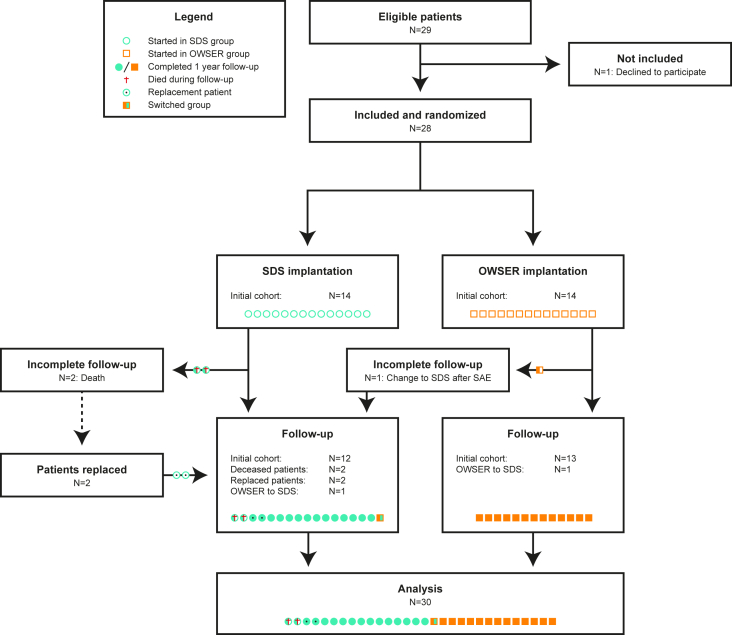 Figure 4
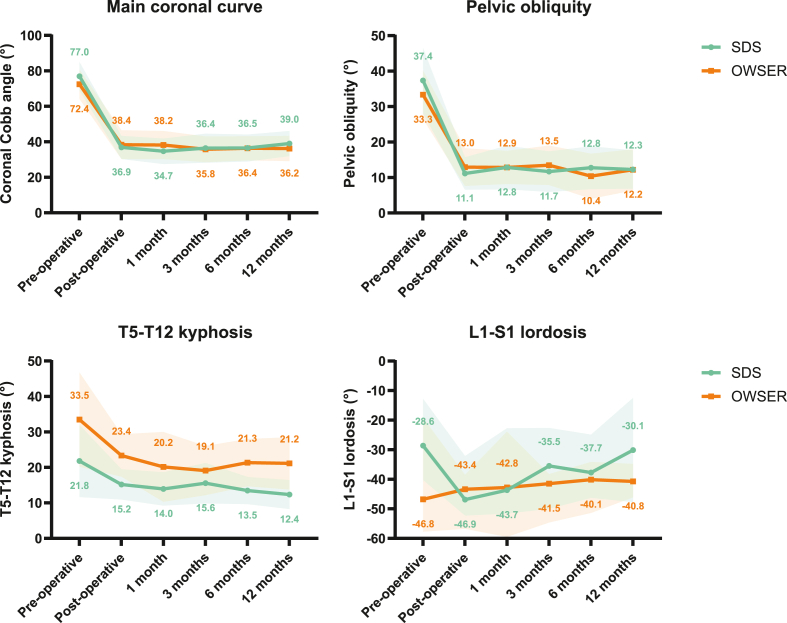 Figure 5
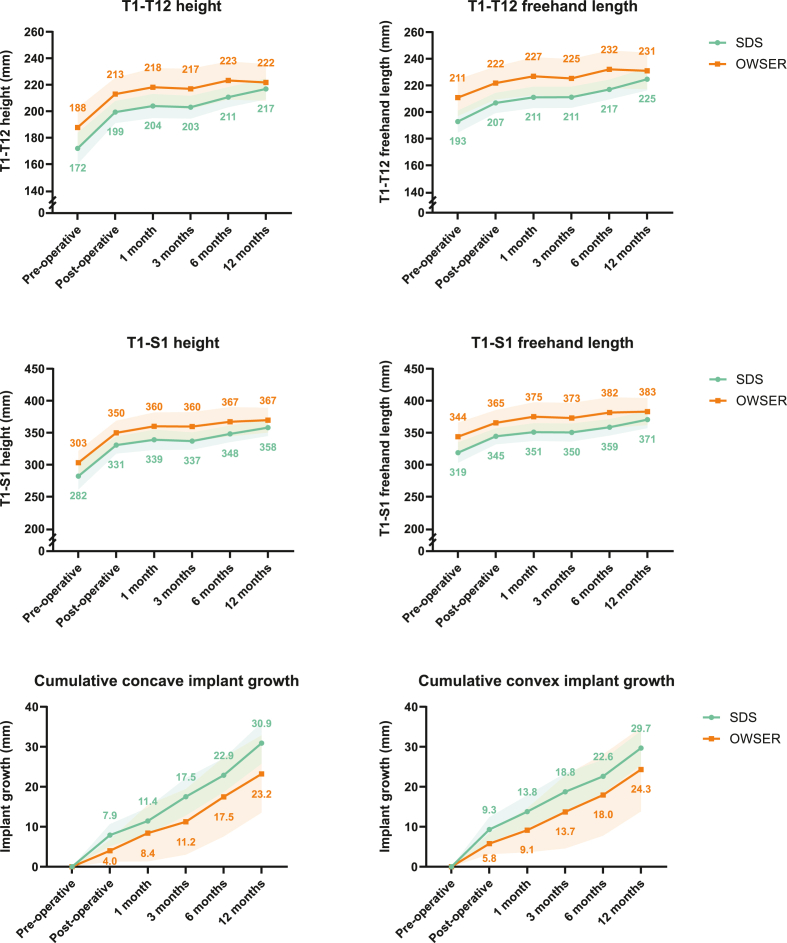 Figure 6
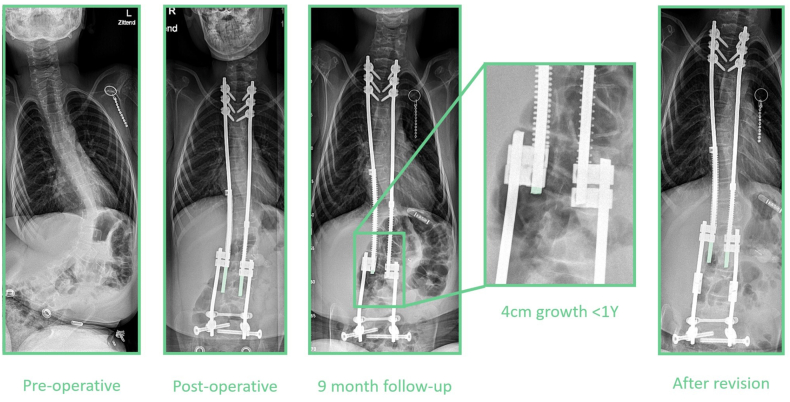 Figure 7
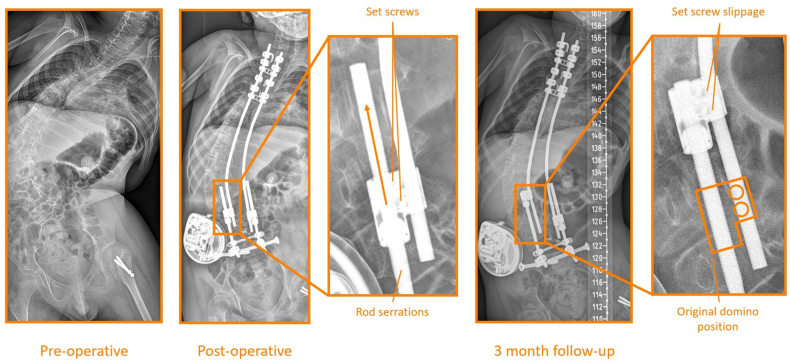 Figure 8
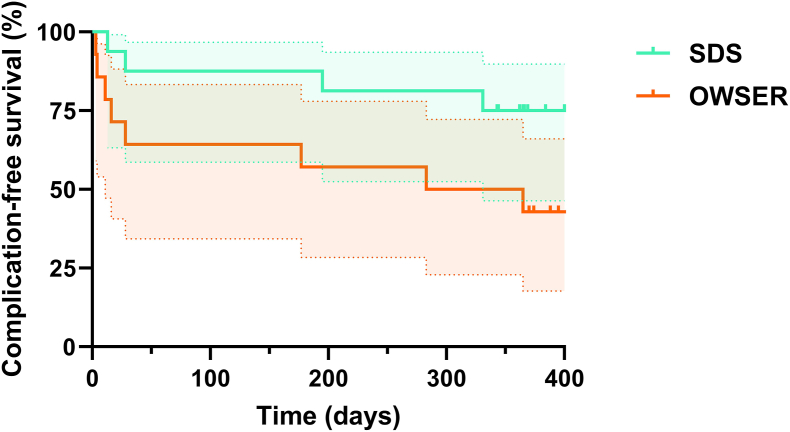 Figure 9
Peer Reviews
No public reviews on file for this paper yet. If you reviewed it on a platform where reviews are public (OpenReview, ICLR, NeurIPS, ICML), you can paste yours below so the community can read it here.
Videos
No videos yet. Explain this paper in a talk, walkthrough, or lecture? Add one.
Taxonomy
TopicsScoliosis diagnosis and treatment · Spinal Fractures and Fixation Techniques · Hip disorders and treatments