Can ultrasound parameters predict the diagnostic yield of diuretic renal scintigraphy in pediatric hydronephrosis?
Dheeratama Siripongsatian, Nipaporn Tewattanarat, Nantaporn Wongsurawat, Suwannee Wisanuyotin, Daris Theerakulpisut, Ahmet Çağlar, Ahmet Çağlar, Ahmet Çağlar

TL;DR
This study explores whether ultrasound measurements can predict the usefulness of a kidney imaging test in children with hydronephrosis.
Contribution
The study identifies that ultrasound parameters can predict obstruction patterns in diuretic renal scintigraphy but not non-diagnostic results.
Findings
Ultrasound parameters did not reliably predict non-diagnostic diuretic renal scintigraphy outcomes.
Ultrasound parameters effectively identified obstruction patterns in diuretic renal scintigraphy.
Anterior-posterior renal pelvic diameter showed the highest predictive performance for obstruction patterns.
Abstract
Diuretic renal scintigraphy (DRS) is a valuable imaging tool for distinguishing obstructive from non-obstructive hydronephrosis, especially in pediatric patients, but non-diagnostic results are not uncommon. In this retrospective analytical study, we examined if kidney ultrasound (US) parameters can predict non-diagnostic DRS, and DRS with an obstruction pattern, potentially guiding patient selection to reduce unnecessary radiation exposure. The study included 67 patients (134 kidneys), 1-month to 4-years of age who underwent both DRS and US. Receiver operating characteristic (ROC) curve analysis of US parameters including parenchymal thickness, cortical thickness, medullary pyramidal thickness, anterior-posterior renal pelvic diameter, was done to assess the predictiveness of these parameters for prediction of DRS results. None of the US parameters reliably predicted non-diagnostic DRS…
Genes, proteins, chemicals, diseases, species, mutations and cell lines named across the full text — each resolved to its canonical identifier and authoritative record.
Click any figure to enlarge with its caption.
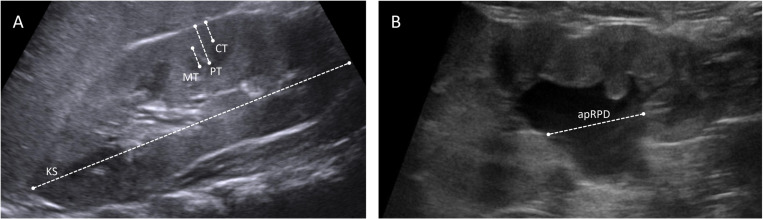 Figure 1
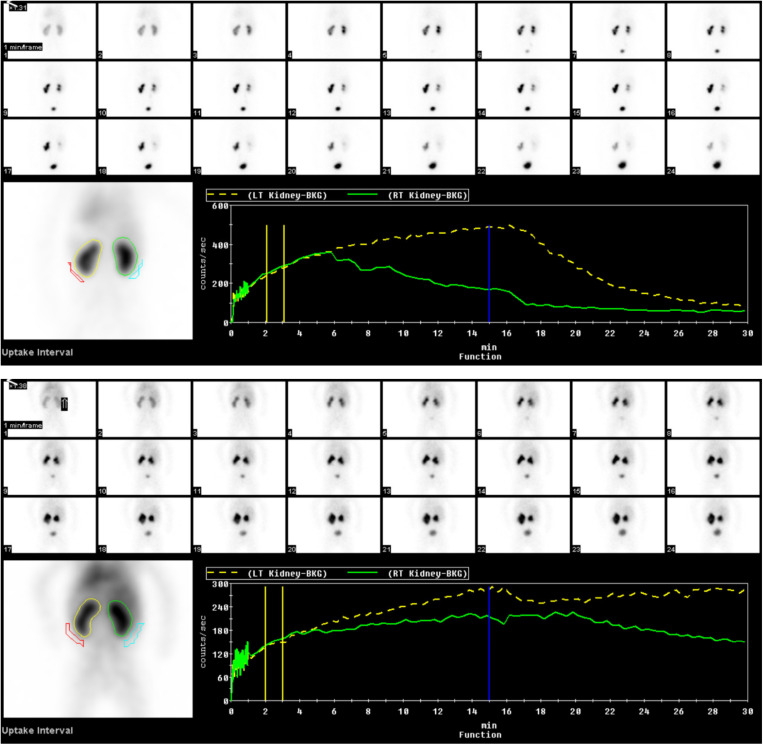 Figure 2
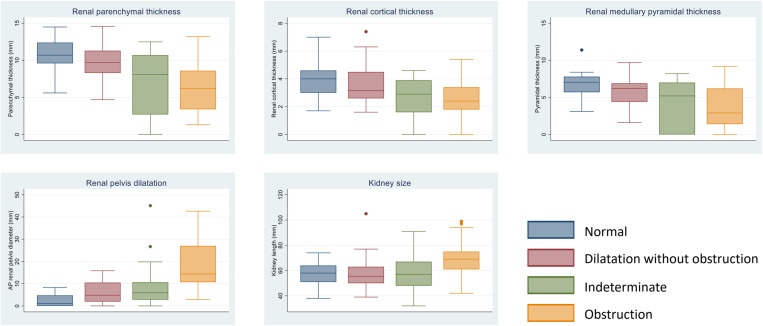 Figure 3
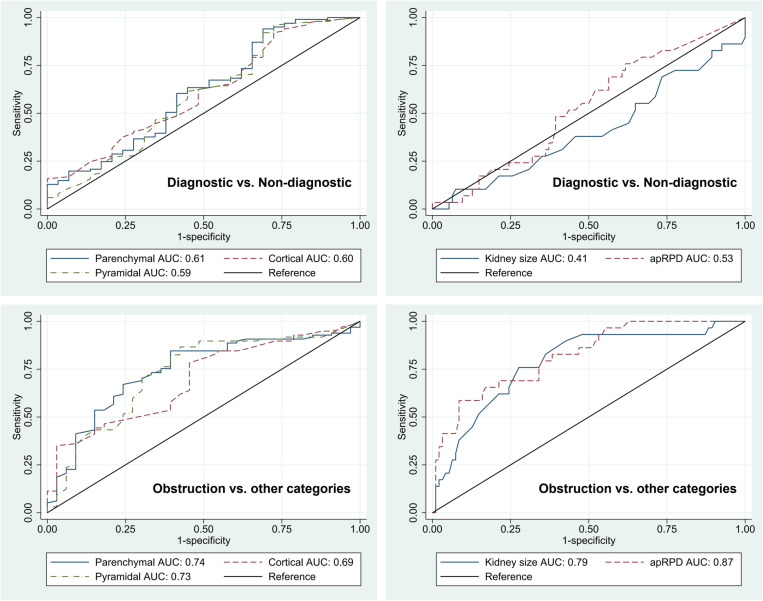 Figure 4
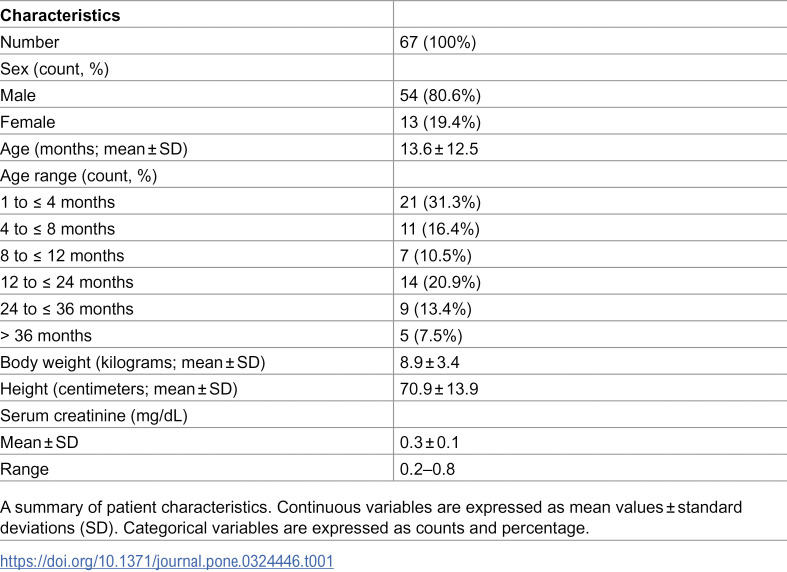 Figure 5
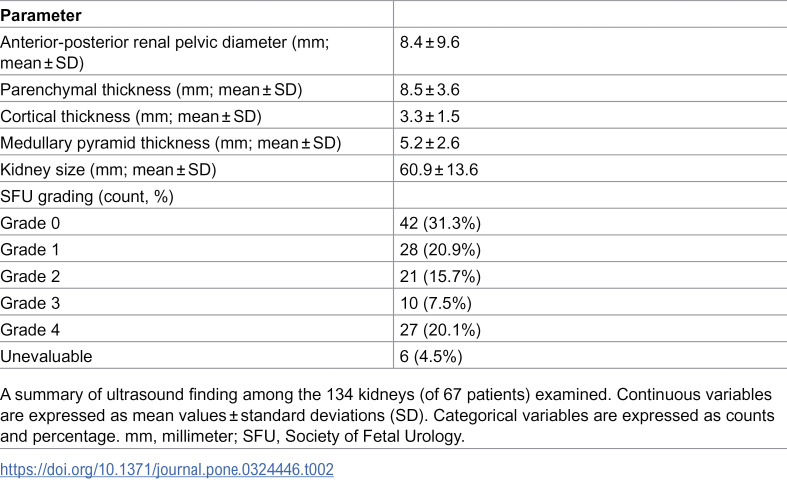 Figure 6
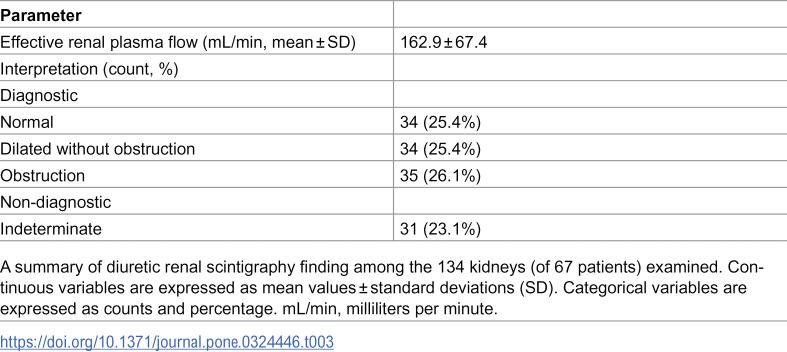 Figure 7
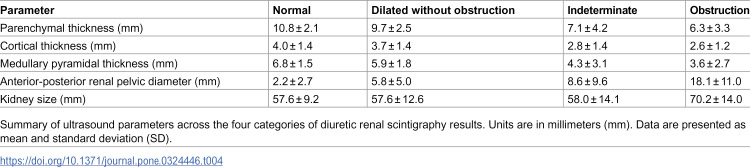 Figure 8
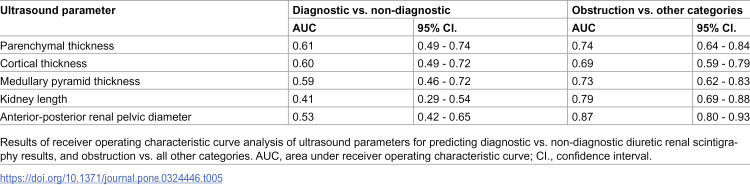 Figure 9
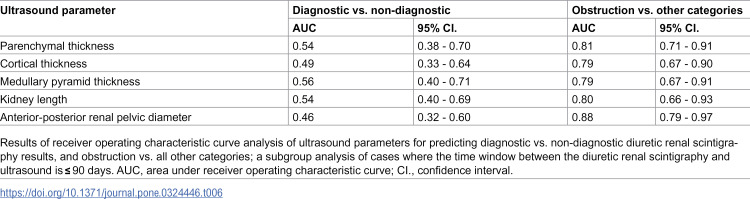 Figure 10
Peer Reviews
No public reviews on file for this paper yet. If you reviewed it on a platform where reviews are public (OpenReview, ICLR, NeurIPS, ICML), you can paste yours below so the community can read it here.
Videos
No videos yet. Explain this paper in a talk, walkthrough, or lecture? Add one.
Taxonomy
TopicsPediatric Urology and Nephrology Studies · Kidney Stones and Urolithiasis Treatments · Renal and Vascular Pathologies