Developing a machine learning algorithm to predict psychotropic drugs-induced weight gain and the effectiveness of anti-obesity drugs in patients with severe mental illness: Protocol for a prospective cohort study
Hye Jun Lee, Na Yeon Kim, Da Seul Kim, Youngbin Kim, Jung-Ha Kim, Doug Hyun Han, Sun Mi Kim

TL;DR
This study aims to develop a machine learning model to predict weight gain from psychotropic drugs and the effectiveness of anti-obesity medications in patients with severe mental illness.
Contribution
The novelty lies in creating a personalized machine learning algorithm to predict both psychotropic-induced weight gain and anti-obesity drug effectiveness in psychiatric patients.
Findings
A machine learning model will be developed using data from 300 patients with severe mental illnesses.
The model will predict weight gain and metabolic changes from psychotropic drugs and the effectiveness of anti-obesity medications.
The study will guide personalized treatment plans for psychiatric and obesity management.
Abstract
Obesity is a global public health concern, often co-occurring in patients with severe mental illnesses. The impact of psychotropic drugs-induced weight gain is augmenting the disease burden and healthcare expenditure. However, predictors of psychotropic drug-induced weight gain and the efficacy of anti-obesity drugs remain underexplored. This study aims to develop a machine learning algorithm to predict both psychotropic drugs-induced weight gain and metabolic changes, and the potential of anti-obesity drugs. We plan to enroll 300 patients with severe mental illnesses, including schizophrenia, bipolar disorder, and major depressive disorder. In Phase 1, the study will predict weight gain and metabolic changes after the psychotropic treatment. Data on demographics, lifestyle, medical history, psychological factors, anthropometrics, and laboratory results will be collected at baseline and…
Genes, proteins, chemicals, diseases, species, mutations and cell lines named across the full text — each resolved to its canonical identifier and authoritative record.
Click any figure to enlarge with its caption.
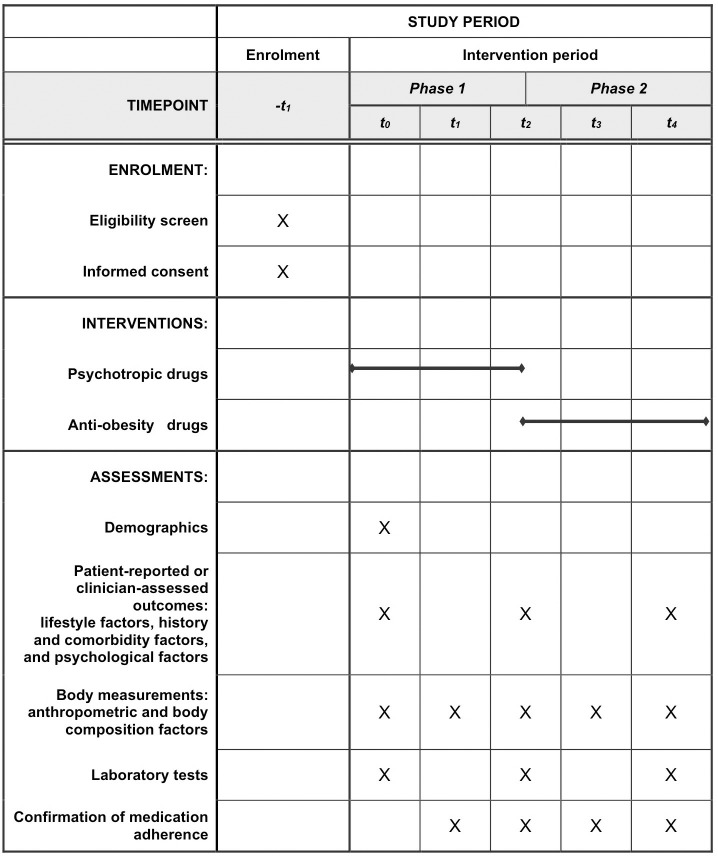 Figure 1
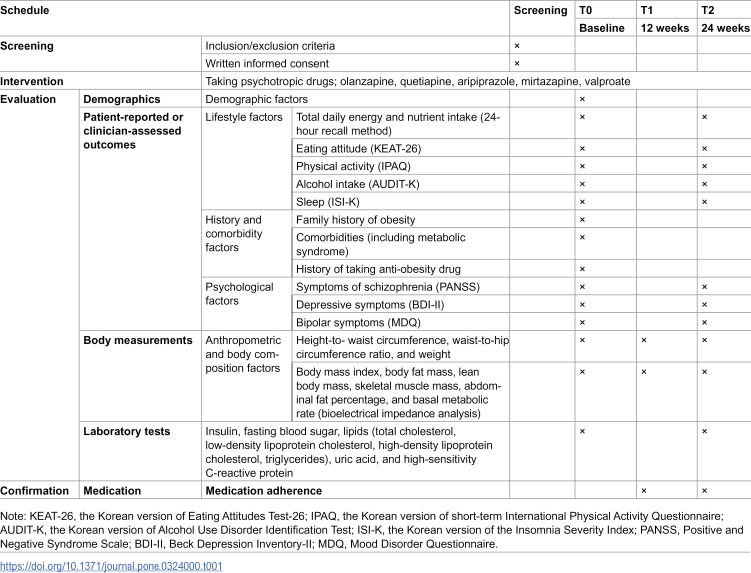 Figure 2
 Figure 3
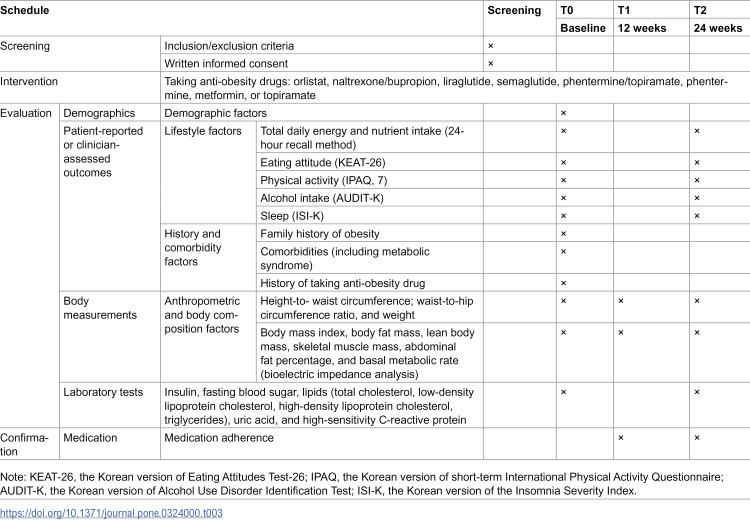 Figure 4
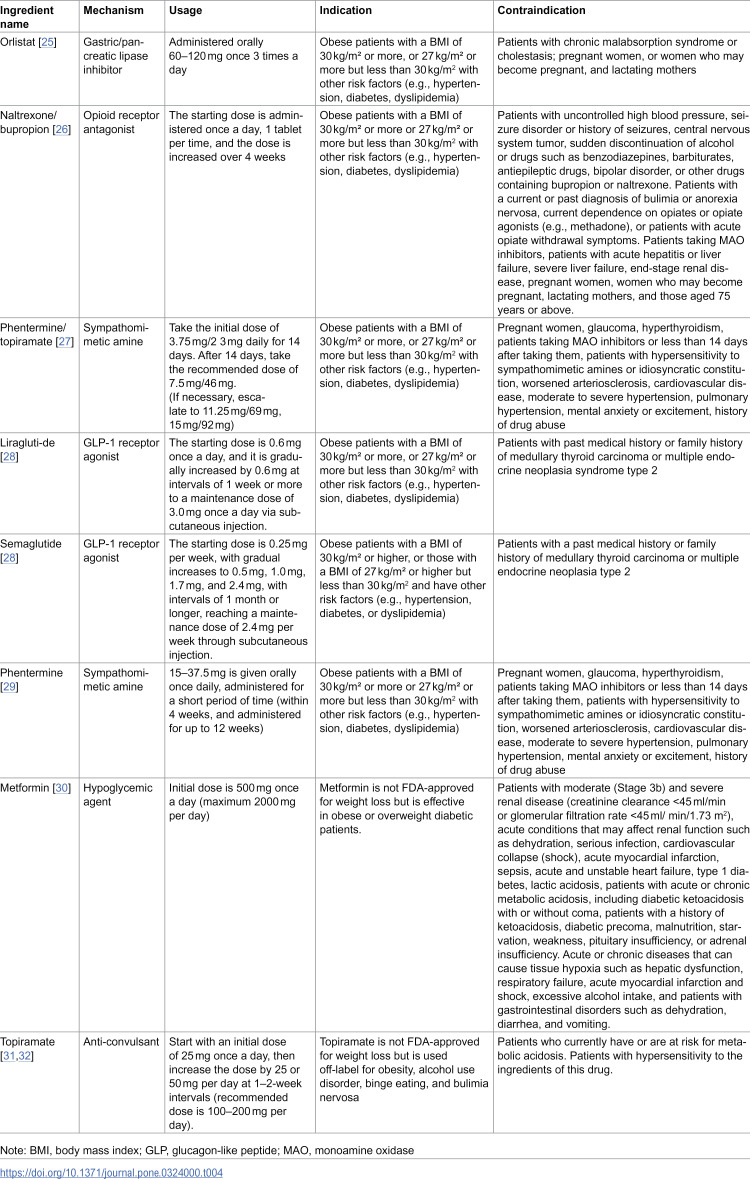 Figure 5
Peer Reviews
No public reviews on file for this paper yet. If you reviewed it on a platform where reviews are public (OpenReview, ICLR, NeurIPS, ICML), you can paste yours below so the community can read it here.
Videos
No videos yet. Explain this paper in a talk, walkthrough, or lecture? Add one.
Taxonomy
TopicsSchizophrenia research and treatment · Treatment of Major Depression · Diabetes Treatment and Management