Depth-dependent contributions of various vascular zones to cerebral autoregulation and functional hyperemia: An in-silico analysis
Hadi Esfandi, Mahshad Javidan, Rozalyn M. Anderson, Ramin Pashaie

TL;DR
This study uses a computational model to explore how different parts of the brain's blood vessels contribute to regulating blood flow at various depths.
Contribution
A novel computationally efficient model of mouse cerebrovasculature is introduced to analyze depth-dependent CBF regulation.
Findings
Small-diameter vessels like penetrating arterioles significantly control intravascular pressure and CBF.
Capillary diameter changes have minimal impact on functional hyperemia.
Hemodynamics show variability in transitional zone vessels but stability in capillaries across depths.
Abstract
Autoregulation and neurovascular coupling are key mechanisms that modulate myogenic tone (MT) in vessels to regulate cerebral blood flow (CBF) during resting state and periods of increased neural activity, respectively. To determine relative contributions of distinct vascular zones across different cortical depths in CBF regulation, we developed a simplified yet detailed and computationally efficient model of the mouse cerebrovasculature. The model integrates multiple simplifications and generalizations regarding vascular morphology, the hierarchical organization of mural cells, and potentiation/inhibition of MT in vessels. Our analysis showed that autoregulation is the result of the synergy between these factors, but achieving an optimal balance across all cortical depths and throughout the autoregulation range is a complex task. This complexity explains the non-uniformity observed…
Genes, proteins, chemicals, diseases, species, mutations and cell lines named across the full text — each resolved to its canonical identifier and authoritative record.
Click any figure to enlarge with its caption.
 Figure 1
 Figure 2
 Figure 3
 Figure 4
 Figure 5
 Figure 6
 Figure 7
 Figure 8
 Figure 9
 Figure 10
 Figure 11
 Figure 12
 Figure 13
 Figure 14
 Figure 15
 Figure 16
 Figure 17
 Figure 18
 Figure 19
 Figure 20
 Figure 21
 Figure 22
 Figure 23
 Figure 24
 Figure 25
 Figure 26
 Figure 27
 Figure 28
 Figure 29
 Figure 30
 Figure 31
 Figure 32
 Figure 33
 Figure 34
 Figure 35
 Figure 36
 Figure 37
 Figure 38
 Figure 39
 Figure 40
 Figure 41
 Figure 42
 Figure 43
 Figure 44
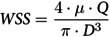 Figure 45
 Figure 46
 Figure 47
 Figure 48
 Figure 49
 Figure 50
Peer Reviews
No public reviews on file for this paper yet. If you reviewed it on a platform where reviews are public (OpenReview, ICLR, NeurIPS, ICML), you can paste yours below so the community can read it here.
Videos
No videos yet. Explain this paper in a talk, walkthrough, or lecture? Add one.
Taxonomy
TopicsTraumatic Brain Injury and Neurovascular Disturbances · Cerebrospinal fluid and hydrocephalus · Optical Imaging and Spectroscopy Techniques