Exploring natural allies: Survey and identification of larval parasitoids of the American grape berry moth, Paralobesia viteana (Lepidoptera: Tortricidae) in northwestern Pennsylvania
Jesus H. Gomez-Llano, Neetu Khanal, Flor E. Acevedo

TL;DR
This study identifies natural enemies of the American grape berry moth in Pennsylvania vineyards, finding several parasitoid species that could help manage the pest.
Contribution
The study provides the first survey of larval parasitoids of the American grape berry moth in the Lake Erie Region and introduces a taxonomic key for their identification.
Findings
Eight parasitoid species were identified, with Bracon variabilis, Enytus obliteratus, and Goniozus fratellus being the most abundant.
Parasitism rates reached up to 39% in 2023 and 52.1% in 2024, peaking in early August.
A graphic taxonomic key was developed to aid in the identification of these parasitoid species.
Abstract
The American grape berry moth (GBM), Paralobesia viteana (Clemens) (Lepidoptera: Tortricidae) is an economically important pest of grapes. The larvae of this insect burrow inside the fruit upon hatching, consuming, and contaminating grapes and clusters. Current GBM management relies on pesticide applications, which do not offer complete protection due to the cryptic behavior of the larvae and asynchrony in egg-laying, highlighting the need to develop new management strategies. In this study, we identified GBM larval parasitoids in commercial vineyards and quantified their parasitism rates. Parasitoid samplings were conducted biweekly in six conventionally managed ‘Concord’ vineyards in Erie County, Pennsylvania, during the 2023 and 2024 growing seasons. GBM-infested samples were monitored daily to track the emergence of both parasitoids and GBM, enabling the calculation of parasitism…
Genes, proteins, chemicals, diseases, species, mutations and cell lines named across the full text — each resolved to its canonical identifier and authoritative record.
Click any figure to enlarge with its caption.
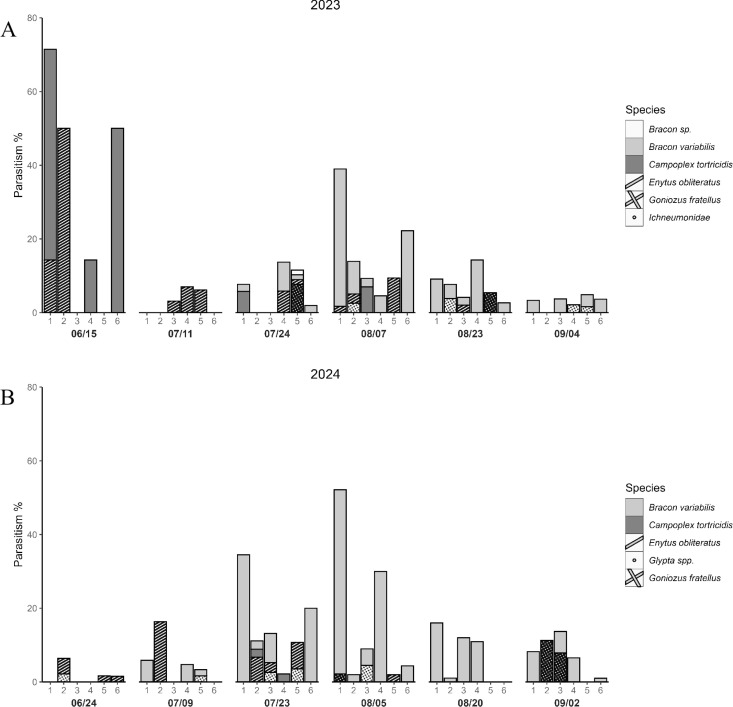 Figure 1
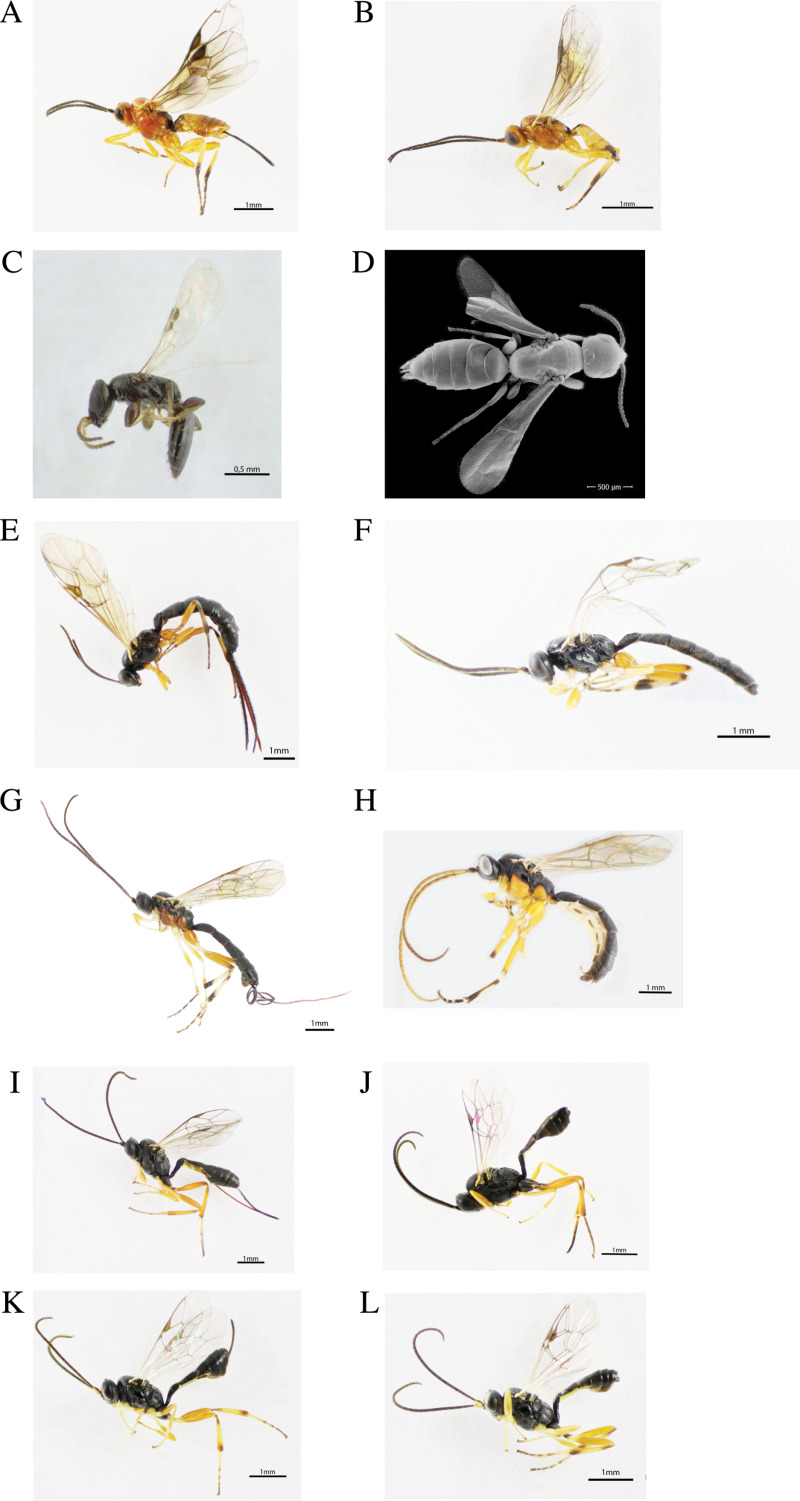 Figure 2
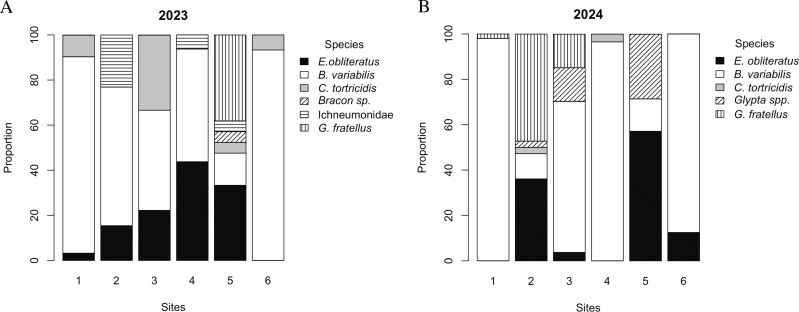 Figure 3
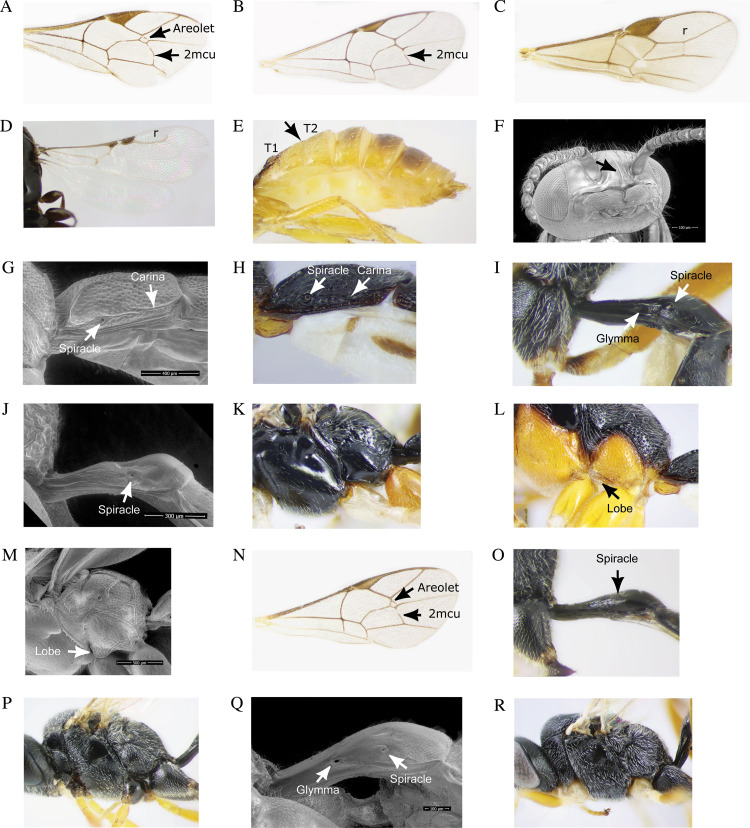 Figure 4
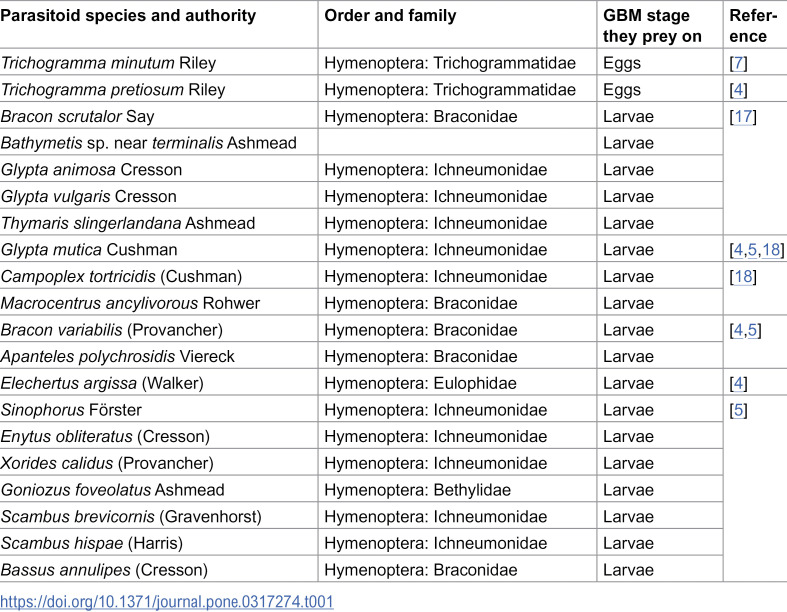 Figure 5
 Figure 6
Peer Reviews
No public reviews on file for this paper yet. If you reviewed it on a platform where reviews are public (OpenReview, ICLR, NeurIPS, ICML), you can paste yours below so the community can read it here.
Videos
No videos yet. Explain this paper in a talk, walkthrough, or lecture? Add one.
Taxonomy
TopicsInsect and Pesticide Research · Insect Pheromone Research and Control · Insect-Plant Interactions and Control