Risk assessment of temporary pacing for cardiac arrest after cardiopulmonary bypass-assisted cardiovascular surgery: A case-control study
Heng Wang, Li Shen, Qingwen Lin, Heng Yu, Yu Zhang, Luzheng Zhang, Yujin Sun, Song Xue, Eyüp Serhat Çalık, Eyüp Serhat Çalık, Eyüp Serhat Çalık, Eyüp Serhat Çalık

TL;DR
This study develops a scoring system to identify patients at low risk of cardiac arrest after heart surgery, helping surgeons decide when temporary pacing is needed.
Contribution
A novel scoring system is introduced to assess the risk of cardiac arrest after cardiovascular surgery, minimizing unnecessary temporary pacing.
Findings
Old age, preoperative atrial fibrillation, and long CPB time are significant risk factors for cardiac arrest.
A scoring system with an AUC of 0.74 was developed to predict cardiac arrest risk.
A score cutoff of ≤1 can safely exclude the need for temporary pacing with 0% false negatives.
Abstract
Cardiac arrest happens in 0.7%-5.2% patients after cardiovascular surgery, and cases with asystole or severe bradycardia need timely temporary pacing. However, routine temporary pacing wire insertion in cardiopulmonary bypass (CPB)-assisted cardiovascular surgery has been questioned for its noteworthy complications. This study aimed to quantify the risk of temporary pacing for cardiac arrest after CPB-assisted cardiovascular surgery. 2326 patients undergoing CPB-assisted cardiovascular surgery were enrolled. Age, sex, body mass index, preoperative rhythm, operation type, ablation, CPB pump, cardioplegia type and volume, hypothermia, circulation, CPB time, aortic clamping time were compared between patients having and not having temporary pacing according to the indications by multiple logistic regression (MLR). A scoring system was developed based on the β parameters of identified…
Genes, proteins, chemicals, diseases, species, mutations and cell lines named across the full text — each resolved to its canonical identifier and authoritative record.
Click any figure to enlarge with its caption.
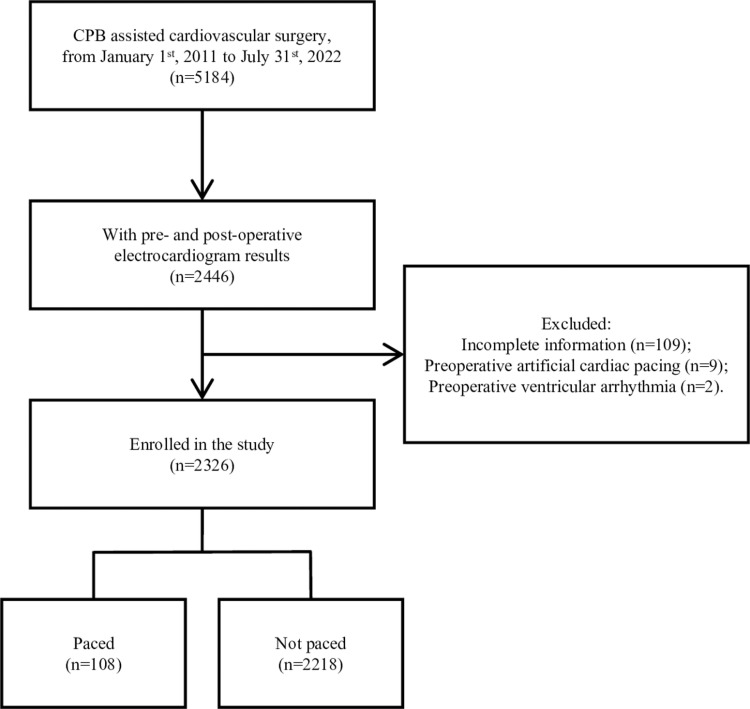 Figure 1
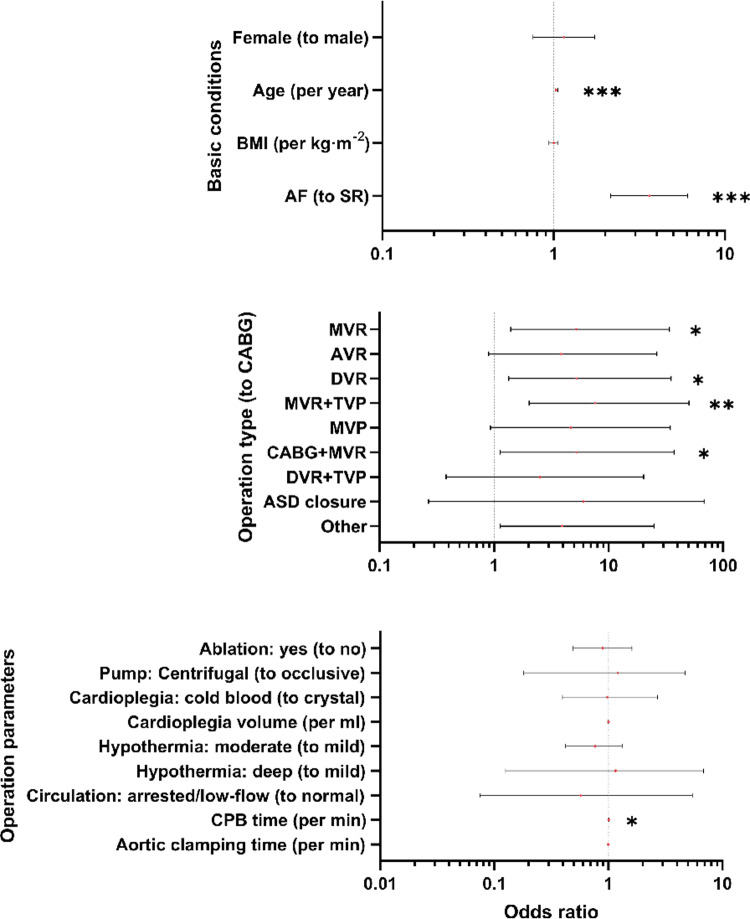 Figure 2
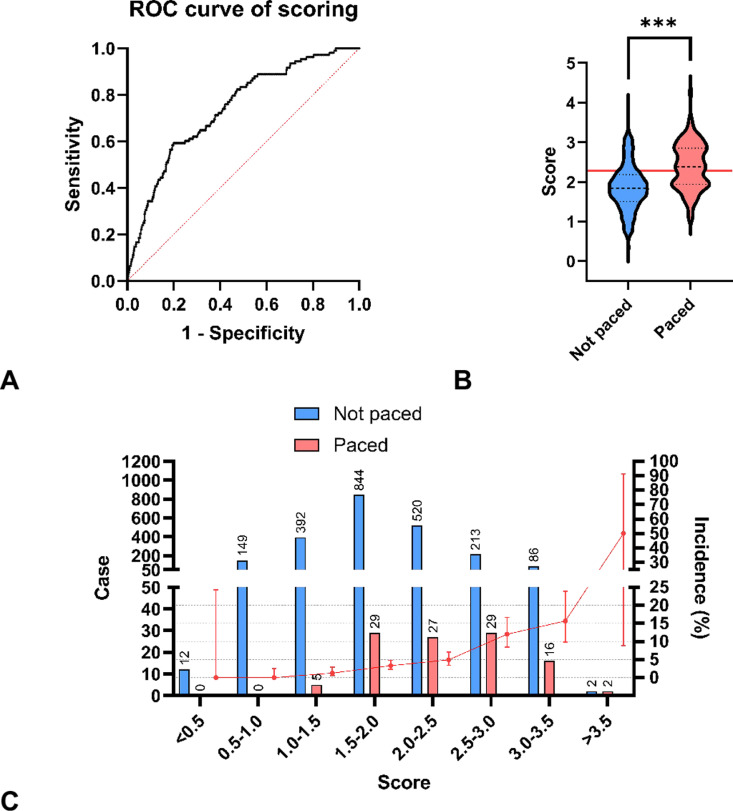 Figure 3
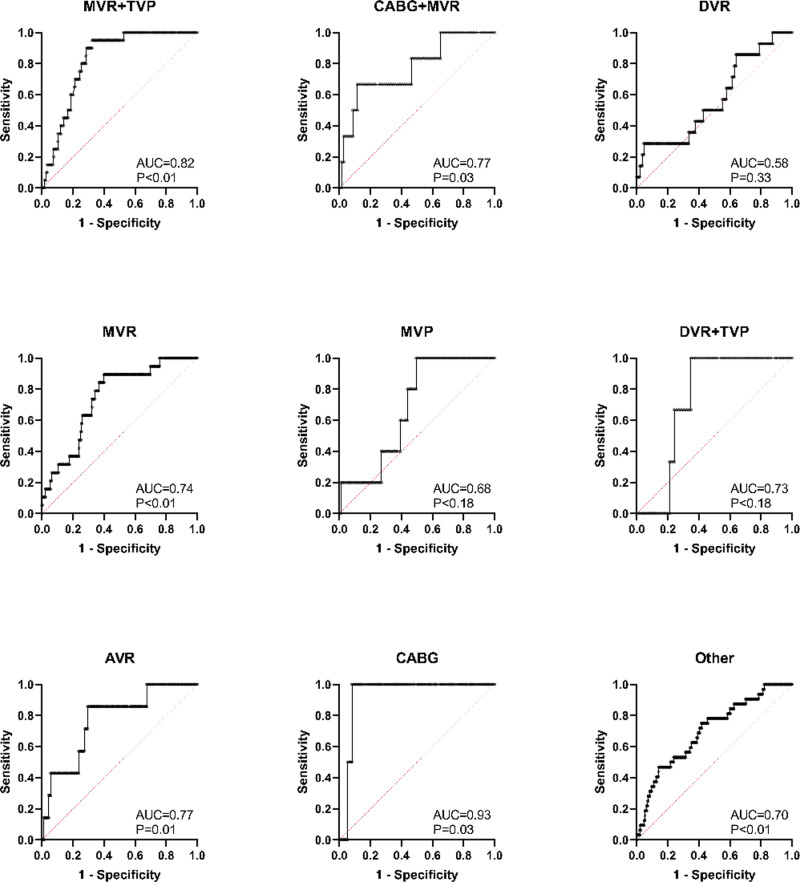 Figure 4
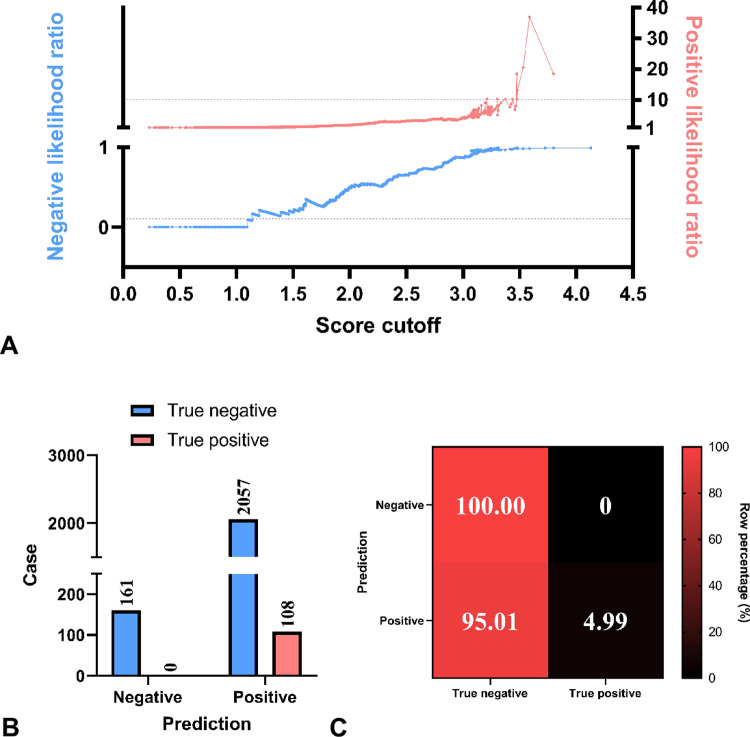 Figure 5
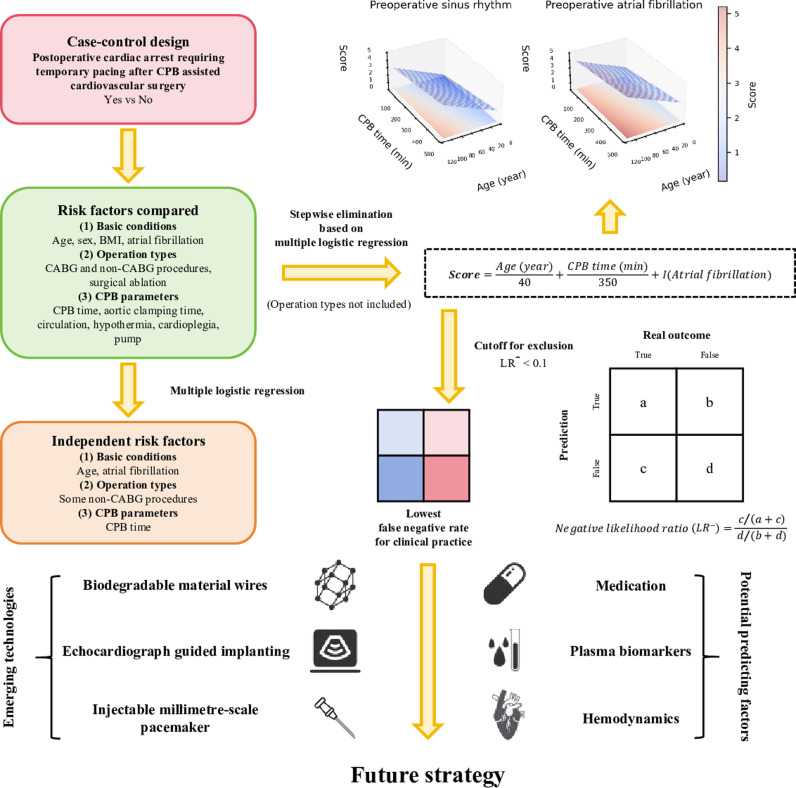 Figure 6
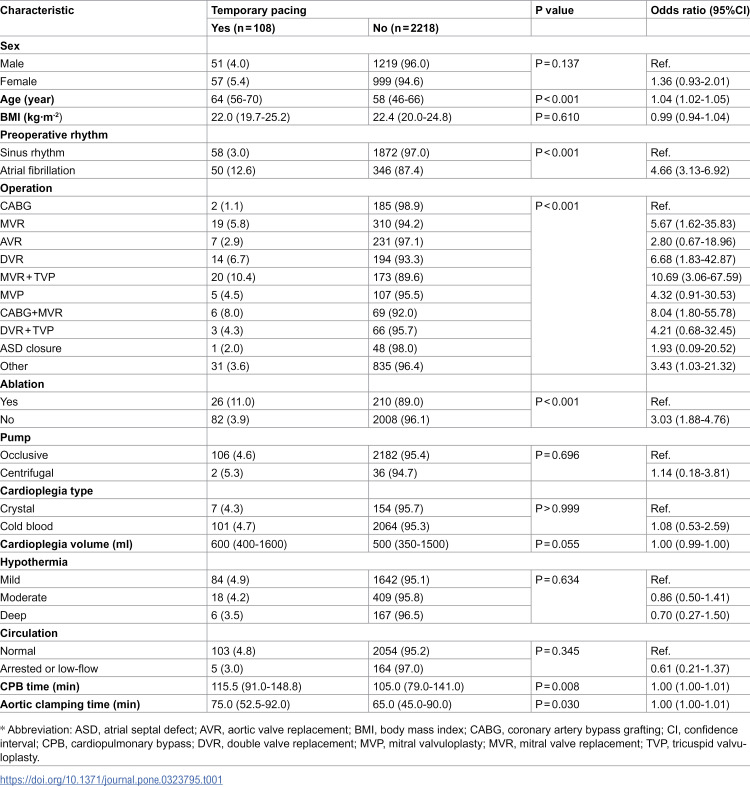 Figure 7
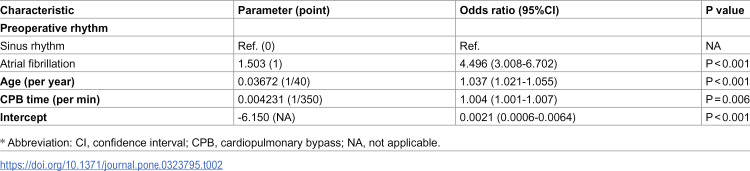 Figure 8
Peer Reviews
No public reviews on file for this paper yet. If you reviewed it on a platform where reviews are public (OpenReview, ICLR, NeurIPS, ICML), you can paste yours below so the community can read it here.
Videos
No videos yet. Explain this paper in a talk, walkthrough, or lecture? Add one.
Taxonomy
TopicsCardiac Arrest and Resuscitation · Cardiac, Anesthesia and Surgical Outcomes · Cardiac Valve Diseases and Treatments