Network Pharmacology Study on the Mechanisms of Panax Notoginseng in the Treatment of Diabetic Retinopathy and Cataract
Ting Zhang, Guangquan Ji, Tianpu Feng, Xi Lin, Lei Wang, Yi Xu, Pan Shi, Wenxue Liang

TL;DR
This study explores how Panax notoginseng may treat diabetic retinopathy and cataract by identifying its active components and their effects on disease-related genes and pathways.
Contribution
The study introduces a network pharmacology approach to uncover the molecular mechanisms of Panax notoginseng in treating two diabetes-related eye conditions.
Findings
Panax notoginseng contains eight active components targeting 234 genes linked to diabetic retinopathy and cataract.
Key targets SRC, JAK2, IGF1R, and EGFR show strong binding with active components of Panax notoginseng.
Network analysis suggests Panax notoginseng repairs microvascular damage through disease-related signaling pathways.
Abstract
Background: Diabetic retinopathy (DR) and diabetic cataract (DC) are two closely related microvascular complications of diabetes. Panax notoginseng, a plant from the Araliaceae family and genus Panax, is widely used in traditional Chinese medicine (TCM) due to its antioxidant, anti-inflammatory, and blood circulation-promoting properties. Recent studies suggest that drugs possessing anti-inflammatory, antioxidant, and blood circulation-promoting characteristics may have unexpected benefits in treating diabetic microvascular complications. This study employs network pharmacology to investigate the mechanisms by which P. notoginseng can treat DR and DC as comorbidities. Objective: The study aims to explore the active components and biological mechanisms of P. notoginseng in treating these comorbidities using network pharmacology and molecular docking. Methods: Components of P.…
Genes, proteins, chemicals, diseases, species, mutations and cell lines named across the full text — each resolved to its canonical identifier and authoritative record.
Click any figure to enlarge with its caption.
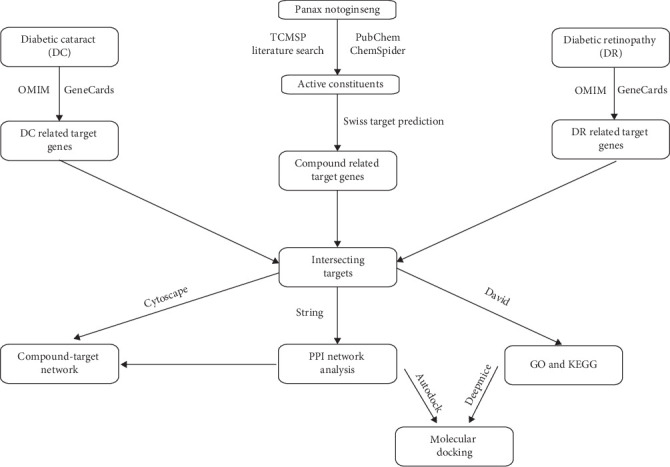 Figure 1
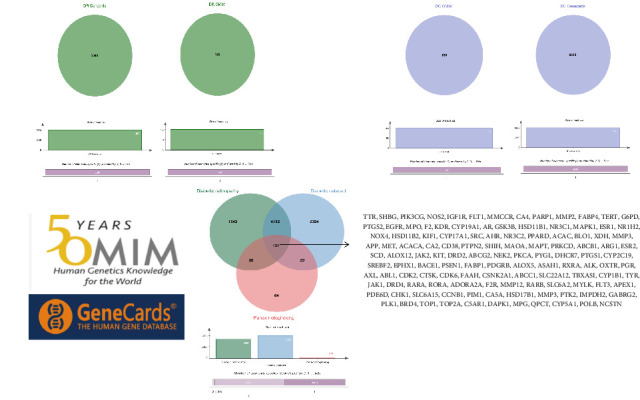 Figure 2
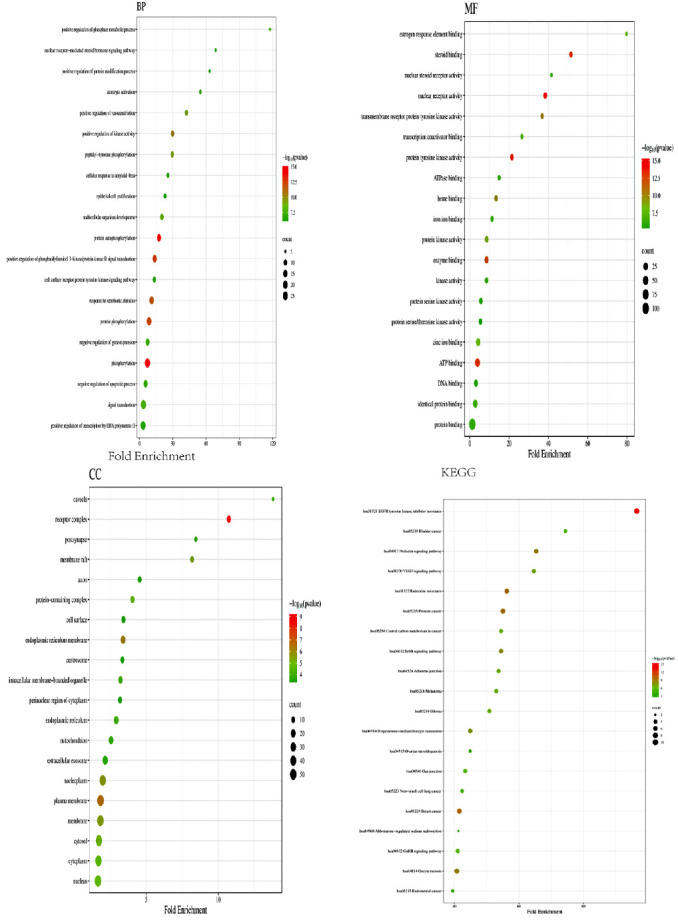 Figure 3
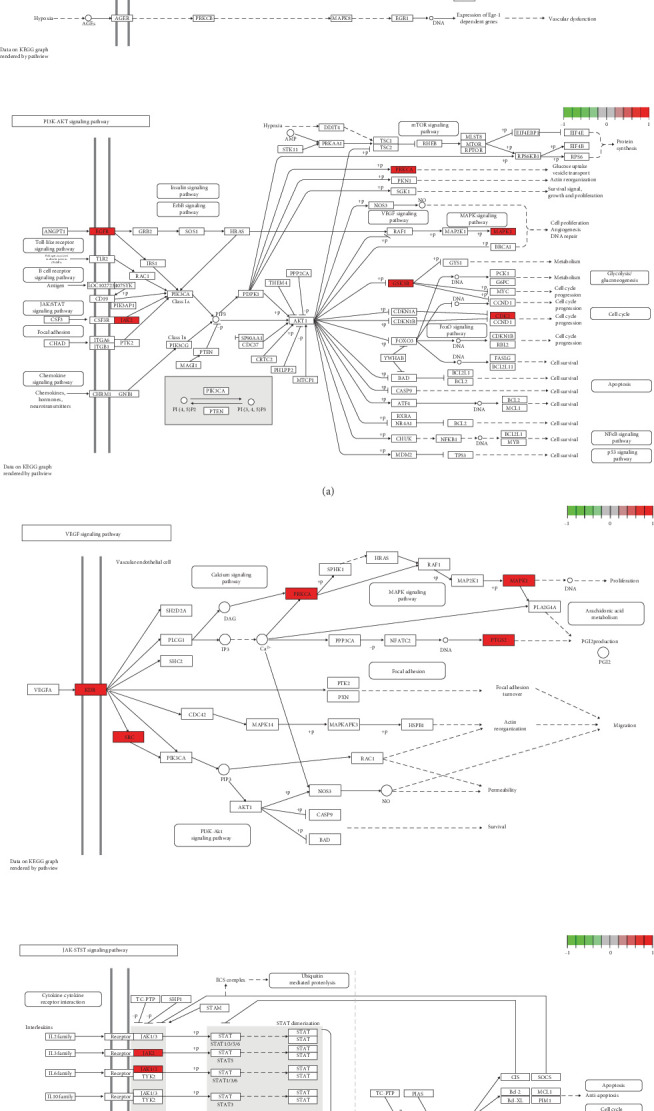 Figure 4
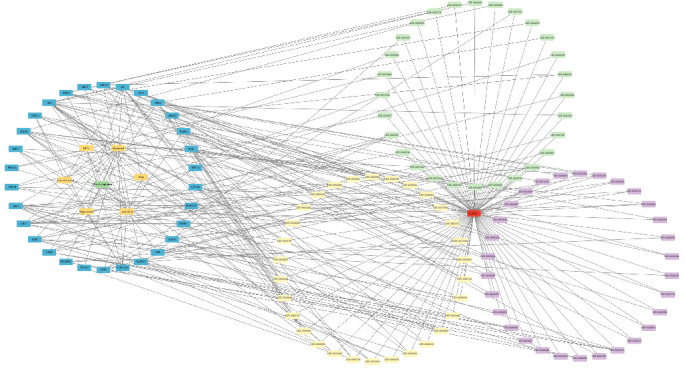 Figure 5
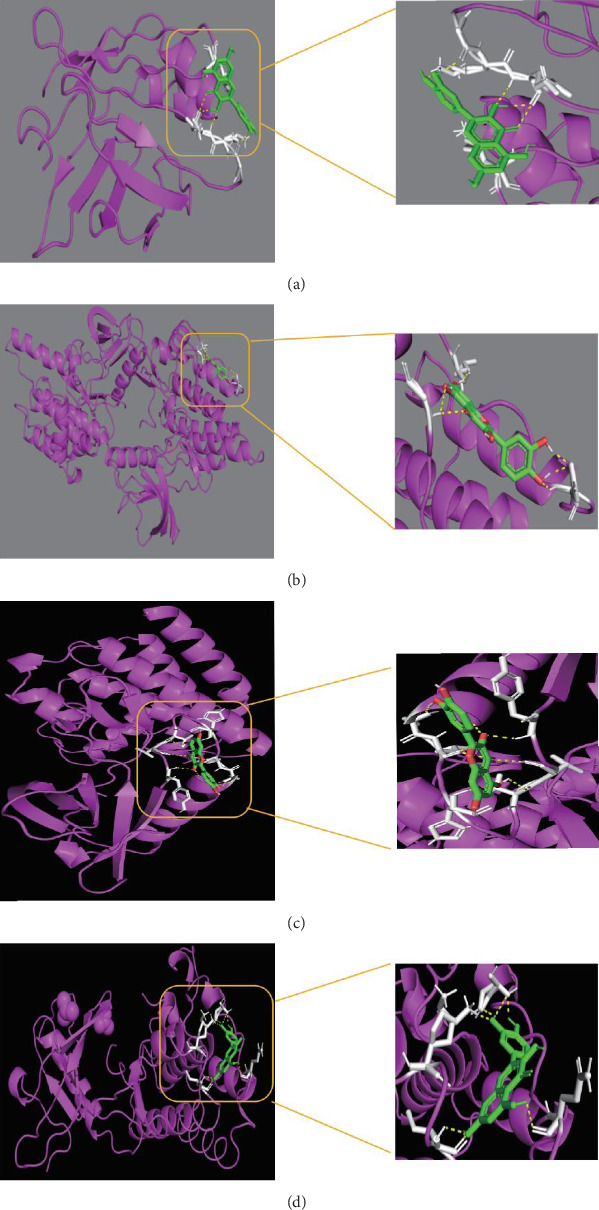 Figure 6
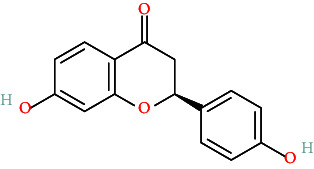 Figure 7
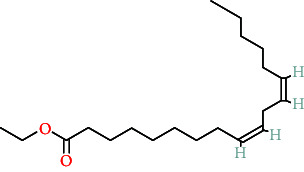 Figure 8
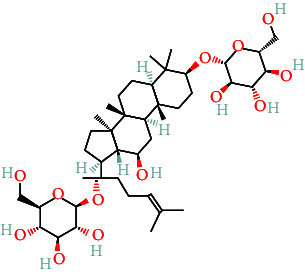 Figure 9
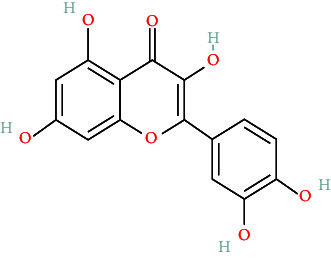 Figure 10
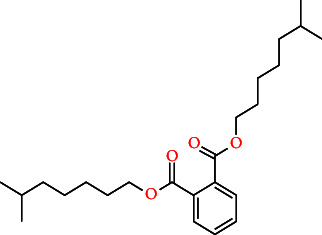 Figure 11
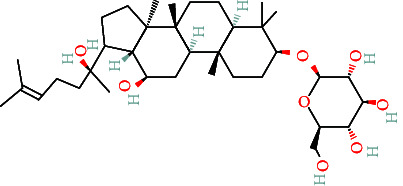 Figure 12
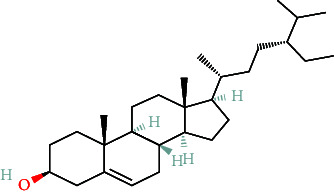 Figure 13
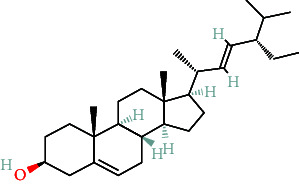 Figure 14
- —Research project of Jiangsu Provincial Health Commission
- —Lianyungang First People's Hospital Doctoral Initiation Fund
- —Social Development Project of Jiangsu Provincial Department of Science and Technology
- —General Project of Jiangsu Provincial Health Commission
- —Social Development Project of Lianyungang Science and Technology
Peer Reviews
No public reviews on file for this paper yet. If you reviewed it on a platform where reviews are public (OpenReview, ICLR, NeurIPS, ICML), you can paste yours below so the community can read it here.
Videos
No videos yet. Explain this paper in a talk, walkthrough, or lecture? Add one.
Taxonomy
TopicsGinseng Biological Effects and Applications · Traditional Chinese Medicine Analysis · Traditional Chinese Medicine Studies
1. Introduction
Diabetic retinopathy (DR) and diabetic cataract (DC) are among the most common complications in patients with diabetes [1, 2]. Both conditions share common pathogenic mechanisms, particularly relating to damage to ocular microvasculature under hyperglycemic conditions, which frequently coexist in diabetic patients [3, 4]. Damage to ocular microvasculature is often accompanied by chronic inflammation [5], which is closely associated with the development and progression of microvascular complications. Existing research suggests that anti-inflammatory treatments may offer potential benefits in managing glucose levels, reducing microvascular complications, and improving insulin resistance [6].
Panax notoginseng, a plant from the Araliaceae family and the Panax genus, has been used in traditional Chinese medicine (TCM) since the Ming Dynasty. Its therapeutic properties were first documented in “The Miraculous Prescription for Traumas” by Zhenren Yiyuan [7] and were further elaborated in Li Shizhen's (Li.,1578) “Compendium of Materia Medica,” where it is described as having hemostatic, blood-scattering, and pain-relieving effects, suitable for treating symptoms such as hemoptysis and epistaxis [8]. The integration of advanced technologies, such as basal insulin therapy (PwT2D-BI) and continuous glucose monitoring (CGM), has shown significant promise in improving glycemic control for individuals with type 2 diabetes (T2D). The role of CGM in the early detection of DR is primarily reflected in real-time blood glucose monitoring, reducing glucose fluctuations, enabling early warning and intervention, supporting personalized treatment, and improving patient compliance to lower the risk of retinopathy, while providing more precise tools and methods for diabetes management. Meanwhile, the role of PwT2D-BI in the early detection of DR is mainly demonstrated through optimizing blood glucose control, reducing glucose fluctuations, enabling early intervention, and providing personalized treatment to lower the risk of retinopathy, while enhancing the precision of diabetes management through machine learning (ML) technology. The two approaches complement each other, jointly offering a scientific and precise solution for the early detection and management of DR.
This U.S.-based study leverages ML to analyze the effectiveness of these technologies, offering valuable insights into optimizing diabetes management. The results highlight the potential of ML-driven approaches to enhance treatment strategies and patient outcomes [9]. Modern research has demonstrated that P. notoginseng possesses anti-inflammatory and antioxidant properties [10, 11]. Several studies have demonstrated that P. notoginseng has protective effects against DR. Our research extends these findings by exploring the mechanisms through which P. notoginseng can treat both DR and cataracts [12, 13]. Network pharmacology techniques can elucidate the potential of plant-based bioactive compounds [14]. This study utilizes network pharmacology to demonstrate the significant potential of P. notoginseng in treating DR and DC, providing a foundation for future pharmacological investigations. A roadmap summarizing the utilized databases, online platforms, and methodologies is presented in Figure 1.
2. Methods
2.1. Predicting Intersection Targets
2.1.1. Summarizing Active Ingredients of Notoginseng
We conducted a comprehensive literature search using PubMed to compile the phytochemical constituents of notoginseng. Additionally, we utilized the ETCM database and TCMSP database to supplement the phytochemical components of notoginseng. To obtain SMILES and chemical information, as well as the three-dimensional (3D) structures of active ingredients, we utilized the PubChem database. To optimize the assessment of the drug potential of the most promising active ingredients, we considered two factors: oral bioavailability (OB) ≥ 30% and drug-likeness (DL) ≥ 0.18 [15]. These are widely recommended indicators for evaluating absorption, distribution, metabolism, and excretion (ADME) properties. OB refers to the rate and extent to which a drug is absorbed into the bloodstream when administered orally. Meanwhile, DL evaluates the similarity of a drug to known drugs based on physicochemical properties such as solubility, absorption rate, and transformation rate, providing insights into its pharmacokinetic characteristics. Higher OB and DL scores indicate greater drug potential. The databases used are summarized in Table 1.
2.1.2. Prediction of Targets for Active Ingredients of Notoginseng
To gain a deeper understanding of the therapeutic mechanisms of notoginseng, target prediction plays a crucial role. We utilized the SwissTargetPrediction online platform for these predictions. SwissTargetPrediction operates on the “similarity principle,” which suggests that similar molecules tend to have similar properties. In this analysis, we used the SMILES representation of the active ingredients as input and selected humans as the organism of interest. The SMILES codes were obtained from the PubChem database.
2.1.3. Summarizing Potential Targets for Diseases
Identifying disease-related genes is a key step in elucidating the biochemical pathways through which TCM treats various diseases and conditions. In our study, we utilized well-known databases, OMIM and GeneCards, to identify key genes associated with diseases. GeneCards, owing to its extensive data sources and comprehensive information integration, provides a vast amount of gene-related data. In contrast, OMIM focuses on high-quality data concerning genetic diseases through rigorous data curation and detailed descriptions. This distinction leads to notable differences in the size and scope of the two databases. These databases provide valuable information on genes, diseases, and related scientific research. We removed duplicate gene targets obtained from both databases and eliminated targets with weak associations.
2.2. Prediction of Hub Genes and Protein–Protein Interaction (PPI) Network
PPIs play a critical role in regulating various biochemical mechanisms and the formation of large molecular complexes. Studying these interactions can provide valuable insights into the mechanisms of drug action, enhancing their efficacy, and minimizing side effects. We submitted the intersecting targets to the STRING database, which provides information on PPIs and allows us to identify functional associations between proteins. To identify hub genes within the network, we utilized the CytoNCA plugin in Cytoscape 3.9.1. Hub genes are those that exhibit high connectivity or interdependence within the network, indicating their crucial roles in the system.
2.3. Pathway and Functional Enrichment Analysis
A comprehensive understanding of KEGG pathways and gene ontology (GO) enrichment analysis is essential for gaining insights into the therapeutic effects of drugs against diseases. These analyses involved the pharmacological mechanisms of P. notoginseng in combating diseases by examining the involved genes, their functional roles, and the disease-related pathways. This helps us understand how the drug treats specific diseases. In our study, we used the functional enrichment database DAVID for KEGG pathway analysis. We input the common targets of active components and the disease of interest into the DAVID database for the analysis. GO analysis involves classifying genes based on their functions, including three subcategories: molecular function (MF), cellular component (CC), and biological process (BP). We examined and evaluated the top 20 GO results and the most significant KEGG target pathways. To visually represent these KEGG pathways and GO annotations, we created bubble charts using the MicroBioinformatics website. By reviewing existing studies, we visualized the KEGG pathways most closely associated with the disease and highlighted the hub genes identified in our analysis in red.
2.4. Construction of Compound Target Network
To explore the potential of notoginseng in disease prevention and gain deeper insights into its therapeutic mechanisms, we employed network analysis. This approach aids in elucidating the therapeutic effects of TCM. To construct the target network, we imported the active components of notoginseng, their associated gene targets, and pathways derived from GO and KEGG analyses of intersection targets into Cytoscape 3.9.1, thereby creating a TCM-active component-hub target-significant pathway-disease network. Cytoscape, a widely used tool in network science, facilitates the visualization of complex networks rich in information. In this network, active components and target genes are represented as nodes, while their interactions are depicted as edges. To further analyze the network and assess its basic topological features, we used network analysis software, which enabled us to calculate key metrics regarding network connectivity and the importance of relationships between active components and their target genes.
2.5. Molecular Docking Analysis
3D structures of selected compounds were obtained from the PubChem database, while the protein structures of potential targets were acquired from the RCSB Protein Data Bank (PDB) (http://www.rcsb.org/). Through literature searches, we identified the active sites of the target proteins. High-quality and structurally complete human protein structures were utilized to form docking complexes. To refine the protein structures by relocating ligands and water molecules, we used AutoDOCK software. Furthermore, through literature searches, we determined the active sites of the target proteins. We selected the complex with the highest absolute binding energy for further analysis [16].
3. Results
3.1. Identification of Intersection Targets
TCMs contain plant compounds with disease-preventive properties. Active components in these medicines exert therapeutic effects on the human body. Comprehensive literature searches and data collection from the TCMSP database identified 119 plant chemical substances related to notoginseng (Supporting Information 2: Table S1). Among these, eight active components met the filtering criteria of DL ≥ 0.18 and OB ≥ 30% (Table 2). Using the Swiss Target Prediction database, we identified 234 targets associated with the eight active substances found in notoginseng. To investigate potential disease-related targets, we utilized the GeneCards and OMIM databases, which yielded 5768 targets for DR and 6846 targets for DC. After removing duplicate entries and integrating disease targets, we ultimately obtained 121 shared targets between notoginseng and disease-related genes (Figure 2). These genes represent the potential targets that were the focus of our research.
3.2. PPI Network Analysis
To investigate the PPIs related to diseases, we analyzed the intersection targets using the STRING database and obtained the PPI network (Supporting Information 1: Figure S1). The PPI analysis revealed interactions among various targets, providing valuable insights into the mechanisms of ginseng in treating diseases. The resulting PPI network was topologically analyzed in Cytoscape. To identify hub genes within the PPI network, we utilized the CytoNCA plugin in Cytoscape. Our topological analysis metrics included degree centrality, closeness centrality, betweenness centrality, and eigenvector centrality, with their significance listed in Table 3. We ranked the top 30 targets with the highest scores in Table 4, defining them as hub genes. The score of a gene reflects its connectivity level with other targets, indicating its importance in the PPI network.
3.3. GO and KEGG Pathway Analysis
Through GO and KEGG pathway analyses, the preliminary biological activities and molecular mechanisms of ginseng targets were elucidated. GO analysis of the intersection targets revealed 410 BPs, including signal transduction and peptide tyrosine phosphorylation, which are highly relevant to the damage of ocular microvasculature under hyperglycemic conditions. Additionally, 67 CCs were identified, such as the cell surface, cell membrane, and endoplasmic reticulum membrane. Furthermore, 106 MFs were recorded, including enzyme binding, transcription factor activity, and protein binding. KEGG analysis predicted 89 pathways associated with the targets. From these pathways, 20 disease-related pathways were selected from the KEGG database. Bubble charts for KEGG pathway and GO analyses, created using the Bioinformatics website (bioinformatics.com.cn), are displayed in Figure 3. By consulting existing research, we visualized the most closely disease-associated KEGG pathways and highlighted the hub genes identified in our analysis in red (Figure 4).
3.4. Compound-Target Network Construction
To better understand the role of P. notoginseng (Sanqi) in treating diseases, we constructed an herbal medicine-active component-hub target-significant pathway-disease network using Cytoscape 3.9.2. This network visualizes the relationships between herbal medicine, active components, GO analysis results, significant pathways, genes, and diseases, highlighting their interactions through edge enhancement (Figure 5). To further assess the relative importance of hub genes, we evaluated their connectivity degrees, as shown in Table 5. Among the active components, quercetin achieved the highest connectivity. Based on this analysis, we chose quercetin for more detailed studies using molecular docking technology.
3.5. Molecular Docking
In molecular docking analysis, negative binding energy indicates a tendency for the ligand to form a stable complex with the receptor. Lower energy values signify stronger affinity, thereby enhancing the likelihood of interaction and potential biological effects. By estimating the binding energy in molecular docking, we can model and predict the affinity between ligands and receptors. Following comprehensive research on PPI networks, four key proteins—SRC [22], JAK2 [16], IGF1R [23], and EGFR [24], were selected for molecular docking studies. To perform the docking simulations, the 3D structures of these proteins were obtained from the PDB with the following PDB IDs: SRC (PDB ID: 4BVM), IGF1R (PDB ID: 1P4O), JAK2 (PDB ID: 7TEU), and EGFR (PDB ID: 8A27). The resolutions of SRC, JAK2, IGF1R, and EGFR are 0.93, 1.5, 1.45, and 1.07 Å, respectively. The docking results revealed strong interactions between the compounds and the protein binding pockets (Table 6). Understanding these interactions is crucial for comprehensively understanding how active components influence disease. The docking complexes of the proteins are shown in the Figure 6. Additionally, the docking analysis supports our findings that the active components of ginseng form stable bonds with the targets, further validating their potential therapeutic effects on diseases.
4. Discussion
The shared pathogenic mechanisms of DR and DC are associated with microvascular damage caused by diabetes. Long-term hyperglycemia in diabetic patients leads to damage to the ocular microvasculature, triggering both DR and DC. Studies have shown that diabetic patients have an increased risk of developing DR after cataract surgery [25]. Furthermore, cataract surgery itself may accelerate the progression of DR, especially in the short term after surgery [26]. These observations suggest a potential connection between the two diseases.
Specifically, both conditions are closely linked to inflammatory responses and damage to microvasculature. DR results from damage to the microvasculature. Poorly controlled blood glucose levels in diabetic patients lead to damage to the endothelial cells of microvessels, increasing vascular wall permeability. Subsequently, proteins and CCs from the blood leak into the retina, causing inflammation and microvascular lesions. This inflammatory response further exacerbates microvascular damage, leading to retinal ischemia and the formation of new blood vessels, ultimately contributing to the progression of retinal disease [27–29].
The pathogenesis of DC is also linked to inflammation and microvascular lesions. Prolonged hyperglycemia in diabetic patients leads to metabolic disorders in the lens, causing lens proteins to denature and form opacities. Furthermore, diabetes affects the blood supply to the lens, leading to microvascular lesions that exacerbate lens damage. Inflammation plays a significant role in this process; the levels of inflammatory factors such as TNF-α and IL-6 in the serum and aqueous humor of DC patients are significantly higher than those in nondiabetic patients [30]. The elevated levels of these inflammatory factors may result from insulin resistance and hyperglycemia in diabetic patients. Inflammatory factors like TNF-α and IL-6 play a crucial role in the development and progression of DCs, possibly by promoting cell proliferation, migration, and recruitment of inflammatory cells, thereby exacerbating damage to ocular tissues [31].
The results of network analysis indicate that P. notoginseng may exert therapeutic effects through genes such as IGF1R, EGFR, SRC, and JAK among its active components, aligning with existing research. Multiple studies have shown that IGF1R plays a crucial role in the development of DR. For example, one study demonstrated that transgenic mice overexpressing IGF1R exhibited retinal changes similar to those seen in human diabetic eye disease, including vascular alterations and neovascularization, even under normal glucose and insulin levels [32]. Additionally, IGF1R levels significantly increase with the progression of DR [33]. EGFR signaling is critical in the remodeling of the corneal stroma during diabetic conditions. Specifically, EGFR signaling influences the arrangement and distribution of collagen fibers and proteoglycans, thereby affecting corneal transparency and structural stability. Meanwhile, EGFR inhibitors show promise in preventing or treating corneal damage caused by diabetes. In studies on DR, the EGFR inhibitor AG1478 was found to inhibit inflammatory infiltration and neovascularization, reducing retinal dysfunction and structural damage in diabetic mice [34]. Similarly, the EGFR inhibitor erlotinib reduced pathological neovascularization in an oxygen-induced retinopathy (OIR) mouse model by inhibiting ADAM17 and EGFR [35]. These findings suggest that EGFR inhibition may protect retinal structure by reducing inflammation and neovascularization, potentially offering therapeutic benefits for diabetes-induced corneal damage. JAK2's role in ocular microvascular damage primarily involves its participation in the JAK-STAT signaling pathway, which promotes retinal ischemia-reperfusion injury. Expression of JAK2 and STAT3 proteins significantly increases in models of retinal ischemia-reperfusion injury, indicating the important role of the JAK-STAT pathway in retinal pathology [36]. In studies of oxygen-induced neovascularization in the mouse retina, activation of the JAK2/STAT3 signaling pathway was found to promote neovascularization. This further confirms JAK2's role in ocular microvascular damage, particularly in promoting neovascularization [37].
The results of enrichment analysis indicate that the therapeutic effects of P. notoginseng on diseases primarily occur through the advanced glycation end product (AGE)-RAGE, PI3-K/AKT, vascular endothelial growth factor (VEGF), and JAK-STAT pathways. Studies have shown that AGEs play a crucial role in retinal damage. These AGEs can interact with the receptor for AGEs (RAGE), leading to a series of molecular mechanisms that result in the loss of pericytes in the retina, induce inflammatory responses, and promote neovascularization [38]. Additionally, the binding of AGEs to RAGE activates intracellular signaling pathways, inducing oxidative stress, promoting inflammation and thrombosis, causing cell apoptosis, and enhancing the expression of VEGF, thereby triggering the formation of retinal neovascularization [39]. Indeed, VEGF is considered an important mediator of the pathophysiological changes associated with DR [40]. High levels of VEGF expression are positively correlated with the degree of microvascular damage in patients with DR, suggesting that VEGF may be involved in the damage process of microvascular structure and function in DR [29].
Molecular docking simulations revealed targets. Binding interactions between the active component quercetin in P. notoginseng and key targets such as SRC, IBF1R, JAK2, and EGFR. These proteins are involved in various cellular processes, including immune regulation, cell signaling, and regulation of cell proliferation and differentiation, which may contribute to P. notoginseng's reparative effects on ocular microvasculature.
This study provides a comprehensive analysis of the potential targets and mechanisms of P. notoginseng, which can guide the development of new treatments for DR and DCs. However, it should be noted that the target data originate from databases, and the reliability and accuracy of the analysis and predictions depend on the quality of the data. Furthermore, additional in vivo and in vitro studies are needed to validate the findings and elucidate the specific roles of each component in P. notoginseng.
5. Conclusion
This study provides a robust scientific framework for evaluating the therapeutic effects of multi-component, multi-target active ingredients in the treatment of DR and DC using the principle of treating different diseases with the same therapy in P. notoginseng. By adopting an integrated approach that combines network pharmacology and molecular docking, we extensively investigated the chemical constituents of P. notoginseng and their potential biochemical processes involved in the treatment of DR and DC. Our findings highlight the complex interactions between active ingredients and multiple compounds and targets within the target gene network, thereby advancing our understanding of the potential therapeutic effects of P. notoginseng. Nevertheless, it is important to acknowledge the limitations of this study, P. notoginseng is generally safe at normal dosages and exhibits a range of pharmacological effects. However, high concentrations or prolonged use may lead to potential toxicity. Achieving sufficient concentrations of antioxidant components in retinal tissue through oral administration of P. notoginseng is challenging. To prevent harm to participants in future research, we conduct rigorous ethical reviews, obtain informed consent, and monitor and follow up with participants meticulously. Further research is needed to validate these findings regarding the plant components. This approach lays foundational groundwork for future investigations into the mechanisms of P. notoginseng in the treatment of DR and DC and underscores the potential applications of network pharmacology in drug design.
The reference list from the paper itself. Each links out to its DOI / PubMed record.
- 1ČanadanovićV. JovanovićS. DavidovićS. OrošA. DžinićV. BarišićS. Incidence of Diabetic Eye Disease in Accordance With Duration, Glycemic Control, Blood and Ocular Pressure Medicinski Pregled 20177011-1235335810.2298/MPNS 1712353 C · doi ↗
- 2Yau J. W. Y. Rogers S. L. Kawasaki R. Global Prevalence and Major Risk Factors of Diabetic Retinopathy Diabetes Care 201235355656410.2337/dc 11-19092-s 2.0-8485903042022301125 PMC 3322721 · doi ↗ · pubmed ↗
- 3Zerbini G. Maestroni S. Turco V. Secchi A. The Eye as a Window to the Microvascular Complications of Diabetes Developments in Ophthalmology 20176036152842706010.1159/000459642 · doi ↗ · pubmed ↗
- 4Morya A. Ramesh P. Kaur K. Diabetes More than Retinopathy, It’s Effect on the Anterior Segment of Eye World Journal of Clinical Cases 202311163736374910.12998/wjcc.v 11.i 16.373637383113 PMC 10294174 · doi ↗ · pubmed ↗
- 5Wang Y. Sun X. Xie Y. Panax notoginseng Saponins Alleviate Diabetic Retinopathy by Inhibiting Retinal Inflammation: Association with the NF-κB Signaling Pathway Journal of Ethnopharmacology 2024319 Pt 110.1016/j.jep.2023.11713511713537689326 · doi ↗ · pubmed ↗
- 6Pollack R. Donath M. Leroith D. Leibowitz G. Anti-Inflammatory Agents in the Treatment of Diabetes and Its Vascular Complications Diabetes Care 201639 Supplement_2S 244S 25210.2337/dc S 15-30152-s 2.0-8497951786927440839 · doi ↗ · pubmed ↗
- 7Sun Q. H. Liu H. J. Yang X. Y. Textual Research on Sanqi Materia Medica Journal of Traditional Chinese Medicine and Information 2017345113117
- 8Zhou C. Liu H. The Efficacy and Chemical Components of Sanqi Journal of Practical Traditional Chinese Internal Medicine 201832847