Molecular identification of Coranus spp. in a pregnant patient: A case of misidentified Chagas disease vector in Spain
Jorge Ligero-López, María Dolores Bargues, Patricio Artigas, Giulia Colangeli, Fabiola Peiró-Codina, María Ducons-Márquez, Beatriz López-Alonso, Pilar Goñi, Antonio Beltrán-Rosel

TL;DR
A pregnant woman in Spain mistakenly believed an insect bite exposed her to Chagas disease, but molecular testing revealed the insect was not a disease vector.
Contribution
This case highlights the importance of molecular identification in resolving misdiagnosed Chagas disease vector encounters in non-endemic regions.
Findings
Serological testing for T. cruzi antibodies was negative in the patient.
Molecular analysis confirmed the insect was Coranus spp., not a Chagas disease vector.
The case emphasizes the need for accurate arthropod identification to prevent unnecessary public health concerns.
Abstract
Chagas disease is a significant public health concern in the Americas, transmitted primarily by vectors of the Triatominae subfamily. While Europe, particularly Spain, is free from endemic vectors, the potential for misidentification of non-hematophagous insects as Chagas vectors exists, leading to unnecessary alarm. We present the case of a 31-year-old pregnant Venezuelan woman residing in Spain, who sought medical attention after being bitten by an arthropod she identified as Triatoma infestans. The patient's awareness of Chagas disease in her country of origin heightened her concern about vertical transmission of Trypanosoma cruzi to her fetus. However, serological testing for T. cruzi antibodies was negative. The insect was initially misidentified as T. infestans but was later confirmed through molecular analysis to be Coranus spp., a non-hematophagous reduviid predator. The 18S…
Genes, proteins, chemicals, diseases, species, mutations and cell lines named across the full text — each resolved to its canonical identifier and authoritative record.
Click any figure to enlarge with its caption.
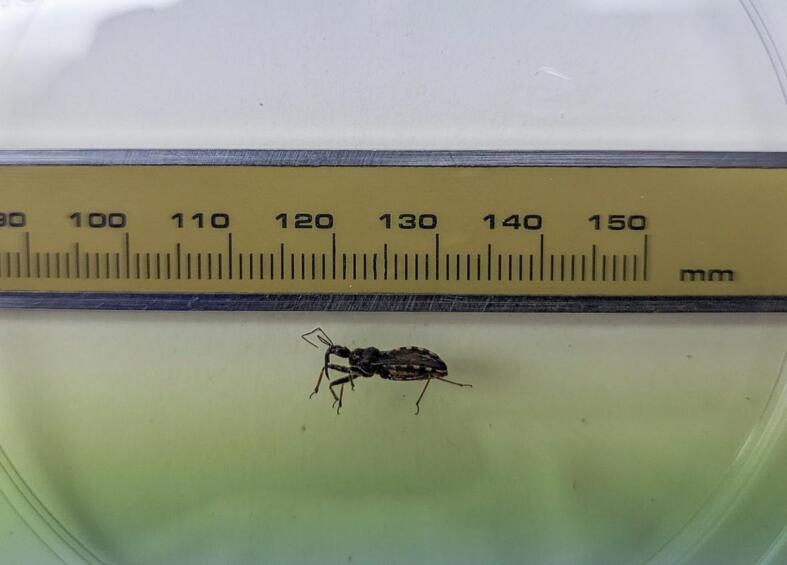 Figure 1
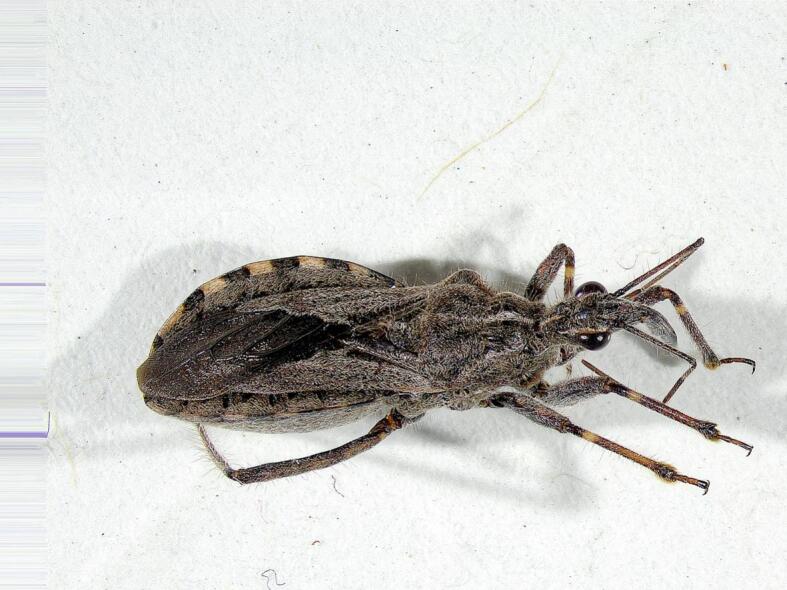 Figure 2
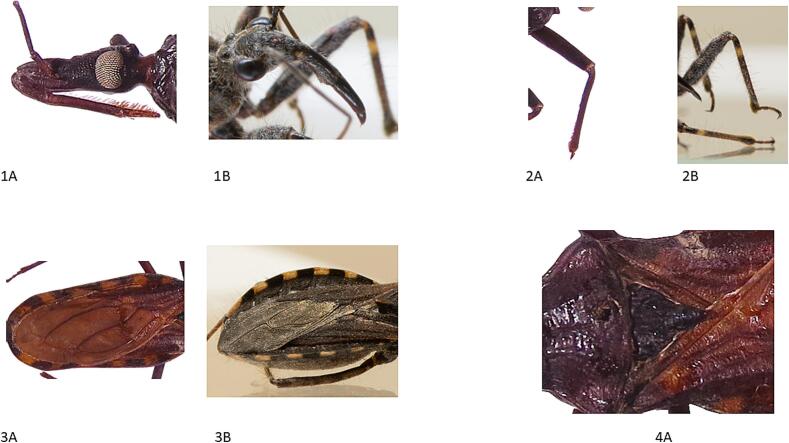 Figure 3
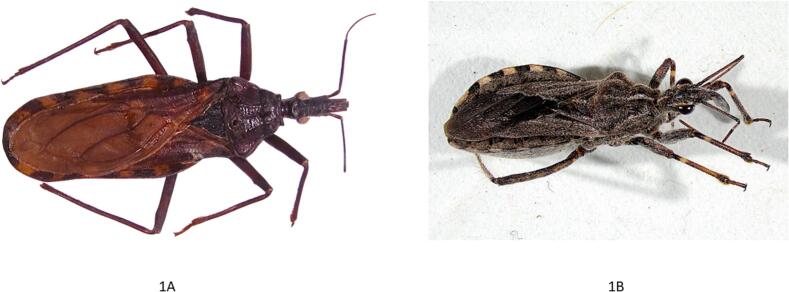 Figure 4
Peer Reviews
No public reviews on file for this paper yet. If you reviewed it on a platform where reviews are public (OpenReview, ICLR, NeurIPS, ICML), you can paste yours below so the community can read it here.
Videos
No videos yet. Explain this paper in a talk, walkthrough, or lecture? Add one.
Taxonomy
TopicsTrypanosoma species research and implications · Insect symbiosis and bacterial influences · Insect-Plant Interactions and Control
Introduction
1
Chagas disease is transmitted by vectors belonging to the Reduviidae family, specifically the Triatominae subfamily. The principal genera implicated in transmission within endemic regions are Rhodnius, Triatoma and Panstrongylus (Martínez-Ibarra et al., 2008; Pérez-Molina and Molina, 2018)). These genera contribute to the endemic status of the disease in 21 countries across the Americas, affecting approximately 6 million people and resulting in 30,000 new cases annually (PAHO, 2021; World Health Organization, 2024). The prevalence of Trypanosoma cruzi is highest in Bolivia, Argentina, Paraguay, Ecuador, El Salvador, and Guatemala (World Health Organization, 2015). Europe, particularly Spain, is currently free from the vectors responsible for Chagas disease; however, other non-hematophagous insect species can be mistaken for these vectors. We present a clinical case of an adult woman bitten by Coranus spp., a bug very similar in appearance to Triatoma infestans, which caused significant anxiety and concern in a pregnant patient.
Case presentation
2
We report the case of a 31-year-old Venezuelan woman residing in Spain for the past seven years. In May 2023, she visited the emergency department after experiencing an arthropod bite on her chest while at home. She captured the insect and, after conducting an internet search, identified it as T. infestans. The patient, who was 30 weeks pregnant, remained asymptomatic but was particularly concerned about the possibility of Trypanosoma cruzi transmission due to her awareness of Chagas disease in her country of origin. Her pregnancy heightened her concern regarding the potential for vertical transmission of T. cruzi. The patient reported no recent travel outside of Spain or contact with visitors from endemic areas. A blood sample obtained three days after the bite as part of gestational screening showed no detectable anti-Trypanosoma cruzi antibodies.
The emergency department ruled out urgent obstetric pathology and reassured the patient, explaining that Spain is not an endemic area for Chagas disease and does not have the necessary vector. A wait-and-see approach was adopted. The pregnancy proceeded normally, culminating in a cesarean section, and neonatal examination at birth revealed no abnormalities.
The arthropod was sent to the Microbiology Service for identification. It was a bedbug approximately 10 mm in size, black with yellow and black two-toned edges (Fig. 1). An internet search revealed a strong resemblance to T. infestans (Fig. 2). Due to limited expertise, the specimen was sent to the Faculty of Pharmacy at the University of Valencia for further identification.Fig. 1. Approximate measurements of the arthropod.Fig. 1. Fig. 2Coranus spp. Captured specimen.Fig. 2
For DNA extraction, two legs from the specimen, fixed in 70 % ethanol, were used and processed individually. The complete sequence of the 18S rRNA gene was amplified using primers and PCR conditions as previously described (Mas-Coma and Bargues, 2009). Purified PCR products were resuspended in 50 μL of 10 mM TE buffer (pH 7.6). The final DNA concentration (in μg/mL) and absorbance at 260/280 nm were determined using an Eppendorf BioPhotometer (Hamburg, Germany). Sequencing was performed on both strands using the dideoxy chain-termination method, with the Taq dye-terminator chemistry kit on an Applied Biosystems 3730xl DNA Analyzer (Applied Biosystems, Foster City, CA, USA). Sequences were assembled and aligned using Clustal W with default parameters in MEGA X software. Homologies were determined using the BLASTN program from the National Center for Biotechnology Information website (http://www.ncbi.nlm.nih.gov/BLAST).
Comparative analysis was performed with 28 sequences of 18S, including 16 species of the main Chagas disease vectors, representatives of the four tribes of Triatomini, and 12 other reduviid predators from different genera, downloaded from GenBank and the haplotype collection of the Valencia Reference Center.
The sequence of the 18S rRNA gene obtained (1912 bp long, with 48.27 % GC content) showed 99.37 % similarity, with a BLAST coverage of 99 %, to the genus Coranus (GenBank Acc. No. OR907251), an assassin bug of the family Reduviidae, subfamily Harpactorinae. Comparative analysis of the sequences with other species of Chagas disease vectors and other predatory reduviids confirmed that the Zaragoza specimen was genetically much more distant from the genera Triatoma, Rhodnius, or Panstrongylus (p-distances = 0.036–0.038) than from the genus Coranus (p-distance = 0.010).
Discussion
3
Species of the genus Coranus are not competent vectors for T. cruzi, and this information was conveyed to the patient. The genus Coranus is characterized by its primarily predatory habits and plays a significant role in regulating populations of other arthropods. In Aragón, Spain, six species of Coranus have been described: Coranus griseus, C. kerzhneri, C. niger, C. pericarti, C. subapterus, and C. woodrofei (Baena and Dos, 2022). In Barcelona they were also described (Goula et al., 2014). These species do not transmit known diseases and are not hematophagous; in this case, the bite likely occurred as a defensive response to feeling threatened. Some distinguishing characteristics between Coranus spp. and T. infestans are presented in Table 1. Additionally, the differences highlighted in the Table 1 can be seen in Fig. 3 and Fig. 4.Table 1. Comparative Characteristics of Coranus spp. and Triatoma infestans.Table 1. CharacteristicsCoranus spp.Triatoma infestansSize9.5–14.2 mmUp to 35 mmColorationVariable depending on species, with dark patterns on the ventral abdomen or light lateral bands.Dark brown with yellow or red margins on the belly.HeadShorter and wider.Elongated, joined to the thorax by a narrow neck.EyesProminent, lateral, and non-compound.Large, prominent compound eyes with vestigial ocelli always present.HornShort, strong, and curved backward.Long, slender, and straight.PronotumAnterior lobe with two or three longitudinal grooves, irregularly parallel to the median groove, which is well marked.The pronotum has grooves that distinguish an anterior and posterior lobe, the former being much shorter.ScutellumRectangular, curved, or apophysed depending on the species. Some species may have a long hooked projection.Small and triangular.Front legsThorny, with pseudopinches for holding prey.Not thorny, without any special modifications for prey trapping.ElytraHemielytra; they completely cover the abdomen in macropterous species; some species may be brachypterous.Hemielytra; always macropterous, covering the abdomen.Eating habitsInsect predatorHematophagous.Medical importanceNo known medical significanceTrypanosoma cruzi vector, the cause of Chagas diseaseDistributionEuropeSouth AmericaFig. 3Morfological differences between Coranus spp. and Triatoma infestans. Panels 1 A and 1B illustrate differences in the head, eyes, and horn between the two species: 1 A – T. infestans, 1B – Coranus spp. Panels 2 A and 2B highlight the distinct hind leg morphology of T. infestans and Coranus spp.: 2 A – T. infestans, 2B – Coranus spp. Panels 3 A and 3B show variations in abdominal coloration between the two genera: 3 A – T. infestans, 3B – Coranus spp. Panel 4 A depicts the characteristic small, triangular scutellum of T. infestans.Fig. 3. Fig. 4Complete bodies of both species, highlighting clear differences in the head, eyes, horns, coloration, and hind legs. 1 A – Triatoma infestans, 1B – Coranus spp. Original photos, courtesy of Patricio Artigas.Fig. 4
The correct identification of the arthropod was particularly important. Had the arthropod been unequivocally identified as a vector of T. cruzi, there would have been a possibility of gestational primoinfection and vertical transmission to the fetus, necessitating antiparasitic treatment. From a public health perspective, the introduction of a species with vectorial capacity for Chagas disease into Spain—a country with a significant population affected by Chagas disease—would constitute a significant health emergency.
The invasive capacity of various arthropod groups is well documented, with notable examples including Aedes albopictus (Artigas et al., 2021, De-Elías-Escribano et al., 2025; Oliveira et al., 2021) and Haemaphysalis longicornis (Rochlin et al., 2023). In Spain, migratory birds and passively transported ticks have been implicated in the expansion of the Crimean-Congo hemorrhagic fever virus (Palomar et al., 2013). Although triatomine mobility is generally limited, they can be passively transported via infested goods, animals, luggage, and air transport routes, expanding their territory (Pinto Dias, 2013). This has been documented in three species, all of which are competent vectors for T. cruzi: Triatoma rubrofasciata, widely distributed and recorded in the USA, Central and South America, Africa, the Middle East, and the Azores, believed to have dispersed along shipping routes between the 16th and 19th centuries due to its association with domestic rats (Dujardin et al., 2015); Rhodnius prolixus, which was likely transported from Venezuela to Mexico and Central America through maritime trade and possibly bird migration (Hashimoto and Schofield, 2012) and T. infestans which is speculated to have reached Mexico from South America via a shipment of seeds in a twenty-foot equivalent unit (TEU) shipping container (Martínez-Hernández et al., 2022).
Outside the Americas, information on the climatic suitability for these vectors to establish and spread is lacking. In Europe, the presence of kissing bugs transmitting Chagas disease has not been recorded as endemic. However, the environmental conditions of southern Europe could be suitable for Triatoma sordida and T. infestans. In addition to climatic conditions, many triatomine species have specific microhabitat preferences and host spectra, making only a few species capable of adapting to other environments (Eberhard et al., 2020).
Correct identification of arthropods in endemic areas is clinically essential for offering early treatment when necessary and epidemiologically essential for mapping and tracking their expansion. Misidentification of non-Chagas-disease-vector bugs with vinchucas is common, as seen in Chile with Leptoglossus occidentalis, an invasive species mistakenly identified, causing social alarm (Faúndez et al., 2020). In the United States, scientists from Texas A&M University have created a comprehensive website highlighting the main differences between vinchucas and other bugs, allowing the public to submit specimens for analysis using molecular biology (Texas A&M University, n.d.). Additionally, public education and community engagement regarding the vectors that transmit Chagas disease have proven to be key strategies in controlling the disease in South and Central America (Abad-Franch et al., 2011), with promising results in Texas (Curtis-Robles et al., 2015). Similarly, educating healthcare professionals about Chagas disease enhances their knowledge and awareness, making them more vigilant (Stigler Granados et al., 2020).
In non-endemic countries, accurate identification is crucial for two main reasons. First, if the arthropod is confirmed as an invasive species with vector potential, appropriate diagnostic and therapeutic measures must be implemented. Furthermore, bed bug bites are rarely reported in medical settings, and microbiology services often have limited capacity to identify these arthropods, posing an additional challenge. In this regard, collaboration with expert entomologists—even from institutions outside Spain—or utilizing citizen science platforms such as the Texas A&M University website (Texas A&M University, n.d.) or iNaturalist (iNaturalist, 2024) can be valuable for clarifying uncertainties in triatomine identification. In Spain, the misidentification of local bedbug species with low medical significance as T. infestans appears to be a relatively common occurrence (personal communication). From a public health perspective, the presence of a vector species would require rigorous monitoring and the implementation of appropriate containment measures.
Availability of data and materials
No datasets were generated or analyzed during the current study.
CRediT authorship contribution statement
Jorge Ligero-López: Writing – review & editing, Writing – original draft, Methodology, Conceptualization. María Dolores-Bargues: Writing – review & editing, Writing – original draft, Methodology, Conceptualization. Patricio Artigas: Visualization, Methodology, Investigation. Giulia Colangeli: Visualization, Methodology, Investigation. Fabiola Peiró-Codina: Visualization, Methodology, Investigation. María Ducons-Márquez: Visualization, Methodology, Investigation. Beatriz López-Alonso: Visualization, Methodology, Investigation. Pilar Goñi: Visualization, Methodology, Investigation. Antonio Beltrán-Rosel: Writing – review & editing, Writing – original draft, Methodology, Conceptualization.
Consent for publication
Not applicable.
Ethics approval and consent to participate
Not applicable.
Funding
This research was funded by: CIBER de Enfermedades Infecciosas (CB21/13/00056), 10.13039/501100004587ISCIII, 10.13039/501100004837Ministry of Science and Innovation, and European Union – NextGenerationEU, Madrid; and the PROMETEO Program, Programa de Ayudas para Grupos de Investigación de Excelencia (2021/004), 10.13039/501100003359Generalitat Valenciana, Valencia, Spain.
Declaration of competing interest
The authors declare no competing interests.
The reference list from the paper itself. Each links out to its DOI / PubMed record.
- 1Abad-Franch F.Vega M.C.Rolón M.S.Santos W.S.Rojas de Arias A.Community participation in Chagas disease vector surveillance: systematic review P Lo S Negl. Trop. Dis.562011 e 120710.1371/journal.pntd.0001207 PMC 311964221713022 · doi ↗ · pubmed ↗
- 2Artigas P.Reguera-Gómez M.Valero M.A.Osca D.da Silva Pacheco R.Rosa-Freitas M.G.Paredes-Esquivel C.Lucientes J.Mas-Coma S.Bargues M.D.Aedes albopictus diversity and relationships in south-western Europe and Brazil by r DNA/mt DNA and phenotypic analyses: ITS-2, a useful marker for spread studies Parasit. Vectors 141202133310.1186 s/13071-021-04829-93417494010.1186/s 13071-021-04829-9PMC 8235640 · doi ↗ · pubmed ↗
- 3Baena M.Dos T.J.nuevos redúvidos para Aragón, Empicoris brevispinus (Puton, 1889) y Zelus renardii Kolenati, 1857 (Hemiptera: Reduviidae)Rev. Gaditana Entomol.1320225360
- 4Curtis-Robles R.Wozniak E.J.Auckland L.D.Hamer G.L.Hamer S.A.Combining public health education and disease ecology research: using citizen science to assess Chagas disease entomological risk in Texas P Lo S Negl. Trop. Dis.9122015 e 000423510.1371/journal.pntd.0004235 PMC 468763526658425 · doi ↗ · pubmed ↗
- 5De-Elías-Escribano A.Serafín-Pérez I.Arigas P.Fernández-Serafín C.Rodríguez-Camacho S.Yanes-Manrique B.González-Alonso V.Mas-Coma S.Lorenzo-Morales J.Bargues M.D.Wide variation of Aedes albopictus genotypes first introduced into Canary Islands assessed by r DNA internal transcribed spacer region and mt DNA cox 1 sequencing and cloning Trop. Med. Infect. Dis.10220253510.3390/tropicalmed 1002003539998039 PMC 11860604 · doi ↗ · pubmed ↗
- 6Dujardin J.P.Lam T.X.Khoa P.T.Schofield C.J.The rising importance of Triatoma rubrofasciata Mem. Inst. Oswaldo Cruz 1103201531932310.1590/0074-0276014044625807471 PMC 4489469 · doi ↗ · pubmed ↗
- 7Eberhard F.E.Cunze S.Kochmann J.Klimpel S.Modelling the climatic suitability of Chagas disease vectors on a global scale Elife 92020 e 5207210.7554/e Life.52072 PMC 723721832374263 · doi ↗ · pubmed ↗
- 8Faúndez E.I.Carvajal M.A.Villablanca J.Alien invasion: the case of the Western conifer-seed bug (Heteroptera: Coreidae) in Chile, overreaction, and misidentifications J. Med. Entomol.571202029730310.1093/jme/tjz 12731380562 · doi ↗ · pubmed ↗