Self-Healing Thermoset Polyurethanes Driven by Host–Guest Interactions Between α-Cyclodextrin and Poly(ethylene glycol) Monomethyl Ether or Dodecanol Moieties
Riku Miyagawa, Mitsuhiro Shibata

TL;DR
This paper introduces self-healing thermoset polyurethanes that use host-guest interactions between α-cyclodextrin and other molecules to improve healing efficiency and durability.
Contribution
The novel contribution is the development of self-healing thermoset polyurethanes using α-cyclodextrin and poly(ethylene glycol) monomethyl ether or dodecanol for enhanced healing performance.
Findings
Healing efficiency increased with higher GCE fraction and higher healing temperatures.
GCD-411 showed better healing efficiency than GCM-411.
Self-healing occurred multiple times at elevated temperatures but decreased with each cycle.
Abstract
Self-healing thermoset polymers have attracted significant attention because they contribute to resource and energy savings by extending their service life. The reactions between glycerol ethoxylate (GCE), α-cyclodextrin (α-CD), poly(ethylene glycol) monomethyl ether (MPEG), and hexamethylene diisocyanate (HDI) at molar ratios of GCE:α-CD:MPEG = a:b:c produced polyurethane networks (GCM-abc, abc = 311, 411, and 511) containing α-CD and MPEG as host and guest moieties, respectively. To compare this with GCM-411, 1-dodecanol (DN) was used instead of MPEG as a guest molecule to yield a polyurethane network (GCD-411). Dynamic mechanical analysis revealed the formation of a polymer network, and the loss tangent (tan δ) peak temperature (Tα) and crosslinking density (νe) decreased with increasing GCE fraction for GCMs, and the Tα and νe values of GCD were slightly higher than those of…
Genes, proteins, chemicals, diseases, species, mutations and cell lines named across the full text — each resolved to its canonical identifier and authoritative record.
Click any figure to enlarge with its caption.
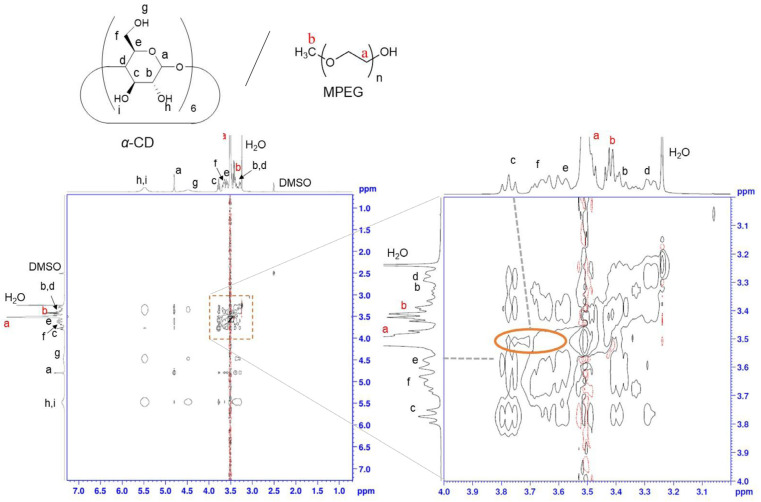 Figure 1
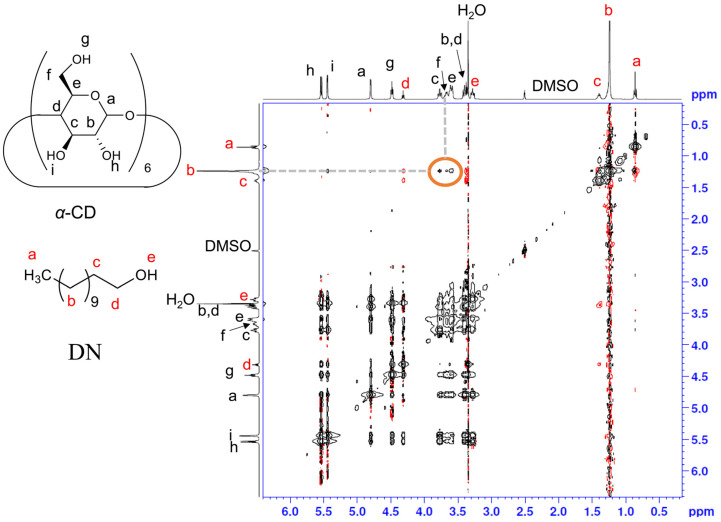 Figure 2
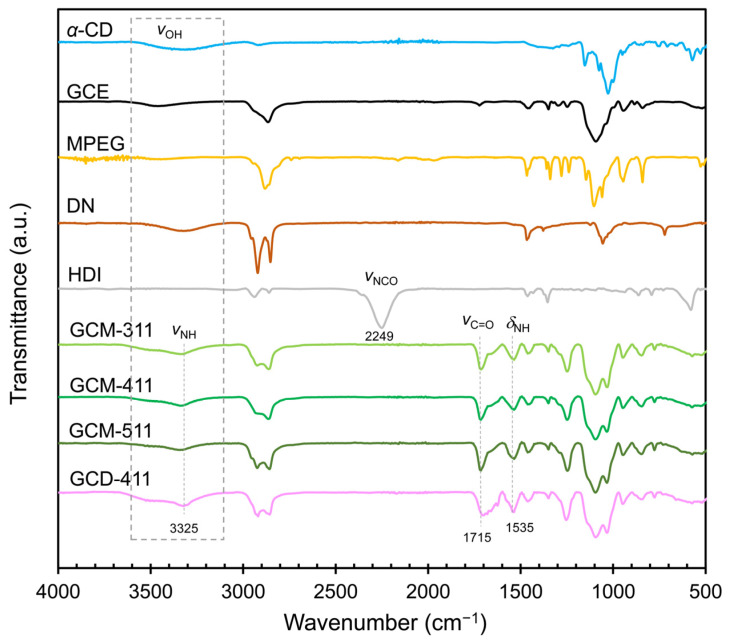 Figure 3
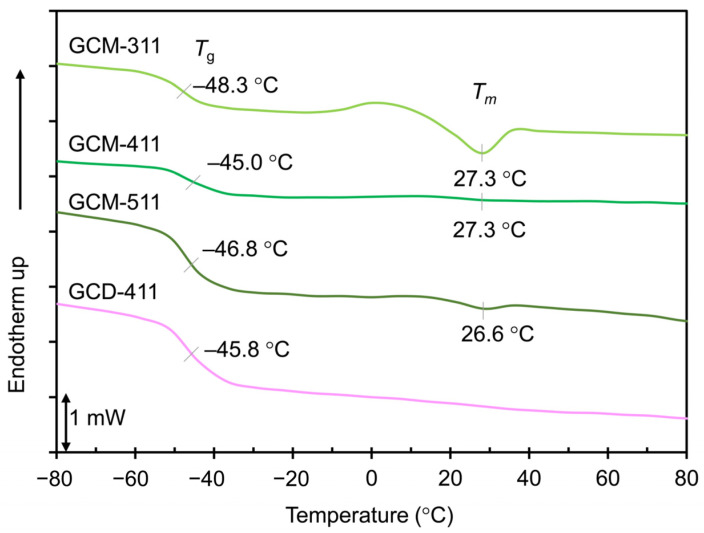 Figure 4
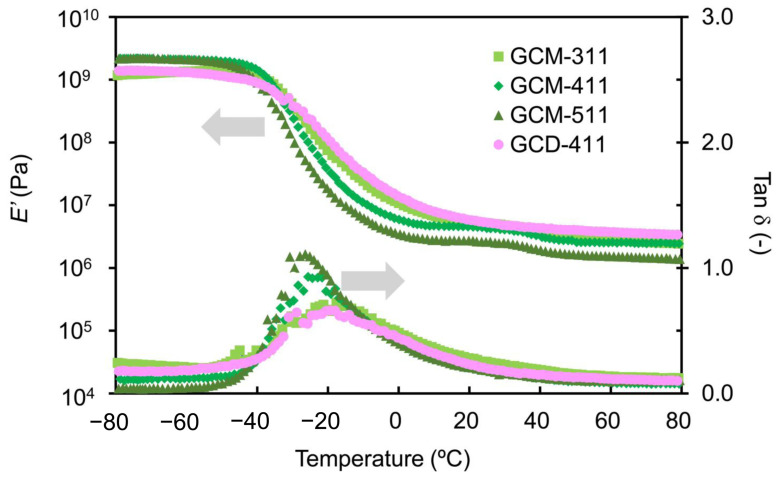 Figure 5
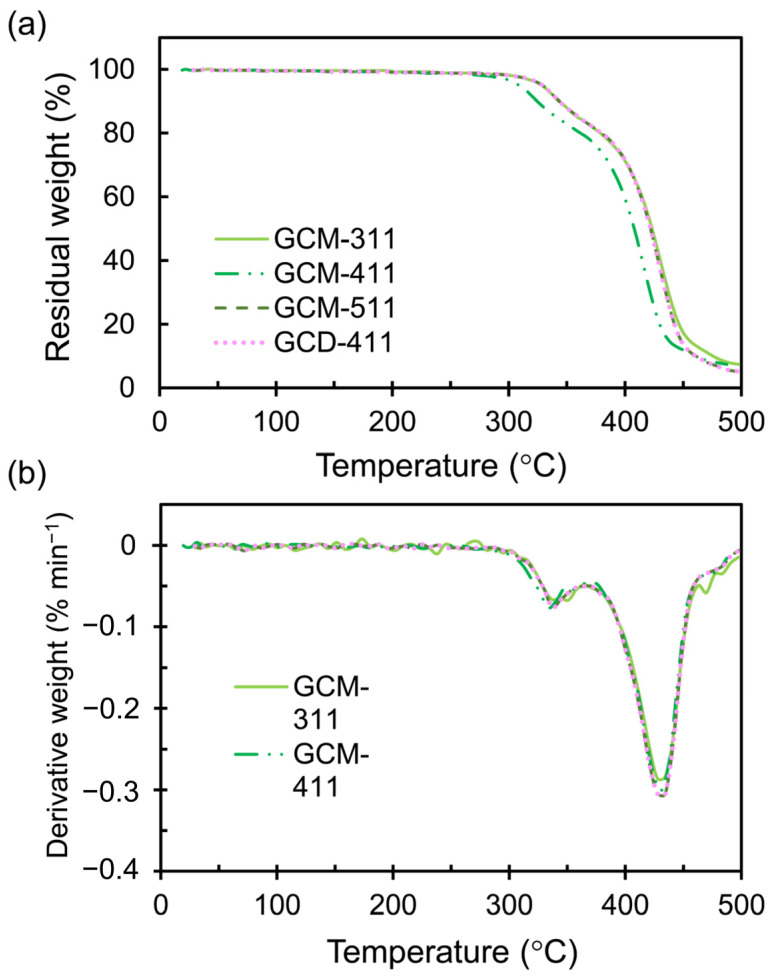 Figure 6
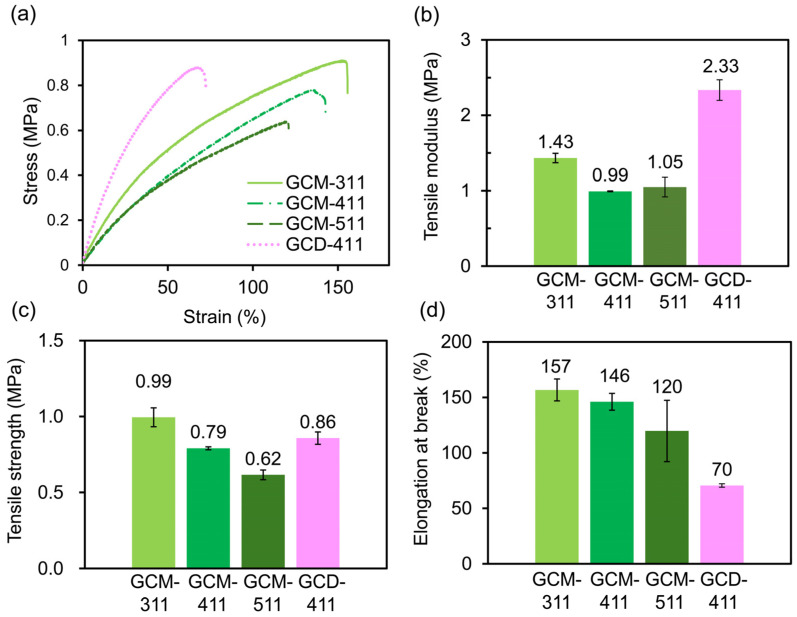 Figure 7
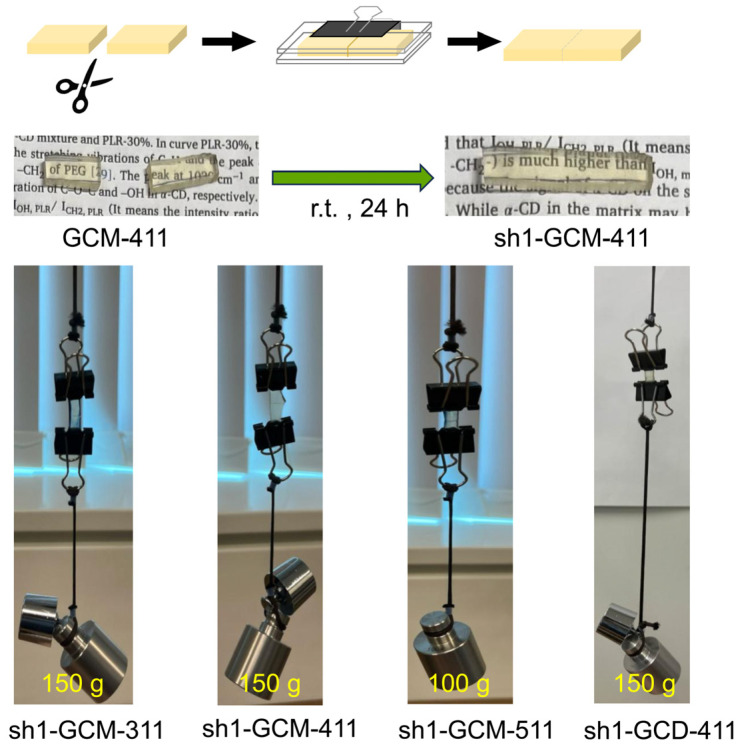 Figure 8
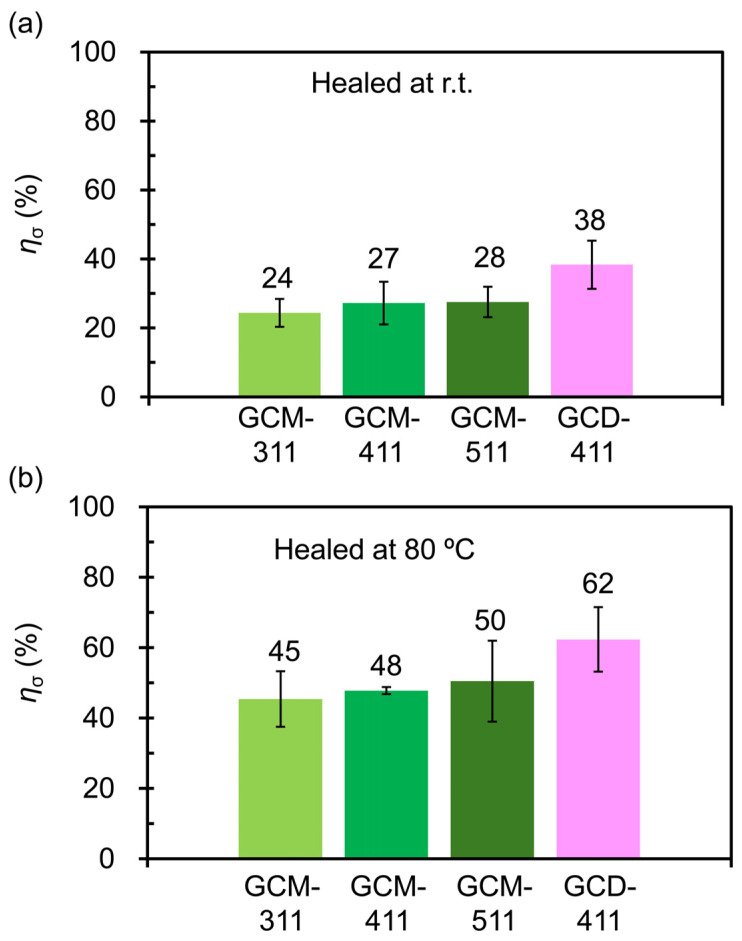 Figure 9
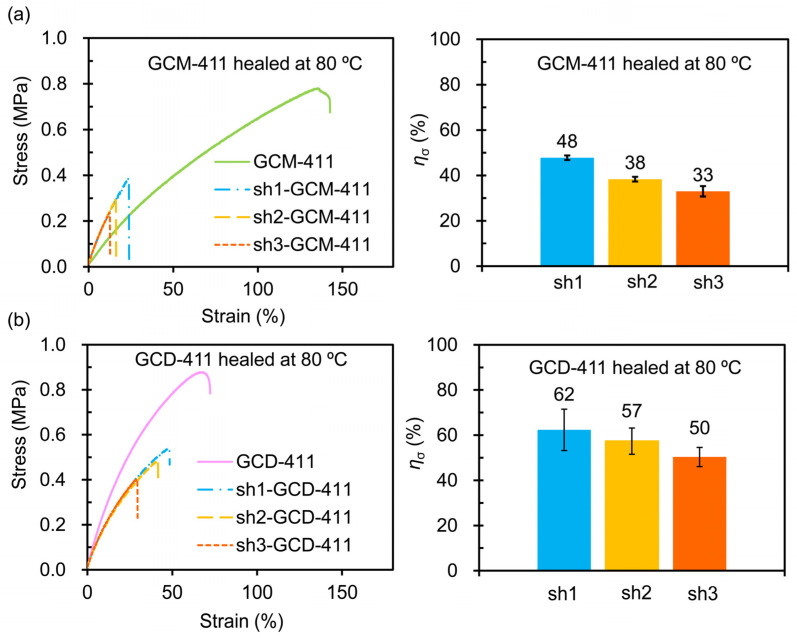 Figure 10
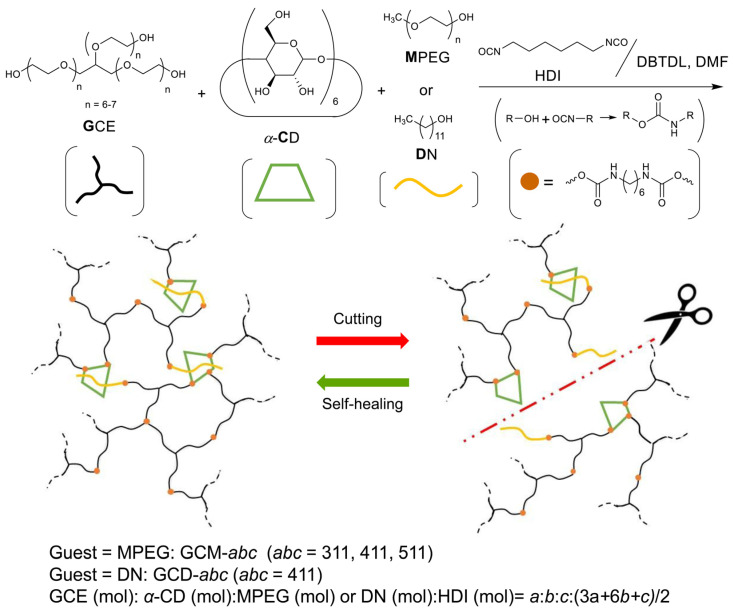 Figure 11
Peer Reviews
No public reviews on file for this paper yet. If you reviewed it on a platform where reviews are public (OpenReview, ICLR, NeurIPS, ICML), you can paste yours below so the community can read it here.
Videos
No videos yet. Explain this paper in a talk, walkthrough, or lecture? Add one.
Taxonomy
TopicsPolymer composites and self-healing · Epoxy Resin Curing Processes · Advanced Polymer Synthesis and Characterization
1. Introduction
Thermoset polyurethanes are widely used in flexible and hard foams, coatings, and adhesives because of their excellent chemical and thermal resistances, adhesiveness, and variability in mechanical properties caused by changing the types of isocyanates and polyols. However, cracks and scratches caused by impact or abrasion on the materials using cross-linked polyurethanes cannot be repaired, leading to degradation in their service life. Furthermore, reprocessing and recycling these materials are extremely challenging because they are infusible and insoluble. Therefore, self-healing and reprocessable thermoset polymers have attracted significant attention as resource- and energy-saving materials. Previously, dynamic covalent bonds such as bonds formed by Diels–Alder reaction [1,2,3,4,5], disulfide [6,7,8,9,10,11,12], imine [13,14], phenol-carbamate [15,16,17,18,19,20], boronic ester [20,21,22,23,24], and non-covalent interactions, such as hydrogen bonding [7,11,12,25,26,27,28,29], metal–ligand coordination [10,25,26,27,30], and π-π interaction [28,29,31], have been utilized to impart self-healing properties to thermoset polyurethanes. Among these, a few studies have demonstrated that damaged samples can self-heal at room temperature (approximately 20–30 °C). However, many samples required high-temperature (typically at 80 to 130 °C) processing. Healing via milder heat-temperature processing (ideally, at room temperature ≈ 20–30 °C; otherwise, at temperatures no higher than 80 °C) is desirable. Self-healing thermoset polyurethanes and epoxy resins, which can be healed via mild-temperature treatments, have been successfully developed using host–guest interactions between β-cyclodextrin (β-CD) with seven d-glucose units and adamantane (or cyclohexane) moieties [32,33,34]. However, self-healing thermosetting resins driven by host–guest interactions involving α-CD (6 d-glucose subunits) have received little attention, even though α-CD forms a pseudo-rotaxane with poly(ethylene glycol) (PEG) [35] and host–guest complexes with 1-dodecy and 1-hexyl compounds [36]. Nakahata et al. reported self-healing hydrogels composed of α-CD/PEG-based polyrotaxane and poly(acrylamide-co-4-vinylphenylboronic acid) cross-linked with dynamic boronic ester linkages [37]. Cosgun et al. reported self-healing hydrogels composed of α-CD/PEG pseudo polyrotaxane-type complexes, poly(N-vinylpyrrolidone) (PVP), and crosslinked poly(ethylene glycol) dimethacrylate networks driven by hydrogen bonding interactions between the α-CD/PEG complexes and PVP [38]. However, these studies focused on hydrogels and not on thermoset polymers, and they did not use reversible complexation of the α-CD and PEG moieties as a self-healing mechanism. Very recently, we reported self-healing photo-cured methacrylate resins driven by the reversible formation and dissociation of inclusion complexes in a half-rotaxane (where one end of the axle has a stopper, but the other end is still open) of crosslinked α-CD moieties and PEG moieties with only one crosslinked terminal end [39]. However, this methodology has not yet been applied to thermosetting resins, which are widely used for various purposes.
In this study, the reaction of glycerol ethoxylate (GCE), α-CD, poly(ethylene glycol) monomethyl ether (MPEG), and hexamethylene diisocyanate (HDI) produced polyurethane networks (GCMs) containing α-CD and MPEG as host and guest moieties, respectively. For comparison with GCM films, a polyurethane network was prepared using 1-dodecanol (DN) instead of MPEG as a guest molecule (GCD-411). In the formed polyurethane networks, reversible formation and dissociation of inclusion complexes in half-rotaxanes of crosslinked α-CD moieties and MPEG or DN moieties with only one crosslinked terminal end are expected to impart self-healing properties (Scheme 1). This study focused on the effects of changing the composition of the feed–reactant ratio and using a half-rotaxane of crosslinked α-CD/MPEG moieties and a simple inclusion complex of crosslinked α-CD/DN moieties on the thermal and mechanical properties, as well as the self-healing ability, of the GCM and GCD films through mild temperature (near-room temperature) processing.
2. Results and Discussion
2.1. Preparation and Characterization of the GCM and GCD Films
Before the preparation of polyurethane networks from GCE, α-CD, MPEG (or DN), and HDI, the formation of a pseudo-rotaxane of α-CD/MPEG and an inclusion complex of α-CD/DN in DMSO-d6 was confirmed by 2D ^1^H–^1^H NOESY. The 2D ^1^H–^1^H NOESY images of α-CD/MPEG mixture with a molar ratio of 1/1 in DMSO-d6 demonstrated a correlation between the H-c, f, and e signals of the α-CD moieties and the H-a signals of the PEG segments of MPEG (Figure 1). The 2D ^1^H–^1^H NOESY images of α-CD/DN mixture with a molar ratio of 1/1 in DMSO-d6 demonstrated a correlation between the H-c, f, and e signals of the α-CD moieties and the H-b signals of the nonamethylene segments of DN (Figure 2). These results indicate the formation of a pseudo-rotaxane between α-CD and MPEG and the inclusion complex of α-CD and DN. Although these NOESY results do not directly prove the inclusion of α-CD with PEG or DN in the actual cured GCM and GCD films, they provide indirect evidence supporting the occurrence of such inclusion.
The reaction between GCE, α-CD, MPEG, and HDI at the molar ratios of 3:1:1:8, 4:1:1:9.5, and 5:1:1:11 produced GCM-311, GCM-411, and GCM-511 films containing α-CD and MPEG as host and guest moieties, respectively. For comparison with GCM-411, DN was used instead of MPEG as the guest molecule to yield a GCD-411 film (Scheme 1). In these reactions, the reaction ratio was determined based on the assumptions that six out of the eighteen hydroxy groups of α-CD and all hydroxy groups of GCE, MPEG, and DN react with the isocyanate groups of HDI in the final composition, and the molar ratio of host–guest is 1/1. GCM-311, GCM-411, and GCM-511 were obtained as homogeneous yellowish transparent films. However, GCD-411 was a yellowish opaque film, suggesting that some hydrophobic DN-derived moieties were microphase-separated (Figure S1, Supplementary Material).
Figure 3 shows the FT-IR spectra of GCE, α-CD, MPEG, DN, HDI, and all GCM and GCD films. In the FT-IR spectra of GCE, α-CD, MPEG, and DN, a broad absorption band caused by the OH stretching vibration (νOH) was observed at 3100–3600 cm^−1^. HDI exhibited a strong absorption band due to the NCO stretching vibration (νNCO) at 2249 cm^−1^. The νOH and νNCO bands, which were observed for GCE, α-CD, MPEG, DN, and HDI, were not observed for the GCM and GCD films, and new absorption bands due to NH stretching (νNH), urethane C=O stretching (νC=O), and NH bending (δNH) appeared at 3325, 1715, and 1535 cm^−1^, respectively. These results indicate the occurrence of the urethanization reaction of the hydroxy and isocyanate groups in all cured films. The gel fractions measured using DMF as the extraction and soaking solvents for all cured films were 84–88%, confirming the formation of polyurethane networks.
2.2. Thermal Properties of the GCM and GCD Films
Figure 4 shows the DSC curves of the cured films. The T_g_s of all cured films ranged from −45 °C to −48 °C, with no significant differences observed. GCM-311, GCM-411, and GCM-511 exhibited an endothermic melting peak at 26–27 °C. As GCD-411 showed no melting peaks, the melting peaks of the GCM films can be attributed to the melting of the PEG segment of MPEG.
Figure 5 shows the DMA curves of the cured films. Table 1 lists Tα, E′ at 20 °C, E′ at (Tα + 50) °C, and νe values. The position of the convex tan δ curve remained approximately the same for all cured films; this is consistent with the trend of Tg obtained through DSC measurements. However, Tα at the peak point of the GCM films slightly decreased with increasing GCE fraction, and Tα of GCD-411 was higher than that of GCM-411. The E′ rubbery plateau region was observed for all cured products at temperatures higher than Tα, indicating the formation of a network structure. The νe value for the GCM films decreased with increasing GCE fraction, and the νe of GCD-411 was higher than that of GCM-411; this is consistent with the trend of Tα. These results can be attributed to the lower hydroxy functionality and longer distances between the terminal hydroxy groups of GCE compared to those of α-CD and a much lower feed weight fraction of DN than that of MPEG, causing a lowering of νe.
Figure 6 shows the TGA and DTG curves of the cured films. Table 2 lists the Tdp, Td5%, Td10%, and Td50% values of the cured films. The DTG curves of the cured films exhibit two distinct degradation steps. The first step at approximately 300–350 °C can be attributed to the thermal decomposition of urethane bonds and α-CD-based components, and the second step at approximately 370–460 °C is due to the decomposition of PEG and dodecyl segments. All cured films exhibited Td5% values higher than 320 °C, and no significant differences were observed in their Td5%, Td10%, and Td50% values.
2.3. Mechanical and Self-Healing Properties of the GCM and GCD Films
The mechanical properties of the cured films were evaluated through tensile tests. The stress–strain curves and tensile properties of the cured films are presented in Figure 7. The tensile modulus and tensile strength of the GCM films decreased with increasing GCE content, except for GCM-411 and GCM-511, which exhibited comparable tensile moduli. These results are attributable to the decrease in νe with increasing GCE content. While a reduction in νe typically enhances elongation at break, the GCM films exhibited an opposite trend, showing a decrease in elongation at break with reduced νe. The half-rotaxane fraction of α-CD/MPEG contributes to the enhancement of elongation at break due to the sliding motion of the α-CD rings along the MPEG chains. However, in GCE films, the elongation at break decreased with increasing GCE content (that is, decreasing νe), which is attributed to the reduction in the half-rotaxane fraction. GCD-411 exhibited a higher tensile modulus and strength and a lower elongation at break than GCM-411, reflecting a higher νe of GCD-411 than that of GCM-411. The α-CD/MPEG half-rotaxane type GCM-411 film exhibited approximately twice the elongation at break compared to the simple inclusion complex type α-CD/DN-based GCD-411.
The as-prepared GCM-411 film was cut into two pieces. The pieces were aligned with their cut surfaces in contact, sandwiched between two polymethylpentene plates, secured with clips, and left at room temperature for 24 h to form healed (sh1) films (Figure 8). All the other cured films were healed using the same method. The self-healed samples of GCM-311, GCM-411, GCM-511, and GCD-411 did not break, even under loadings of 150, 150, 100, and 150 g, respectively.
The self-healing properties of the cured products were quantitatively evaluated based on the changes in the tensile strengths of the original and self-healed samples. The stress–strain curves of the original and self-healed samples at room temperature and 80 °C are shown in Figures S2 and S3, respectively. The tensile moduli, tensile strengths, and elongations at break of the original-, sh1-, sh2-, and sh3-GCM and GCD films are listed in Table S1 (Supplementary Material). The ησ values at room temperature and 80 °C increased in the order of GCM-311 < GCM-411 < GCM-511 < GCD-411, and the ησ values at 80 °C were much higher than those at room temperature (Figure 9). The ησ values of the GCM films increased with increasing GCE fraction, even though the α-CD/MPEG half-rotaxane fraction decreased. This result can be attributed to the decrease in the E’ values in the temperature range of 20 °C to 80 °C, promoting reversible host–guest interactions between the α-CD and MPEG moieties. At room temperature, the ησ value of GCM-511 (28%) was higher than that of our previously reported analog polyurethane network (17%), which was synthesized by the reaction of GCE, β-CD, 1-adamantanol, and HDI at a molar ratio of 5:1:1 (GCE:β-CD:1-adamantanol) [32]. The fact that the ησ of GCD-411 was higher than that of GCM-411 suggests that the reversible host–guest interactions between α-CD and relatively hydrophobic dodecyl components are stronger than those between α-CD and relatively hydrophilic MPEG components.
We investigated the repetitive self-healing properties by treating the GCM-411 and GCD-411 films at 80 °C. Figure 10 shows the stress–strain curves and ησ values of the GCM-411 and GCD-411 films, which were healed thrice at 80 °C for 24 h. Comparing the stress–strain curves of the original and healed GCM-411 samples, the maximal stress and strain at break decreased with an increasing number of healing cycles, and the initial slope (i.e., tensile modulus) of the self-healed samples was higher than that of the original GCM-411. However, the tensile modulus of the GCM-411 film healed at room temperature was almost the same as that of the original GCM-411 film as shown in Figure S2 and Table S1. Although the exact mechanism remains unclear, annealing the damaged GCM-411 film at 80 °C followed by natural cooling to room temperature led to the recrystallization of the melted crystalline MPEG segments. This process may also have altered the crystalline state of MPEG segments and hydrogen bonding interactions of the polyurethane network. Conversely, comparing the stress–strain curves of the original and healed amorphous GCD-411 samples, the maximal stress and strain at break decreased with an increasing number of healing cycles, but the initial slope (i.e., tensile modulus) of the self-healed samples was lower than that of the original GCM-411. The ησ values of the GCM-411 and GCD-411 gradually decreased owing to the thrice healing from 48% to 33% and 62% to 50%, respectively.
3. Materials and Methods
3.1. Materials
This study procured α-CD (purity > 98.0%) and dibutyltin dilaurate (DBTDL, purity > 95.0%) from Kanto Chemical Co. Inc. (Tokyo, Japan), GCE (Mn: ~1000, degree of polymerization: 20.4) from Sigma-Aldrich Japan Co., Ltd. (Tokyo, Japan), and MPEG (average molecular weight: 950–1050), DN (purity > 99.0%), and HDI (purity > 99.0%) from Tokyo Chemical Industry (Tokyo, Japan). All commercially available reagents were used as received without further purification.
3.2. Preparation of Polyurethane Network Films
A typical procedure for GCM-411 [molar ratio of GCE: α-CD:MPEG:HDI = 4:1:1:(3∙4 + 6∙1 + 1)/2] is as follows. HDI (0.356 g, 2.12 mmol) is added to a solution of GCE (4.20 g, 4.24 mmol) and DBTDL (40 mg, 0.5 wt.% of total weight of reactants) in dehydrate N,N-dimethyl formamide (DMF, 5 mL) and stirred at room temperature for 30 min in a nitrogen atmosphere. A solution of MPEG (1.06 g, 1.06 mmol) in dehydrated DMF (5 mL) is added to the reaction mixture and stirred at room temperature for 30 min in a nitrogen atmosphere; subsequently, HDI (0.0891 g, 0.530 mmol) is added and stirred at room temperature for 30 min in a nitrogen atmosphere. Then, α-CD (1.03 g, 1.06 mmol) in dehydrated DMF (10 mL) is added to the reaction mixture and stirred at room temperature for 30 min in a nitrogen atmosphere; subsequently, HDI (1.25 g, 7.41 mmol) is added and stirred at room temperature for 30 min in a nitrogen atmosphere. The resulting solution is poured into a culture dish composed of perfluoroalkoxy alkanes, sonicated at room temperature for 10 min, and dried at 40 °C for 24 h in an electric oven and at 100 °C for 24 h in a vacuum oven to produce the GCM-411 film. During this reaction, it is assumed that the highly reactive six primary hydroxy groups among the 18 hydroxy groups of α-CD react with the isocyanate groups of HDI [40,41]. GCM-311, GCM-511, and GCD-411 were prepared following a procedure similar to that used to prepare GCM-411. The amounts of feed reactants for all cured products are listed in Table 3.
3.3. Self-Healing Experiments and Analyses
Rectangular samples (20 × (4–5) × (1.6–2.6) mm^3^) of the GCM and GCD films were cut into halves, and the two halves were aligned with their cut surfaces in contact, sandwiched between two polymethylpentene plates, secured with clips, and left at room temperature or 80 °C for 24 h to produce self-healing GCM and GCD films (sh1-GCM and sh1-GCD, respectively). This healing cycle was repeated thrice (sh1, sh2, and sh3). Healing efficiency was evaluated by calculating the tensile strength recovery rate using the following equation:
where σ0 and σ1 are the average tensile strengths of the original and healed samples, respectively.
3.4. Measurements
Two-dimensional (2D) ^1^H–^1^H nuclear Overhauser effect spectroscopy (2D ^1^H–^1^H NOESY) was performed, and the resulting spectra were recorded at 300 K using a Bruker AV-400 (400 MHz) instrument (Billerica, MA, USA), with DMSO-d6 as the solvent and tetramethylsilane (TMS) as the internal standard. Fourier-transform infrared (FT-IR) spectra were recorded using a Shimadzu (Kyoto, Japan) IRAffinity-1S instrument in the 500–4000 m^−1^ range using the attenuated total reflectance method. The FT-IR spectra were acquired using 50 scans at a resolution of 4 cm^−1^. Gel fraction measurements were performed using the following procedure. After a film sample (10 × 10 × (1.6–2.6) mm^3^) was soaked in DMF at room temperature (20–25 °C) for 24 h, the film sample was vacuum-dried at 100 °C for 24 h. The gel fraction was calculated as follows:
where w0 and w1 are the weights of the original and dried films, respectively. Three samples of each film were tested, and the mean values and standard deviations were calculated from the gel fraction measurement. Differential scanning calorimetry (DSC) was performed using a Shimadzu DSC-60 Plus instrument (Shimadzu Corp., Kyoto, Japan) in a nitrogen atmosphere. After the as-prepared sample (8–9 mg) was cooled to −80 °C, the heating scan was monitored at a heating rate of 20 °C min^−1^. The glass transition temperature (Tg) was determined from the midpoint of the heat flow change. Dynamic mechanical analysis (DMA) (DMA1, Mettler–Toledo, Tokyo, Japan) was performed on a rectangular plate sample (20 × (4–5) × (1.6–2.2) mm^3^) with a chuck distance of 10 mm, a frequency of 1 Hz, and heating rate of 3 °C min^−1^. The amplitude of the DMA measurements was 7 μm. Tα was obtained from the temperature dependency of tan δ. The crosslinking densities (νe) of the cured products were calculated using the following equation:
where R is the gas constant (8.314 J mol K^−1^), E′ is the storage modulus of the cured film in the rubbery region at (Tα + 50) K, and T is the absolute temperature at which the storage modulus values are obtained [42,43]. Thermogravimetric analysis (TGA) and derivative thermogravimetric analysis (DTG) were performed for a sample weighing approximately 3–5 mg using a Shimadzu DGA-60 thermogravimetric analyzer at a heating rate of 20 °C min^−1^ in a nitrogen atmosphere. The temperatures at which x% mass loss occurred (Tdx%, x = 5, 10, and 50) and the decomposition peak temperature (Tdp) were determined using the TGA and DTG curves, respectively. The tensile tests of the rectangular samples (20 × (4–5) × (1.6–2.6) mm^3^) were performed at a temperature of 20–25 °C using a Shimadzu Autograph AG-I instrument. The span length and testing speed were 15 mm and 3 mm min^−1^, respectively. Five specimens were tested for each set of samples, and the mean values and standard deviations were calculated.
4. Conclusions
The reactions between GCE, CD, MPEG, and HDI at the molar ratios of 3:1:1:8, 4:1:1:9.5, and 5:1:1:11 produced GCM-311, 411, and 511, respectively, containing reversible α-CD/MPEG half-rotaxane structures. Compared to GCM-411, when DN was used as a guest molecule instead of MPEG, GCD-411 containing a reversible αCD/DN host–guest inclusion complex structure was obtained. The ^1^H–^1^H NOESY images of α-CD/MPEG and α-CD/DN mixtures in DMSO-d6 demonstrated the formation of a pseudo-rotaxane and an inclusion complex between α-CD and MPEG and α-CD and DN, respectively. FT-IR and gel fraction analyses of all cured films revealed the formation of polyurethane networks. DSC analysis revealed a melting endotherm owing to the crystallized MPEG segments for the GCM films, whereas GCD-411 was amorphous. DMA analyses revealed that Tα and νe decreased with increasing GCE fraction for the GCM films, and the Tα and νe values of GCD-411 were slightly higher than those of GCM-411. TGA and DTG analyses revealed that the Td5% values of all cured films were higher than 320 °C, and all cured films showed two-step thermal degradation. The tensile strength of the GCM films decreased with increasing GCE content, and the tensile strength of GCD-411 was slightly higher than that of GCM-411. All cured films were healed at room temperature for 24 h, and the ησ values increased in the order of GCM-311 < GCM-411 < GCM-511 < GCD-411. By increasing the healing temperature from room temperature to 80 °C, ησ increased from 24–38% to 45–62%. GCM-411 and GCD-411 were self-healed thrice by treatment at 80 °C, and ησ gradually decreased as the healing cycle was repeated. Because the GCM and GCD films developed in this study exhibited excellent self-healing properties and good thermal and mechanical properties, they are expected to be applied to environmentally benign coatings.
The reference list from the paper itself. Each links out to its DOI / PubMed record.
- 1Yang S. Du X. Deng S. Qiu J. Du Z. Cheng X. Wang H. Recyclable and self-healing polyurethane composites based on Diels-Alder reaction for efficient solar-to-thermal energy storage Chem. Eng. J.202039812565410.1016/j.cej.2020.125654 · doi ↗
- 2Du W. Jin Y. Shi L. Shen Y. Lai S. Zhou Y. NIR-light-induced thermoset shape memory polyurethane composites with self-healing and recyclable functionalities Compos. B 202019510809210.1016/j.compositesb.2020.108092 · doi ↗
- 3Wu P. Cheng H. Wang X. Shi R. Zhang C. Arai M. Zhao F. A self-healing and recyclable polyurethane-urea Diels–Alder adduct synthesized from carbon dioxide and furfuryl amine Green Chem.2021355210.1039/D 0GC 03695 A · doi ↗
- 4Yang T. Lin C. Huang M. Ying P. Zhang P. Wu J. Wang T. Kovalev A. Myshkin N. Levchenko V. Self-healing and recyclable polyurethane/nanocellulose elastomer based on the Diels-Alder reaction Polymers 202416202910.3390/polym 1614202939065346 PMC 11280686 · doi ↗ · pubmed ↗
- 5Yang B. Chen X. Li Y. Ruan H. Thermal-driven self-healing and recyclable thermosetting polyurethane resins for energy harvesting Eur. Polym. J.202421911340710.1016/j.eurpolymj.2024.113407 · doi ↗
- 6Ye J. Liu H. Zhu D. Guo C. Liu Y. Feng L. Multiple responsive self-healing behavior of amino-functionalized Cu S-modified thermo-reversible polyurethane containing double dynamic covalent bonds Eur. Polym. J.202522811379210.1016/j.eurpolymj.2025.113792 · doi ↗
- 7Liu M. Zhong J. Li Z. Rong J. Yang K. Zhou J. Shen L. Gao F. Huang X. He H. A high stiffness and self-healable polyurethane based on disulfide bonds and hydrogen bonding Eur. Polym. J.202012410947510.1016/j.eurpolymj.2020.109475 · doi ↗
- 8He J. Song F. Li X. Gong X. Tu W. A novel kind of room temperature self-healing poly(urethane-urea) with robust mechanical strength based on aromatic disulfide J. Polym. Res.20212812210.1007/s 10965-021-02433-0 · doi ↗