Correction: Su et al. The Relationship between Sarcopenia and Injury Events: A Systematic Review and Meta-Analysis of 98,754 Older Adults. J. Clin. Med. 2022, 11, 6474
Yu-Chen Su, Shu-Fang Chang, Hsiao-Chi Tsai

Abstract
Genes, proteins, chemicals, diseases, species, mutations and cell lines named across the full text — each resolved to its canonical identifier and authoritative record.
Click any figure to enlarge with its caption.
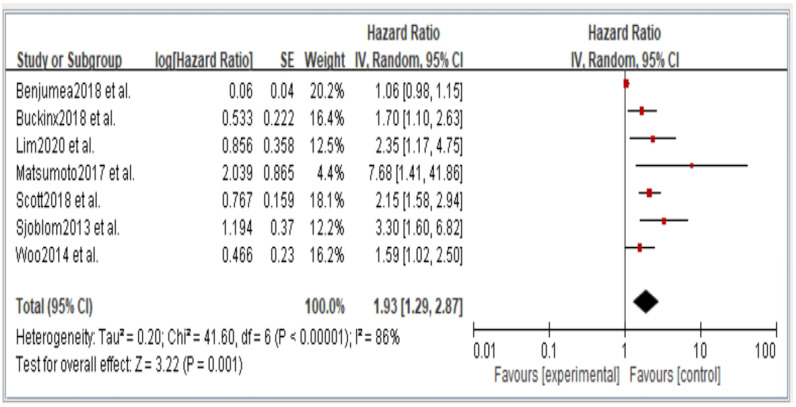 Figure 1
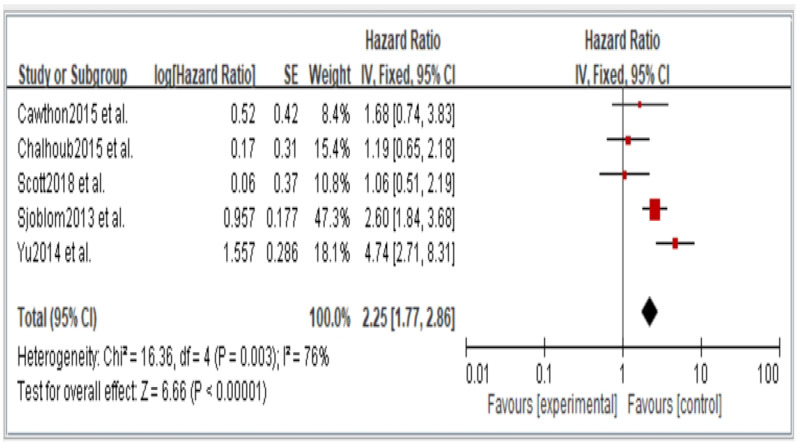 Figure 2
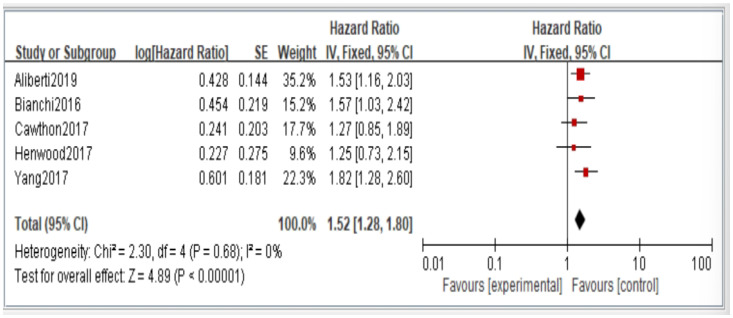 Figure 3
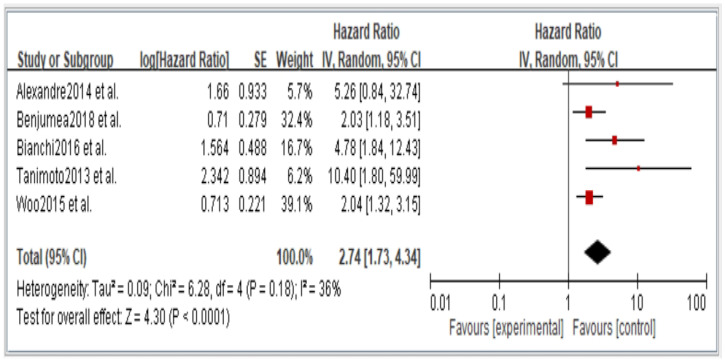 Figure 4
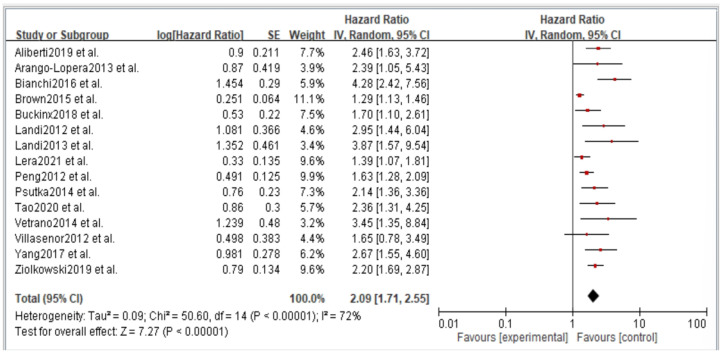 Figure 5
Peer Reviews
No public reviews on file for this paper yet. If you reviewed it on a platform where reviews are public (OpenReview, ICLR, NeurIPS, ICML), you can paste yours below so the community can read it here.
Videos
No videos yet. Explain this paper in a talk, walkthrough, or lecture? Add one.
Taxonomy
TopicsNutrition and Health in Aging · Body Composition Measurement Techniques · Frailty in Older Adults
Text Correction
1.There was an error in the original publication [1]. There was an author’s typographical error in statistical values. A correction has been made to the Abstract.
Abstract: The main purpose of this study was to investigate the relationship between sarcopenia and injury events (falls, fractures, hospitalization, disability, and death). This study systemically searched the literature from Embase, PubMed, MEDLINE, CINAHL, and Cochrane Library and analyzed the collected literature using the random effects model to demonstrate the relationship between sarcopenia and injury events. This study followed the guidelines of the Preferred Reporting Items for Systematic Reviews and Meta-Analyses (PRISMA) and collected a total of 35 prospective studies. The results showed that, when compared to robust individuals, the risk of injury events for older individuals with sarcopenia was significantly higher for fall (HR = 1.93, CI: 1.29–2.87), fractures (HR = 2.25, CI: 1.77–2.86), hospital admissions (HR = 1.52, CI: 1.28–1.80), disability (HR = 2.74, CI: 1.73–4.34), and death (HR = 2.09, CI: 1.71–2.55). In consideration of the negative impact of sarcopenia on the subsequent health of older adults, professional nursing personnel should assess older adults for sarcopenia as early as possible and propose relevant care policies to further reduce negative health impacts.
2.In the original publication [1], there was an Author’s typographical error in statistical values and figures. A correction has been made to “3.3. Association between Sarcopenia and Injury Events”.
3.3. Association between Sarcopenia and Injury Events
Figures 2–6 showed that, when compared to robust individuals, the risk of injury events for older individuals with sarcopenia was significantly higher in fall (HR = 1.93, CI: 1.29–2.87), fractures (HR = 2.25, CI: 1.77–2.86), hospital admissions (HR = 1.52, CI: 1.28–1.80), disability (HR = 2.74, CI: 1.73–4.34), and death (HR = 2.09, CI: 1.71–2.55). In consideration of the negative impact of sarcopenia on the subsequent health of older adults, professional nursing personnel should assess older adults for sarcopenia as early as possible and propose relevant care policies to further reduce negative health impacts. (Figures 2–6).
Error in Figure
In the original publication [1], there was a mistake in Figures 2–6 as published. The corrected Figure 2, Figure 3, Figure 4, Figure 5 and Figure 6 appear below.
The authors state that the scientific conclusions are unaffected. This correction was approved by the Academic Editor. The original publication has also been updated.
The reference list from the paper itself. Each links out to its DOI / PubMed record.