A Novel Prophylactic Device Against Head Deformity to Prevent Severe Positional Plagiocephaly
Yukari Tanaka, Hiroshi Miyabayashi, Takanori Noto, Risa Kato, Nobuhiko Nagano, Ichiro Morioka

TL;DR
A new device was developed to prevent head deformities in infants and was found to reduce the risk of severe positional plagiocephaly by 3 months of age.
Contribution
A novel prophylactic device was developed and shown to effectively prevent severe positional plagiocephaly in infants.
Findings
The prophylactic device group had significantly lower cranial asymmetry and CVAI compared to the control group.
The device significantly reduced the number of infants with severe positional plagiocephaly.
No significant differences were found in device effectiveness when used immediately after birth or at the 1-month checkup.
Abstract
Background/Objectives: Preventing head deformity in the early postnatal period could avert positional plagiocephaly (PP). Accordingly, we developed a novel prophylactic device to prevent head deformity and examined its impact on the incidence of PP and prevention of severe PP at 3 months of age. Methods: The newly developed prophylactic device was used immediately after birth or at the 1-month checkup, and cranial shape was measured before device application and at 3 months of age. The diagnostic threshold for PP was >5% for cranial vault asymmetry index (CVAI); cranial asymmetry (CA) of ≥13 mm was deemed severe. A database comprising cranial geometry of 3-month-old healthy Japanese infants (n = 110) served as the control. Results: This study included 42 infants who started using the novel prophylactic device immediately after birth or at the 1-month checkup. Measurements at 3 months of…
Genes, proteins, chemicals, diseases, species, mutations and cell lines named across the full text — each resolved to its canonical identifier and authoritative record.
Click any figure to enlarge with its caption.
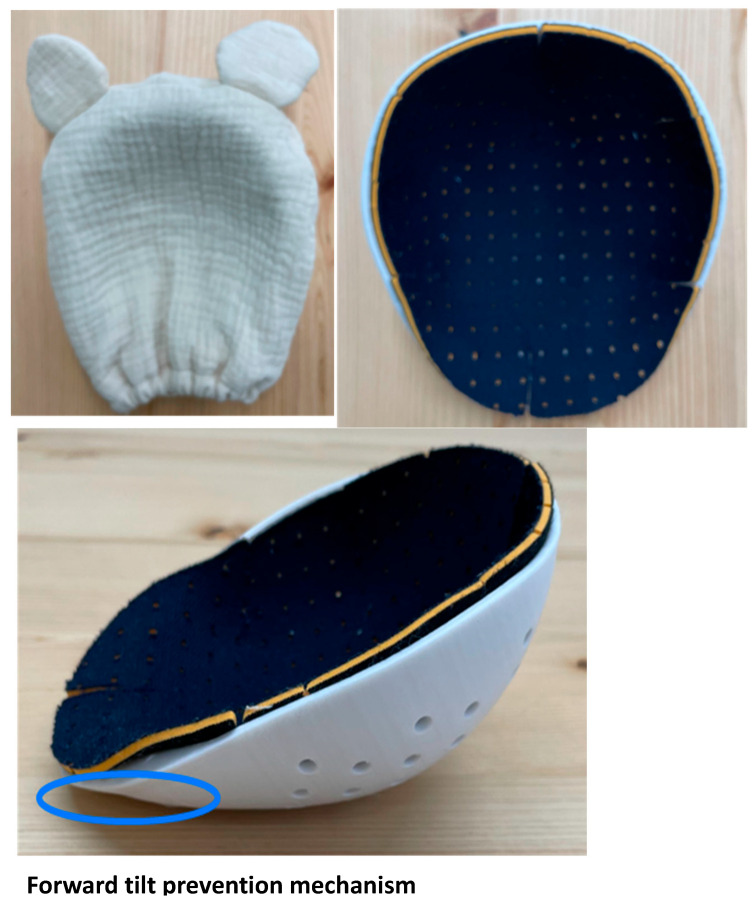 Figure 1
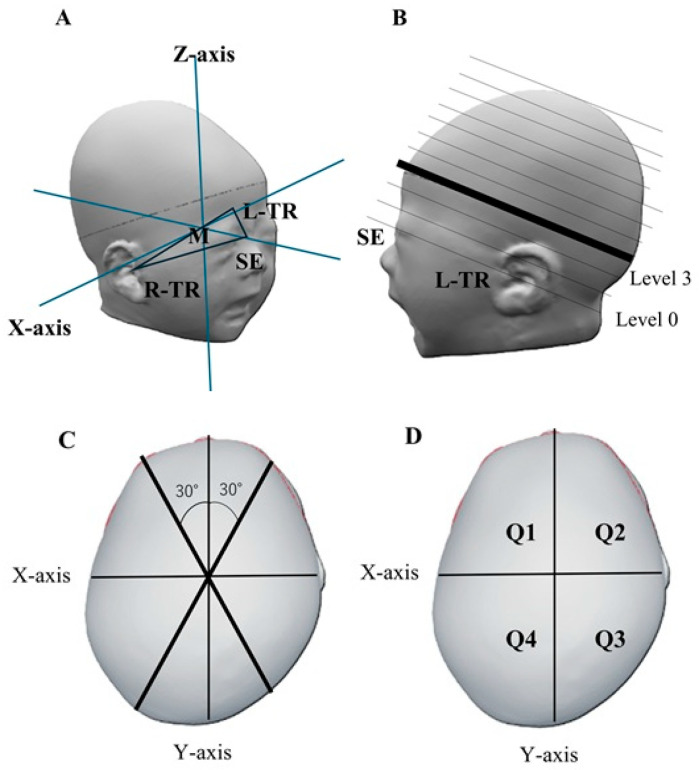 Figure 2
Peer Reviews
No public reviews on file for this paper yet. If you reviewed it on a platform where reviews are public (OpenReview, ICLR, NeurIPS, ICML), you can paste yours below so the community can read it here.
Videos
No videos yet. Explain this paper in a talk, walkthrough, or lecture? Add one.
Taxonomy
TopicsCraniofacial Disorders and Treatments · Cleft Lip and Palate Research · Ocular Disorders and Treatments