Utilizing Fly Ash from Coal-Fired Power Plants to Join ZrO2 and Crofer by Reactive Air Brazing
Shu-Wei Chang, Ren-Kae Shiue, Liang-Wei Huang

TL;DR
This study explores using fly ash to improve the air brazing of ZrO2 and Crofer, finding that 5% fly ash helps maintain airtightness while higher amounts cause leaks.
Contribution
The novel use of 5% fly ash in reactive air brazing improves joint airtightness without compromising structural integrity.
Findings
Adding 5% fly ash maintains airtightness for 280 hours at room temperature and 24 hours at 600°C.
10% fly ash leads to visible voids and cracks, reducing airtightness due to brittle oxide formation.
5% fly ash with Ag-rich paste is feasible for airtight applications in ZrO2-Crofer joints.
Abstract
This study attempts to use fly ash as the brazing filler additive to increase the sustainable use of coal-fired power plant by-product materials. The experimental results show that adding 5 wt% fly ash into the Ag paste filler contributes to the interfacial reactions in heterogeneous reactive air brazing (RAB) of the ZrO2 and Crofer alloy. The Ag-rich phase dominates the brazed zone. The interfacial reaction layers contain oxidation of the Cu-Ti coating layer, Crofer alloy, and the Si/Al-rich oxides from the fly ash particles. The 5% fly ash RAB joint maintained airtightness for 280 h under 2 psig helium at room temperature. When the test temperature was raised to 600 °C for 24 h, the pressure of the joint assembly still did not drop. When the fly ash addition was increased to 10 wt%, the joint assembly was no longer leak-free at room temperature. Many visible voids and cracks exist in…
Genes, proteins, chemicals, diseases, species, mutations and cell lines named across the full text — each resolved to its canonical identifier and authoritative record.
Click any figure to enlarge with its caption.
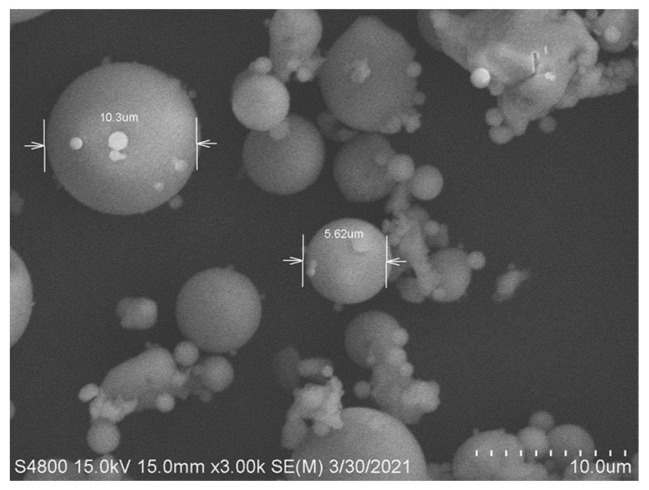 Figure 1
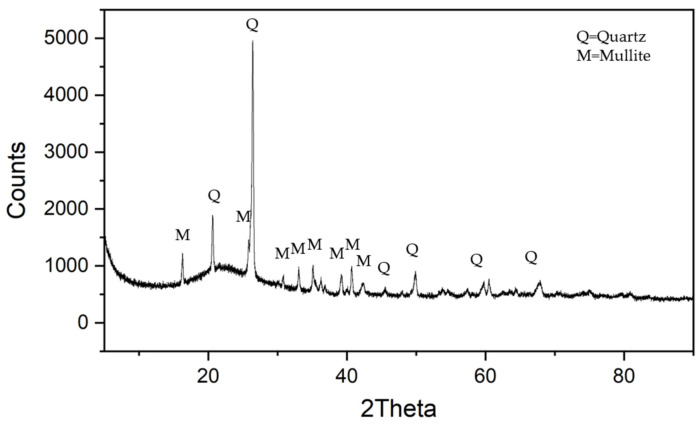 Figure 2
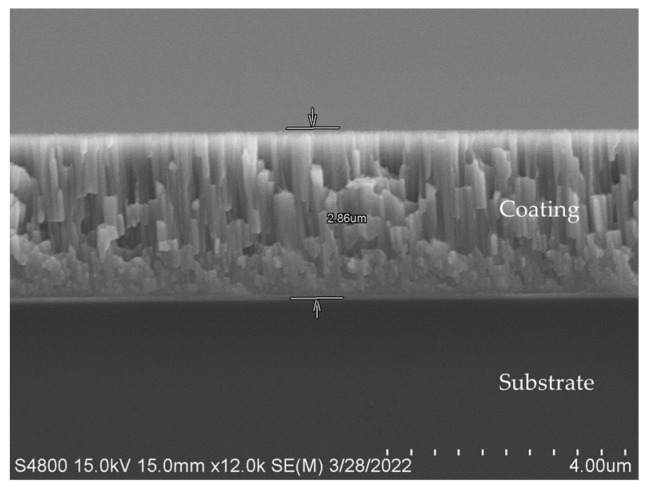 Figure 3
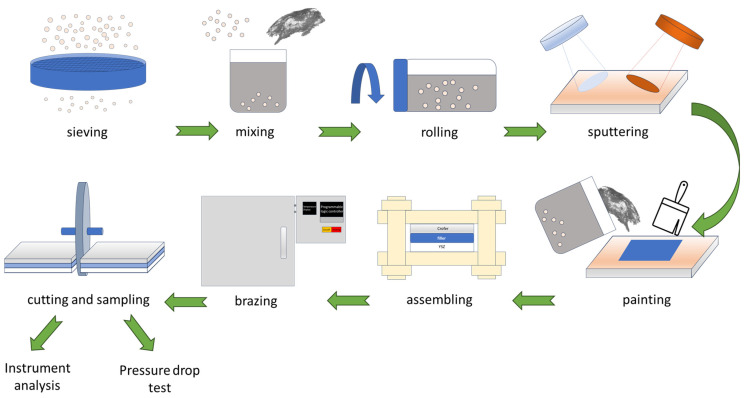 Figure 4
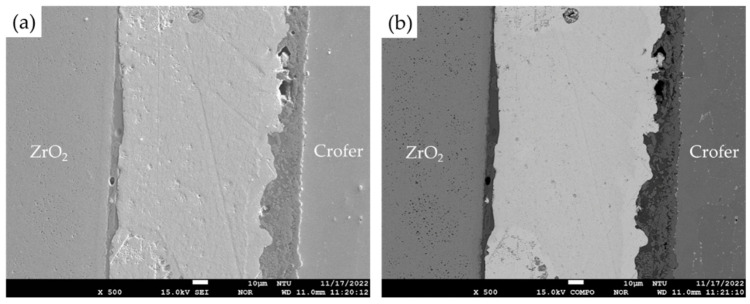 Figure 5
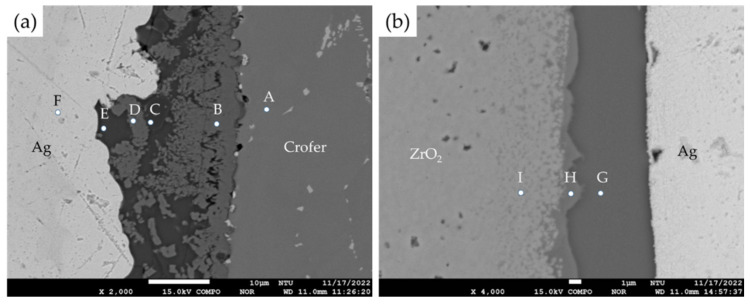 Figure 6
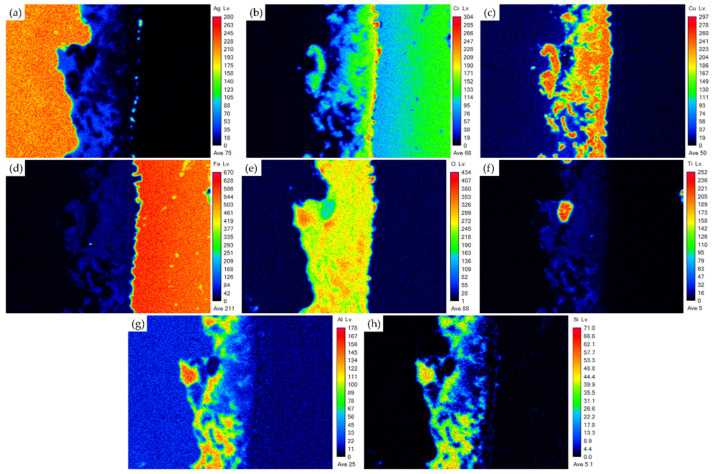 Figure 7
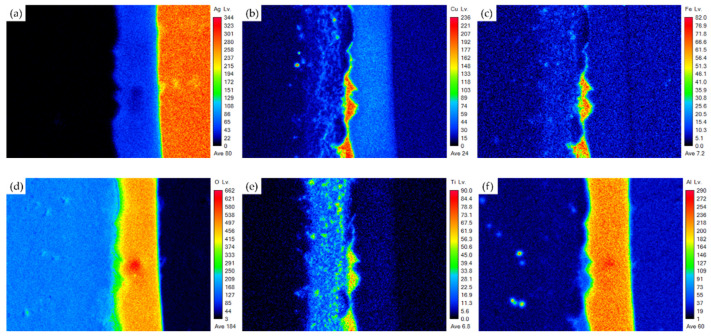 Figure 8
 Figure 9
 Figure 10
 Figure 11
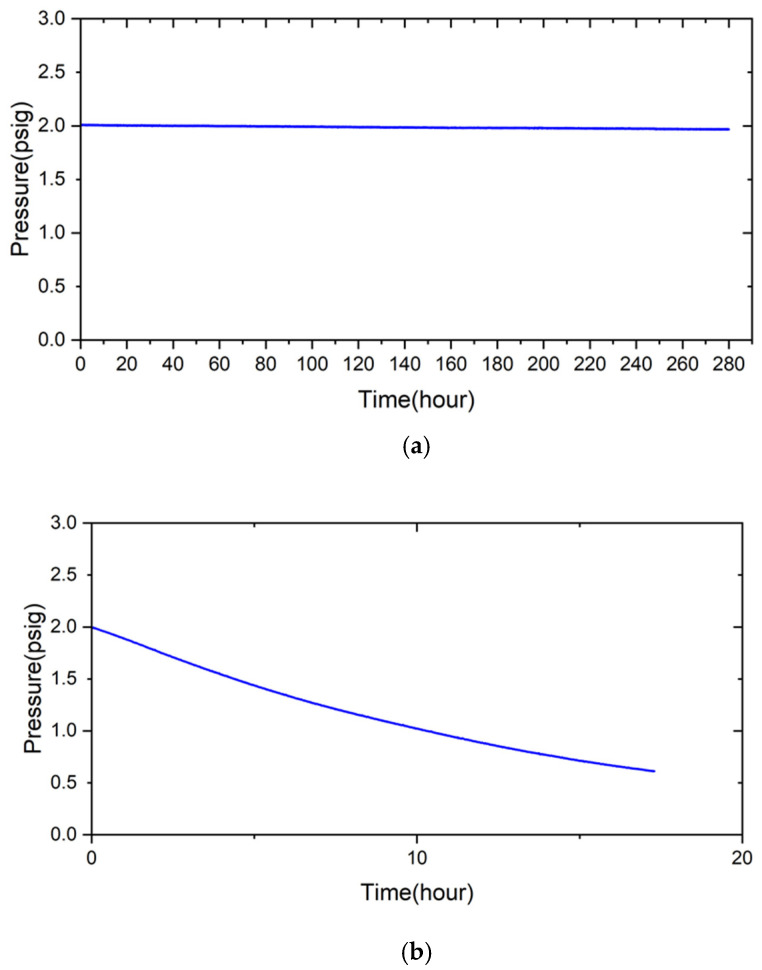 Figure 12
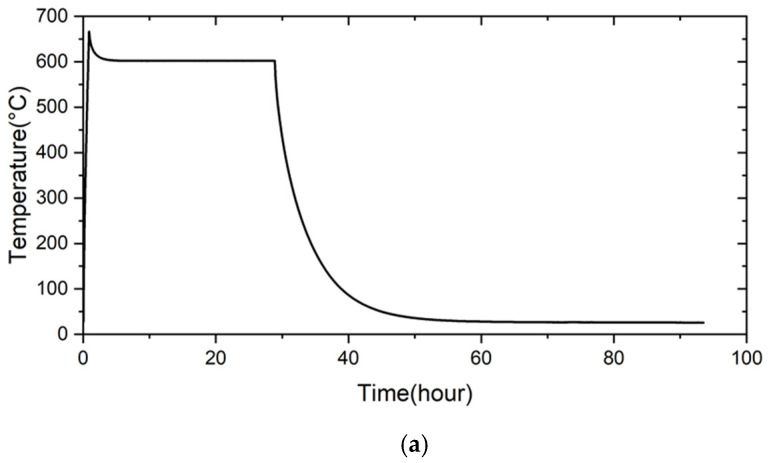 Figure 13
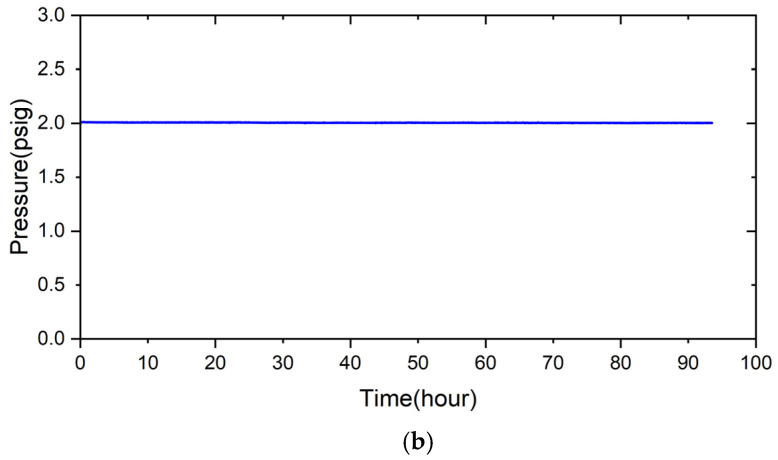 Figure 14
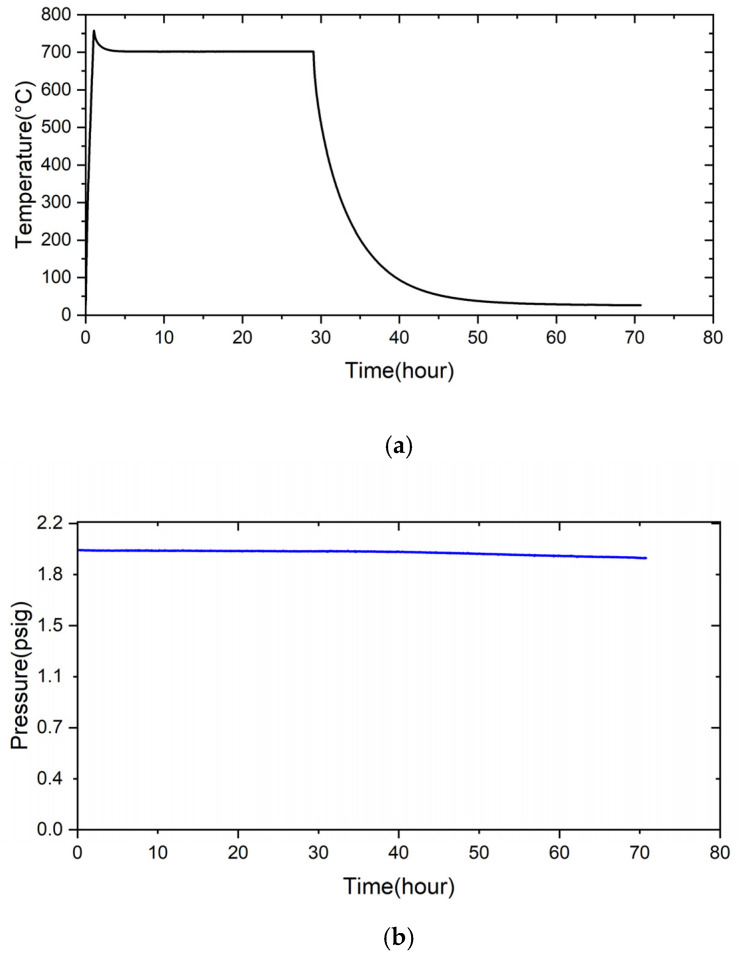 Figure 15
Peer Reviews
No public reviews on file for this paper yet. If you reviewed it on a platform where reviews are public (OpenReview, ICLR, NeurIPS, ICML), you can paste yours below so the community can read it here.
Videos
No videos yet. Explain this paper in a talk, walkthrough, or lecture? Add one.
Taxonomy
TopicsConcrete and Cement Materials Research · Advanced ceramic materials synthesis · Recycling and utilization of industrial and municipal waste in materials production