Body Representation in Stroke Patients: A Systematic Review of Human Figure Graphic Representation
Olga Diyakonova, Valeria Habib, Marco Germanotta, Ksenija Taddei, Roberta Bruschetta, Giovanni Pioggia, Gennaro Tartarisco, Irene Giovanna Aprile

TL;DR
This review explores how drawing human figures helps assess stroke patients' body representation, linking subjective experiences with objective metrics for better rehabilitation.
Contribution
The study systematically evaluates human figure graphic representation as a versatile tool for assessing post-stroke body representation and rehabilitation outcomes.
Findings
Human figure representation captures unilateral spatial neglect, emotional disturbances, and functional independence in stroke patients.
Qualitative and quantitative metrics from drawings correlate with cognitive deficits, mood disorders, and daily living activities.
Digital quantification innovations improve evaluation objectivity and predict rehabilitation outcomes aligned with motor recovery.
Abstract
Background: Body representation is a complex process involving sensory, motor, and cognitive information. Frequently, it is disrupted after a stroke, impairing rehabilitation, emotional functioning, and daily functioning. The human figure graphic representation has emerged as a holistic tool to assess post-stroke outcomes. Objectives: This systematic review examines the methodologies of human figure representation tests and their application in assessing post-stroke body representation, emphasizing its role in bridging subjective patient experiences with objective metrics. Methods: This review follows the Preferred Reporting Items for Systematic Reviews and Meta-Analyses (PRISMA) statement. A literature search was conducted through the databases PubMed, Scopus, Embase, Web of Science, and Google Scholar, collecting publications eligible for qualitative analysis. We selected studies…
Genes, proteins, chemicals, diseases, species, mutations and cell lines named across the full text — each resolved to its canonical identifier and authoritative record.
Click any figure to enlarge with its caption.
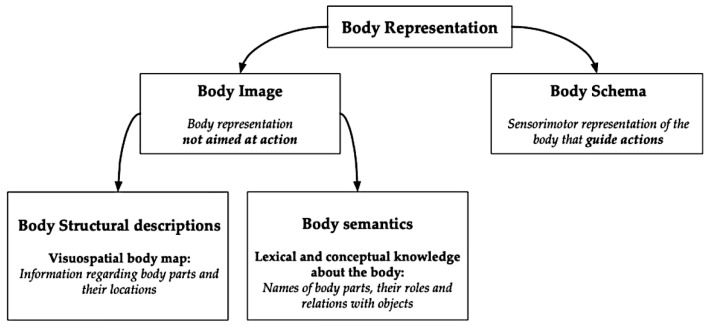 Figure 1
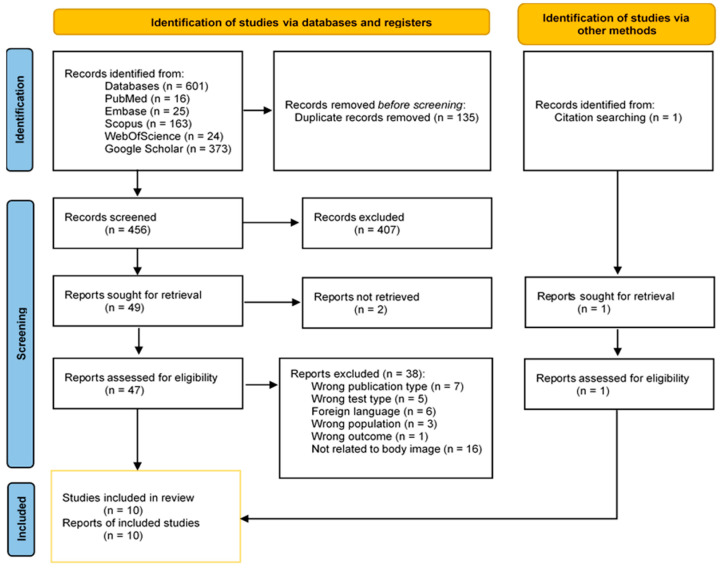 Figure 2
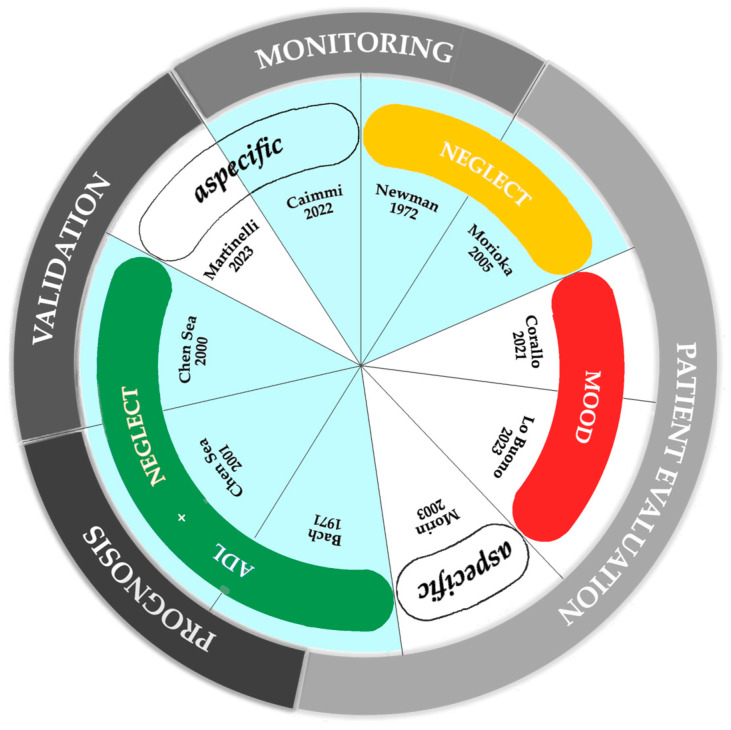 Figure 3
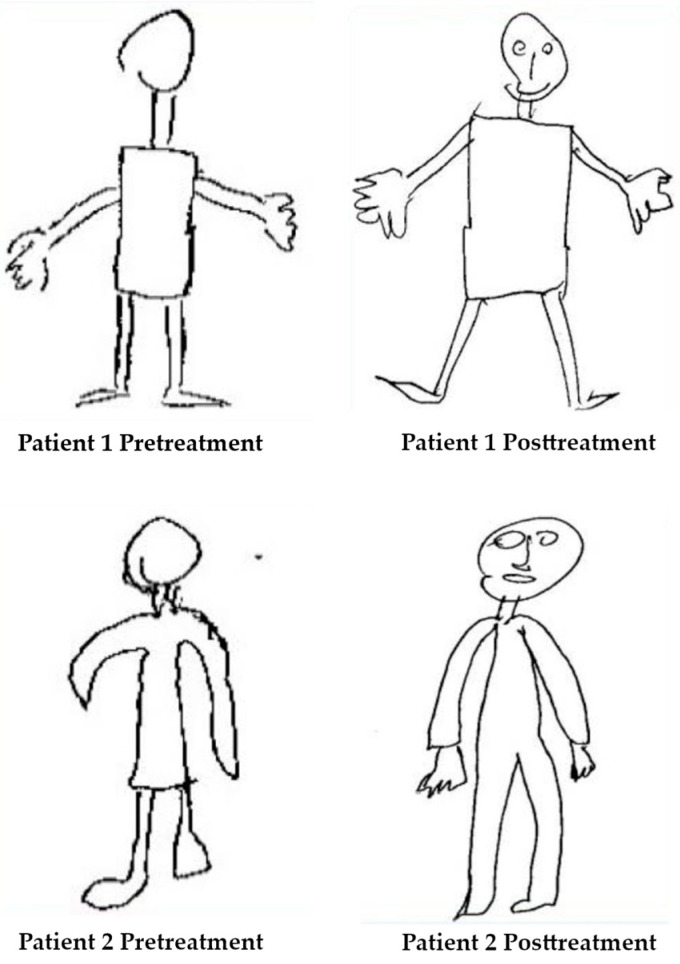 Figure 4
Peer Reviews
No public reviews on file for this paper yet. If you reviewed it on a platform where reviews are public (OpenReview, ICLR, NeurIPS, ICML), you can paste yours below so the community can read it here.
Videos
No videos yet. Explain this paper in a talk, walkthrough, or lecture? Add one.
Taxonomy
TopicsStroke Rehabilitation and Recovery · Action Observation and Synchronization · Virtual Reality Applications and Impacts