Rational Method for Structural Simplification as Key Step in Hit Discovery: The Case of FGFR2 and IGF1R Dual Inhibitors
Endika Torres-Urtizberea, José I. Borrell, Raimon Puig de la Bellacasa, Roger Estrada-Tejedor

TL;DR
This paper introduces a method to simplify complex molecules during drug discovery, making it easier to find effective compounds for targeting cancer-related proteins.
Contribution
A rational method is introduced to reduce molecular complexity while maintaining biological activity in hit discovery.
Findings
The method successfully identified potential dual inhibitors for FGFR2 and IGF1R.
Simplified structures were found to be more attainable and efficient for hit discovery.
The approach was applied to proteins overexpressed in pancreatic ductal adenocarcinoma.
Abstract
In the classic medicinal chemistry hit discovery procedure, large virtual libraries undergo different filtering and prediction steps until a small group of molecules is selected for their subsequent synthesis and biological testing. The starting molecular libraries can easily be composed of millions of molecules, hindering the selection of the most representative and promising compounds. Moreover, the resulting molecular systems tend to be overcomplex structures, hardly attainable, and often involve extrapolations of the prediction models used. We present a rational-based method to reduce the structural complexity of molecular candidates without compromising their biological activity, improving the attainability and efficiency of hit discovery. This approach has been successfully applied to identify potential tyrosine kinase dual inhibitors against Fibroblast Growth Factor Receptor 2…
Genes, proteins, chemicals, diseases, species, mutations and cell lines named across the full text — each resolved to its canonical identifier and authoritative record.
Click any figure to enlarge with its caption.
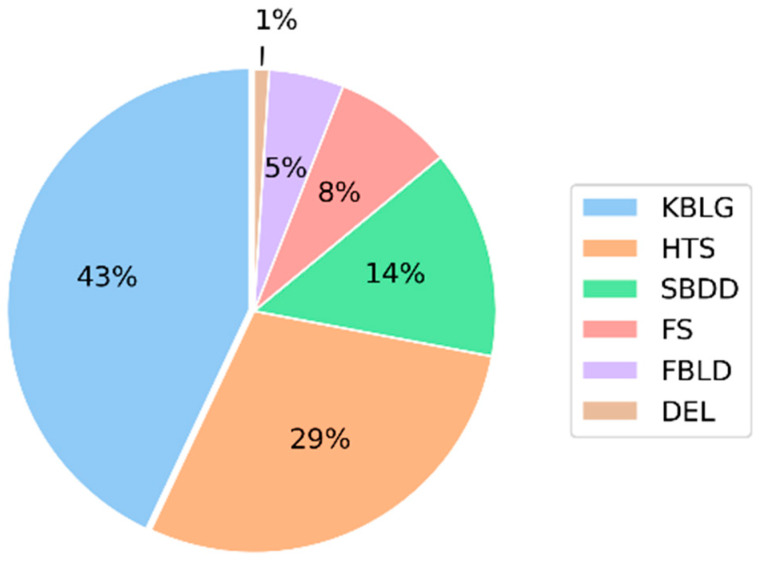 Figure 1
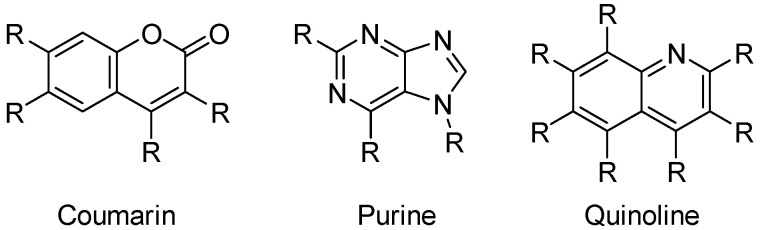 Figure 2
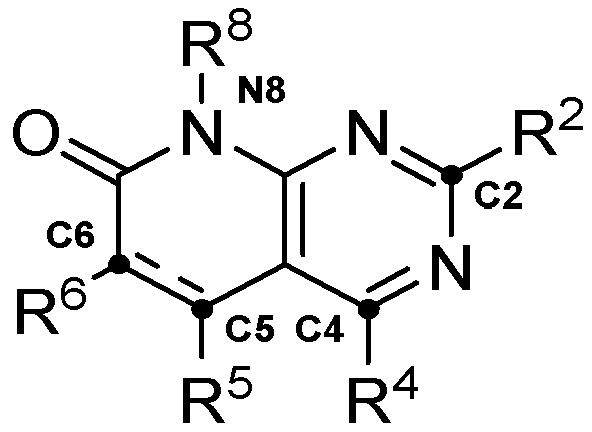 Figure 3
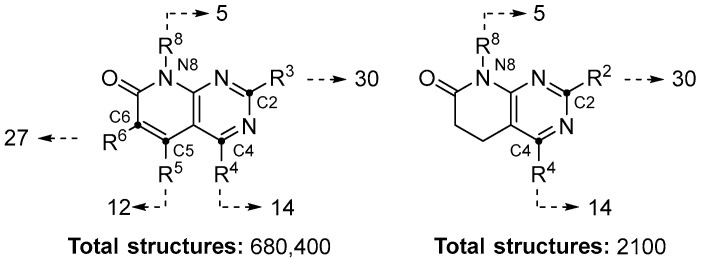 Figure 4
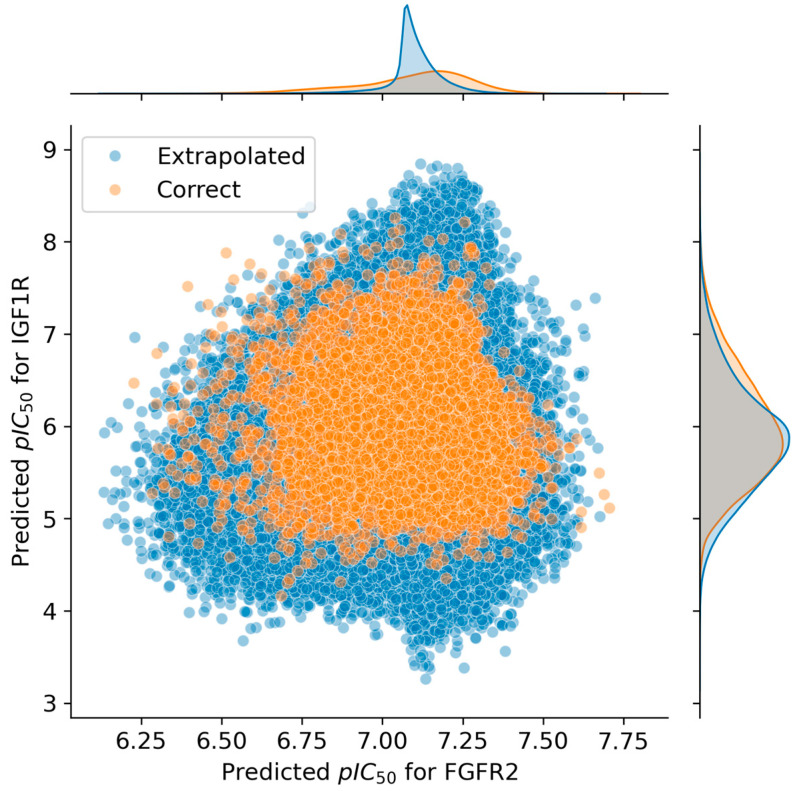 Figure 5
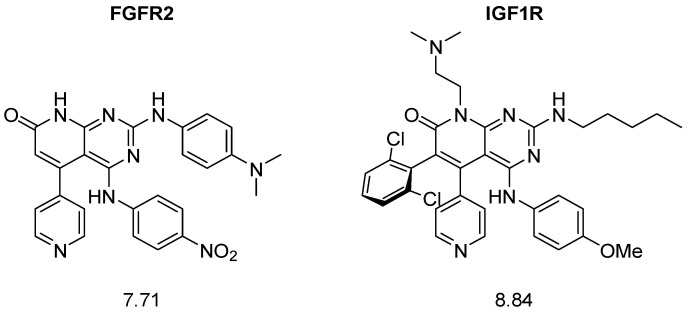 Figure 6
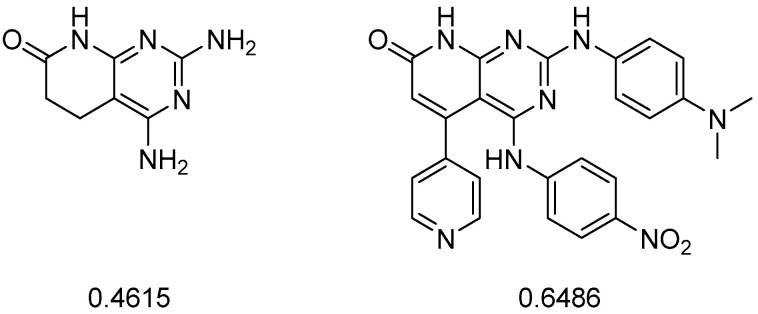 Figure 7
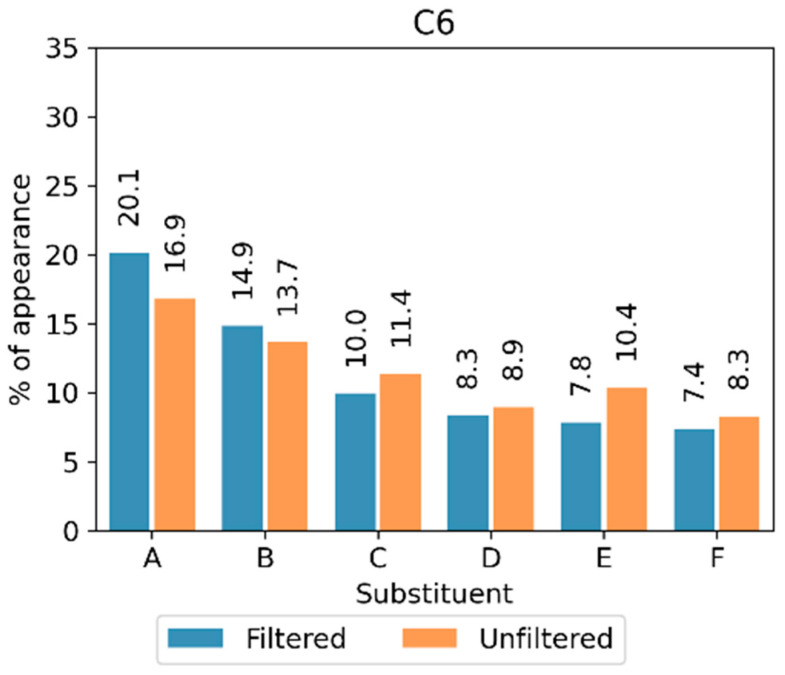 Figure 8
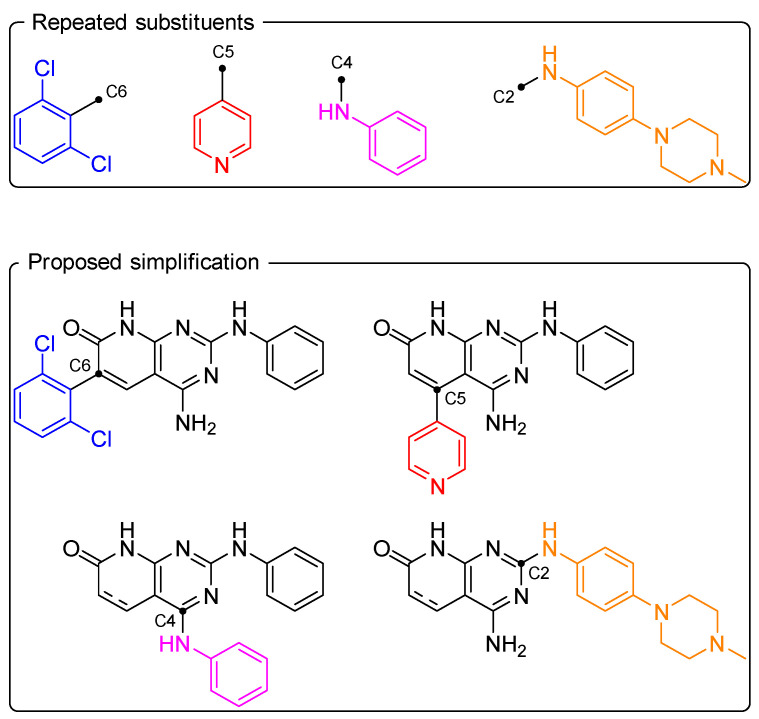 Figure 9
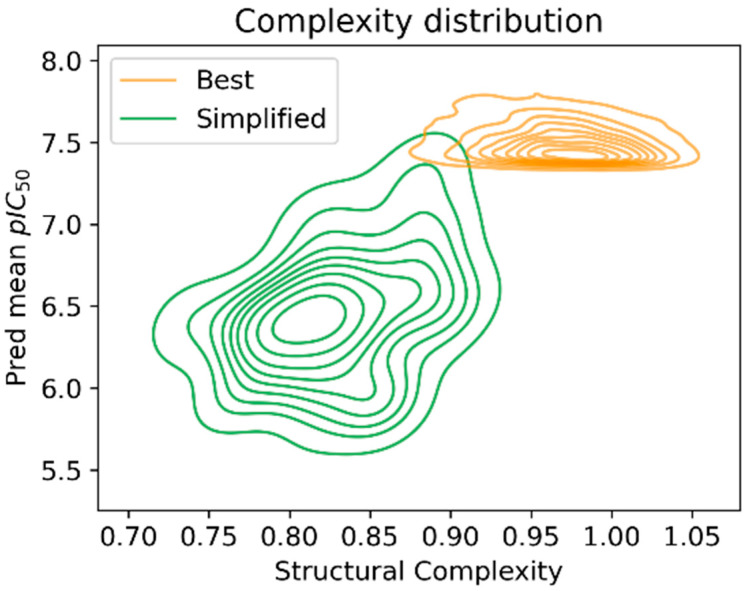 Figure 10
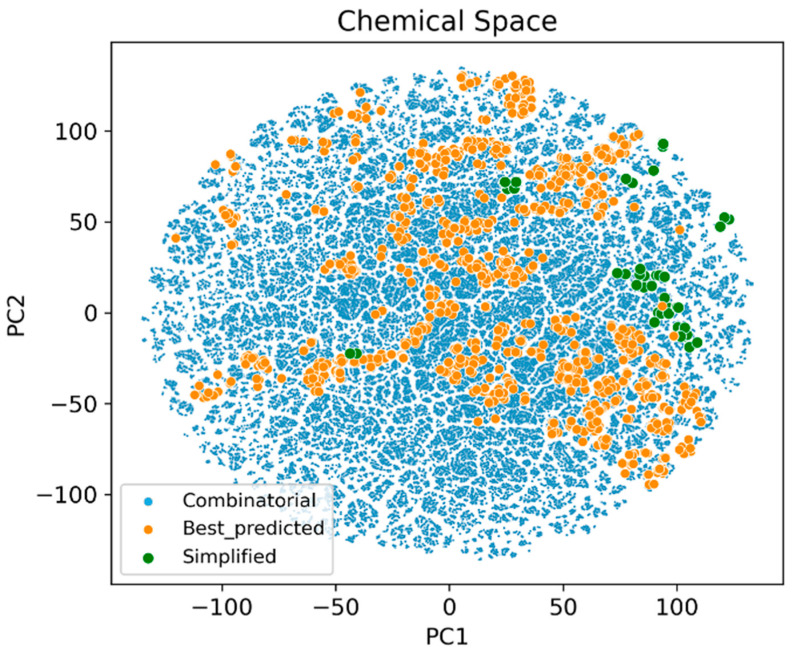 Figure 11
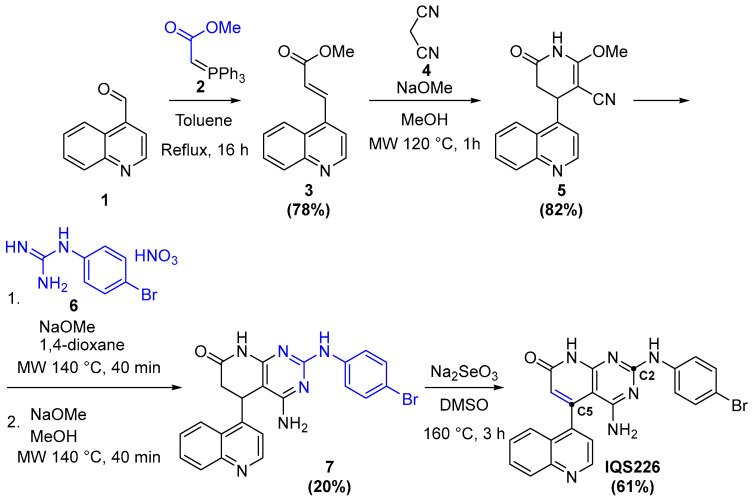 Figure 12
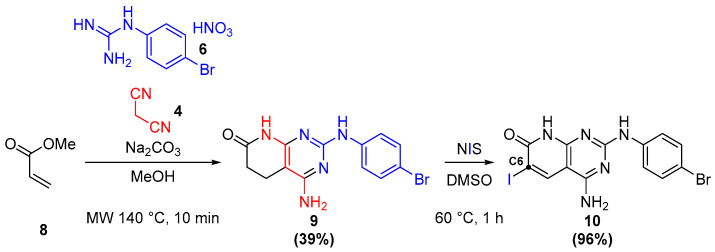 Figure 13
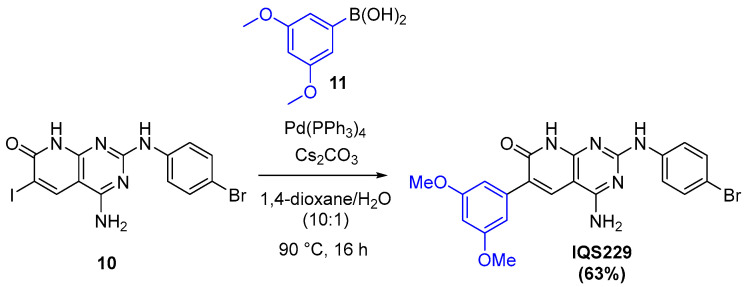 Figure 14
 Figure 15
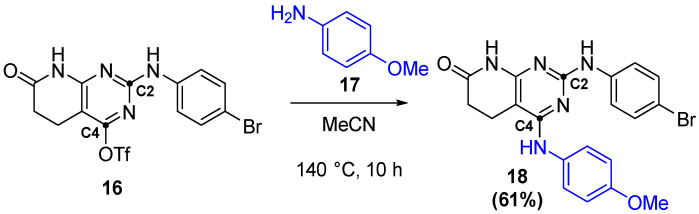 Figure 16
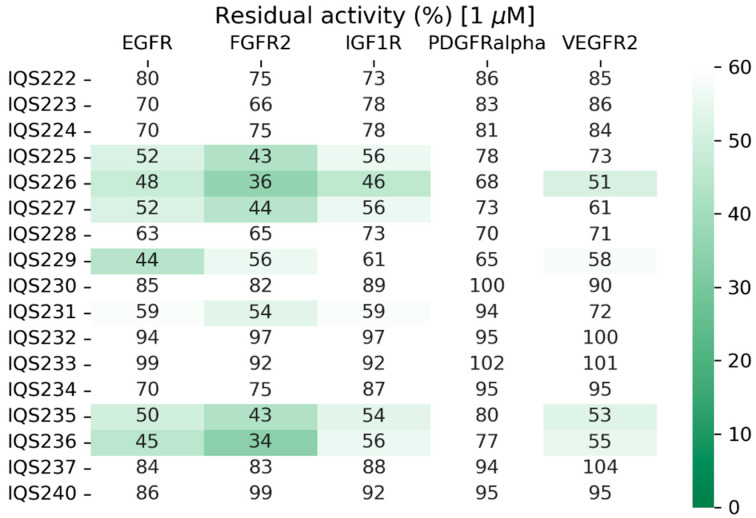 Figure 17
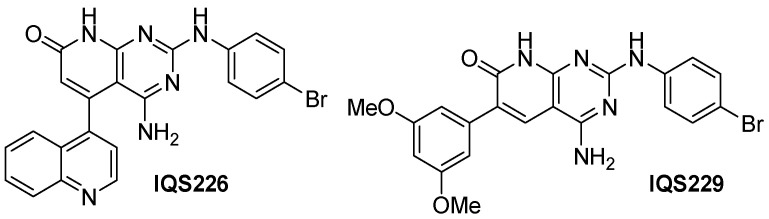 Figure 18
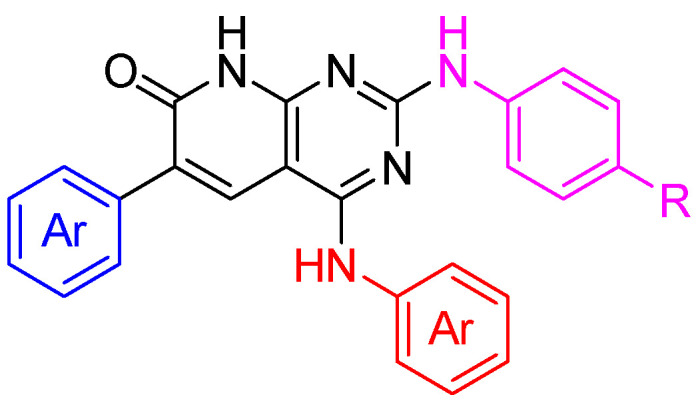 Figure 19
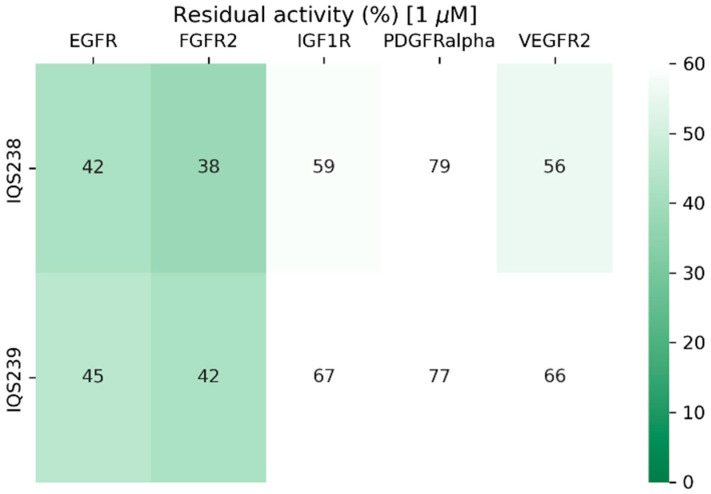 Figure 20
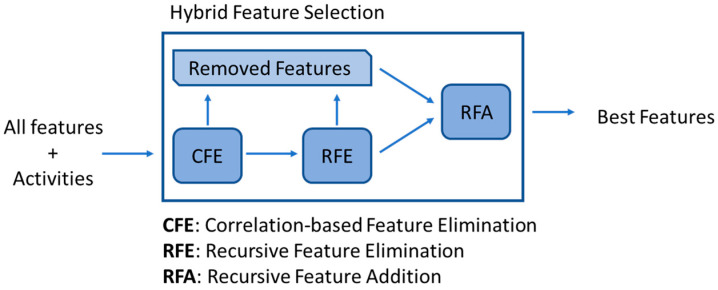 Figure 21
 Figure 22
Peer Reviews
No public reviews on file for this paper yet. If you reviewed it on a platform where reviews are public (OpenReview, ICLR, NeurIPS, ICML), you can paste yours below so the community can read it here.
Videos
No videos yet. Explain this paper in a talk, walkthrough, or lecture? Add one.
Taxonomy
TopicsCancer, Hypoxia, and Metabolism · Lung Cancer Treatments and Mutations · Cancer-related Molecular Pathways