The Prevalence of Reduced Bone Mineral Density and the Impact of Specific Auxological Factors and Hormones on Bone Mass in Children with Endocrine Disorders
Anna Łupińska, Sara Aszkiełowicz, Arkadiusz Zygmunt, Andrzej Lewiński, Renata Stawerska

TL;DR
This study found that children with endocrine disorders, especially those with short stature, are at higher risk for low bone density, and adjusting for height improves diagnosis accuracy.
Contribution
The study introduces the importance of height-adjusted DXA interpretation in endocrine disorders to avoid overdiagnosis and identifies hormonal and auxological factors influencing bone mass.
Findings
Low bone mass was found in 34.46% of children at TBLH and 15.54% at the Spine before height adjustment.
Height adjustment significantly reduced the prevalence of low bone mass, especially in children with short stature.
IGF-1, estradiol, and testosterone positively correlate with bone mass, while vitamin D and bone turnover markers negatively affect it.
Abstract
Background/Objectives: The skeletal system reaches peak bone mass through modeling and remodeling processes, influenced by environmental, dietary, hormonal, and genetic factors. In children with endocrinopathies, disturbances in bone mass and mineralization may correlate with hormonal levels, but conditions like short stature or obesity can confound DXA results. This study aimed to assess the prevalence of decreased bone mineral density (BMD) in children with endocrine disorders and evaluate the impact of auxological and hormonal abnormalities on BMD. Methods: This study analyzed medical records of 148 children (mean age 11.85 ± 3.34 years); 73 girls and 75 boys). Conditions included obesity (22.9%), short stature (47.9%), precocious puberty (10.1%), and other diagnoses. Clinical data included primary diagnosis, height, body weight, pubertal stage, and serum concentrations of calcium,…
Genes, proteins, chemicals, diseases, species, mutations and cell lines named across the full text — each resolved to its canonical identifier and authoritative record.
Click any figure to enlarge with its caption.
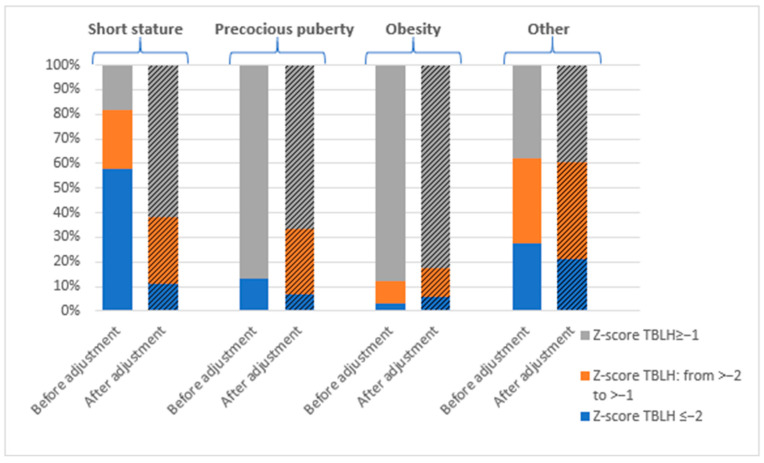 Figure 1
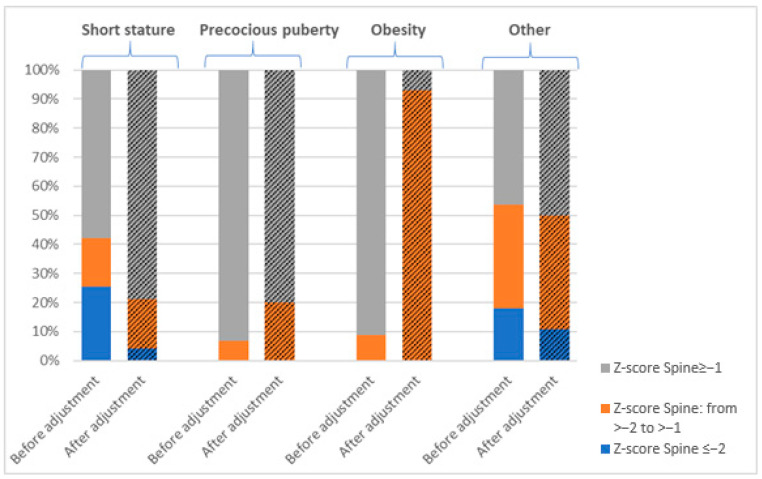 Figure 2
 Figure 3
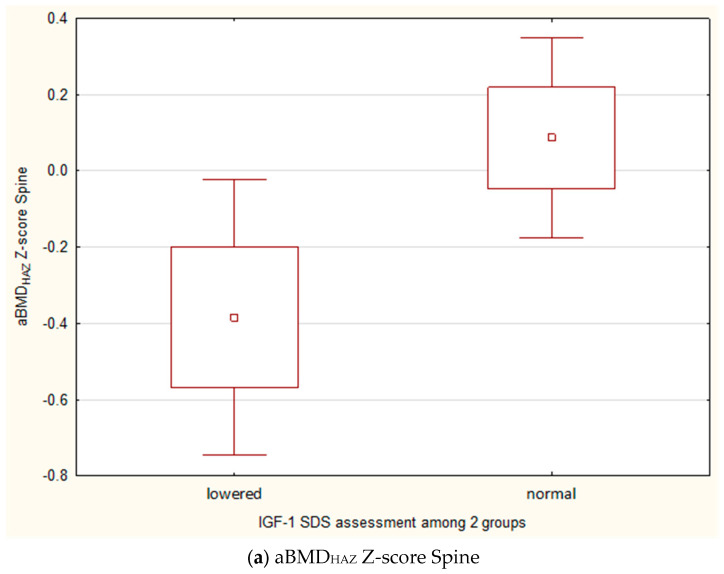 Figure 4
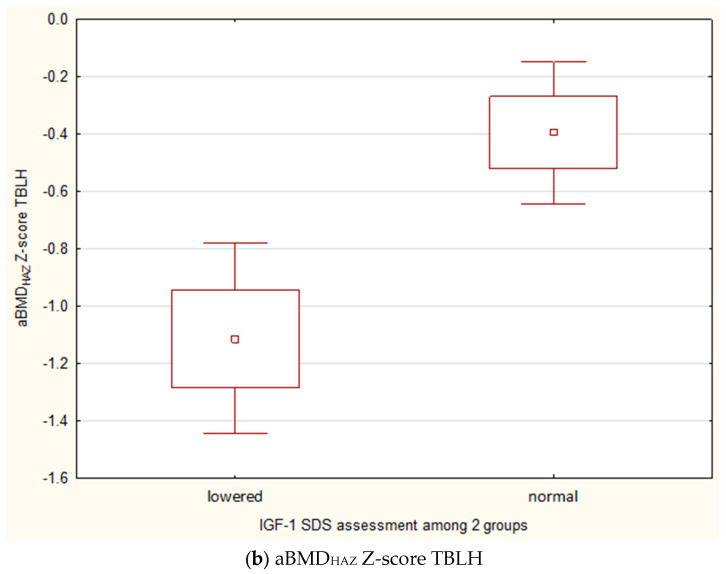 Figure 5
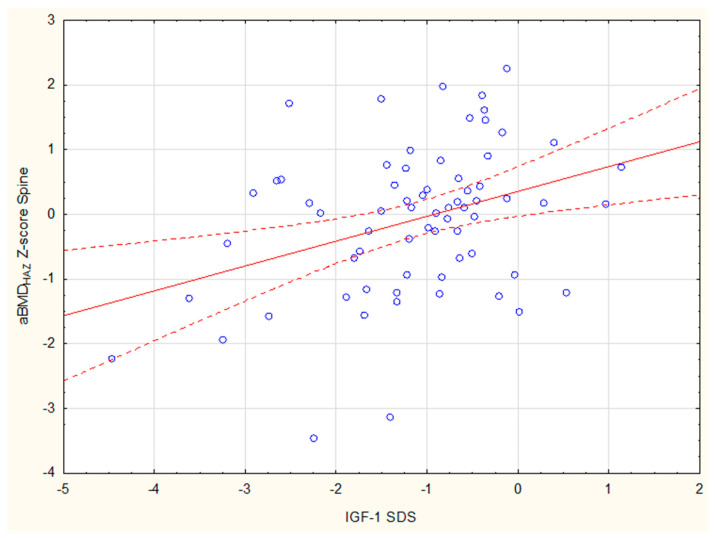 Figure 6
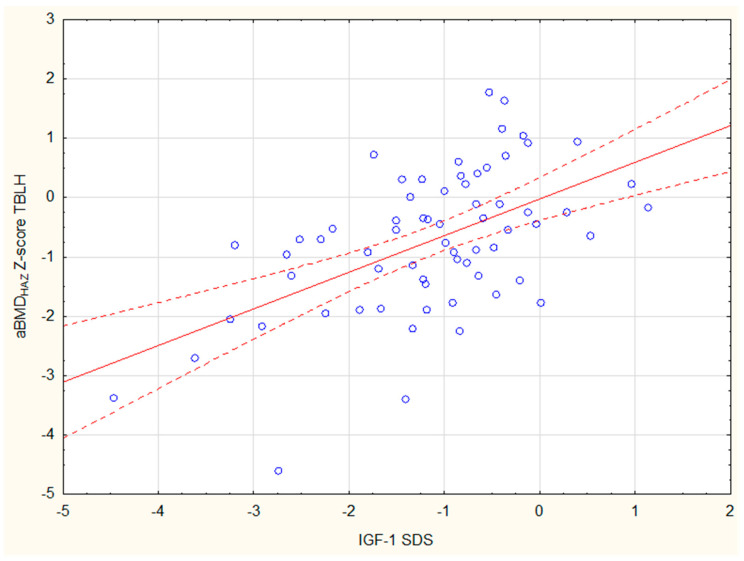 Figure 7
Peer Reviews
No public reviews on file for this paper yet. If you reviewed it on a platform where reviews are public (OpenReview, ICLR, NeurIPS, ICML), you can paste yours below so the community can read it here.
Videos
No videos yet. Explain this paper in a talk, walkthrough, or lecture? Add one.
Taxonomy
TopicsBone health and osteoporosis research · Vitamin D Research Studies · Folate and B Vitamins Research