Enhancing Electrochemical Properties of Vitreous Materials Based on CaO–Fe2O3–Fe–Pb and Recycled from Anodic Plate of a Spent Car Battery
Delia Niculina Piscoiu, Simona Rada, Horatiu Vermesan

TL;DR
This paper explores recycling materials from old car batteries to create new materials with improved electrochemical properties.
Contribution
A novel recycling method using melt quenching to enhance electrochemical performance of vitreous materials from spent batteries.
Findings
Samples with 8 and 10% Fe showed the best electrochemical performance.
The sample with 8% Fe had lower resistance and higher electrical conductivity.
Iron doping reduced sulfate units and introduced Fe3+ ions with varied coordination geometries.
Abstract
This paper presents a novel approach for the recycling of spent anodic plates from lead-acid batteries through the melt quenching method using iron and calcium oxides and iron powder. The resulting recycled samples, with a 3CaO·5Fe2O3·xFe·(92 − x)Pb composition, where x = 0, 1, 3, 5, 8, 10, 15, and 25% mol Fe, were characterized and analyzed in terms of their electrochemical performance. X-ray diffractograms show vitroceramic structures with varied crystalline phases. Analysis of the IR (infrared spectra) data shows a decrease of sulphate units due to doping with iron content. The ultraviolet–visible (UV-Vis) and electron spin resonance (ESR) data reveal the presence of Fe3+ ions with varied coordination geometries. Cyclic and linear sweep voltammograms demonstrate that the samples with 8 and 10% Fe exhibit superior electrochemical performance compared to other vitroceramics. The…
Genes, proteins, chemicals, diseases, species, mutations and cell lines named across the full text — each resolved to its canonical identifier and authoritative record.
Click any figure to enlarge with its caption.
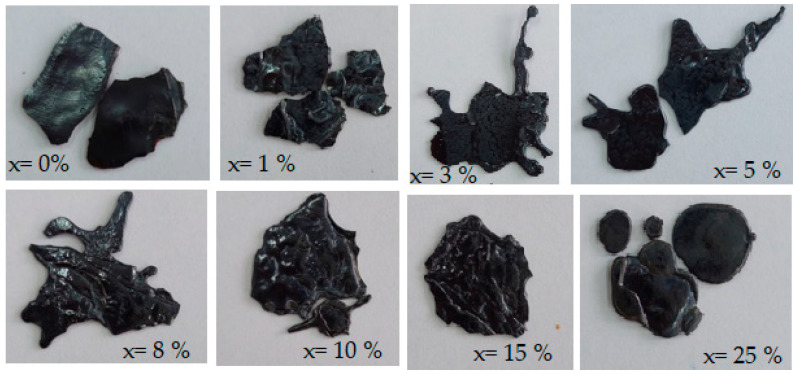 Figure 1
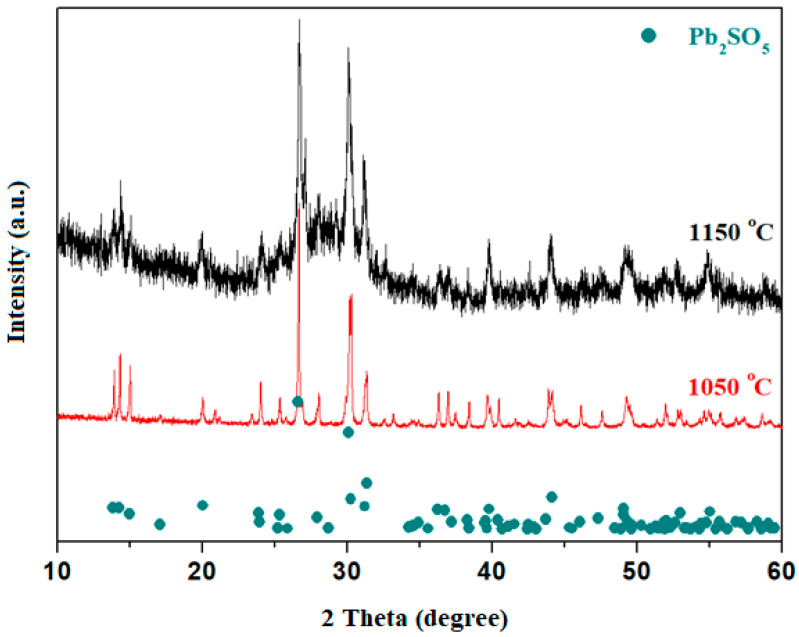 Figure 2
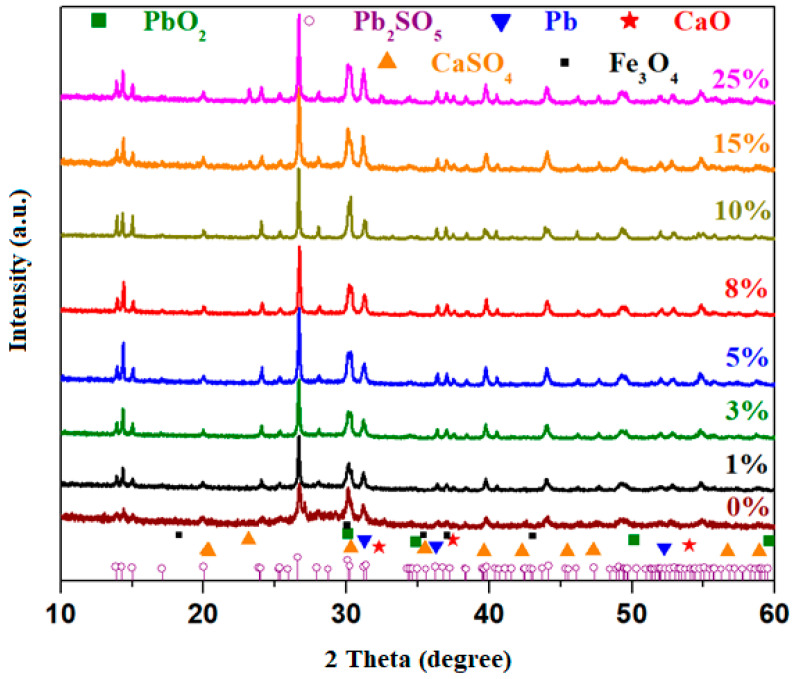 Figure 3
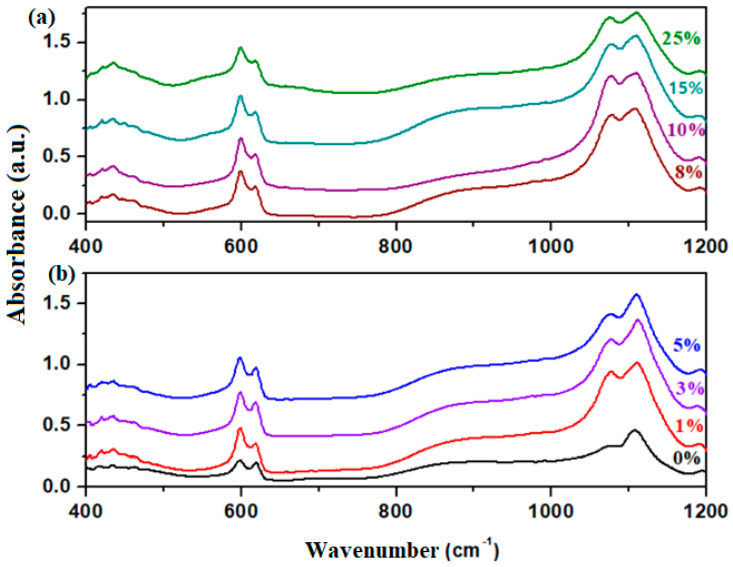 Figure 4
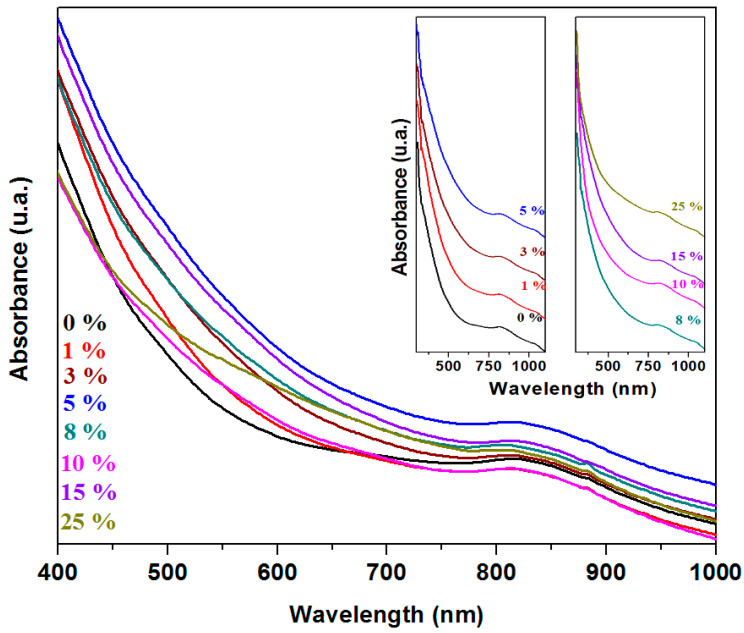 Figure 5
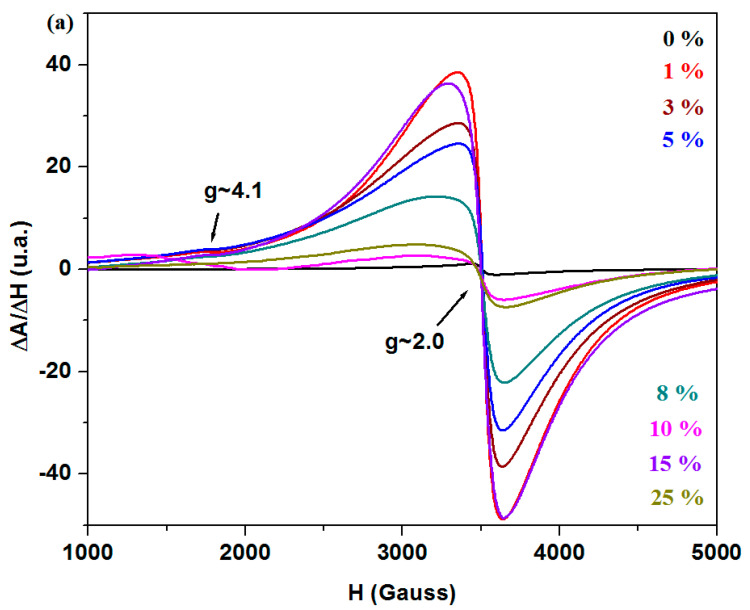 Figure 6
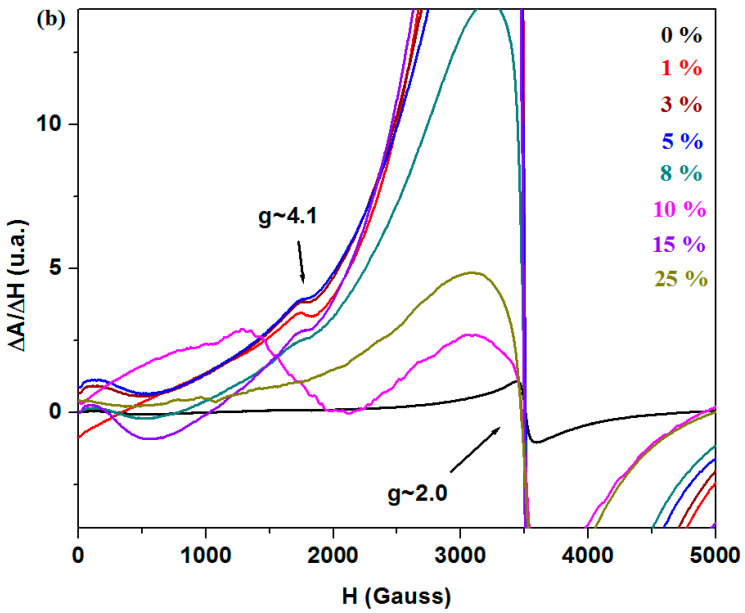 Figure 7
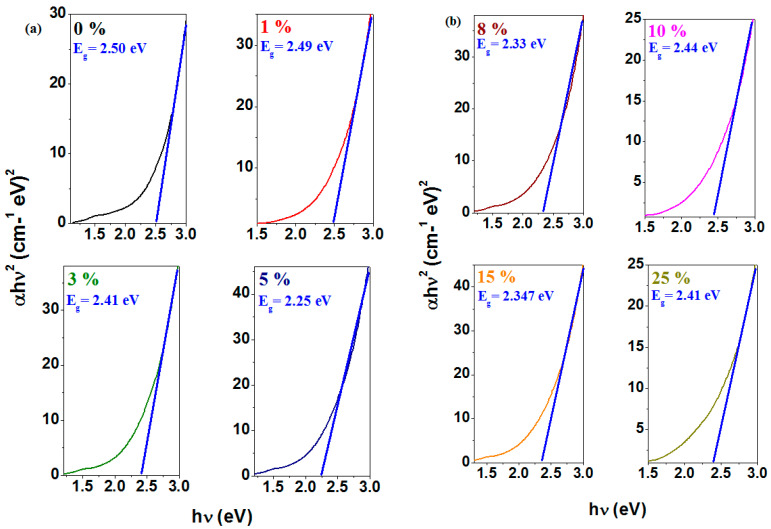 Figure 8
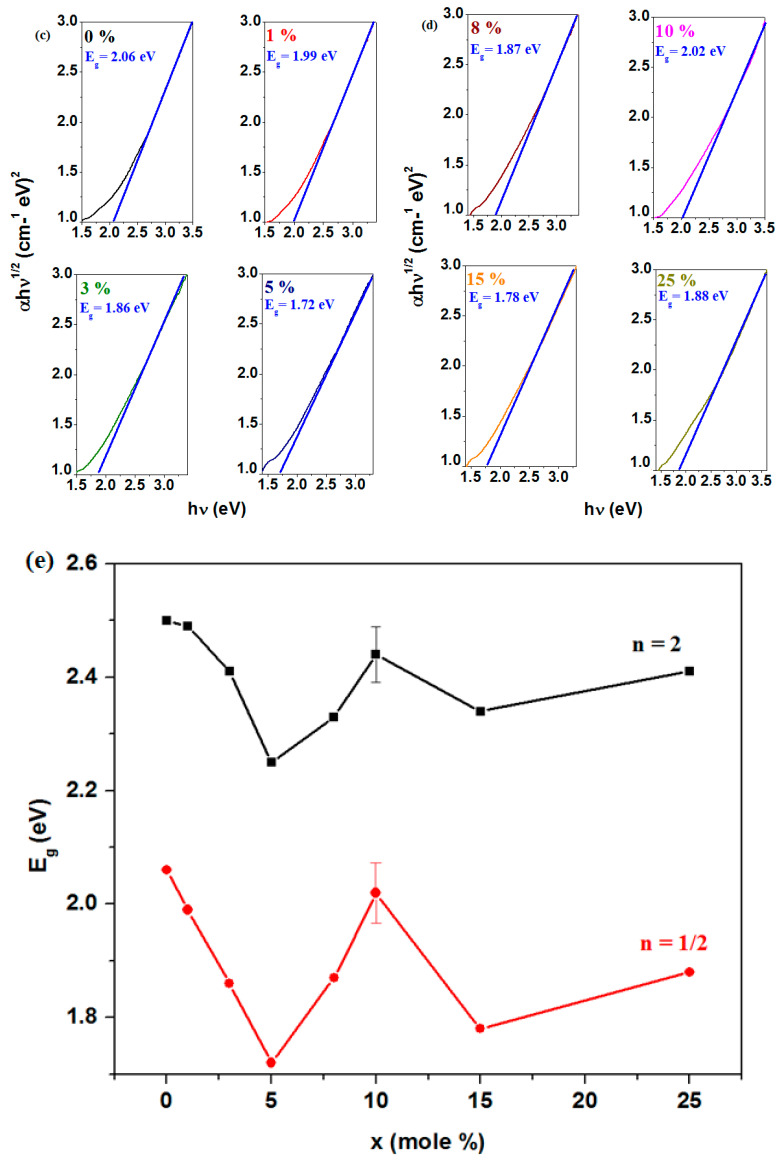 Figure 9
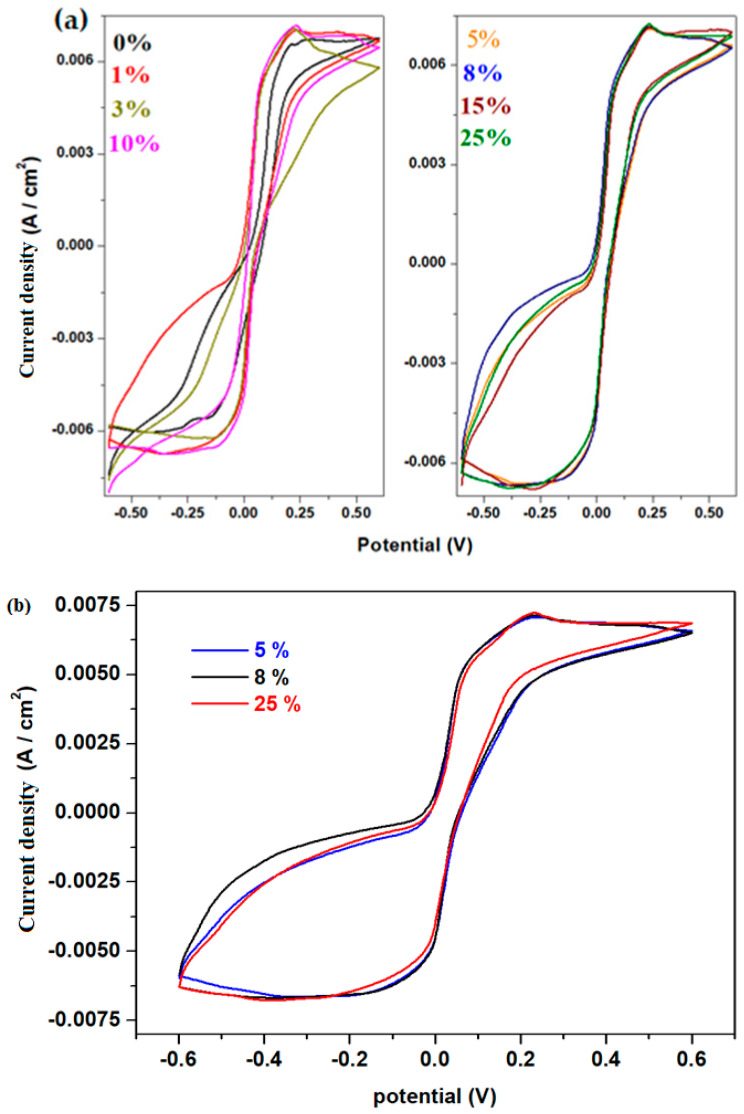 Figure 10
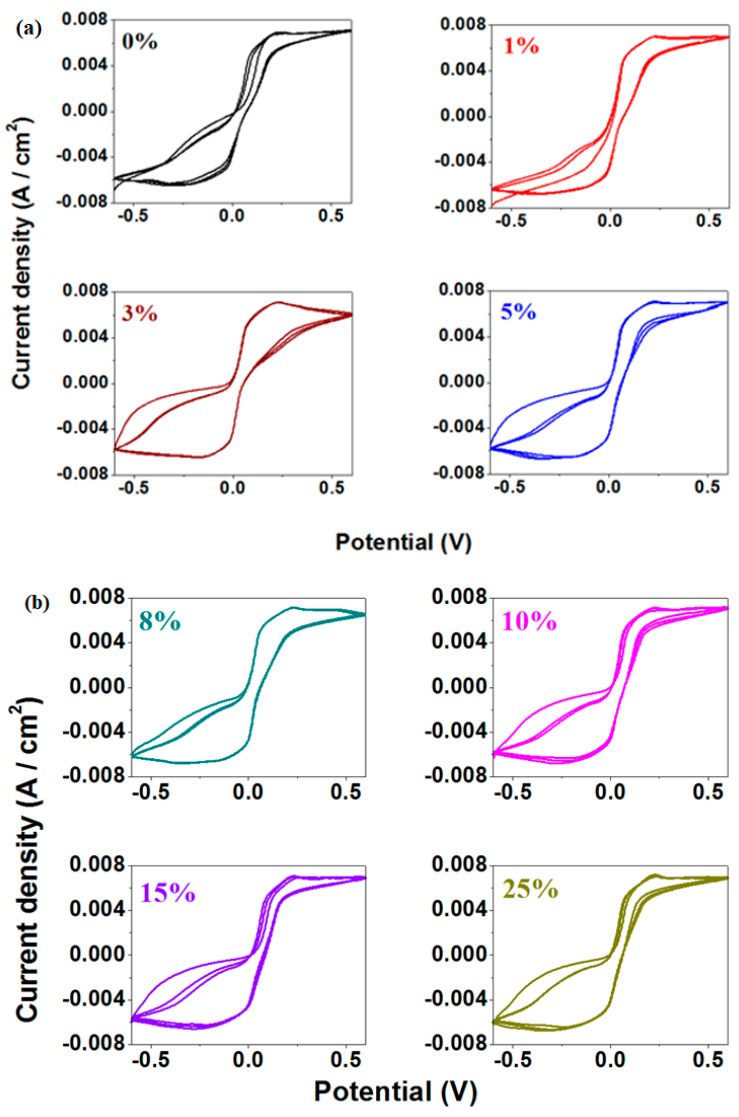 Figure 11
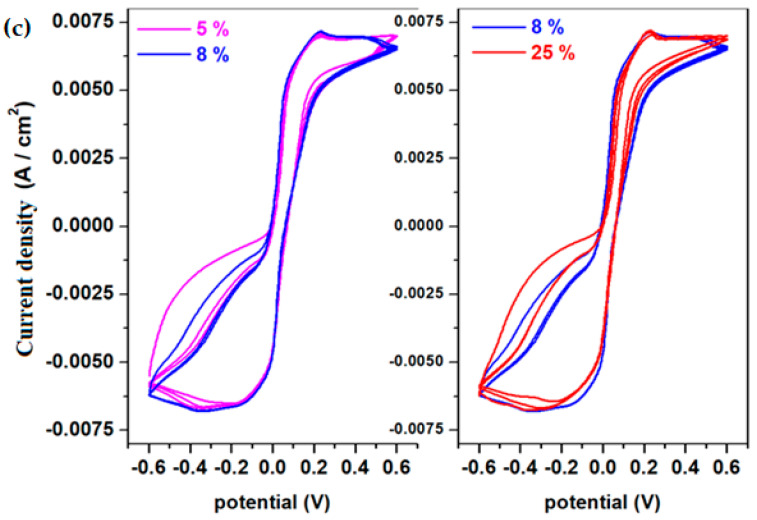 Figure 12
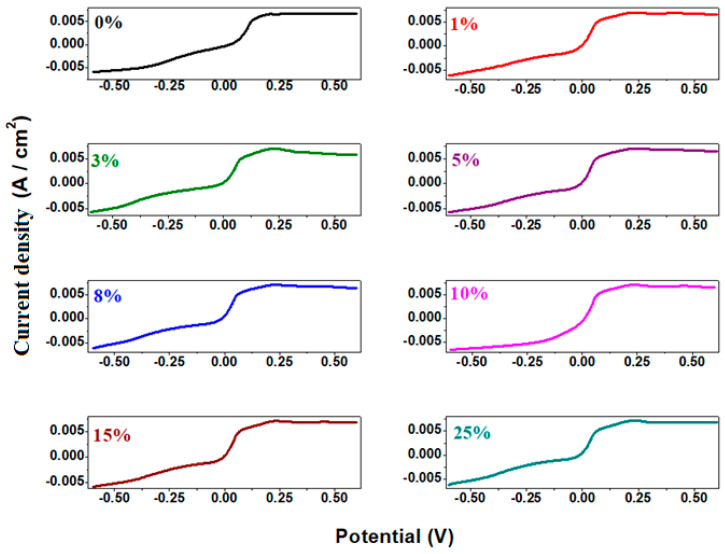 Figure 13
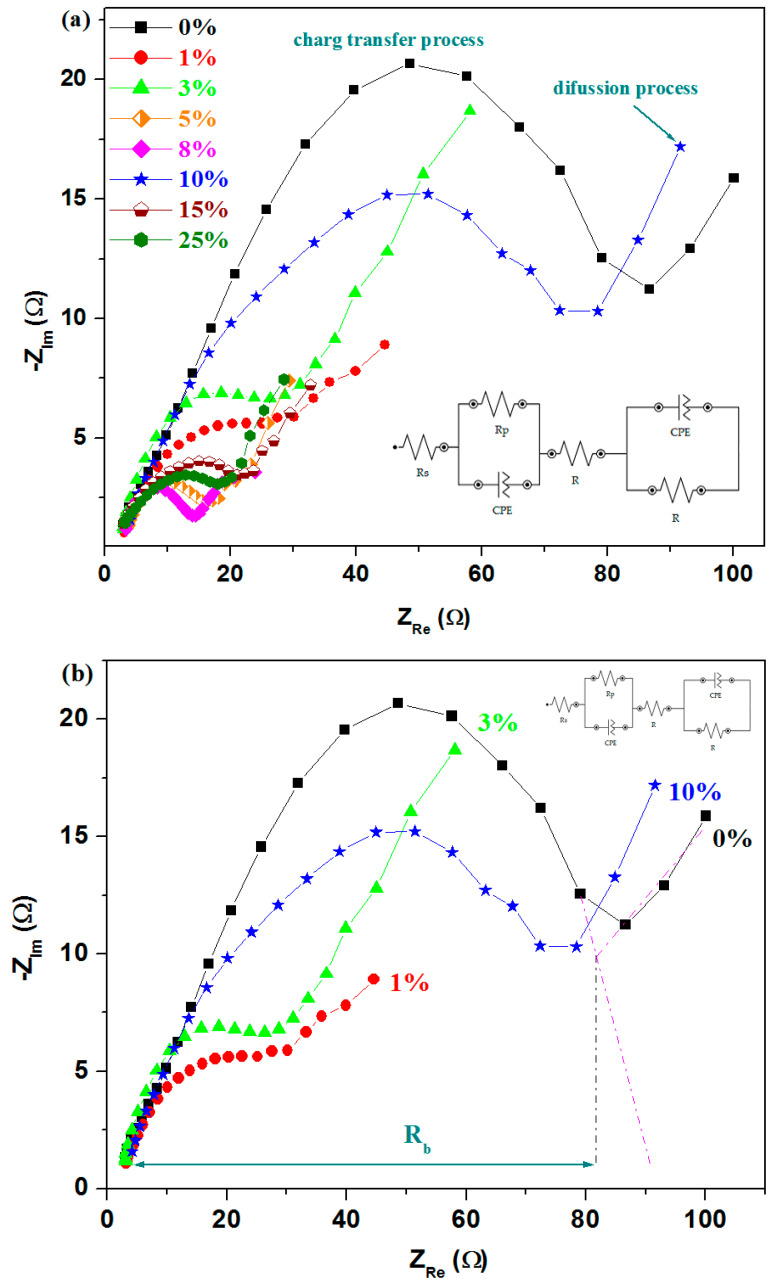 Figure 14
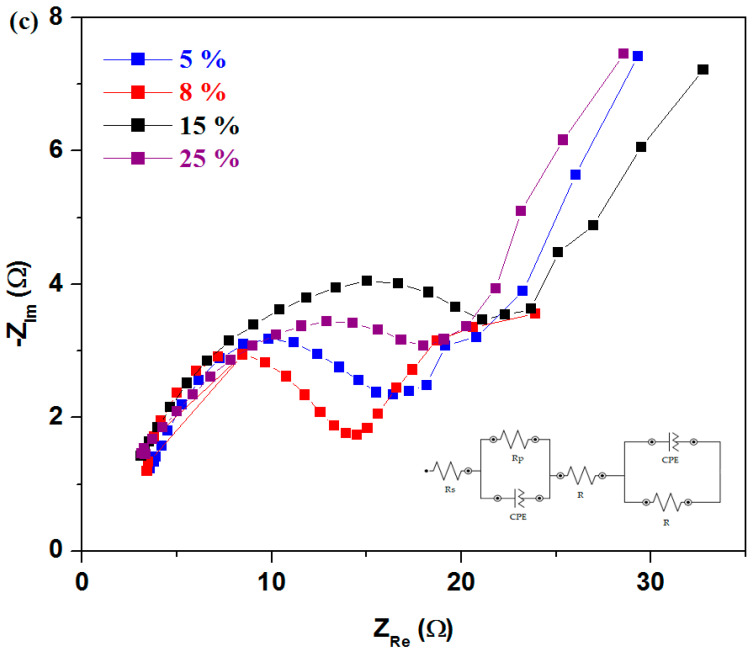 Figure 15
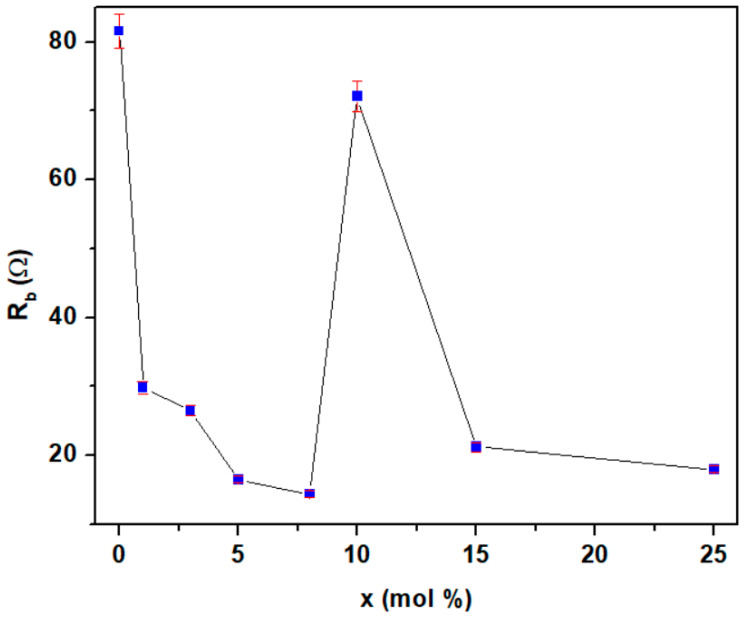 Figure 16
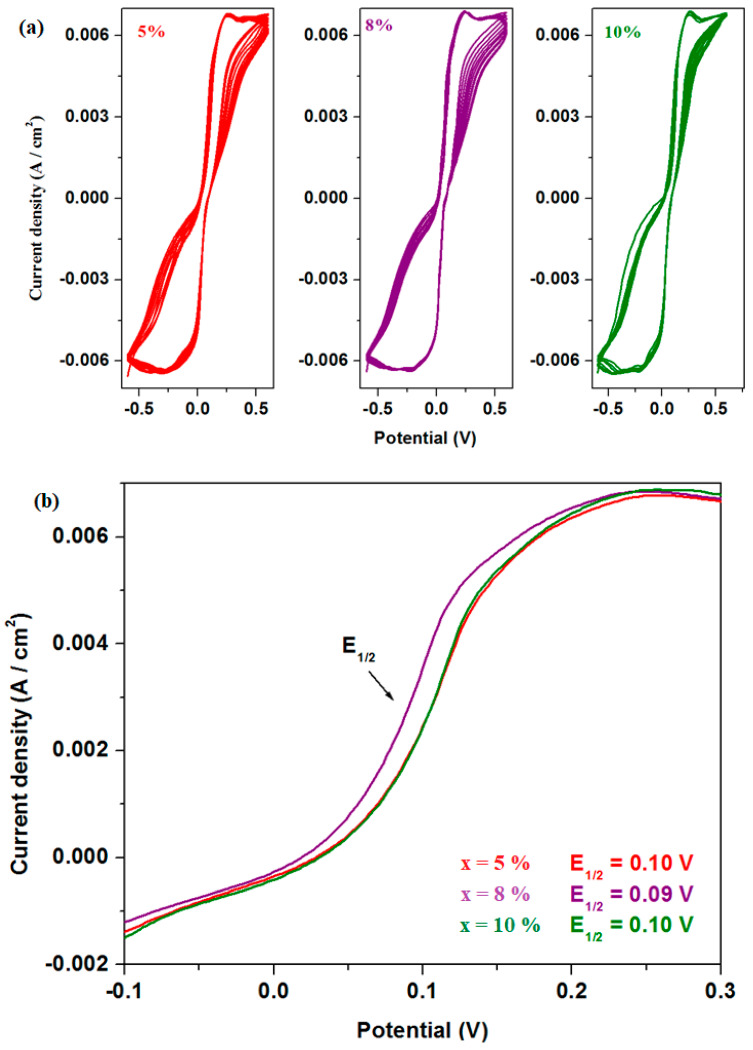 Figure 17
Peer Reviews
No public reviews on file for this paper yet. If you reviewed it on a platform where reviews are public (OpenReview, ICLR, NeurIPS, ICML), you can paste yours below so the community can read it here.
Videos
No videos yet. Explain this paper in a talk, walkthrough, or lecture? Add one.
Taxonomy
TopicsTransition Metal Oxide Nanomaterials · Pigment Synthesis and Properties · Copper-based nanomaterials and applications