A Method for Calculating Residual Strength of Crack Arrest Hole on Tungsten-Copper Functionally Graded Materials by Phase-Field Gradient Element Combined with Multi-Fidelity Neural Network
Bowen Liu, Yisheng Yang, Guishan Wang, Yin Li

TL;DR
This paper introduces a new computational method to assess the residual strength of tungsten-copper graded materials after crack arrest hole drilling.
Contribution
The novelty lies in combining phase-field gradient elements with a multi-fidelity neural network to improve crack modeling accuracy.
Findings
Gradient finite elements provide smoother transitions in stress and damage fields compared to conventional elements.
The Miehe decomposition scheme better captures complex crack paths than the Amor model.
The method improves residual strength prediction accuracy by 39.07% to 44.05%.
Abstract
This study develops a computational framework for evaluating the residual strength of tungsten-copper functionally graded materials following crack-arrest hole drilling. The proposed methodology features two pivotal innovations: First, a phase-field isoparametric gradient elements is established through representing the gradient effect within the finite element stiffness matrices, incorporating both Amor and Miehe elastic energy decomposition schemes to address tension-compression asymmetry in crack evolution. Second, a multi-fidelity neural network strategy is integrated with the gradient phase-field element to mitigate characteristic length dependency in residual strength predictions. Comparative analyses demonstrate that the gradient finite element achieves smoother field transitions at element interfaces compared to conventional homogeneous elements, as quantified in both stress and…
Genes, proteins, chemicals, diseases, species, mutations and cell lines named across the full text — each resolved to its canonical identifier and authoritative record.
Click any figure to enlarge with its caption.
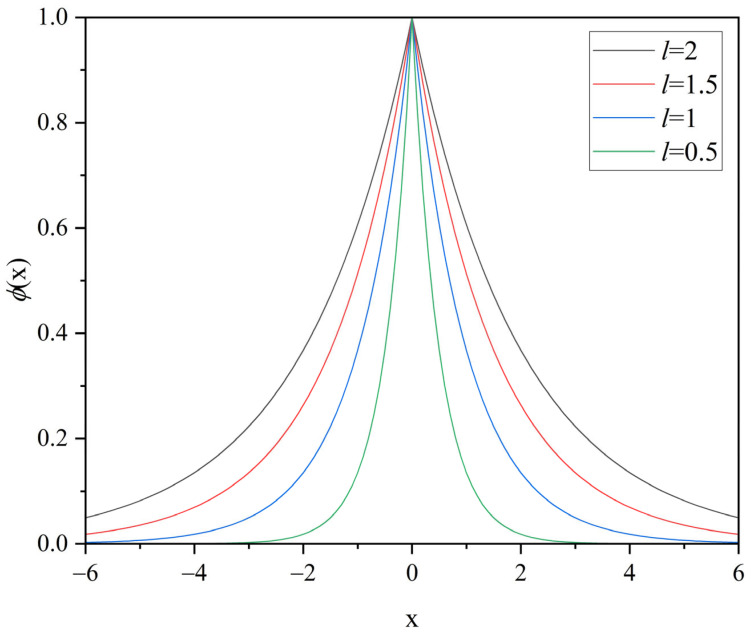 Figure 1
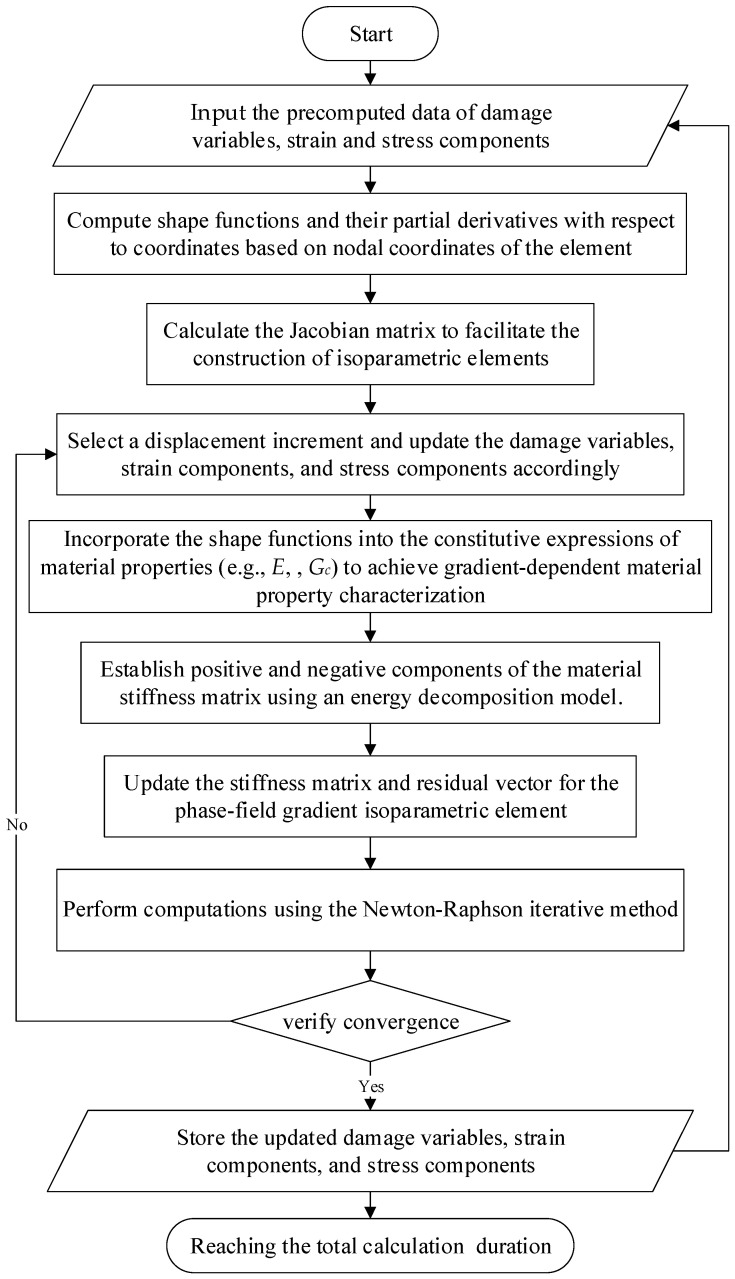 Figure 2
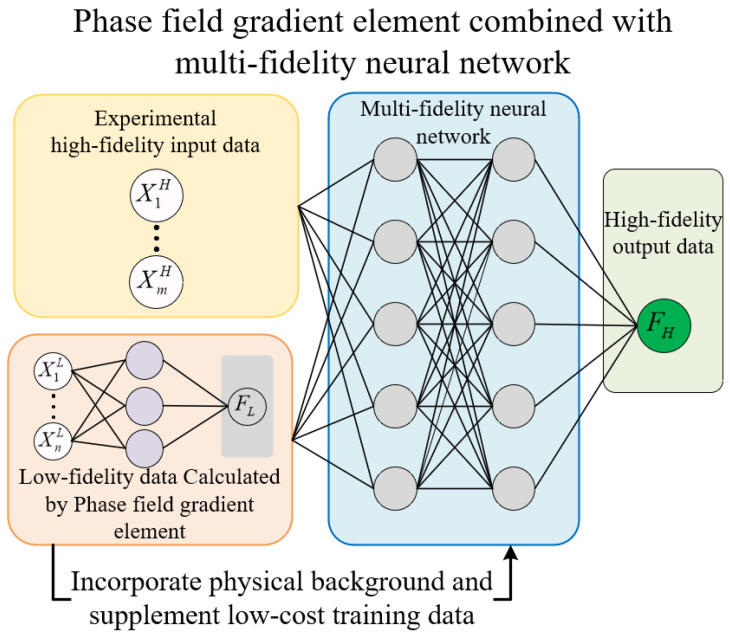 Figure 3
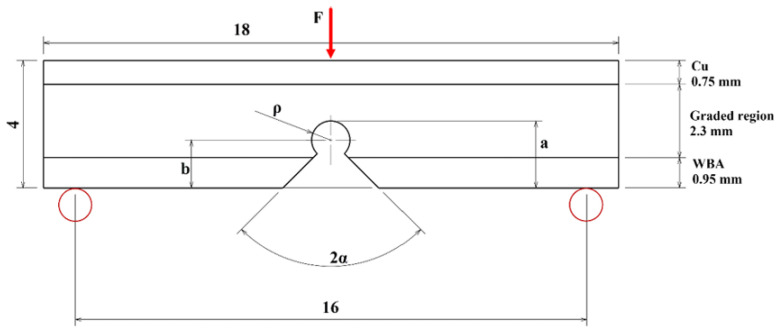 Figure 4
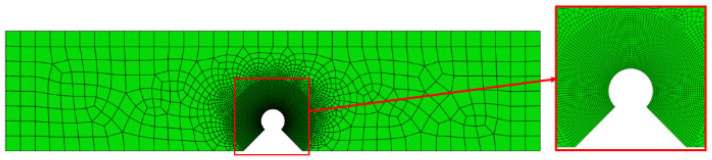 Figure 5
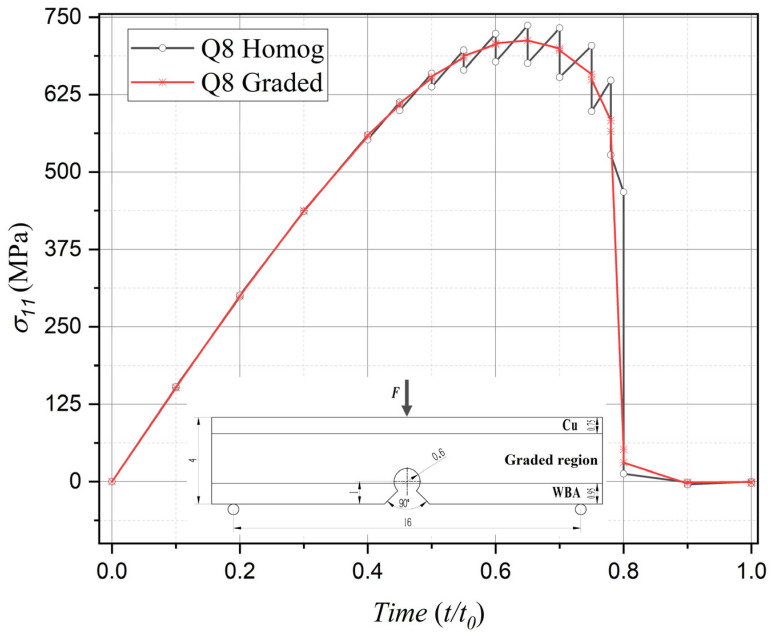 Figure 6
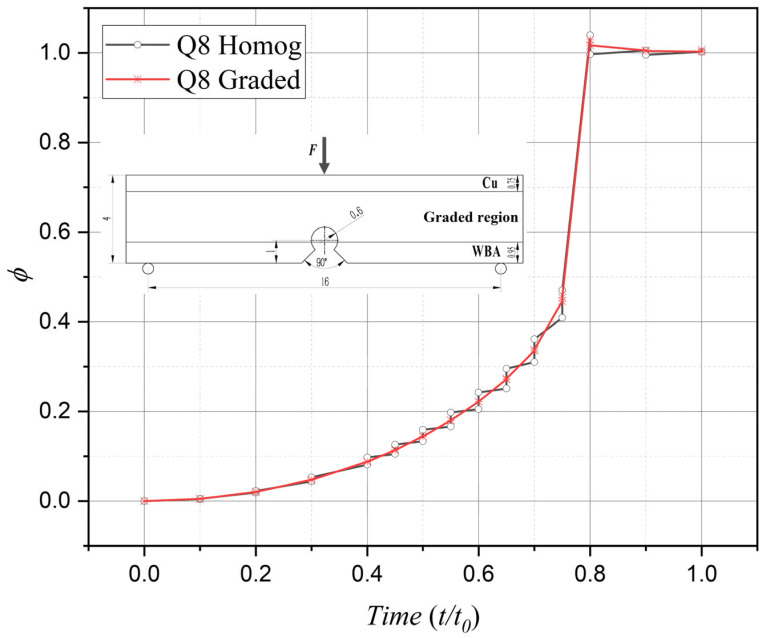 Figure 7
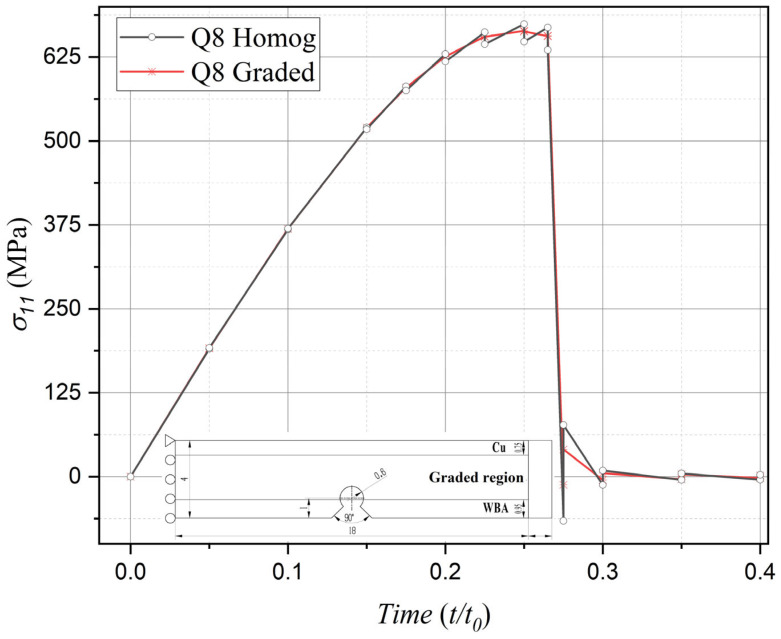 Figure 8
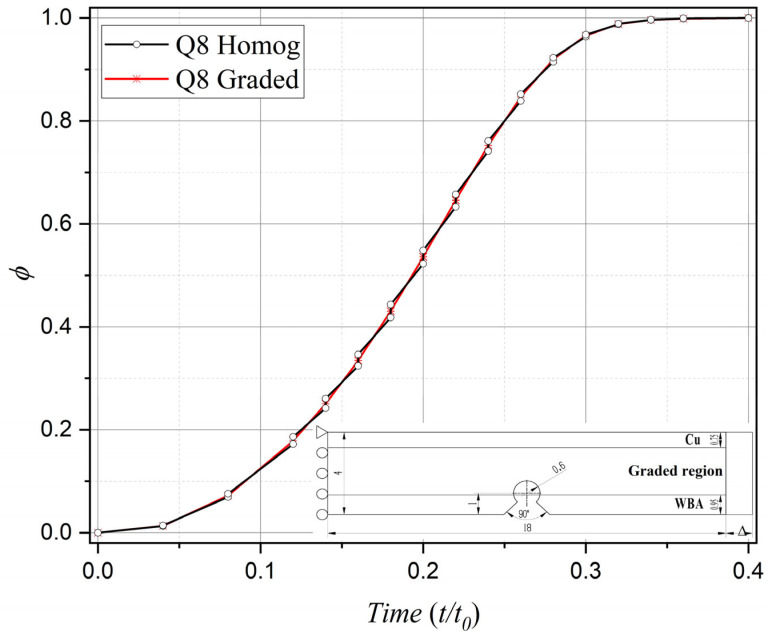 Figure 9
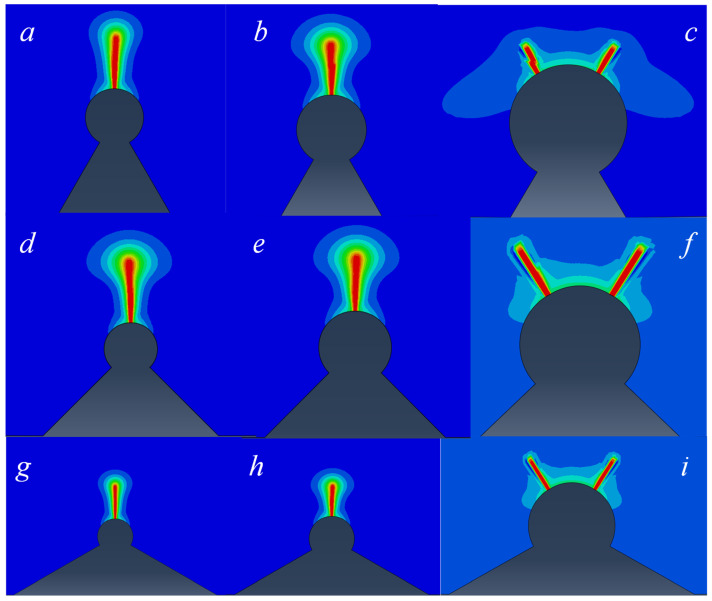 Figure 10
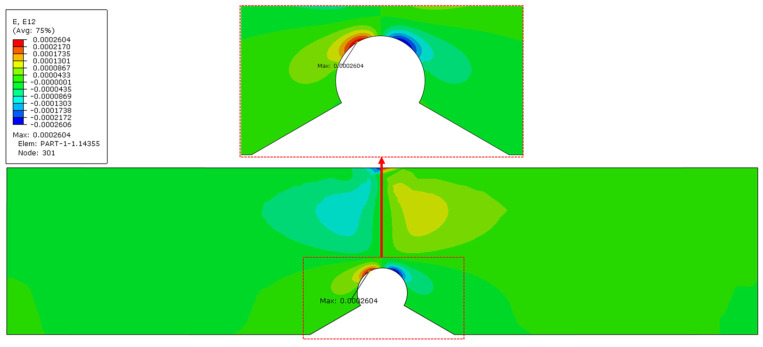 Figure 11
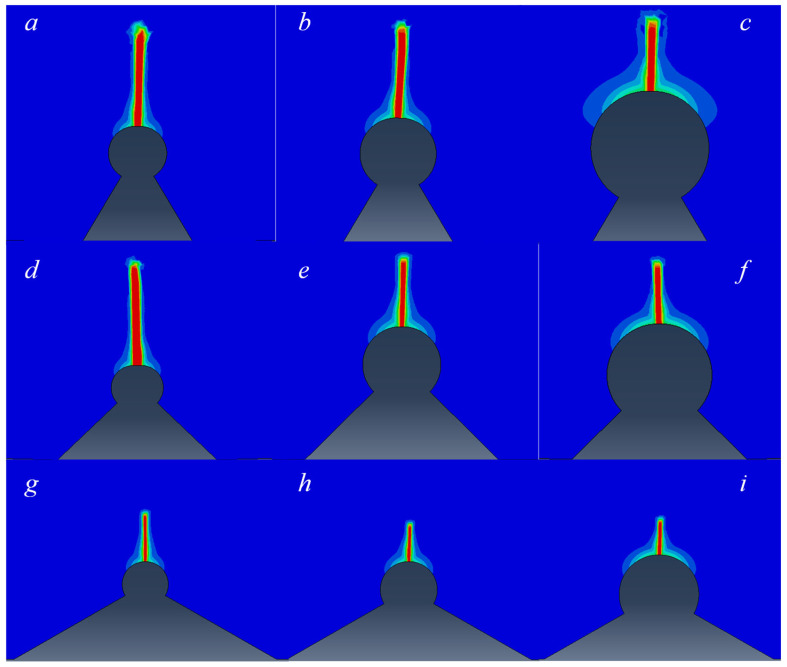 Figure 12
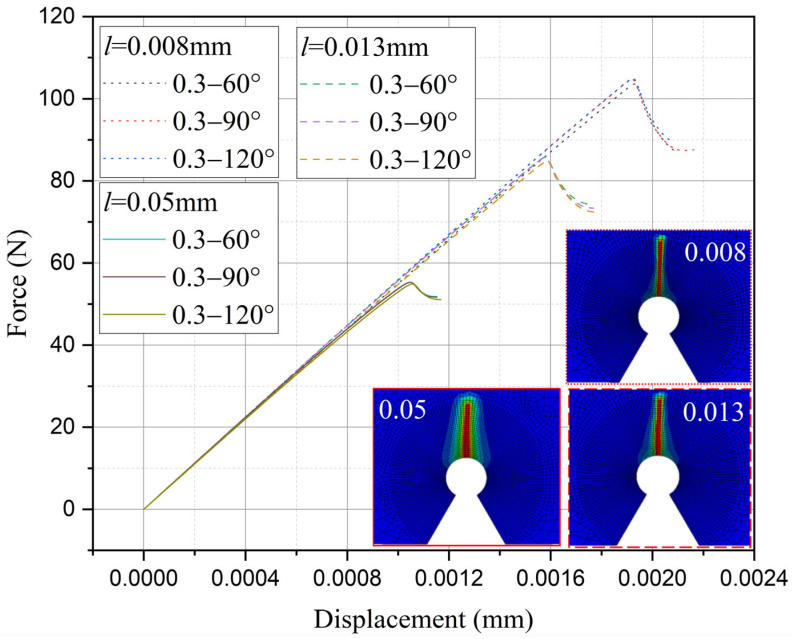 Figure 13
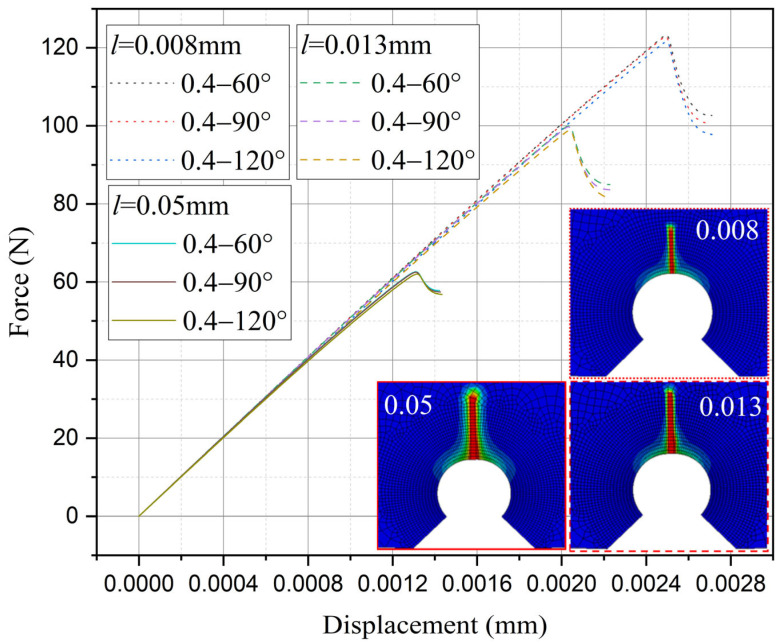 Figure 14
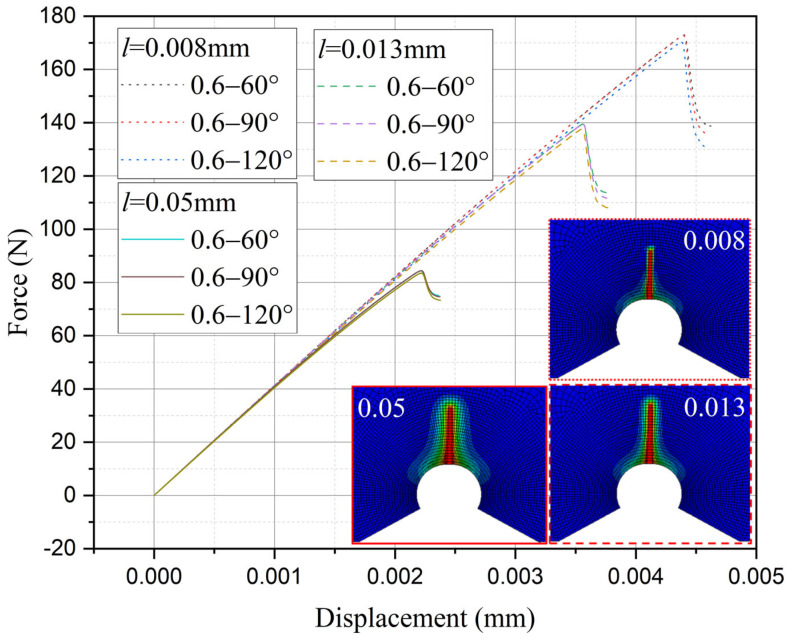 Figure 15
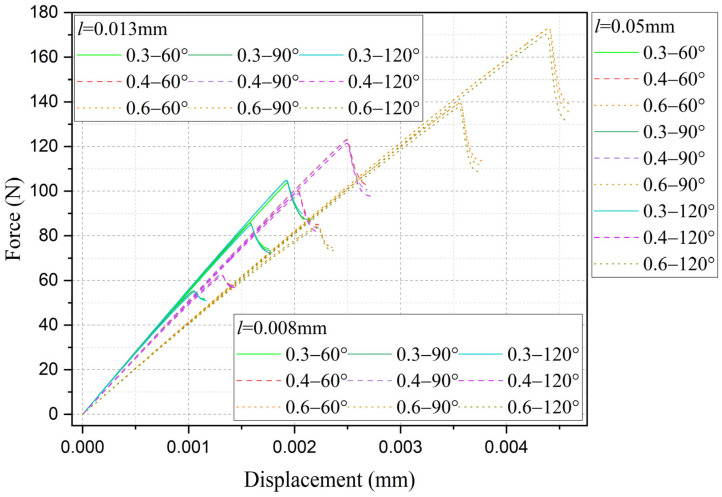 Figure 16
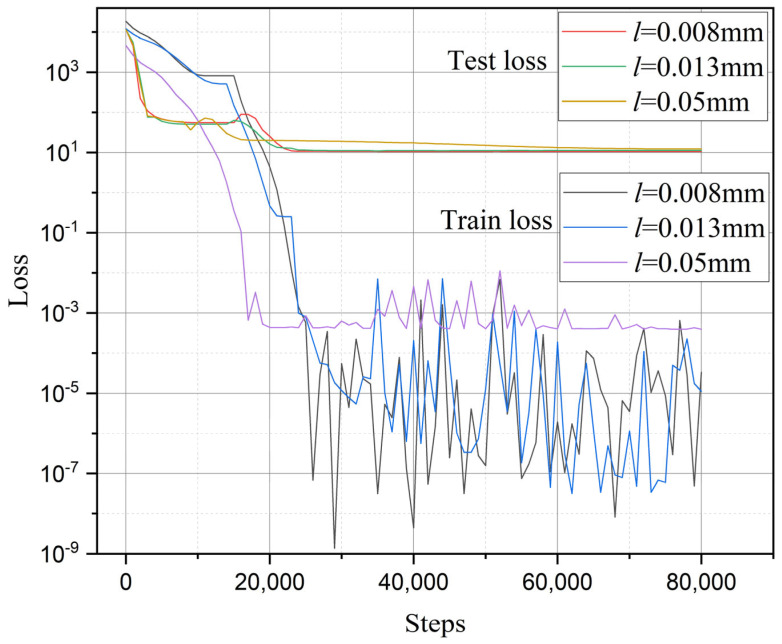 Figure 17
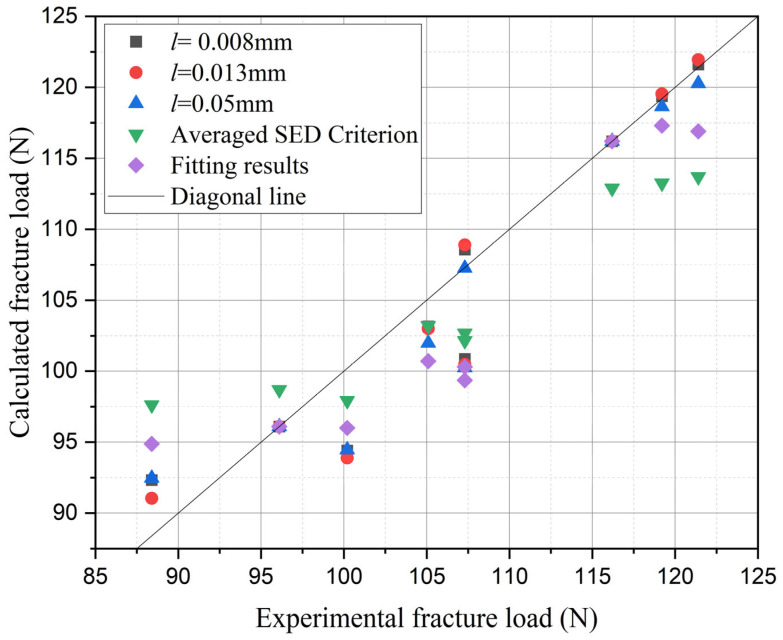 Figure 18
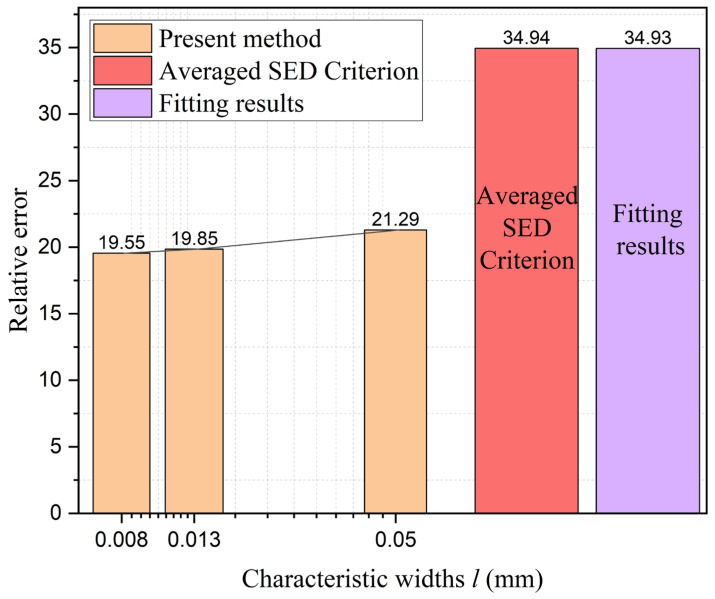 Figure 19
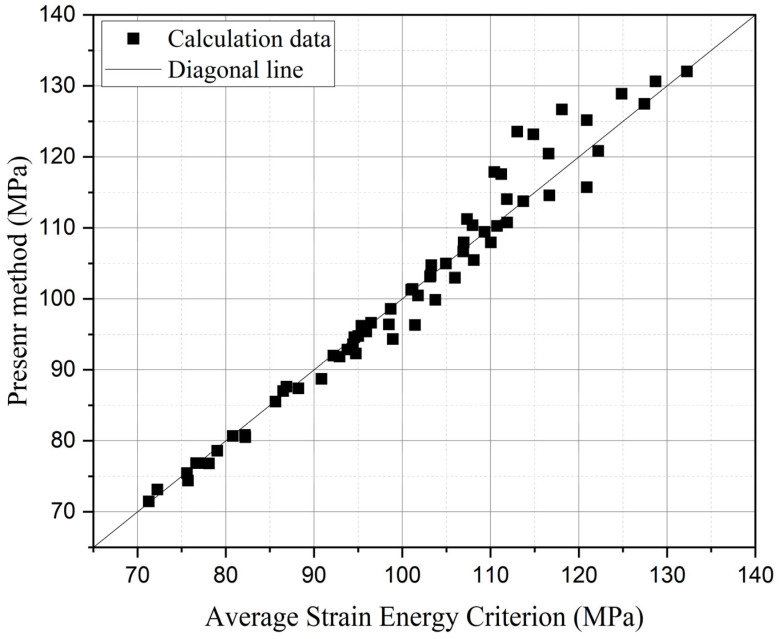 Figure 20
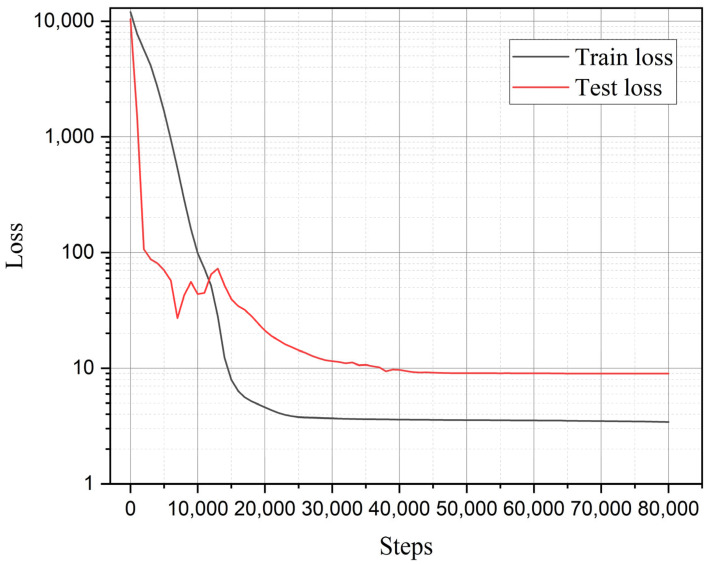 Figure 21
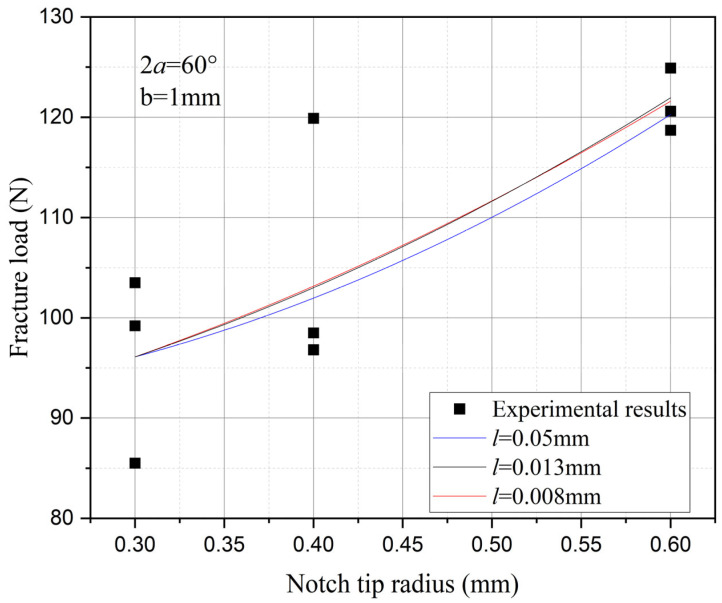 Figure 22
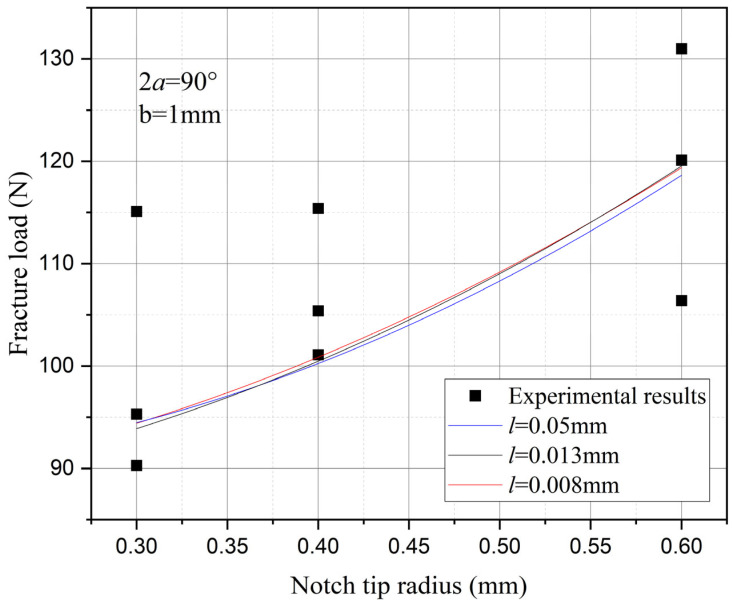 Figure 23
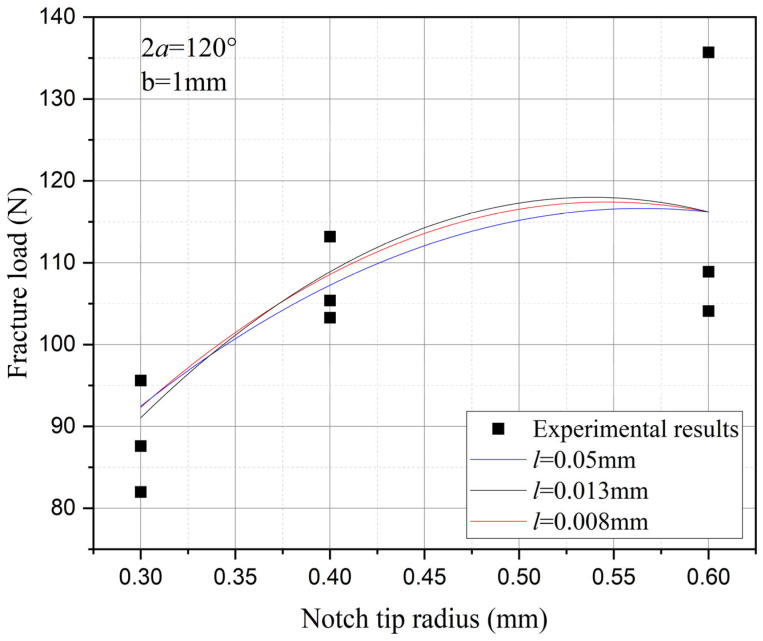 Figure 24
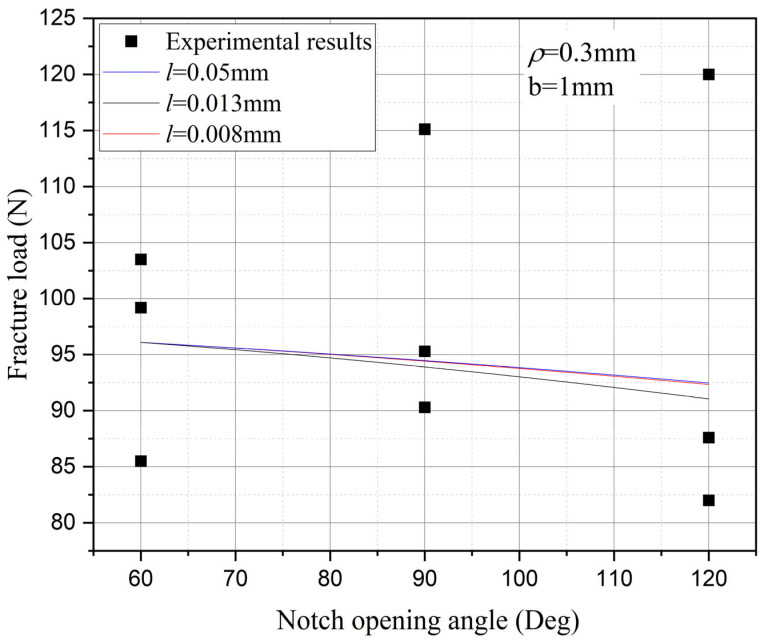 Figure 25
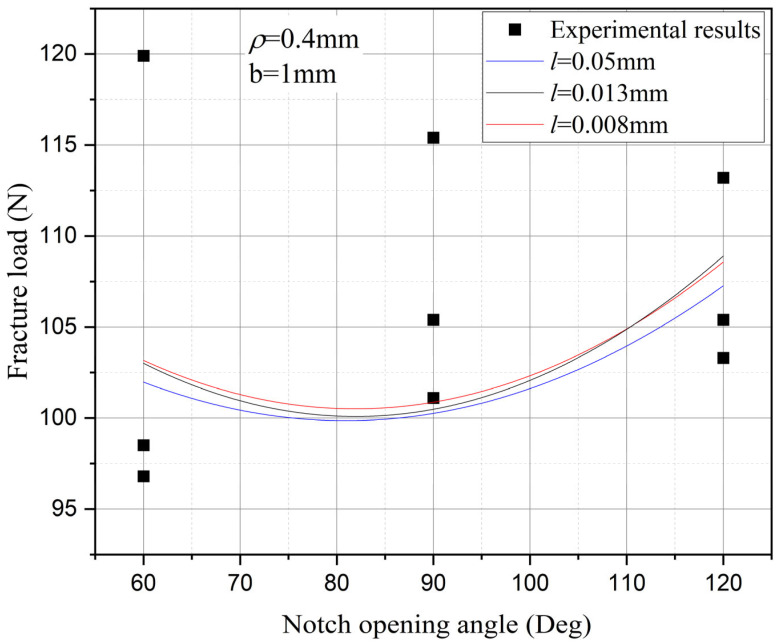 Figure 26
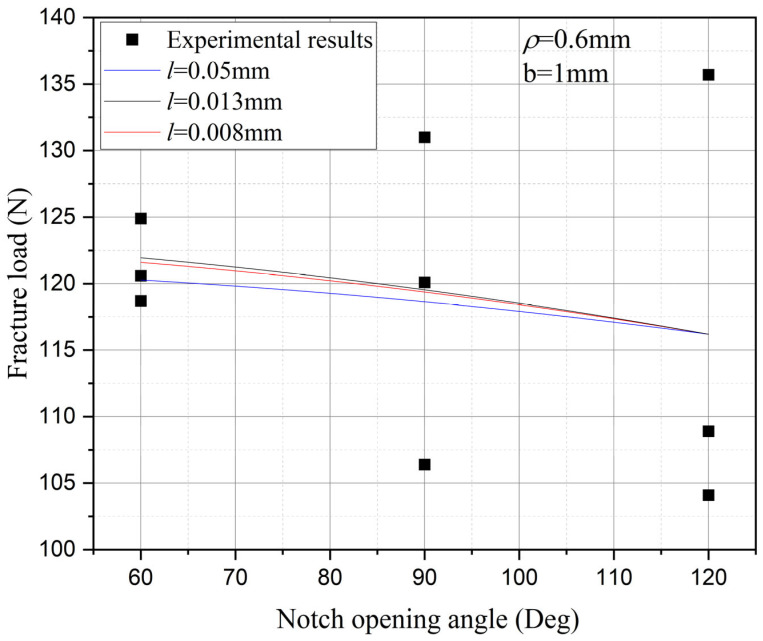 Figure 27
Peer Reviews
No public reviews on file for this paper yet. If you reviewed it on a platform where reviews are public (OpenReview, ICLR, NeurIPS, ICML), you can paste yours below so the community can read it here.
Videos
No videos yet. Explain this paper in a talk, walkthrough, or lecture? Add one.
Taxonomy
TopicsNumerical methods in engineering · Fatigue and fracture mechanics · Rock Mechanics and Modeling