Intrafractional Motion in Online-Adaptive Magnetic Resonance-Guided Radiotherapy of Adrenal Metastases Leads to Reduced Target Volume Coverage and Elevated Organ-at-Risk Doses
Philipp Hoegen-Saßmannshausen, Tobias P. Hartschuh, Claudia Katharina Renkamp, Carolin Buchele, Fabian Schlüter, Elisabetta Sandrini, Fabian Weykamp, Sebastian Regnery, Eva Meixner, Laila König, Jürgen Debus, Sebastian Klüter, Juliane Hörner-Rieber

TL;DR
Intrafractional motion during MR-guided radiotherapy for adrenal metastases reduces tumor dose coverage and increases doses to nearby organs, but online adaptation helps mitigate these issues.
Contribution
This study quantifies the impact of intrafractional motion on dose delivery in MR-guided radiotherapy for adrenal metastases and evaluates the benefits of online adaptation.
Findings
Intrafractional motion significantly reduced target volume coverage and increased doses to gastrointestinal organs.
Online-adapted plans improved dose coverage compared to non-adapted plans despite motion.
Frequent violations of OAR constraints led to elevated normal tissue complication probabilities.
Abstract
Adrenal metastases can be precisely treated with online-adaptive MR-guided radiotherapy accounting for tumor and organ-at-risk (OAR) motion and variation between treatment sessions. However, changes also occur during treatment due to breathing, patient and organ motion. The impact of these changes on radiation doses to gastrointestinal organs and adrenal tumors has not been analyzed in detail so far. The aim of this study was to quantify the implications of motion during radiation on the dose given to the tumor and adjacent gastrointestinal organs. Background/Objectives: Stereotactic body radiotherapy is frequently used in patients with adrenal metastases. Motion of adherent radiosensitive organs at risk (OARs) and tumors influence OAR toxicity and tumor control. Online-adaptive Magnetic Resonance-guided radiotherapy (MRgRT) can address and mitigate interfractional changes. However,…
Genes, proteins, chemicals, diseases, species, mutations and cell lines named across the full text — each resolved to its canonical identifier and authoritative record.
Click any figure to enlarge with its caption.
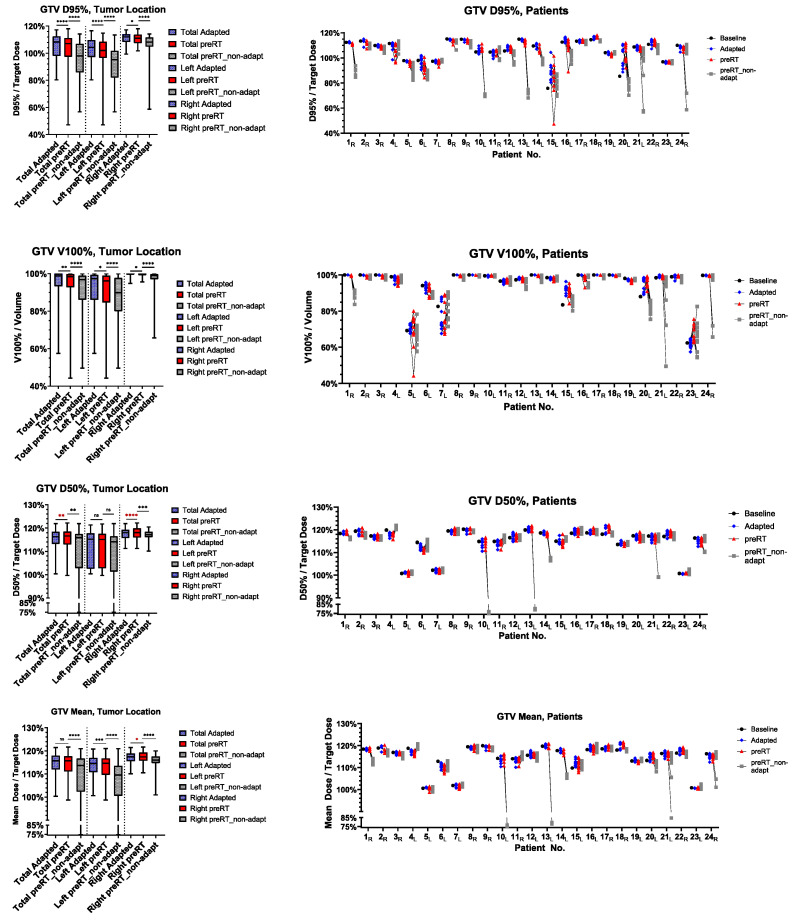 Figure 1
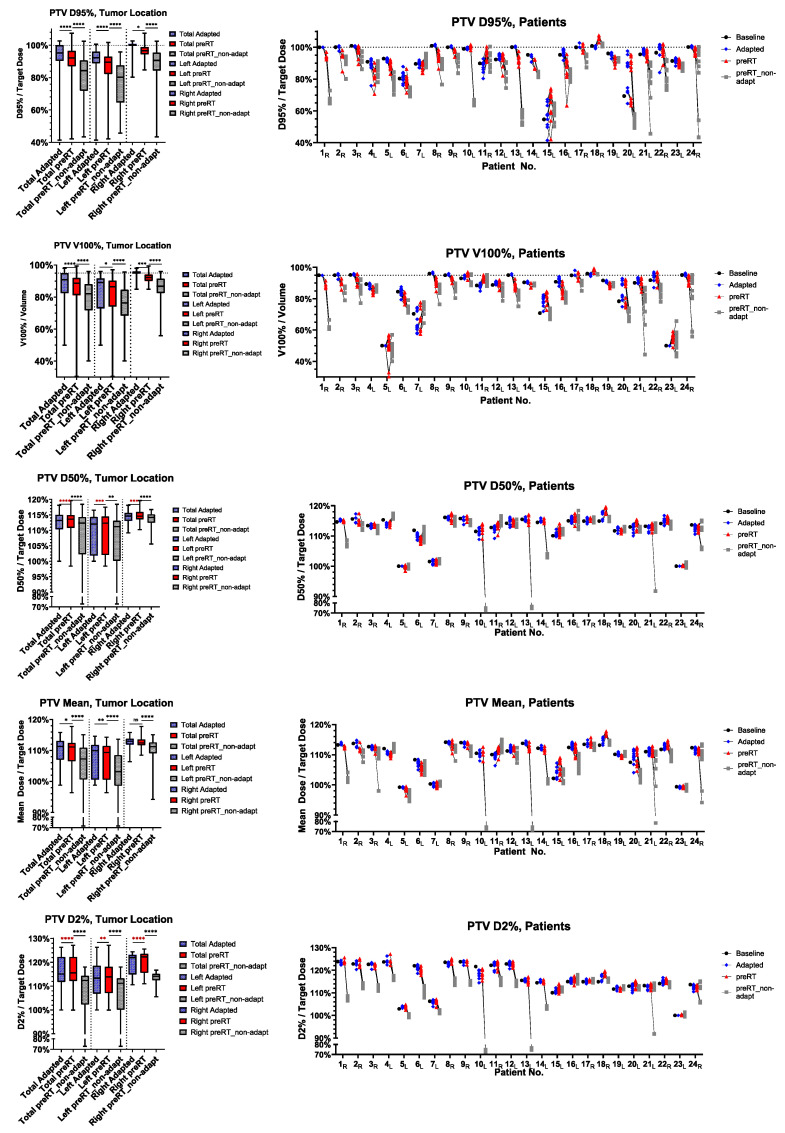 Figure 2
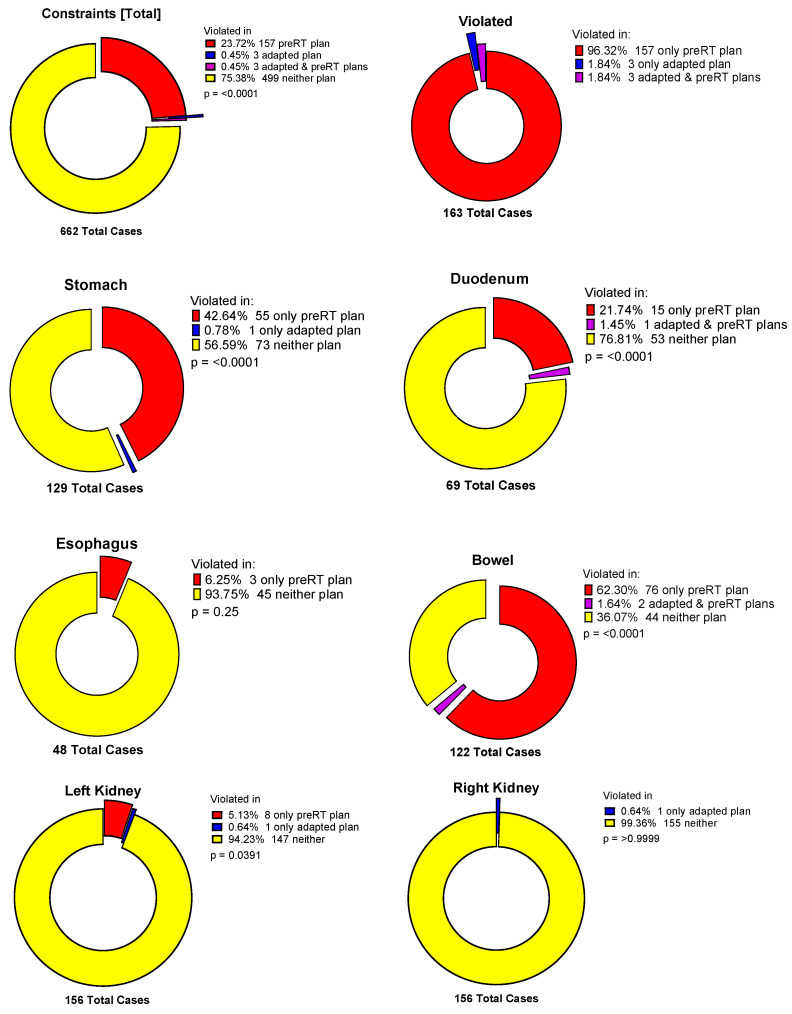 Figure 3
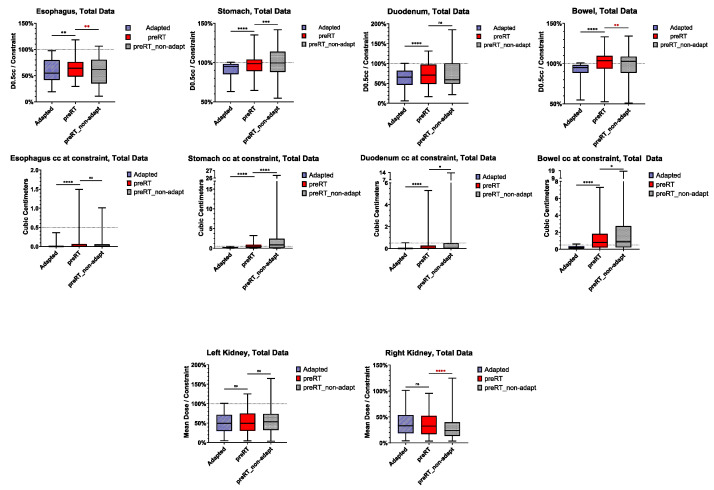 Figure 4
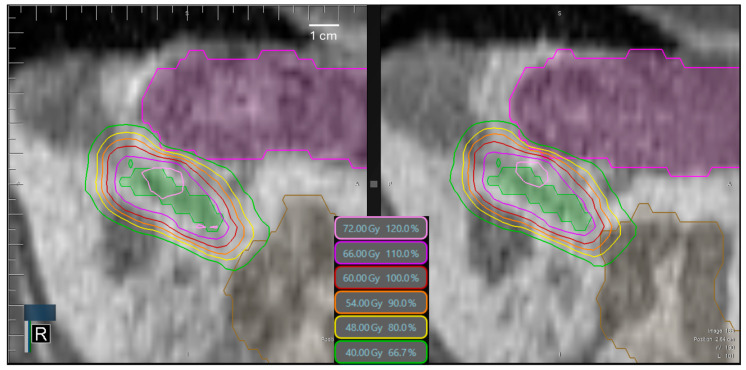 Figure 5
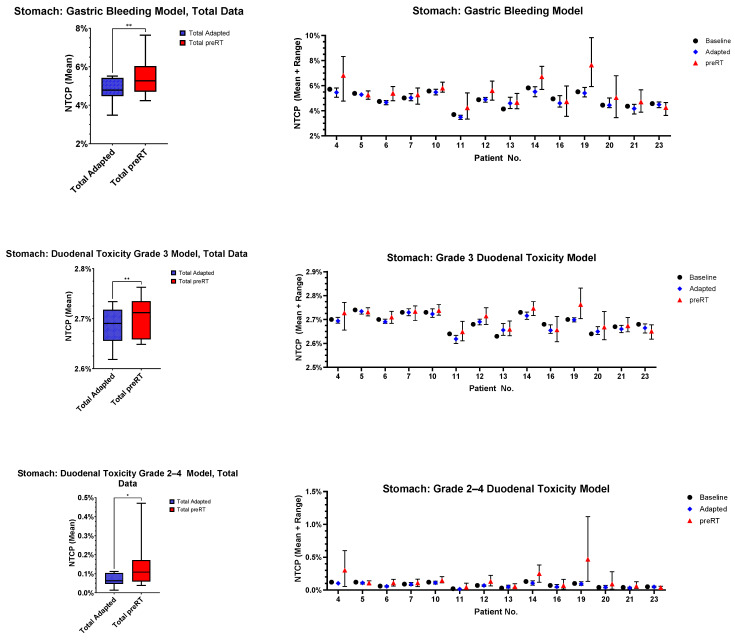 Figure 6
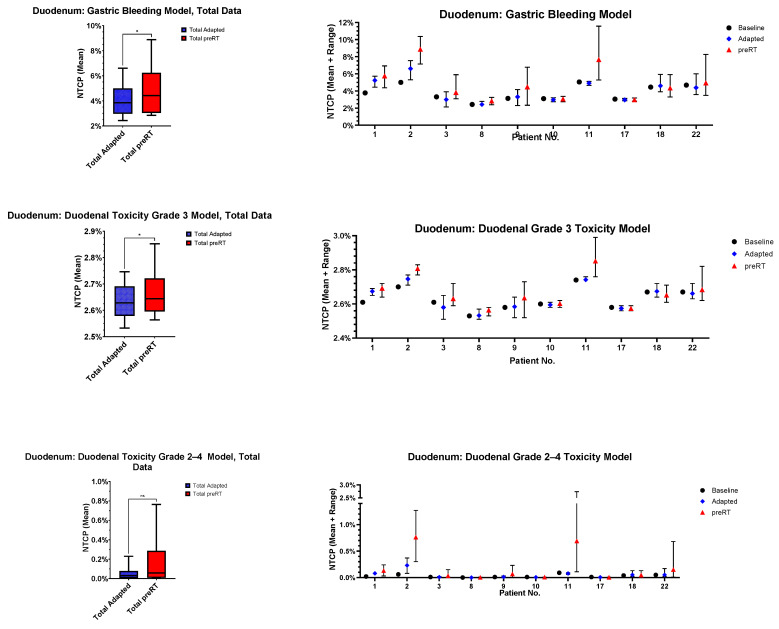 Figure 7
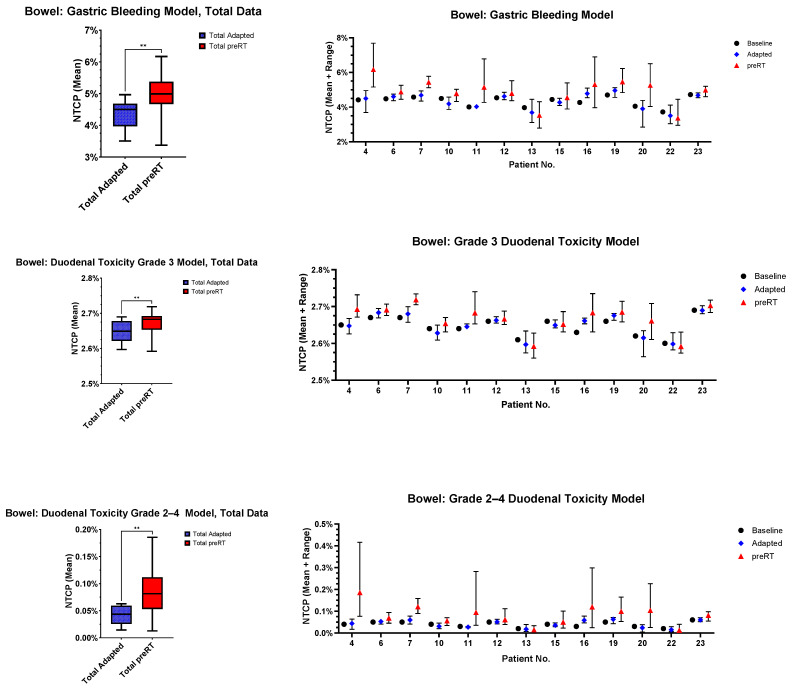 Figure 8
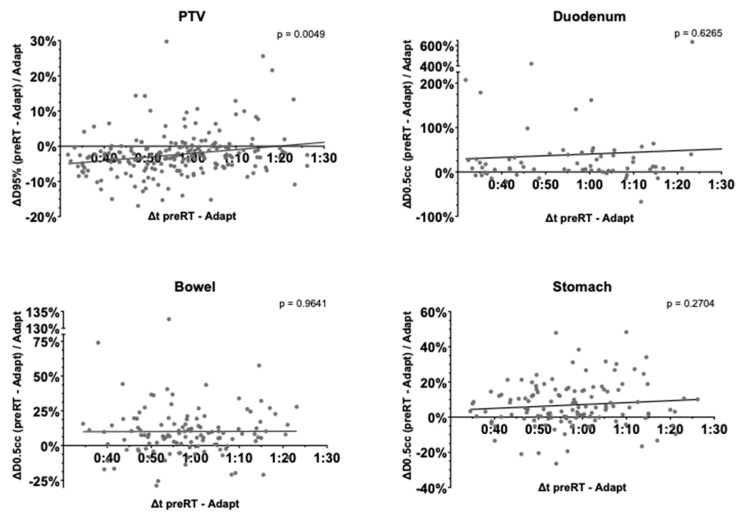 Figure 9
Peer Reviews
No public reviews on file for this paper yet. If you reviewed it on a platform where reviews are public (OpenReview, ICLR, NeurIPS, ICML), you can paste yours below so the community can read it here.
Videos
No videos yet. Explain this paper in a talk, walkthrough, or lecture? Add one.
Taxonomy
TopicsAdvanced Radiotherapy Techniques · Radiation Therapy and Dosimetry · Medical Imaging Techniques and Applications