The Impact of the Desugarization Process on the Physiochemical Properties of Duck Egg Mélange Powders
Svetlana Kamanova, Bakhyt Shaimenova, Linara Murat, Saule Saduakhasova, Dina Khamitova, Marat Muratkhan, Baltash Tarabayev, Gulnazym Ospankulova

TL;DR
This study shows that removing sugar from duck egg powder using baker's yeast improves its nutrition and makes it better for food processing.
Contribution
The study introduces baker’s yeast as a novel method for desugarizing duck egg powder, improving its nutritional and functional properties.
Findings
Desugarization reduces glucose and certain minerals (Cu, Fe, Zn) in duck egg powder.
The process increases levels of oleic, palmitoleic, and linoleic acids, and essential amino acids like glycine and leucine.
A strong correlation among saturated fatty acids suggests stable distribution after treatment.
Abstract
Duck eggs are rich in essential nutrients, such as amino acids, vitamins, and polyunsaturated fatty acids. However, their application in the food industry is hindered by glucose, which contributes to undesirable darkening during the Maillard reaction in processing. The present study examined the effect of the desugarization of duck eggs using baker’s yeast on their chemical composition. The results showed that the desugarization process reduces the content of glucose and minerals (Cu, Fe, and Zn) and alters the vitamin composition depending on the treatment conditions. Changes were also observed in the fatty acid profile, including increased levels of oleic acid (C18:1), palmitoleic acid (C16:1), and linoleic acid (C18:2, ω − 6). A high intragroup correlation among saturated fatty acids indicates the stability of their distribution. An increase in the content of essential amino…
Genes, proteins, chemicals, diseases, species, mutations and cell lines named across the full text — each resolved to its canonical identifier and authoritative record.
Click any figure to enlarge with its caption.
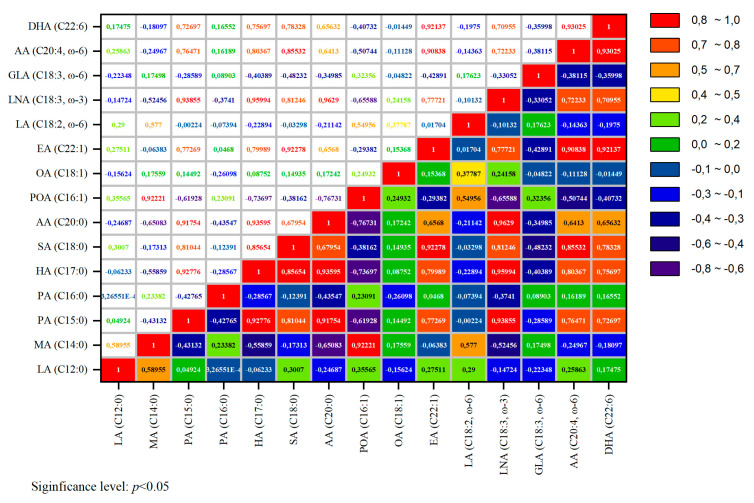 Figure 1
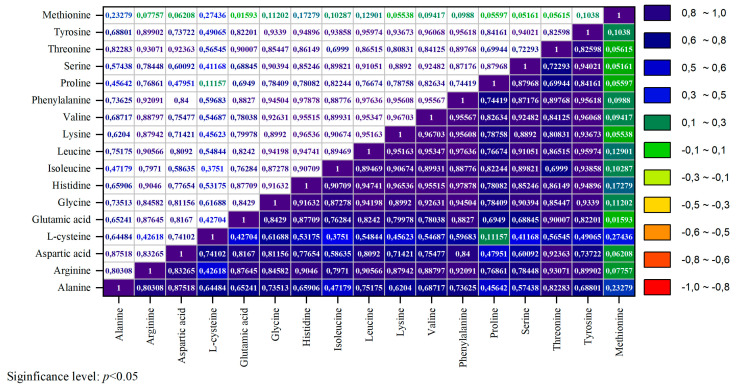 Figure 2
Peer Reviews
No public reviews on file for this paper yet. If you reviewed it on a platform where reviews are public (OpenReview, ICLR, NeurIPS, ICML), you can paste yours below so the community can read it here.
Videos
No videos yet. Explain this paper in a talk, walkthrough, or lecture? Add one.
Taxonomy
TopicsProtein Hydrolysis and Bioactive Peptides · Meat and Animal Product Quality · Proteins in Food Systems