Multifaceted Biological Activities of Culinary Herb and Spice Extracts: In Vitro and In Silico Simulation Insights into Inflammation-Related Targets
Nance Hontman, Jéssica Gonçalves, José S. Câmara, Rosa Perestrelo

TL;DR
This study explores how extracts from herbs and spices may help reduce inflammation and support brain health through lab and computer simulations.
Contribution
The study combines volatile profiling with in silico and in vitro methods to evaluate anti-inflammatory and antioxidant potential of herbs and spices.
Findings
121 volatile organic metabolites were identified, with monoterpenoids being the most common.
Cuminaldehyde and β-caryophyllene showed strong inhibitory activity against inflammation-related targets.
Jamaica pepper had the highest antioxidant and anti-inflammatory activity among the tested extracts.
Abstract
Culinary herbs and spices are valued worldwide for their flavor, aroma, and medicinal benefits. They encompass diverse bioactive metabolites, such as polyphenols and terpenoids, which contribute to plant defense and offer anticarcinogenic, anti-inflammatory, antioxidant, and cognitive-enhancing effects. This study aimed to establish the volatile fingerprint of culinary herbs (lemon verbena, chives, basil, sage, coriander, and parsley) and spices (curcuma, nutmeg, cumin, black pepper, Jamaica pepper, and juniper berry) using headspace solid-phase microextraction combined with gas chromatography-mass spectrometry (HS-SPME/GC-MS). The predominant volatile organic metabolites (VOMs) identified were subjected to in silico molecular docking simulations of anti-Alzheimer’s (e.g., acetylcholinesterase (AChE), butyrylcholinesterase (BChE)), antioxidants (e.g., monoamine oxidase B (MAO-B),…
Genes, proteins, chemicals, diseases, species, mutations and cell lines named across the full text — each resolved to its canonical identifier and authoritative record.
Click any figure to enlarge with its caption.
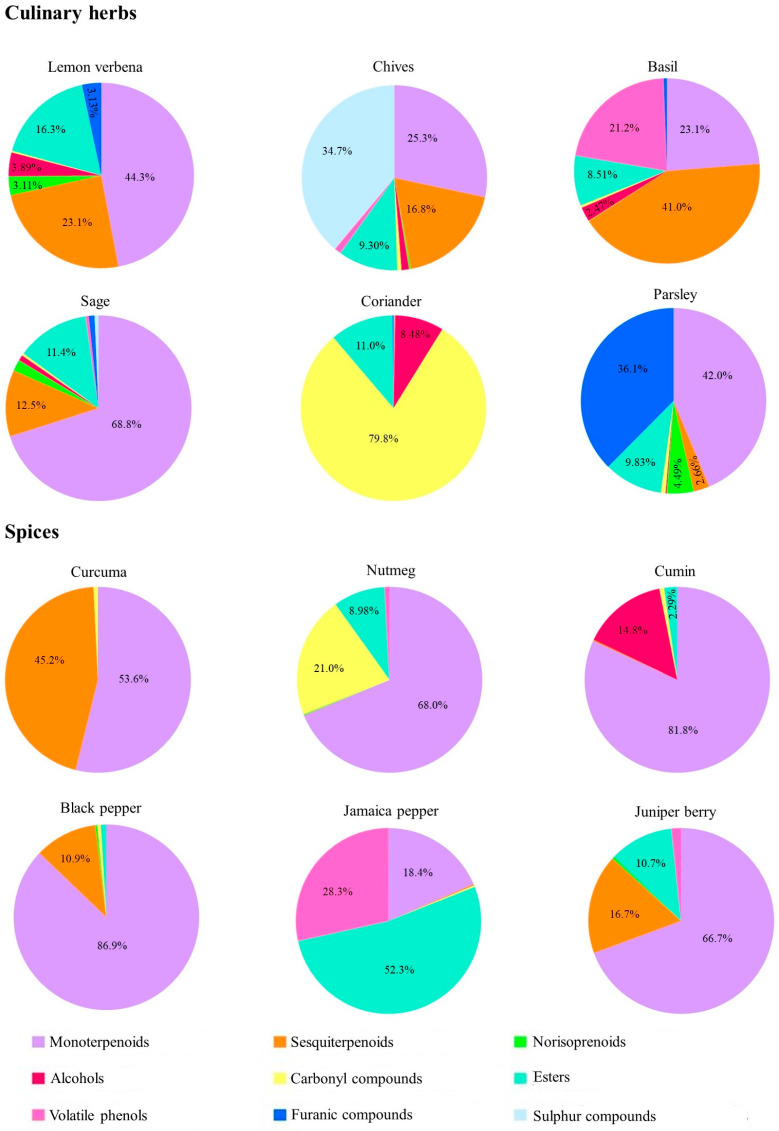 Figure 1
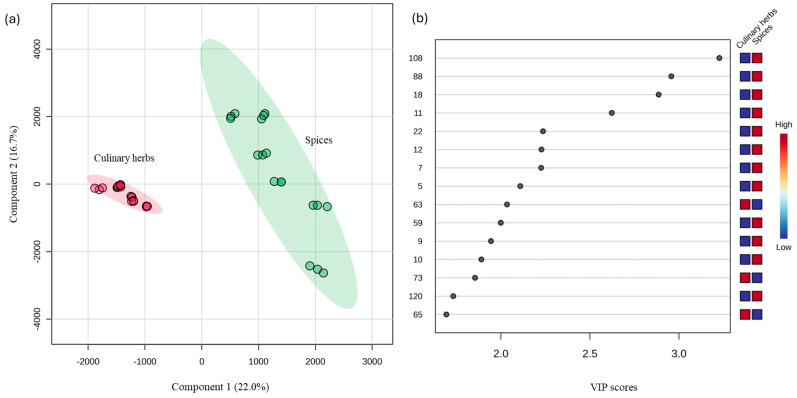 Figure 2
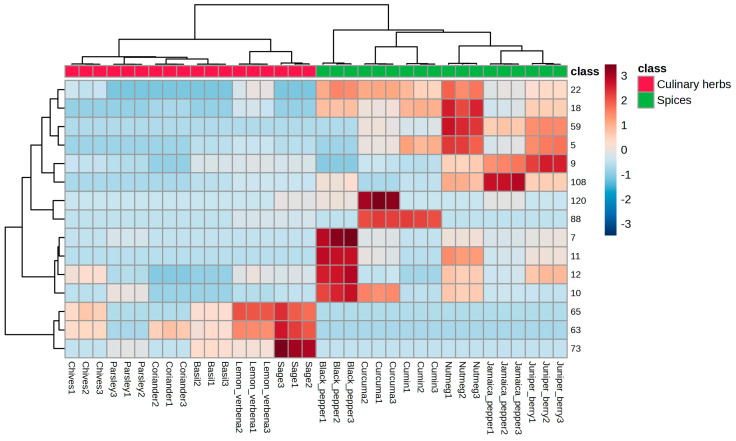 Figure 3
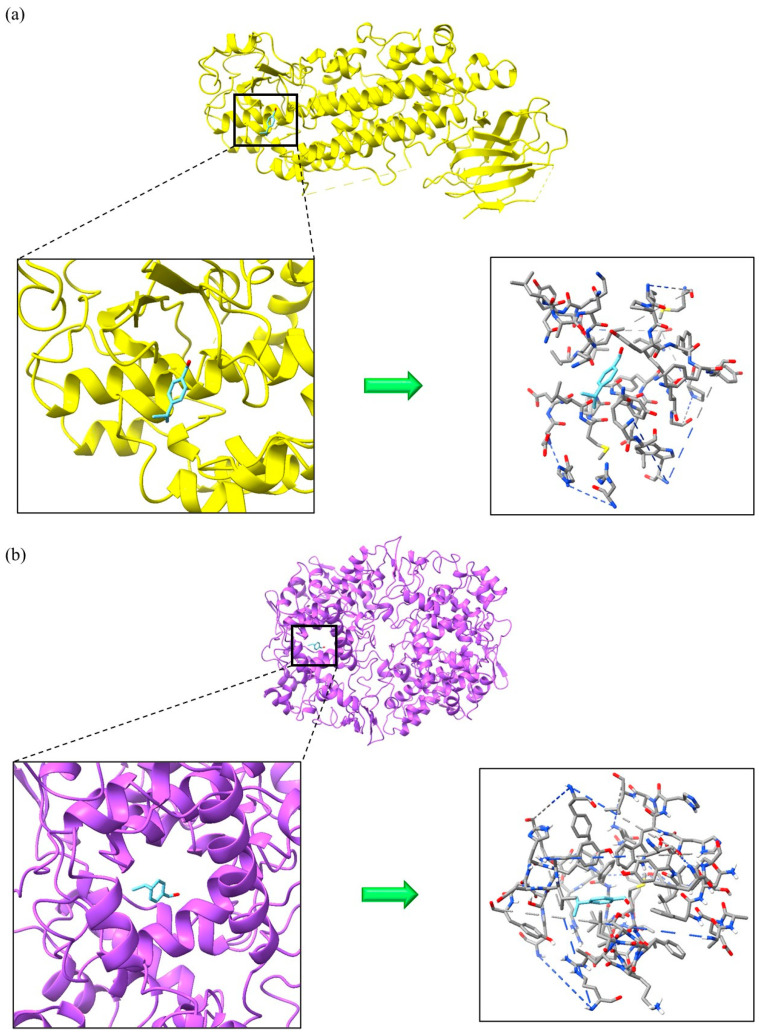 Figure 4
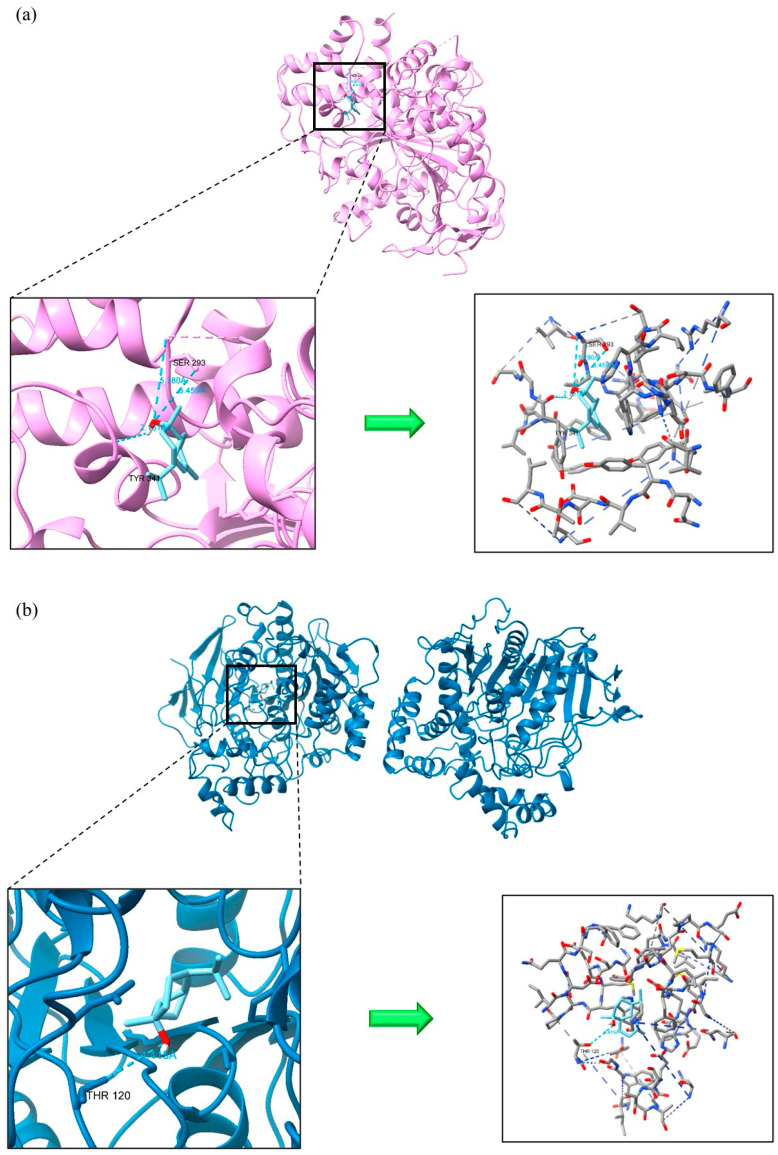 Figure 5
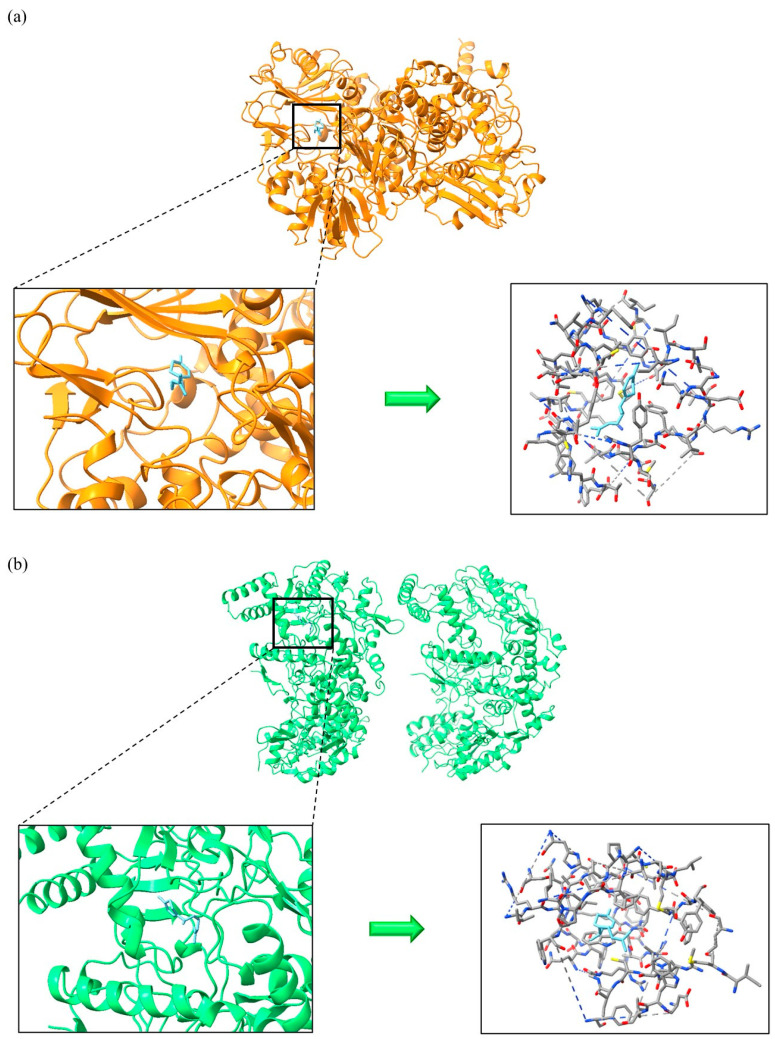 Figure 6
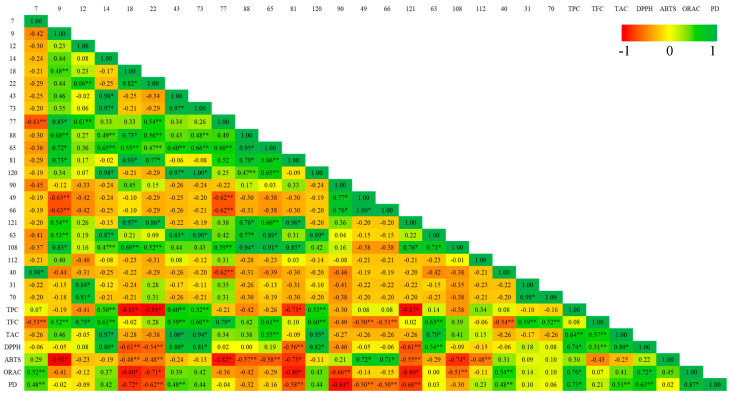 Figure 7
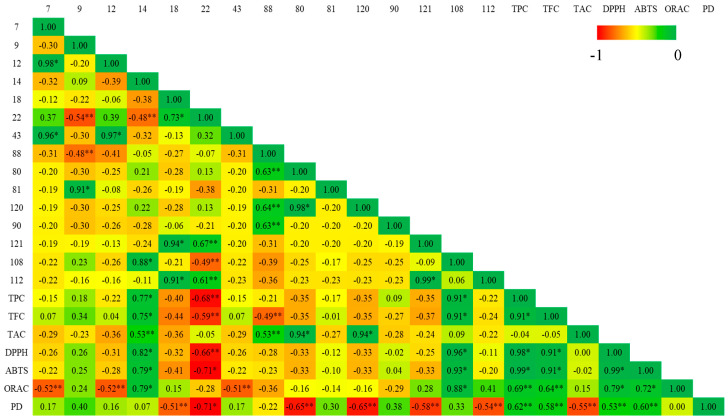 Figure 8
Peer Reviews
No public reviews on file for this paper yet. If you reviewed it on a platform where reviews are public (OpenReview, ICLR, NeurIPS, ICML), you can paste yours below so the community can read it here.
Videos
No videos yet. Explain this paper in a talk, walkthrough, or lecture? Add one.
Taxonomy
TopicsMedicinal Plants and Neuroprotection · Computational Drug Discovery Methods · Essential Oils and Antimicrobial Activity