Analysis of Mechanisms for Electron Uptake by Methanothrix harundinacea 6Ac During Direct Interspecies Electron Transfer
Lei Wang, Xiaoman Shan, Yanhui Xu, Quan Xi, Haiming Jiang, Xia Li

TL;DR
This study explores how Methanothrix harundinacea 6Ac takes up electrons during direct interspecies electron transfer, revealing key enzymes and pathways involved.
Contribution
The first genetics-based model of electron and proton flux in M. harundinacea 6Ac during DIET is proposed.
Findings
Membrane-bound HdrED and Fpo− are critical for electron uptake and Fdred2− generation.
HdrABC-FrhB complex reduces F420 using CoM-SH, CoB-SH, and Fdred2−.
MPH2 and proton motive force drive Fdred2− production in M. harundinacea 6Ac.
Abstract
Direct interspecies electron transfer (DIET) is a syntrophic metabolism wherein free electrons are directly transferred between microorganisms without the mediation of intermediates such as molecular hydrogen or formate. Previous research has demonstrated that Methanothrix harundinacea 6Ac is capable of reducing carbon dioxide through DIET. However, the mechanisms underlying electron uptake in M. harundinacea 6Ac during DIET remain poorly understood. This study aims to elucidate the electron and proton flux in M. harundinacea 6Ac during DIET and to propose a model for electron uptake in this organism, primarily based on the analysis of gene transcript levels, genomic characteristics of M. harundinacea 6Ac, and the pathways generating fully reduced ferridoxin (Fdred2−), reduced coenzyme F420 (F420H2), coenzyme M (CoM-SH), and coenzyme B (CoB-SH) during DIET. The findings suggest that…
Genes, proteins, chemicals, diseases, species, mutations and cell lines named across the full text — each resolved to its canonical identifier and authoritative record.
Click any figure to enlarge with its caption.
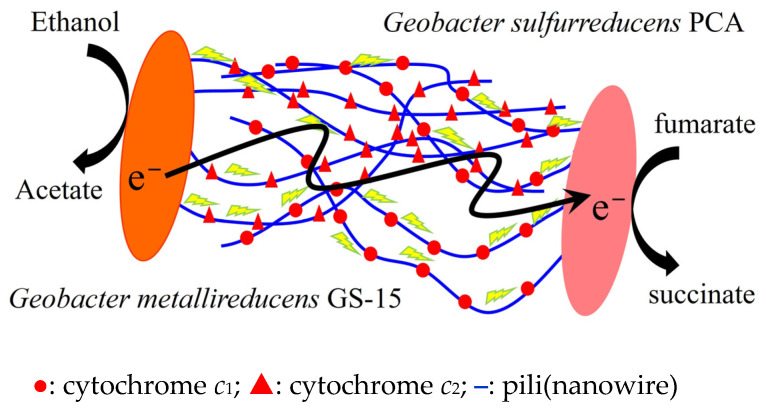 Figure 1
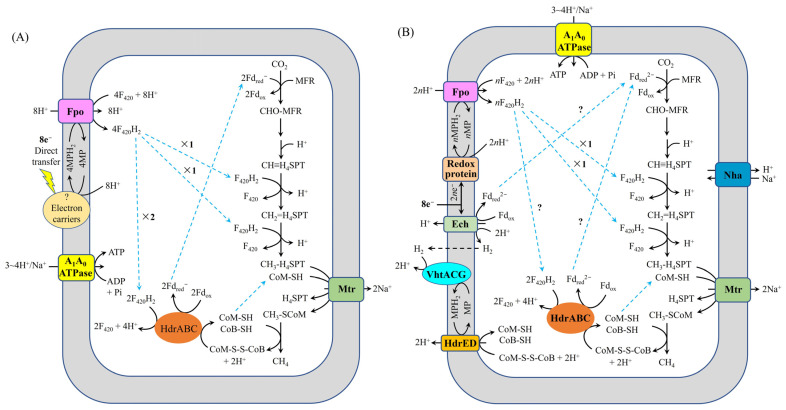 Figure 2
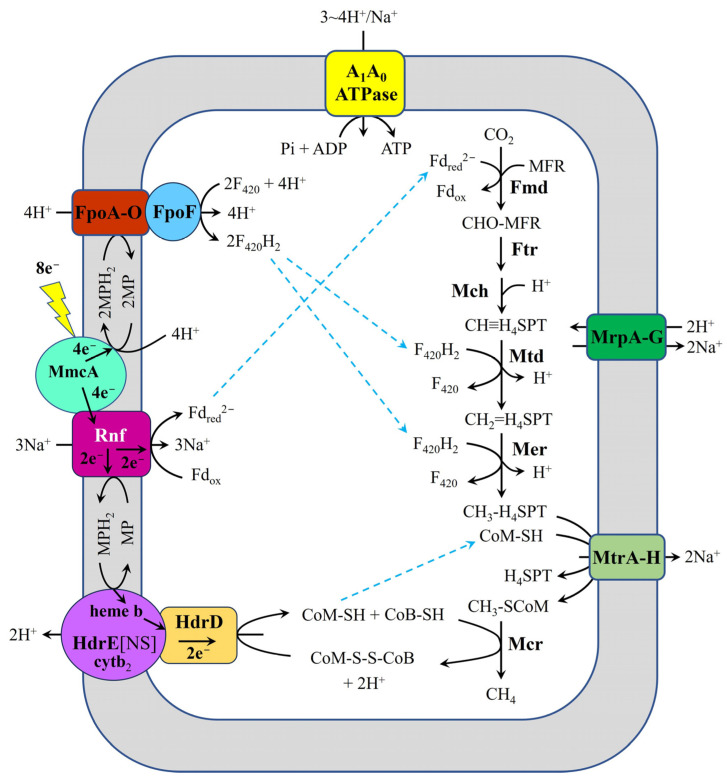 Figure 3
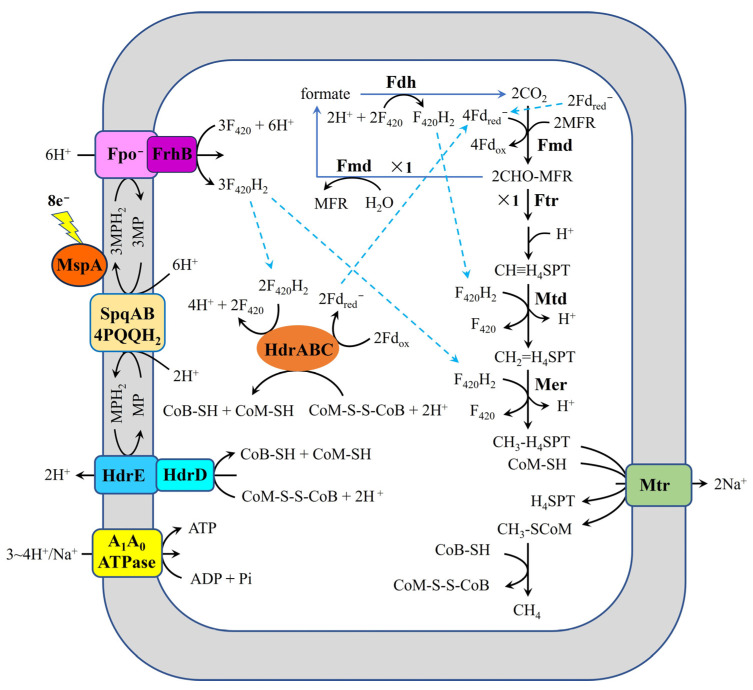 Figure 4
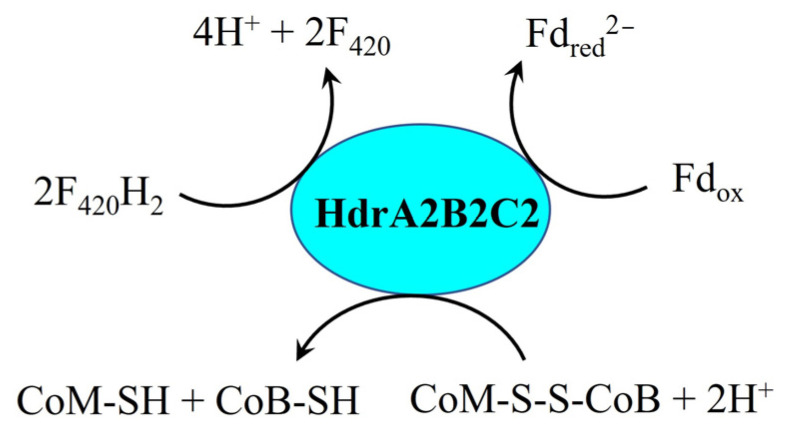 Figure 5
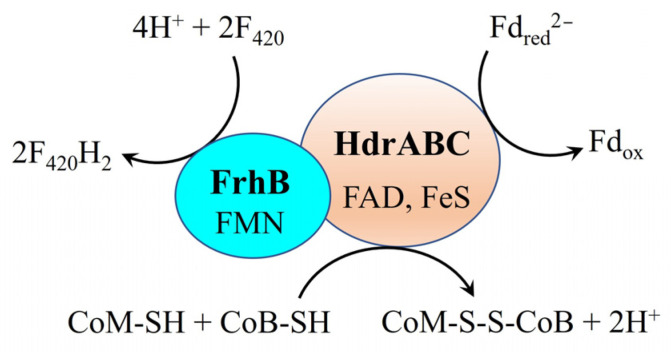 Figure 6
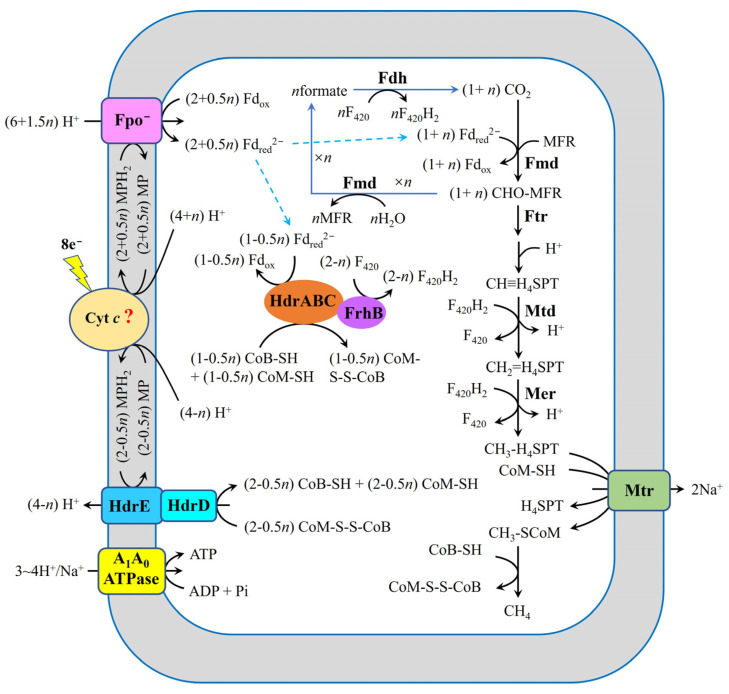 Figure 7
Peer Reviews
No public reviews on file for this paper yet. If you reviewed it on a platform where reviews are public (OpenReview, ICLR, NeurIPS, ICML), you can paste yours below so the community can read it here.
Videos
No videos yet. Explain this paper in a talk, walkthrough, or lecture? Add one.
Taxonomy
TopicsMicrobial Fuel Cells and Bioremediation · Advanced oxidation water treatment · Electrocatalysts for Energy Conversion